
July 29, 2026
The forthcoming Intergovernmental Panel on Climate Change (IPCC) Special Report on Climate Change and Cities (SR-Cities) could become a major scientific and political resource for urban climate action. But whether it does will depend on work already underway to translate evidence into stronger multilevel governance, practical tools, investment-ready solutions, and locally meaningful narratives.
July 27, 2026
ICLEI emphasized the indispensable role of local and regional governments in delivering global commitments and helping shape the international framework that will succeed them.
July 27, 2026
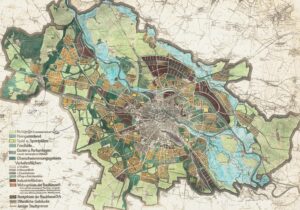
Where people live often determines the opportunities and risks they face - albeit often resulting from economic pressures, planning decisions, environmental conditions, and historical policies.
July 14, 2026
From reducing emissions to boosting climate adaptation, cities around the world are showing how Rethink, Regenerate, Reduce, Reuse and Recover strategies are turning action on plastics into a powerful lever for climate action.

July 1, 2026
Thorough the FoodCLIC project, cities across the world are responding to many of the same food system challenges in different and creative ways
July 1, 2026
The obstacle to urban climate action is rarely ambition. It is building the finance systems and project preparation support that turn plans into investable projects.
June 26, 2026
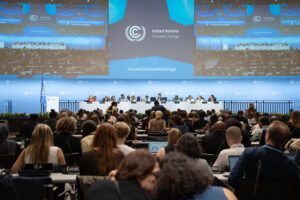
While negotiations at SB64 progressed slowly, cities and regions demonstrated that climate implementation is already underway. Their experiences show why multilevel governance and stronger partnerships are essential to delivering national climate commitments ahead of COP31.
June 23, 2026
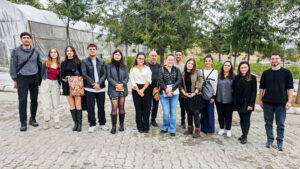
In Izmir, four departments stopped working in silos and built one shared curriculum, with results none of them expected.
June 18, 2026
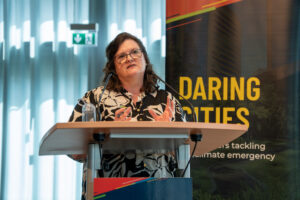
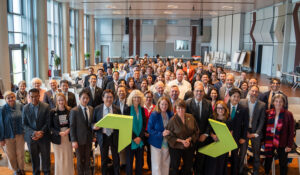
Leaders convened on 10 June at the Daring Cities 2026 Bonn Dialogues Opening Plenary to examine the changing landscape of climate governance and explore how cities and regions can move from ambition to implementation.

June 18, 2026
COP30 has come and gone. NDCs 3.0 are on the table. The global community has made its commitments. The question now is whether and how those commitments will actually be delivered.

June 17, 2026
At the Zero Waste Forum 2026 (5-7 June, Istanbul, Türkiye), cities made the case that transforming waste into a resource is emerging as one of the most practical pathways for delivering climate action, strengthening resilience, and advancing sustainable urban development.

May 28, 2026
Heat Action Day, celebrated every year on 2 June, is a moment to recognize the scale of the challenge and the growing range of responses cities are leading. Across ICLEI's network, those responses take many forms.
May 28, 2026
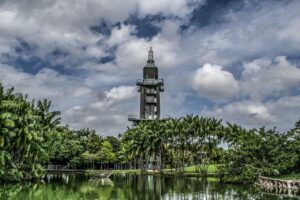
Sitting at the edge of the Amazon rainforest, surrounded by rivers, parks, and some of the richest biodiversity on the planet, Belém seems an unlikely place to talk about heat as a crisis. And yet...
May 12, 2026
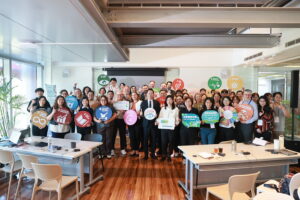
Cities consume over 70% of global energy and account for more than 60% of carbon emissions. With accelerating urbanization, cities...
May 12, 2026
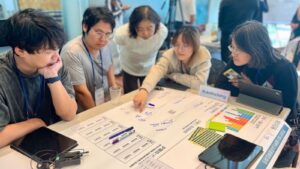
As cities move from planning to implementation, their ambition around climate action is clear. For cities in the Community of Practice, the challenge now is to turn climate action plans into sustained transformation. That means moving from static plans to dynamic pathways, bridging departmental silos, improving public storytelling, and designing policies and projects that activate collaboration with the private sector.

May 7, 2026
Now in its seventh edition, Daring Cities 2026 provides a strategic platform connecting local leadership with national and global climate processes to turn commitments into action.
May 6, 2026
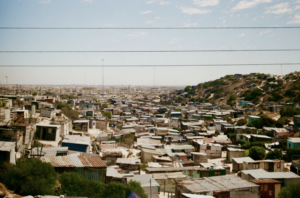
Across Africa, rapid urbanization, affordability gaps, and climate risks are pushing low-income households into informal settlements. Explore how housing inequities deepen poverty and vulnerability, and why housing must be treated as a structural equity issue.

May 6, 2026
Energy shocks are exposing the limits of fossil fuel systems, but cities are showing the way forward. New research highlights how local action is linking energy access, affordability and resilience into one integrated solution.
May 5, 2026
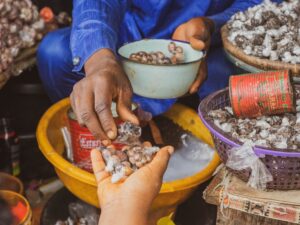
Without equity, circularity risks optimizing food systems without transforming them - a distinction matters for millions of people.
May 4, 2026
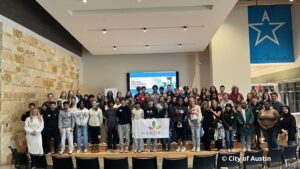
Participation is critical for urban planning but often uneven. To foster inclusive engagement, cities within the Malmö Commitment are experimenting with accessible formats, community partnerships, and linking participation to daily life.

April 22, 2026
After turning 80 in 2025, the United Nations has entered a new era with major reform processes unfolding simultaneously. With only four years until the 2030 Agenda review, multilevel collaboration and urbanization could determine whether multilateralism delivers or falls short.

April 22, 2026
As small-scale farmers steward our soils and nourish our communities, their future is inseparable from that of our planet. As we mark Earth Day (22 April), supporting and valuing their work brings cities and residents into the heart of climate action, strengthening resilient food systems.
April 21, 2026
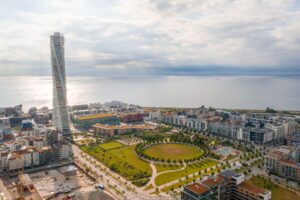
Malmö competes for capital alongside covered bond issuers, national governments, and corporate. How can a city be so successful?

April 1, 2026
Ahead of the First Conference on the Just Transition Away from Fossil Fuels (24–29 April) in Santa Marta, Colombia, local and regional governments are turning this shift into fair, workable change, from energy planning to renewables and workforce reskilling.
March 31, 2026
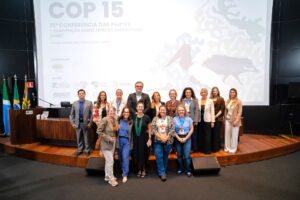
The discussions showed how financing, peer learning, and cooperation across regions can help protect migratory species in the habitats and corridors they depend on.
March 30, 2026
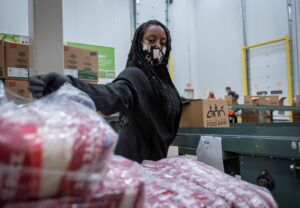
This year’s Zero Waste Day, our focus is on food - an area where the potential for impact is both urgent and transformative. Across four cities, innovative approaches are showing how the loop between farm and fork can be closed through actionable policies and community engagement.
March 10, 2026
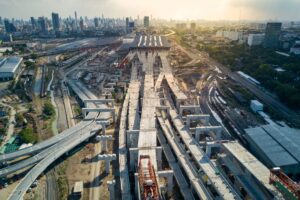
Many local governments still struggle to access affordable, long-term capital at scale. Green finance can help - when it is embedded in systems and treated as an institutional responsibility.
March 10, 2026
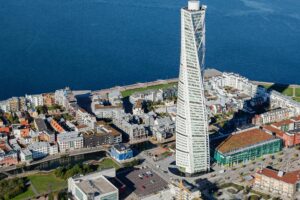
Municipalities pool their borrowing needs, present a combined credit profile to capital markets, issue bonds collectively, and lend the proceeds to member municipalities at lower cost.

March 4, 2026
The impacts of climate hazards are not gender-neutral; women are often among those most affected. As cities make critical decisions on climate policy and resilience investments, Recife, Brazil, is showing how empowering women leaders in vulnerable communities can strengthen climate resilience for all.
March 3, 2026
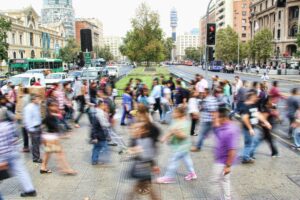
Identifying equity challenges creates better opportunities to build communities where benefits and burdens are fairly shared. Indicators that reflect geographic, social, and economic realities highlight where injustices exist so local governments can focus their efforts effectively.

March 2, 2026
Through ICLEI’s Transformative Actions Program, UrbanShift cities across Asia, Africa, and Latin America are strengthening project design, financial planning, and investor engagement to move from concept to capital.

March 2, 2026
Through several projects, ICLEI supports cities in applying the Gender Equality, Disability and Social Inclusion (GEDSI) approach to climate action by providing capacity-building, technical guidance, and multi-stakeholder engagement to help address inequalities and ensure climate planning and policies are inclusive by design.

February 24, 2026
As more people settle in urban areas, mobility and urban governance become increasingly interconnected. Cities in the Malmö Commitment are integrating mobility into long-term planning for social inclusion, economic vitality and demographic sustainability.
February 12, 2026
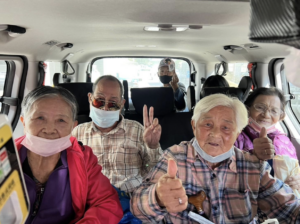
From rural mobility services to neighborhood climate hubs, these cities — on the island of Taiwan and in Germany — show how climate action designed with local organizations can improve daily life, deliver social benefits, and advance climate goals.

January 28, 2026
Across Africa, food entrepreneurs across the coffee, fisheries, poultry, and dairy sectors are reshaping how food is produced, packaged, reused, and valued.

January 19, 2026
While climate resilience assessment tools help cities understand their risks, adaptation projects often need a final push to become a viable investment opportunity.

December 19, 2025
To wrap up 2025, we look back at six stories that resonated most with our readers. From urban biodiversity and nature-based solutions to extreme heat, green finance and global sustainability agendas, these pieces capture a defining year for cities and regions.
December 18, 2025
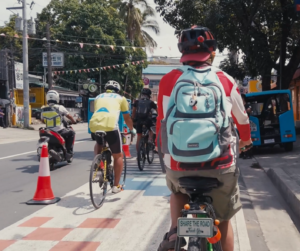
Owning a car is a common aspiration for many Filipinos. But they also believe their cities can be more walking- and cycling-friendly in the future. The SPARK project helped turn that vision into action in Quezon City and Pasig City through tactical urbanism interventions that made streets safer and more accessible for active mobility.
December 17, 2025
Every year, ICLEI works with local and regional governments, partners, leaders and other experts to develop and publish state-of-the-art, context-specific...
December 9, 2025
Across the Malmö Commitment network, cities apply intersectional approaches, showing that equity is an ongoing practice shaped by residents’ realities.
December 8, 2025
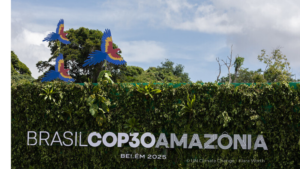
"During the so-called 'implementation COP', the absence of commitments on issues related to urbanization is not a mere technical detail – it is a symptom of a structural gridlock in climate multilateralism. Is the game, then, already lost?" reflects Philip Yang, Special Envoy of the COP30 Presidency for Urban Solutions, in this special guest op-ed.
December 3, 2025
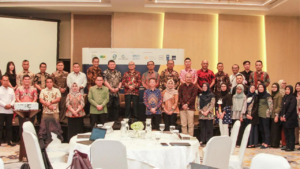
Launching the report “Multilevel Governance for Integrated Urban Planning: A Guide for Multilevel Action based on learnings from UrbanShift.”
December 3, 2025
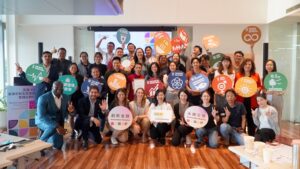
Insights from the second in-person workshop series of the Kaohsiung-ICLEI Climate Neutral and Smart Cities Community of Practice.
December 2, 2025
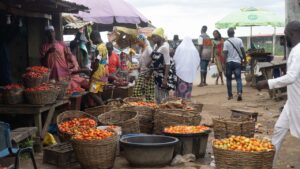
Developed under the AfriFOODlinks project, the Cultivate Marketplace is a city-led initiative designed to transform how municipalities and funders meet, learn from each other, and build investable pathways together.
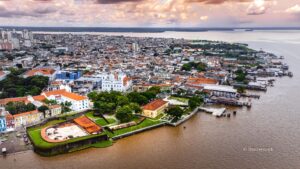
November 26, 2025
Belém, host city of COP30, shows that protecting the Amazon means empowering its cities and people. Through its Local Climate Action Plan, nature-based solutions and a 2050 vision of climate neutrality, the city is positioning itself as a model of climate resilience and sustainability
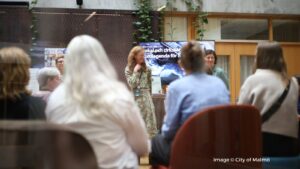
November 21, 2025
This blog was written by Jannis Niethammer and co-authored by Emily West and Daniel Botha from ICLEI Europe. Climate action...
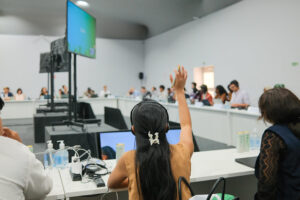
November 17, 2025
17-18 November are COP30’s days to elevate both planetary and community stewardship, with a spotlight on youth. For young people - and particularly YOUNGO, the official children and youth constituency within the UNFCCC process - COP30 is an opportunity to continue advocating for multi-generational priorities into the proceedings.

November 6, 2025
As a signatory to the Climate Champions’ Food Systems Call to Action, ICLEI’s Global CityFood Program will showcase city-led solutions and its commitment to a just transition and collective action across several COP30 events.

July 1, 2025
Local and regional governments are paying attention to the multilateral oceans agenda because of the myriad ways life in coastal cities, towns and regions depends on the health and sustainability of our oceans.
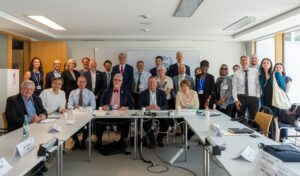
June 23, 2025
The 2nd CHAMP UNFCCC Focal Point Dialogue provided a platform for national government endorsers and their strategic partners to assess progress and guide CHAMP’s implementation toward COP30.

June 17, 2025
Born from the 1992 Earth Summit in Rio de Janeiro, these three multilateral environmental agreements have shaped how the international community approaches global environmental challenges.

June 12, 2025
What if your coffee cup or takeout container didn’t end up in the trash, but went back into circulation, reducing waste, cutting emissions, and sparking local innovation and green jobs? Explore lessons from the Circular City Labs project.

June 10, 2025
Town Hall COPs are redefining what inclusive, multilevel climate governance looks like on the road to COP30.

June 4, 2025
As grants become scarcer, subnational governments can use Public-Private Partnerships (PPPs) to overcome funding gaps and drive sustainable, inclusive infrastructure.

June 1, 2025
The Kaohsiung–ICLEI Climate Neutral and Smart Cities Community of Practice delivered its first in-person capacity-building workshop series, providing strategic tools to advance urban transformation through circular development and agenda-serving innovation.

May 30, 2025
Under the theme “Stronger national climate plans through multilevel action,” the sixth edition of Daring Cities aims to serve as a pivotal platform for local and regional governments to influence global climate negotiations. Explore what Daring Cities 2025 is bringing to the table.
May 20, 2025
Urban growth is shrinking natural habitats, but cities also hold the key to reversing biodiversity loss. As epicenters of change, local governments have the power to turn the tide. Here are 10 reasons why they should act now.

May 19, 2025
The Seoul Metropolitan Government, Republic of Korea, has implemented a comprehensive set of ambitious initiatives to reduce greenhouse gas emissions, with a particular focus on transportation and building efficiency.

April 22, 2025
The launch of the LGMA National Coordination Group in Brasília marks a major milestone for climate federalism and multilevel governance in Brazil. Co-organized by ICLEI, the group brings together national ministries, local leaders, and civil society to ensure subnational voices help shape Brazil’s role at COP30.
April 17, 2025
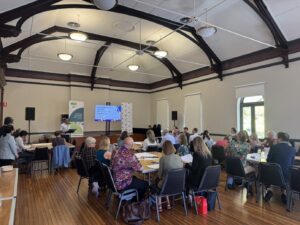
On 13 March 2025, Greater Sydney hosted one of the first Town Hall COPs for 2025 - part of a growing global effort to place local priorities at the center of national and international climate decision-making.

April 17, 2025
Looking ahead to COP30, what cities and regions do in advance of this global climate summit may matter more than the conference itself. On the road to Belém, local and regional governments have a unique opportunity to engage with their national governments, shift the trajectory of the climate emergency, and push for inclusive, multilevel climate action.

March 26, 2025
Who owns the land, and who gets to decide how it’s used? These questions are not just about property—they are about power, rights, and justice. Explore the vital connections between urban and rural areas and the role of gender justice in sustainable land management.

July 15, 2024
Building on the unprecedented COP28's multilevel action momentum and with the upcoming COP16 and COP29 by year-end, cities and regions have an actual window of opportunity to amplify their voices in the global climate discussions. At the ICLEI World Congress 2024 plenary, “From Global to Local to Global: Shaping the Future of Sustainability,” mayors and climate leaders emphasized that now is the time for local and regional governments to push for unified, cross-government action to achieve the urgently needed transformations toward a sustainable world.

July 15, 2024
During the ICLEI World Congress 2024 closing plenary on 21 June, Katja Dörner, Mayor of Bonn, Germany, and chair of the Climate Action Governance Portfolio for the ICLEI Global Executive Committee, called on urban leaders to proactively engage with their national governments and local government associations to enhance NDCs by 2025 and support CHAMP. National associations of local governments – under the leadership of ICLEI governance Members - in Germany, Brazil, and the U.S. have pledged to CHAMP, pioneering a global movement to push for stronger local involvement in national climate plans.

July 15, 2024
This piece was written by Anna Aaen, Deputy Mayor, City of Aalborg, Denmark, following the Copenhagen Climate Ministerial hosted by the city of Elsinore on 21-22 March 2024. It is a wonderful feeling to leave a meeting filled with energy and motivation. And it is even better when the meeting’s agenda is both significant and challenging – namely, global climate action at the local level.

June 24, 2024
From June 18 to 21, over 1,500 global attendees converged in São Paulo, Brazil, to celebrate the vital role of international networks in connecting cities, towns, regions, and communities. During the Congress' closing plenary, ICLEI leaders underscored the power of collaboration and knowledge exchange in advancing local sustainability efforts and tackling shared challenges, propelling the much-needed global transformations.

June 21, 2024
Amazonian cities are diverse in opportunities and needs. The region’s biodiversity is amongst the world’s most important but its cities’ sustainability challenges are less well-known. These jurisdictions require financial support and capacity building to create sustainable, conservation-oriented, equitable, nature-based spaces with circular development. At the ICLEI World Congress, mayors from this region convened to amplify the voices of these unique cities.
February 18, 2026
*This blog was written by Liz Cormack and Ana María Cruz Ochoa, both from ICLEI World Secretariat. What does it...