What can cities actually do to decarbonize industry? Five approaches in action
While local governments may not regulate major industries directly, they are indispensable enablers of industrial mitigation ambition and implementation.

While local governments may not regulate major industries directly, they are indispensable enablers of industrial mitigation ambition and implementation.
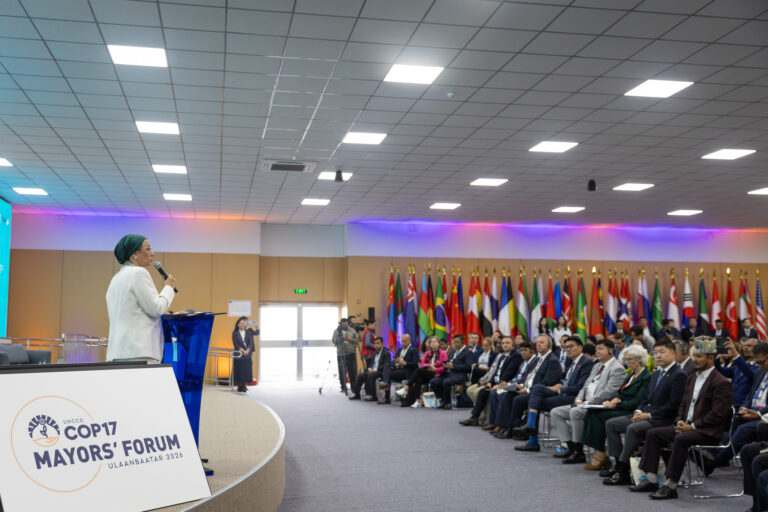
The Ulaanbaatar Declaration emerging from the UNCCD COP17 Mayors’ Forum entered the formal record of a UNCCD COP, a first for cities and regions. COP17 also advanced finance and built momentum for greater coherence across the Rio Conventions, with the biodiversity and climate COPs and the UN Water Conference next.
What happens when water scarcity is no longer temporary? The concept of “water bankruptcy,” developed by 2026 Stockholm Water Prize…
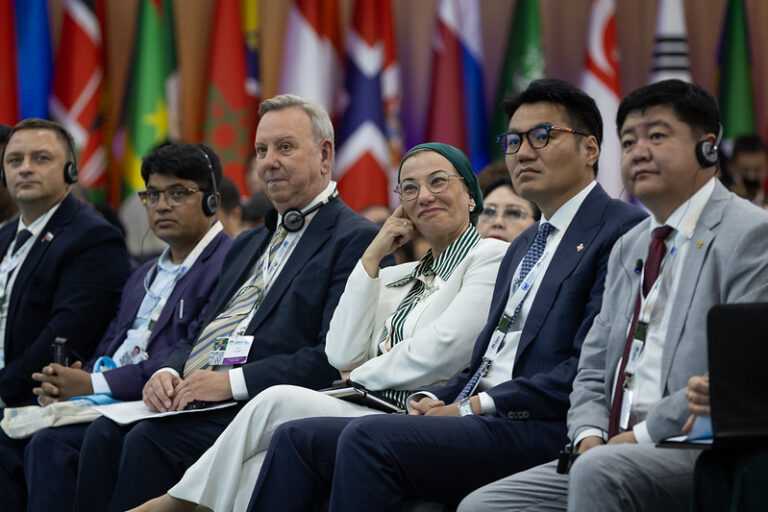
In Ulaanbaatar, Mongolia, local and regional leaders called for a stronger voice, greater resources and a more structured role in the global response to land degradation, desertification and drought.
The forthcoming Intergovernmental Panel on Climate Change (IPCC) Special Report on Climate Change and Cities (SR-Cities) could become a major scientific and political resource for urban climate action. But whether it does will depend on work already underway to translate evidence into stronger multilevel governance, practical tools, investment-ready solutions, and locally meaningful narratives.
ICLEI emphasized the indispensable role of local and regional governments in delivering global commitments and helping shape the international framework that will succeed them.
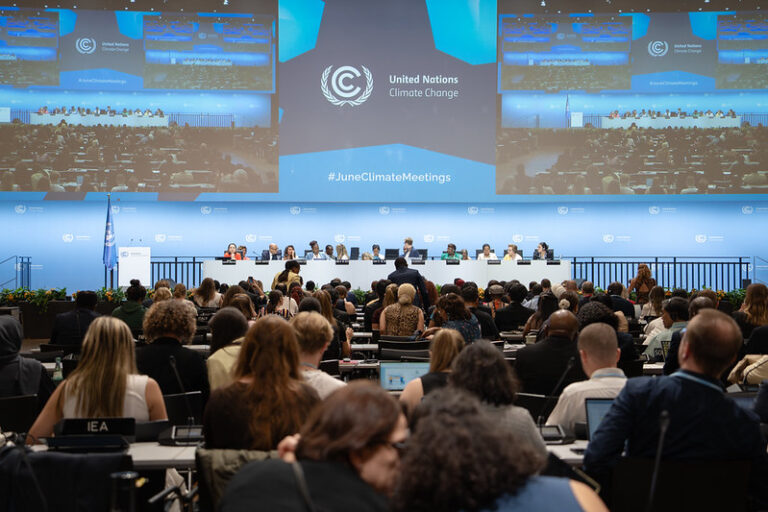
While negotiations at SB64 progressed slowly, cities and regions demonstrated that climate implementation is already underway. Their experiences show why multilevel governance and stronger partnerships are essential to delivering national climate commitments ahead of COP31.

COP30 has come and gone. NDCs 3.0 are on the table. The global community has made its commitments. The question now is whether and how those commitments will actually be delivered.
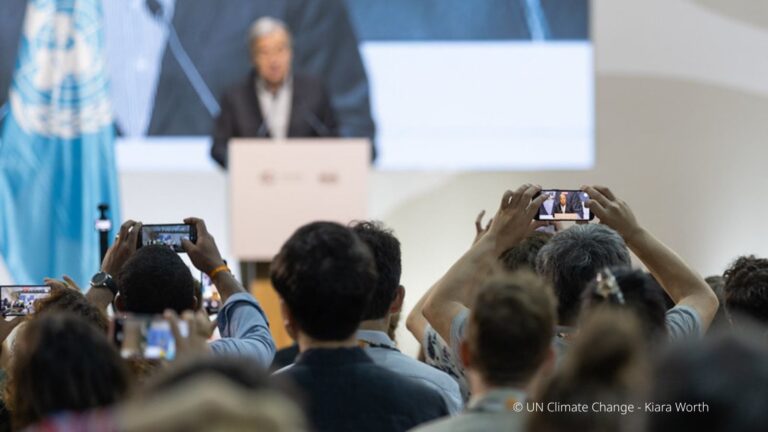
After turning 80 in 2025, the United Nations has entered a new era with major reform processes unfolding simultaneously. With only four years until the 2030 Agenda review, multilevel collaboration and urbanization could determine whether multilateralism delivers or falls short.

For better or worse, the year ahead brings a mix of reforms, political shifts and global milestones that will shape how urban sustainability agendas are governed and delivered. Here’s what local and regional governments should be on the lookout for this year.
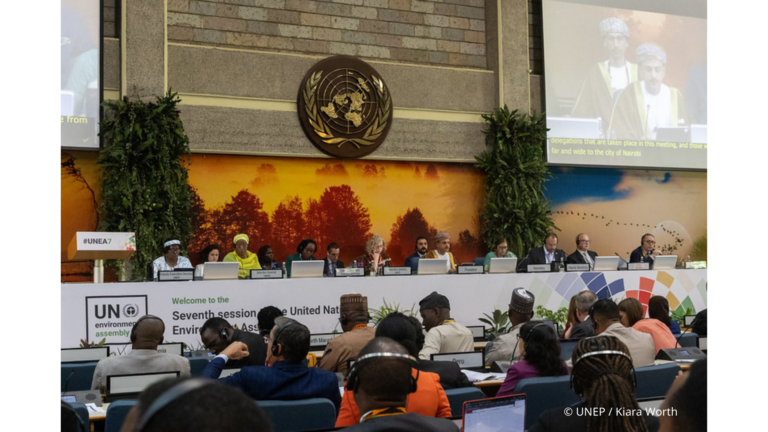
As co-focal point of the Local Authorities Major Group, ICLEI ensures cities’ and regions’ voices are represented in the UNEA process, with subnationals calling for stronger synergies with the Rio Conventions and other Multilateral Environmental Agreements.
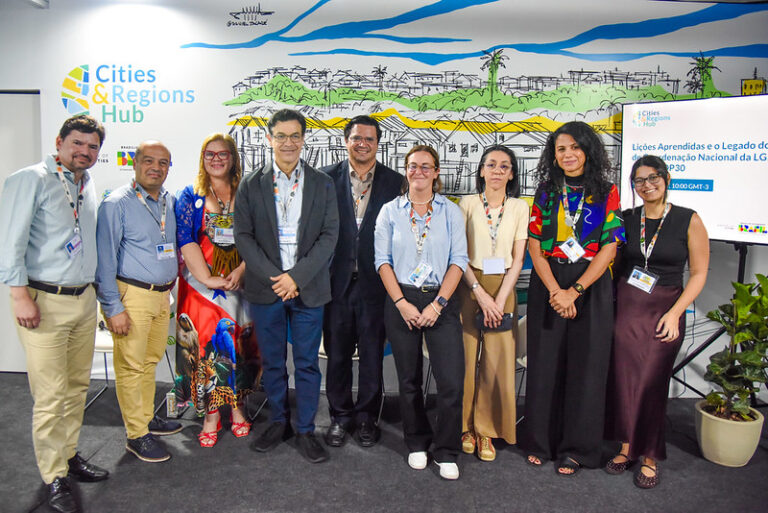
Brazil’s pioneering multilevel coordination effort is reshaping multilevel governance and collaboration at home and inspiring global pathways. From the beginning, the intention of this group was to bring climate federalism to life: National, state, and local actors aligning positions, sharing knowledge, and building a unified narrative that could travel from the streets of Brazilian cities to the negotiation rooms of the UNFCCC.