What cities need to unlock the net-zero transition: Lessons from the Kaohsiung-ICLEI Community of Practice
Cities consume over 70% of global energy and account for more than 60% of carbon emissions. With accelerating urbanization, cities…
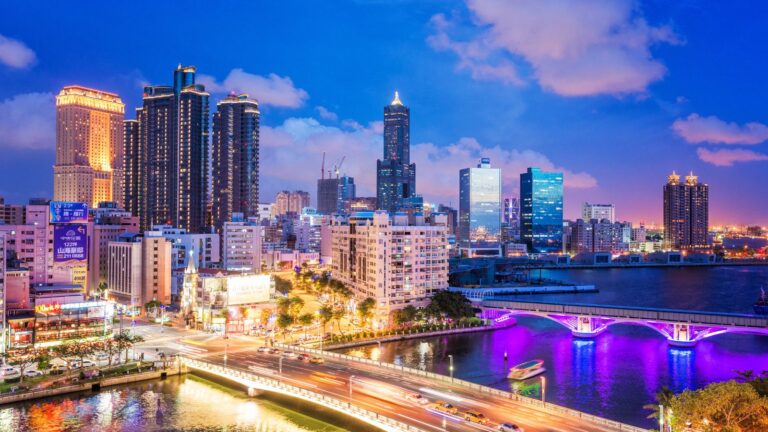
As cities move from planning to implementation, their ambition around climate action is clear. For cities in the Community of Practice, the challenge now is to turn climate action plans into sustained transformation. That means moving from static plans to dynamic pathways, bridging departmental silos, improving public storytelling, and designing policies and projects that activate collaboration with the private sector.
Energy shocks are exposing the limits of fossil fuel systems, but cities are showing the way forward. New research highlights how local action is linking energy access, affordability and resilience into one integrated solution.
After turning 80 in 2025, the United Nations has entered a new era with major reform processes unfolding simultaneously. With only four years until the 2030 Agenda review, multilevel collaboration and urbanization could determine whether multilateralism delivers or falls short.
As small-scale farmers steward our soils and nourish our communities, their future is inseparable from that of our planet. As we mark Earth Day (22 April), supporting and valuing their work brings cities and residents into the heart of climate action, strengthening resilient food systems.
Malmö competes for capital alongside covered bond issuers, national governments, and corporate. How can a city be so successful?
Ahead of the First Conference on the Just Transition Away from Fossil Fuels (24–29 April) in Santa Marta, Colombia, local and regional governments are turning this shift into fair, workable change, from energy planning to renewables and workforce reskilling.
The discussions showed how financing, peer learning, and cooperation across regions can help protect migratory species in the habitats and corridors they depend on.
This year’s Zero Waste Day, our focus is on food – an area where the potential for impact is both urgent and transformative. Across four cities, innovative approaches are showing how the loop between farm and fork can be closed through actionable policies and community engagement.
Many local governments still struggle to access affordable, long-term capital at scale. Green finance can help – when it is embedded in systems and treated as an institutional responsibility.
Municipalities pool their borrowing needs, present a combined credit profile to capital markets, issue bonds collectively, and lend the proceeds to member municipalities at lower cost.
Through ICLEI’s Transformative Actions Program, UrbanShift cities across Asia, Africa, and Latin America are strengthening project design, financial planning, and investor engagement to move from concept to capital.