What can cities actually do to decarbonize industry? Five approaches in action
While local governments may not regulate major industries directly, they are indispensable enablers of industrial mitigation ambition and implementation.

It curbs climate change, creates economic opportunities, and improves health by cutting emissions, promoting renewables, and using nature-based solutions.
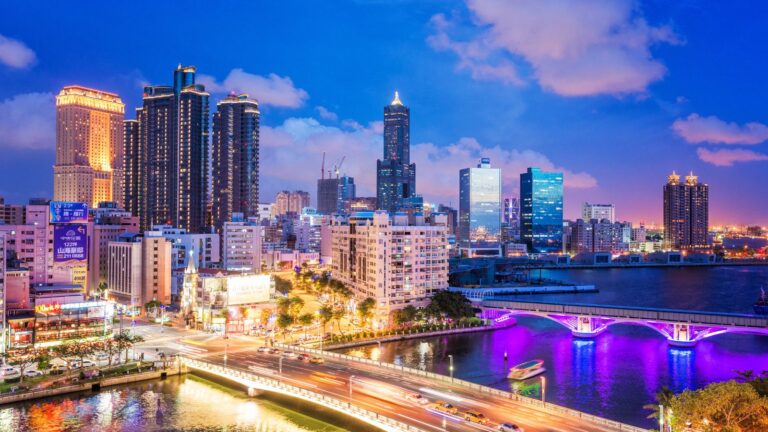
While local governments may not regulate major industries directly, they are indispensable enablers of industrial mitigation ambition and implementation.
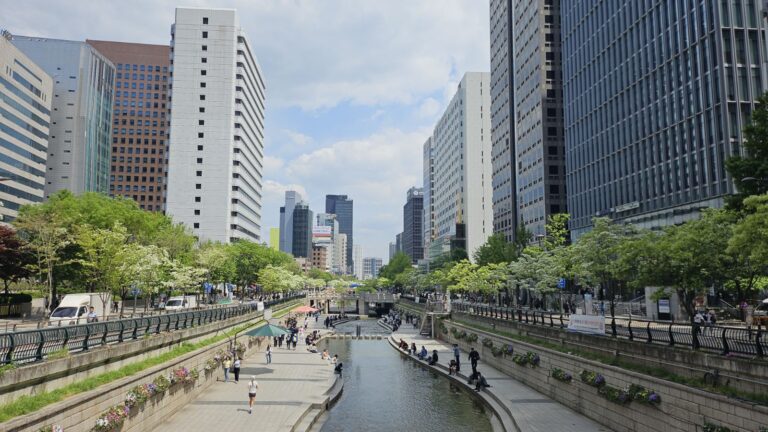
Clearer air, less noise and cleaner streets. Discover how Seoul, Republic of Korea, is reducing the environmental impact of urban development while protecting people and the environment.
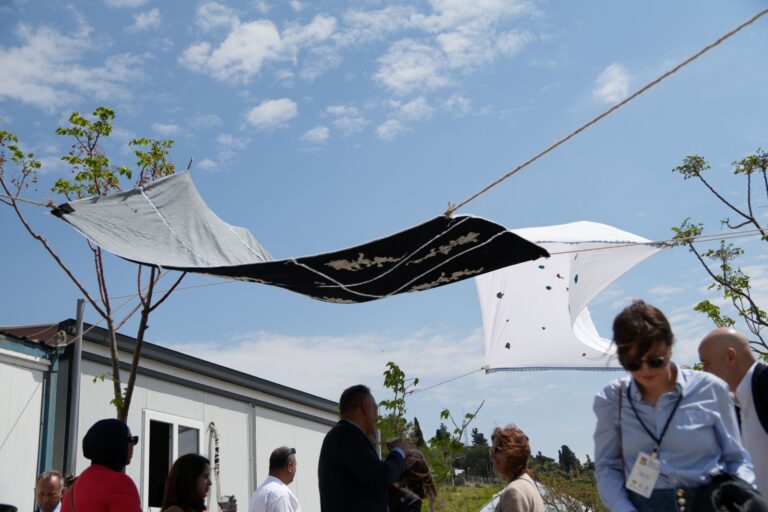
Heat Action Day, celebrated every year on 2 June, is a moment to recognize the scale of the challenge and the growing range of responses cities are leading. Across ICLEI’s network, those responses take many forms.
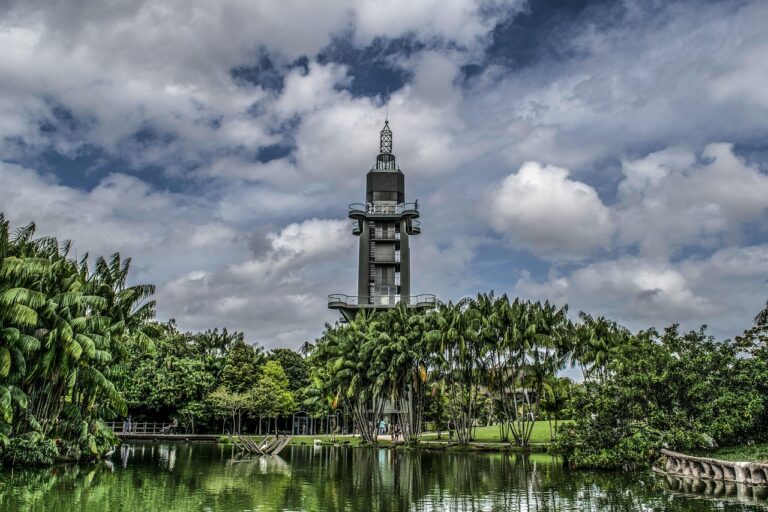
Sitting at the edge of the Amazon rainforest, surrounded by rivers, parks, and some of the richest biodiversity on the planet, Belém seems an unlikely place to talk about heat as a crisis. And yet…
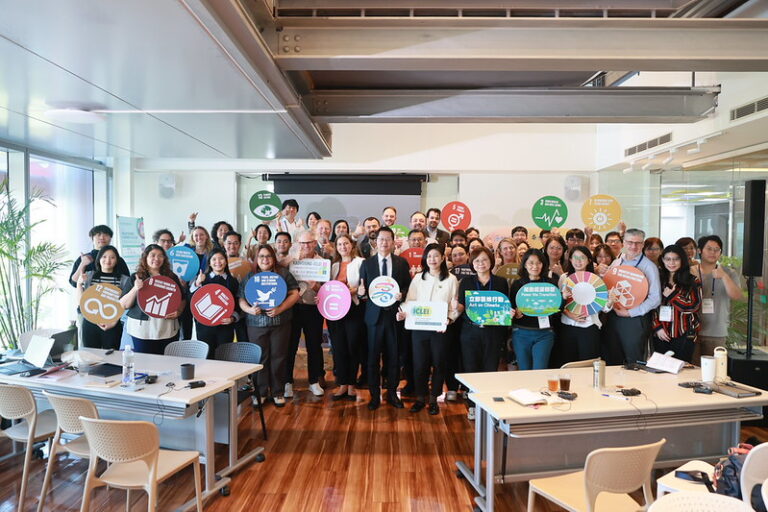
Cities consume over 70% of global energy and account for more than 60% of carbon emissions. With accelerating urbanization, cities…
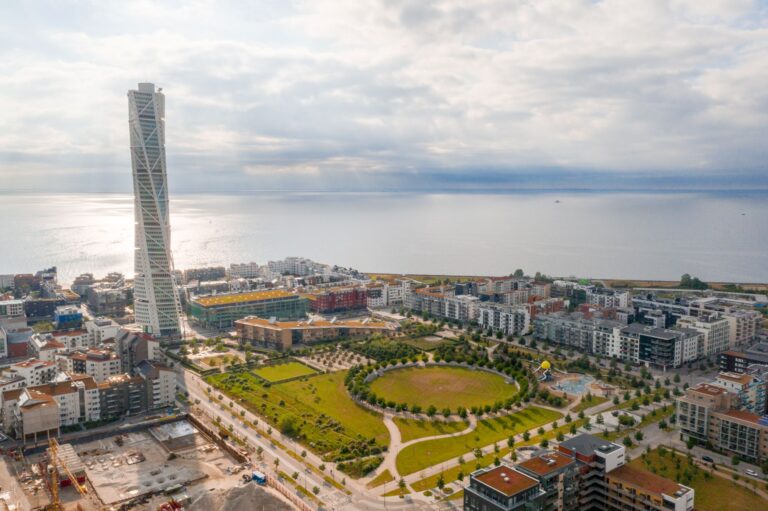
Malmö competes for capital alongside covered bond issuers, national governments, and corporate. How can a city be so successful?
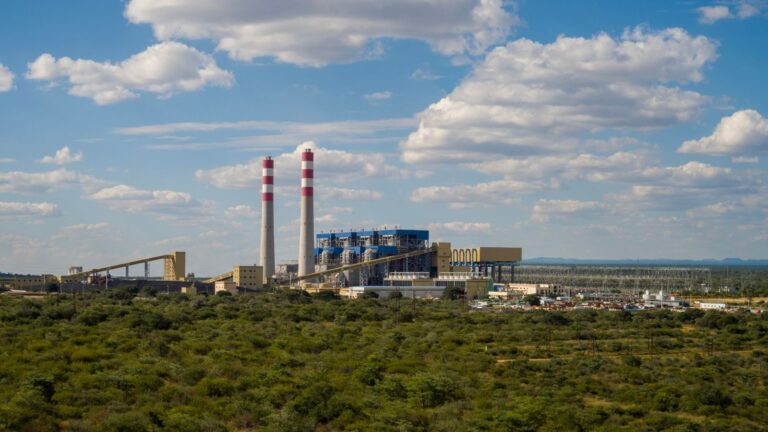
Ahead of the First Conference on the Just Transition Away from Fossil Fuels (24–29 April) in Santa Marta, Colombia, local and regional governments are turning this shift into fair, workable change, from energy planning to renewables and workforce reskilling.
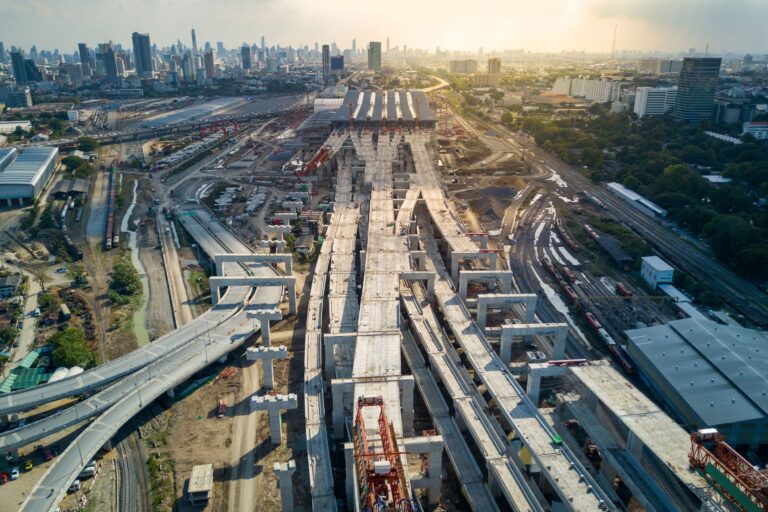
Many local governments still struggle to access affordable, long-term capital at scale. Green finance can help – when it is embedded in systems and treated as an institutional responsibility.
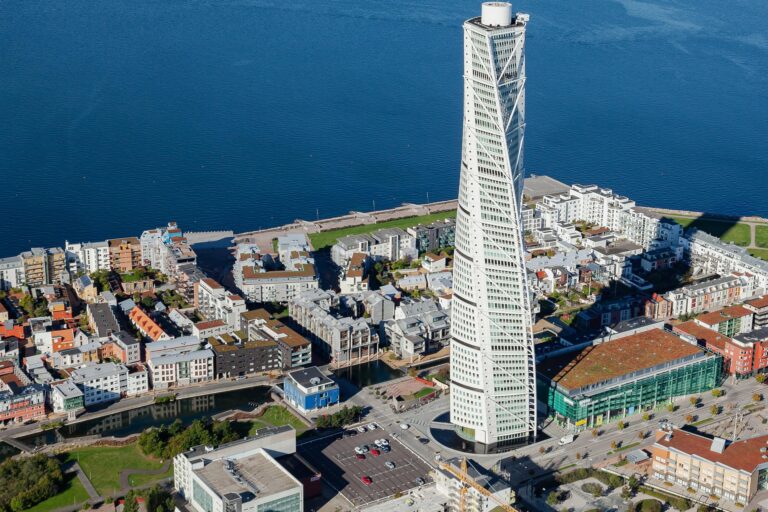
Municipalities pool their borrowing needs, present a combined credit profile to capital markets, issue bonds collectively, and lend the proceeds to member municipalities at lower cost.
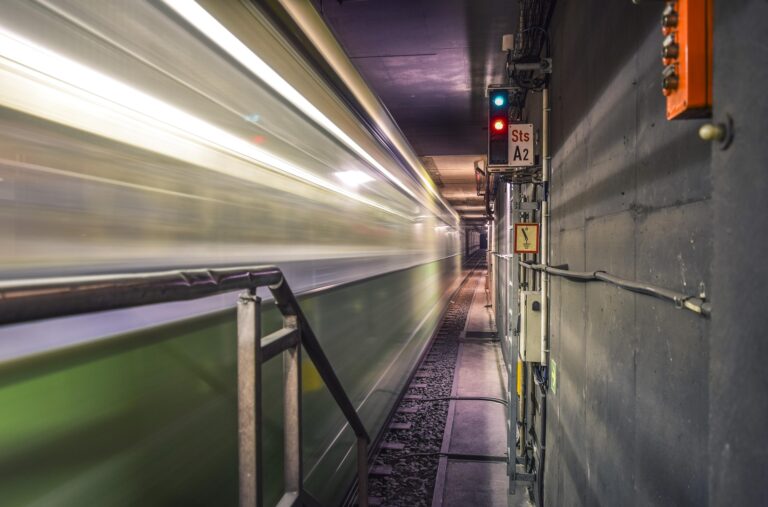
Through ICLEI’s Transformative Actions Program, UrbanShift cities across Asia, Africa, and Latin America are strengthening project design, financial planning, and investor engagement to move from concept to capital.

Owning a car is a common aspiration for many Filipinos. But they also believe their cities can be more walking- and cycling-friendly in the future. The SPARK project helped turn that vision into action in Quezon City and Pasig City through tactical urbanism interventions that made streets safer and more accessible for active mobility.
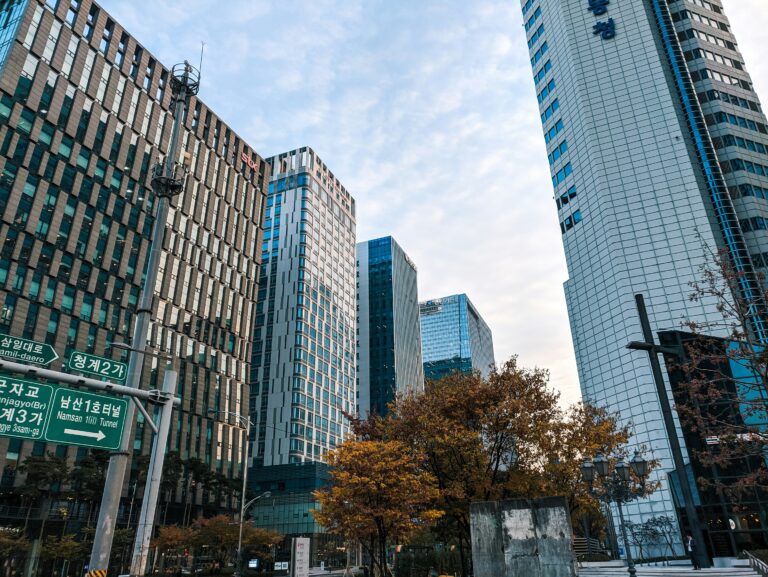
Seoul is finding clean energy where most cities don’t look: Underground geothermal power, sewage-to-electricity systems, and solar built into windows, walls, and façades. With little land to spare, Seoul is proving that climate solutions can be bold and still blend seamlessly into everyday urban life.