When the heat rises, cities act
Heat Action Day, celebrated every year on 2 June, is a moment to recognize the scale of the challenge and the growing range of responses cities are leading. Across ICLEI’s network, those responses take many forms.
It anticipates, prevents, absorbs, and recovers from shocks, especially those from rapid environmental, technological, social, and demographic changes while strengthening response systems and addressing the needs of vulnerable groups in our society.
Heat Action Day, celebrated every year on 2 June, is a moment to recognize the scale of the challenge and the growing range of responses cities are leading. Across ICLEI’s network, those responses take many forms.
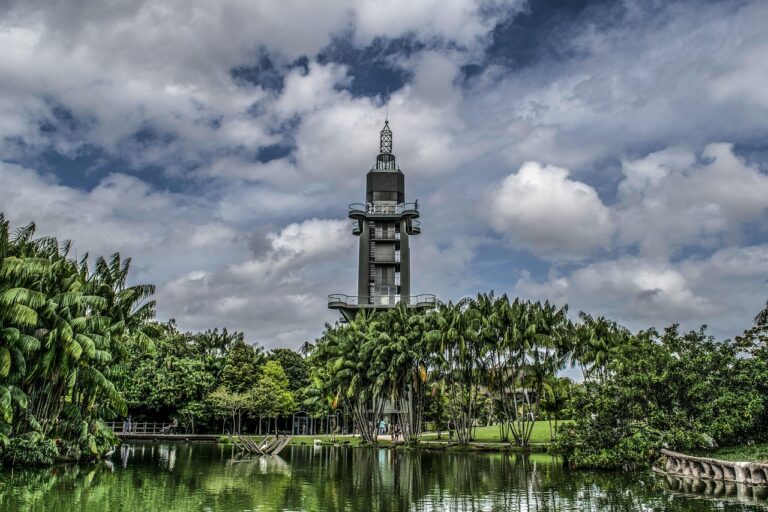
Sitting at the edge of the Amazon rainforest, surrounded by rivers, parks, and some of the richest biodiversity on the planet, Belém seems an unlikely place to talk about heat as a crisis. And yet…
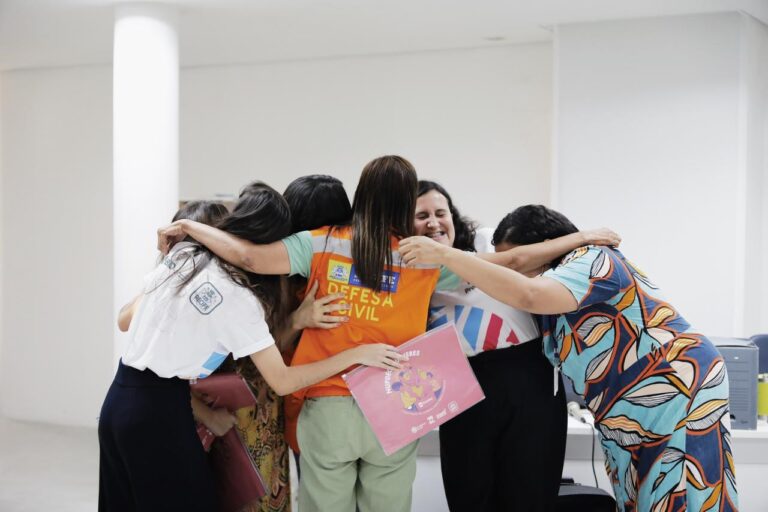
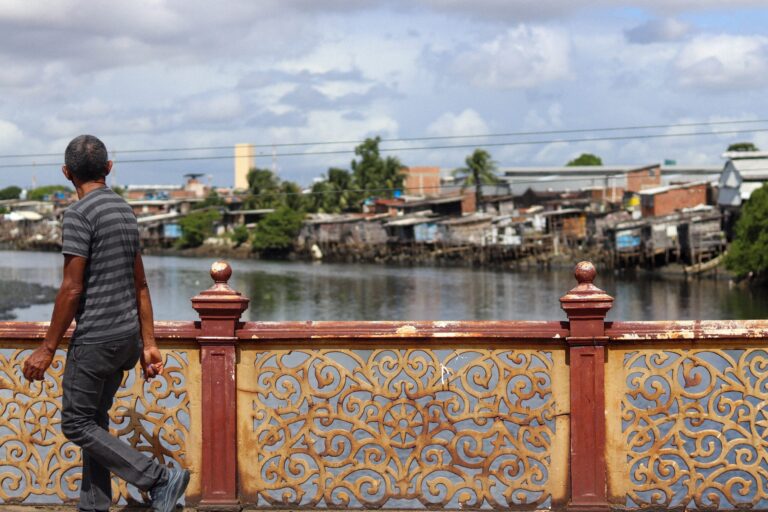
The impacts of climate hazards are not gender-neutral; women are often among those most affected. As cities make critical decisions on climate policy and resilience investments, Recife, Brazil, is showing how empowering women leaders in vulnerable communities can strengthen climate resilience for all.
Through ICLEI’s Transformative Actions Program, UrbanShift cities across Asia, Africa, and Latin America are strengthening project design, financial planning, and investor engagement to move from concept to capital.
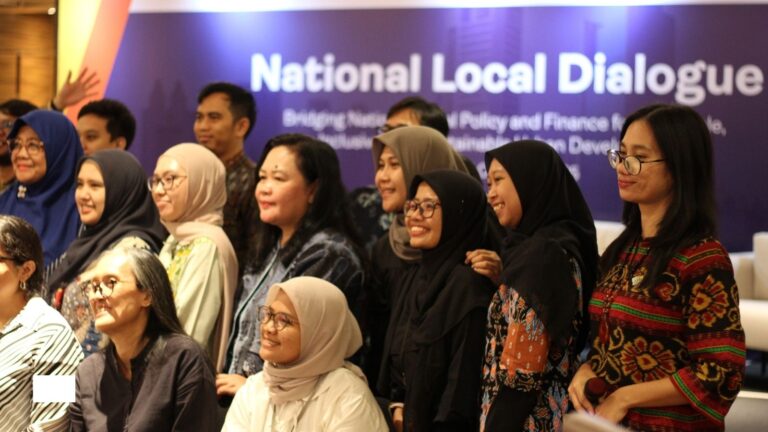
Through several projects, ICLEI supports cities in applying the Gender Equality, Disability and Social Inclusion (GEDSI) approach to climate action by providing capacity-building, technical guidance, and multi-stakeholder engagement to help address inequalities and ensure climate planning and policies are inclusive by design.
While climate resilience assessment tools help cities understand their risks, adaptation projects often need a final push to become a viable investment opportunity.
The Urban Infrastructure Insurance Facility (UIIF), introduces an innovative way for cities in Latin America and the Caribbean to access climate adaptation financing, including the insurance market, collectively pool risk, and protect critical infrastructure and vulnerable populations.
Food systems, by their very nature, cross boundaries. That’s why FoodCLIC is expanding both the sectors of knowledge involved and the geographies engaged.
Through the IKI-funded Blue-Green Development in Kiribati project, communities in South Tarawa pair local know-how with practical tools to boost food security and strengthen resilience, proving that land-based, nutritious food systems can thrive even in fragile atoll landscapes.
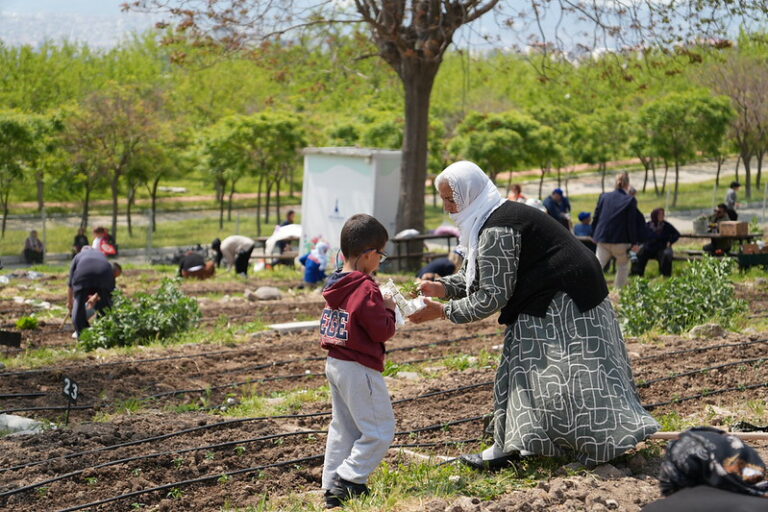
Building child-friendly cities is a climate adaptation strategy. In Austria, Graz and Feldbach prove it works.
In fiscal year 2024, ICLEI Members in Japan engaged in various activities connected to ICLEI’s five pathways toward sustainable urban…
Water is a “blue thread” connecting human rights, the SDGs, and the three Rio Conventions on climate, biodiversity, and land. Embedding water resilience into urban planning is not optional; it is essential for climate-smart, inclusive, and livable cities, and local and regional governments are already delivering. Explore how we are supporting them to step up to the challenge and scale their impact.