Earth Day 2026: If you ate fresh food today, thank a farmer
Farmers are the backbone of our food system. In our highly globalized world, they nevertheless operate under increasing pressures from rising production costs, volatile markets, limited access to land and the impacts of climate change – factors that threaten the livelihoods especially of small-scale farmers who produce ⅓ of food on our planet.
Cities, where 70% of food is consumed, are uniquely positioned to provide an enabling environment that addresses these barriers, with fresh food markets in particular serving as key leverage points. Whether through investments in markets and infrastructure, capacity support, procurement, land-use planning and inclusion in policy dialogues, cities can help farmers in making living wages while ensuring access to healthy food for residents.
In the recent webinar hosted by ICLEI CityFood and the Global Alliance for Improved Nutrition (GAIN), we brought together city representatives, researchers and practitioners to explore how cities can better support smallholder farmers and strengthen urban-rural linkages. For a snapshot of city practices, read on:
Agroecology and agroforestry in Durban, South Africa and Porto Alegre, Brazil
In numerous cities around the world, training farmers in agroecology and agroforestry is being advanced as both an environmental and social strategy, allowing farmers to reduce costs and dependence on imported inputs while improving soil health.
In addition to direct support to farmers in the form of training on agro ecology, provision of implements, tools, seeds and seedlings, the city of Durban supports farmers in certifying their organic produce, which they can sell directly at city-run markets including the Woza Nami Organic Culture Farmers Market operating Saturdays at the City’s Inchanga Agro Ecology Hub. The Hub also facilitates initiatives including farmer-to-farmer learning journeys and nutrition workshops.
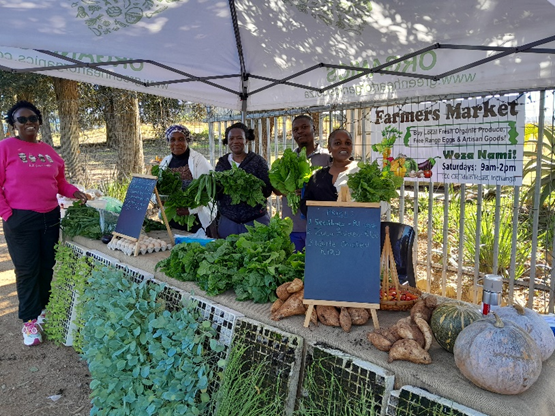
© Agro-Ecology Unit, eThekwini Municipality
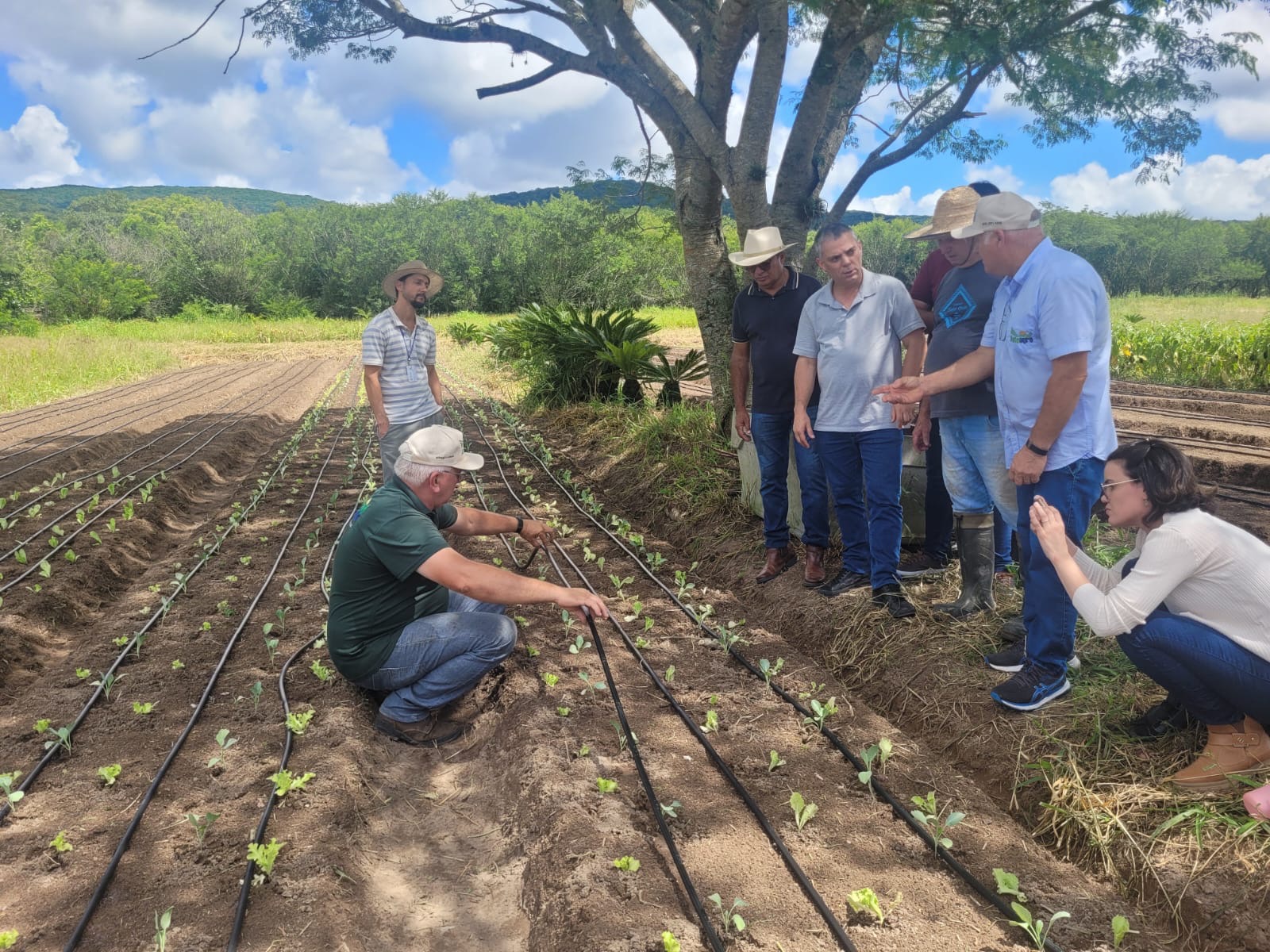
Speaking about training and capacity building with farmers, the city representative from Porto Alegre emphasized that the goal is not to impose certain methods onto the farmers they work with, but rather, to stimulate and inspire farmers to give them a perspective, a present, and a future. In the last two years, Porto Alegre has also been developing a comprehensive strategy to supply food produced through agroforestry systems to the municipal school network. To tackle logistical challenges, the city government provided a refrigerated truck and supported producers’ organization to prepare them for regular supply.
Policy dialogues with farmers in Sandhikharka, Nepal
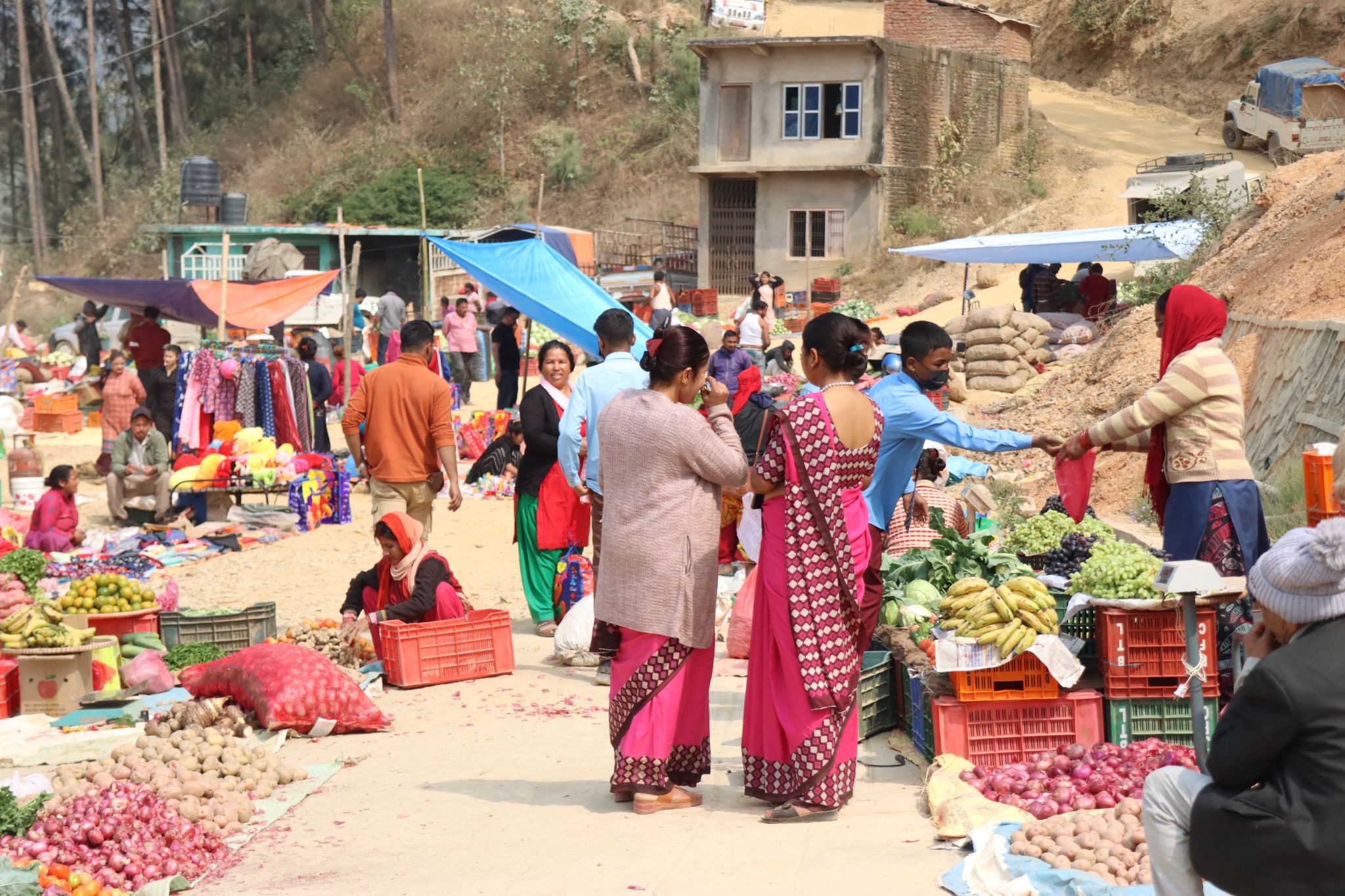
On Tuesdays and Thursdays, Sandhikharka’s weekly municipal haat (an open-air periodic market dating back five decades) connects rural farmers with urban consumers. In March 2020, the COVID-19 lockdown led to market closures, causing women farmers’ incomes to decrease by nearly 50%. Supported by a team of researchers at the South Asia Institute of Advanced Studies, dialogues between farmers, the municipality, and local entrepreneurs nevertheless contributed to the reopening of the market, showing the importance of participatory governance and planning. As a result, the municipal government developed formal guidelines to institutionalize and sustain the haat, ensuring smallholder women farmers can access and benefit from it directly.
Farmer’s markets and land access in Pittsburgh, USA
The City of Pittsburgh is the core of the Greater Pittsburgh metropolitan area, which stretches across Western Pennsylvania with nearly 2.5 million people. With the city government’s jurisdiction extending only to Pittsburgh’s municipal boundaries, the city focuses on what it can directly impact, including zoning, land use, staffing, and direct programming, such as the CitiParks Farmers Markets program under the city’s Parks and Recreation Department.
In addition to supporting market access for farmers, the City of Pittsburgh complements such efforts through a range of initiatives, including a Vendor Advisory Committee to integrate farmer voices into policy, the Good Food Purchasing Program linking local producers to public institutions, and offering general support and training programs for people interested in agriculture.
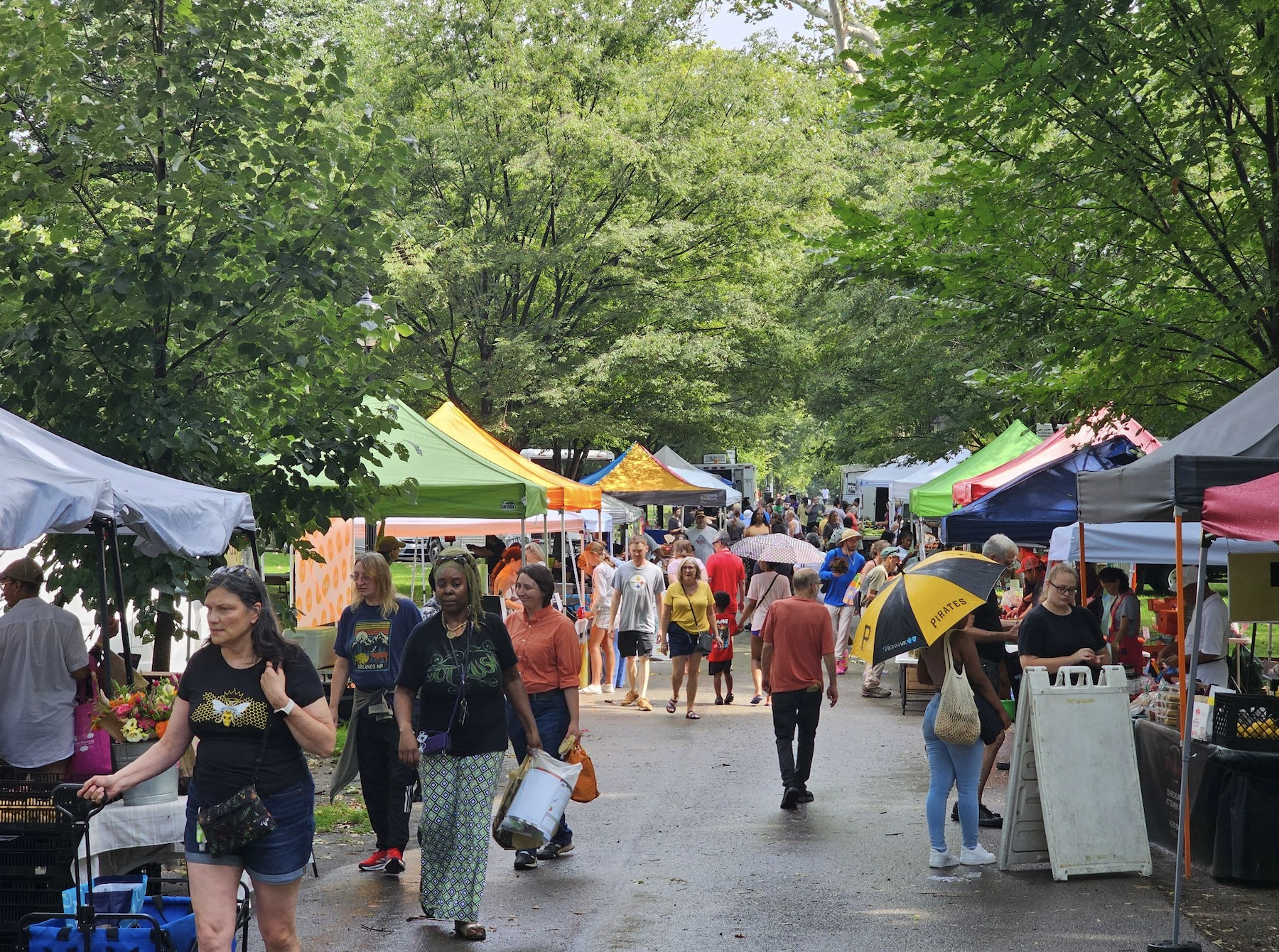
Amid the record-high land prices, gaining access to the Squirrel Hill Farmers Market in 2023 through the City of Pittsburgh marked a defining turning point for JohnPaul’s Farm. With a clear understanding of local demand, the farm was able to confidently take on larger loans and invest in farm infrastructure. As a result, JohnPaul’s Farm now produces three times of its original volume. This growth has created a ripple effect, allowing it to donate produce to its local food pantry and support its community.
Integrated food systems governance in Fort Portal, Uganda
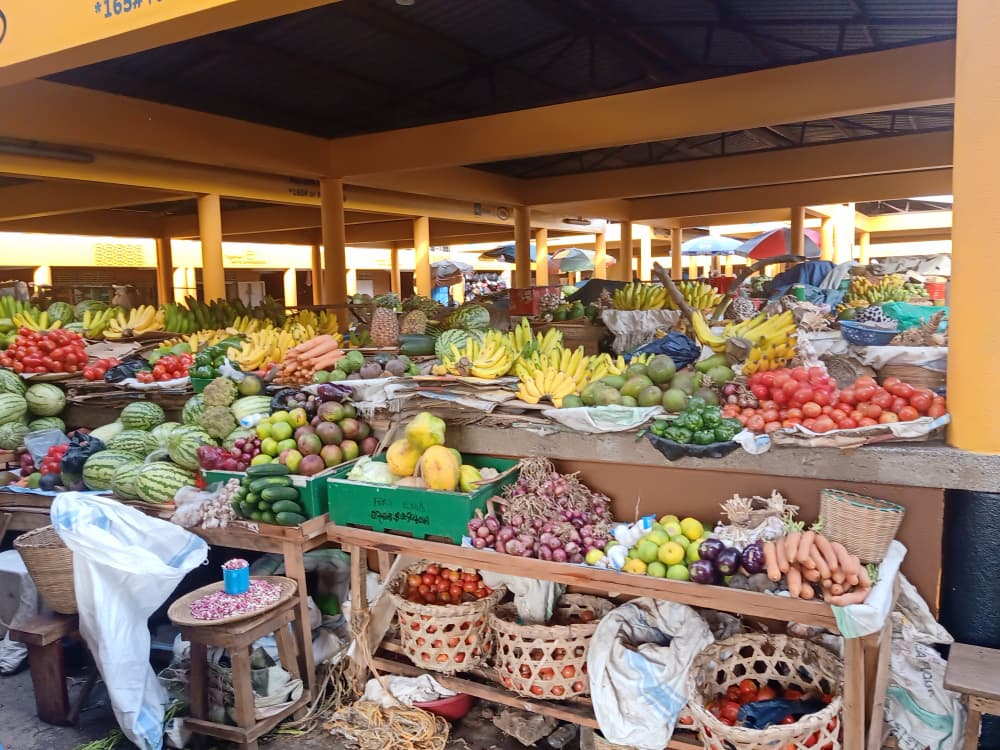
To address the juxtaposition of being a major food producer with the fact that food insecurity is still prevalent, the City of Fort Portal, in partnership with the Kabarole Research and Resource Centre (KRC), has adopted an integrated approach, working with actors from across the city’s entire food system. Farmers are trained in agroecology and nutrition-sensitive production, and their produce is certified under the Rwenzori Fresh brand to ensure quality and build consumer trust. The food is aggregated to guarantee volumes and consistency, and then supplied to urban markets, vendors, and institutions such as schools. Ultimately, residents are able to access safe, diverse, and traceable food.
Supporting access and farmer incomes through digital marketing in Turin, Italy and Turrialba, Costa Rica
In Turin, markets have a rich tradition, with long-standing efforts such as Slow Food’s Terra Madre campaign, which, since 2010, continues to give farmers a global voice, celebrating sustainable food production and cultural heritage. The city supports small-scale farmers through 14 dedicated farmers’ markets, creating reliable spaces for farmers to sell directly to consumers. Through its app Torino Mercati, available in Italian, English, and French, residents and tourists alike have access to information on all 40 municipal markets, their operating hours, and typical products sold. A delivery service using cargo bikes and recyclable packaging was also piloted, allowing consumers to order directly from market vendors online, while maintaining the option to visit in-person on weekends.
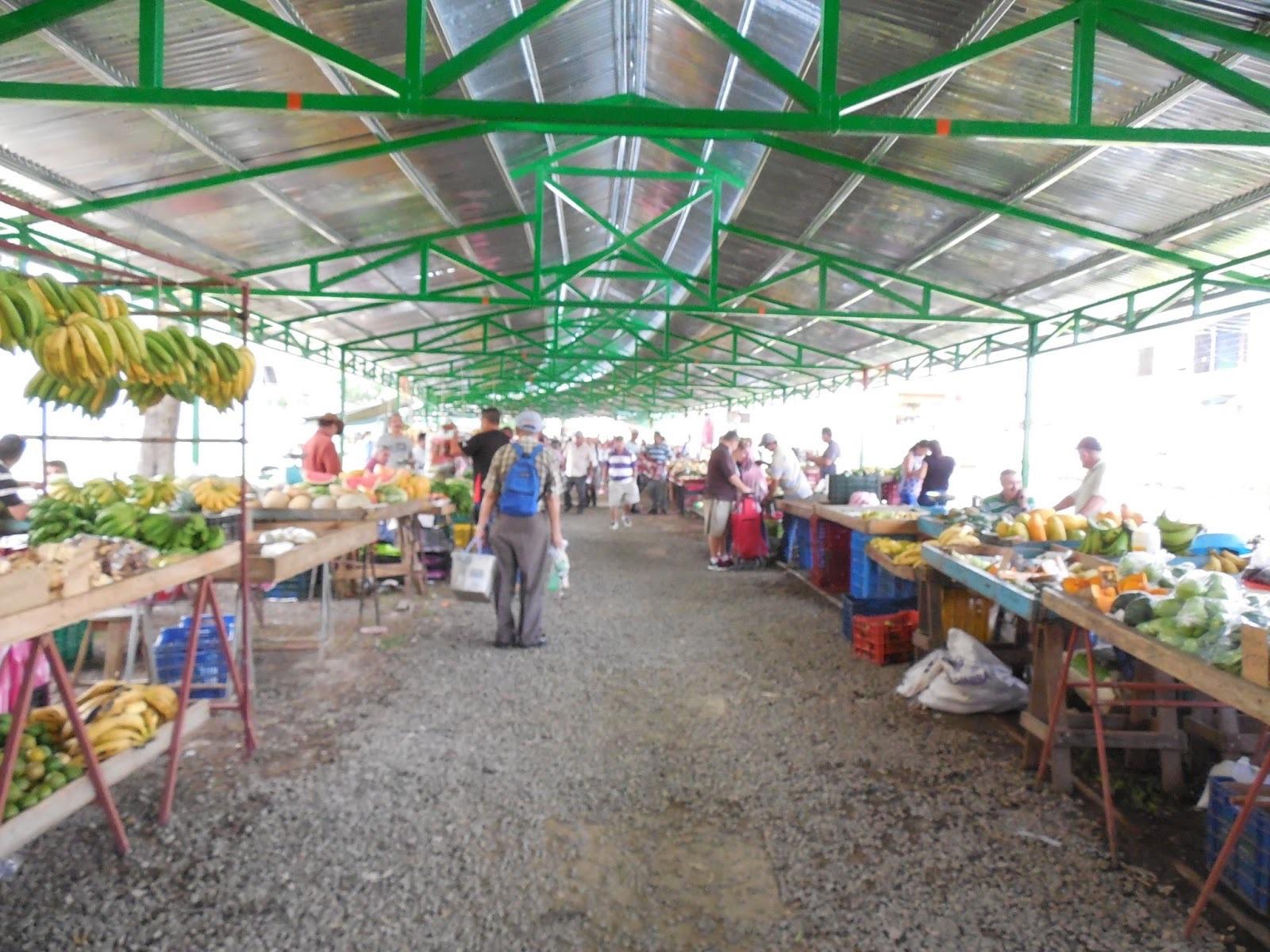
The sentiment that digital tools are opening new possibilities was also echoed by the intervention from expert speaker Dr. Jacob van Etten, Director of the Digital Inclusion Research Program at the Alliance of Bioversity International and CIAT. In a market in Turrialba, Costa Rica, his team of researchers identified 107 crop species being sold, alongside additional “opportunity crops” that farmers chose not to bring to the markets for the risk of not being sold. The piloted digital market platform Tacaco enabled farmers to upload products, receive pre-orders, and harvest on demand, reducing food loss while responding to the needs of buyers, expanding dietary diversity, and supporting agrobiodiversity.
On this Earth Day (and every day), let’s celebrate our farmers
Taking the above insights into account, one thing remains clear: despite being highly sensitive to global shocks, food systems can be made more resilient when cities actively work with farmers in their region, using innovative approaches and levers including fresh food markets, agroecology, public procurement, and participatory planning and governance to support them.
As small-scale farmers are among the most direct stewards of our soils and play a big role in nourishing our communities, their future is inseparable from that of our planet. As we mark Earth Day (22 April), this connection is a timely reminder that supporting farmers, and valuing the work they do, brings cities and residents into the heart of climate action, strengthening food systems that can withstand the challenges ahead.
Interested in learning more? You can find an overview of previous city practitioner exchanges in ICLEI and GAIN’s recently published Convening Paper, Shared Learning, Inspired Action: Insights From Global Exchanges on Strengthening Urban Food Markets.
For further city cases, also check out our CityFood Market Handbook for Healthy and Resilient Cities. This work, including the webinar and handbook, is supported by the BMZ-funded “Strengthening local fresh food markets for healthier food environments within planetary boundaries” project.