Beyond shelter: Why housing is Africa’s biggest urban equity challenge
* Written by Ruby Schalit, Meembo Changula, and Tashi Piprek from ICLEI Africa Secretariat
As cities prepare for the 13th session of the World Urban Forum in Baku, Azerbaijan (17–22 May) under the theme “Housing the world: Safe and resilient cities and communities,” there is an opportunity to reflect on how housing is understood and approached in different urban contexts. It is not simply a question of supply or delivery, but of equity, access, and how cities function as interconnected ecological and urban systems.
Across Africa, rapid urbanization, affordability constraints and climate risk are reshaping how and where people live in cities, often outside formal planning frameworks. The proliferation of informal housing with limited state regulation and support contributes to ‘slum’ formation and growth with severe lack of basic infrastructure and services which heightens climate risk, as documented in the 2022 publication ‘African Urbanisation at the Confluence of Informality and Climate Change’.
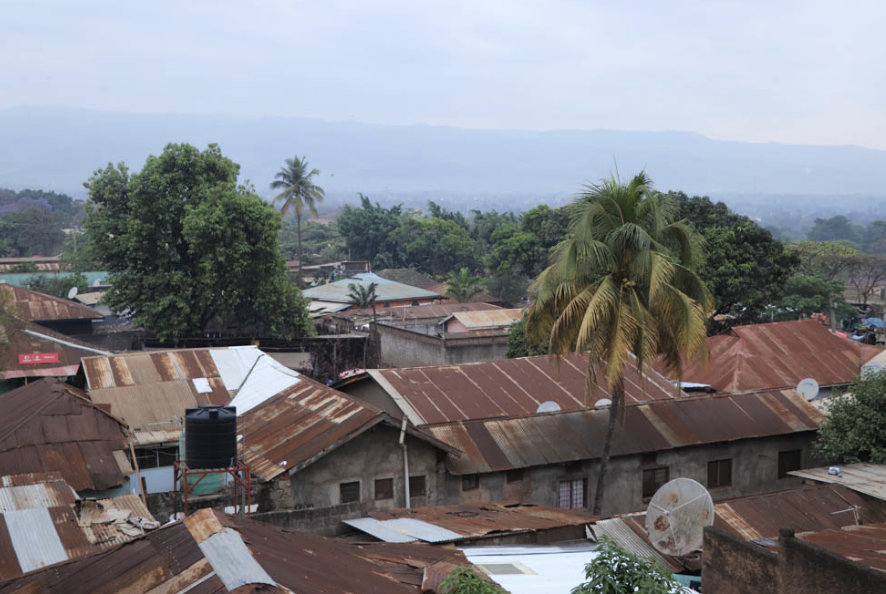
According to the UN’s 2020 World Cities Report, 56% of Sub-Saharan Africa’s urban population lives in informal settlements. In countries like Tanzania, this figure rises to 70–80%, occupying 40–80% of built-up areas according to a 2020 study by Zhang et al.. These settlements function as critical entry points into the city for low-income households, housing the majority of the urban poor. Housing inequities entrench urban poverty, forcing low‑income households into insecure, under-serviced settlements where deprivation of income, tenure, and basic services perpetuates exclusion and vulnerability.
This demonstrates that housing is not merely a delivery challenge, but a structural equity issue that requires systemic integration into urban development strategies. The conditions in which people live shape their exposure to climate risk, their access to green and safe environments, and the long-term sustainability of cities themselves. Addressing housing means addressing both.
ICLEI’s Equitable Development pathway calls on local and regional governments to pursue inclusive development that is simultaneously equitable, ecologically sustainable, and climate-resilient. This means safeguarding the natural support systems for human life and ensuring that the built environment improves livability and safety, promotes human health, and secures access to water, energy, and sanitation for all. The pathway frames housing as equity and ecological infrastructure, linking it to governance reforms, integrated planning, and resilience. ICLEI advocates for housing that is both socially just and ecologically sustainable.
Approaching housing through an equitable development lens means recognizing it as foundational to safe, resilient, and inclusive communities, and embedding it within broader urban systems and governance processes.
Rethinking informality: Planning with and for the city that actually exists
A central part of this approach is how cities understand and engage with informality. Across much of Africa, informality is not an anomaly; it is the dominant mode of urbanization. Yet traditional planning approaches have often framed informal settlements as illegal, temporary or undesirable, leading to exclusionary policies, displacement or neglect.
A more grounded and equitable perspective recognizes that informal neighborhoods provide housing and livelihoods for millions of people. They contain strong social networks and local economies, and represent urban systems that have evolved in response to economic and institutional constraints.
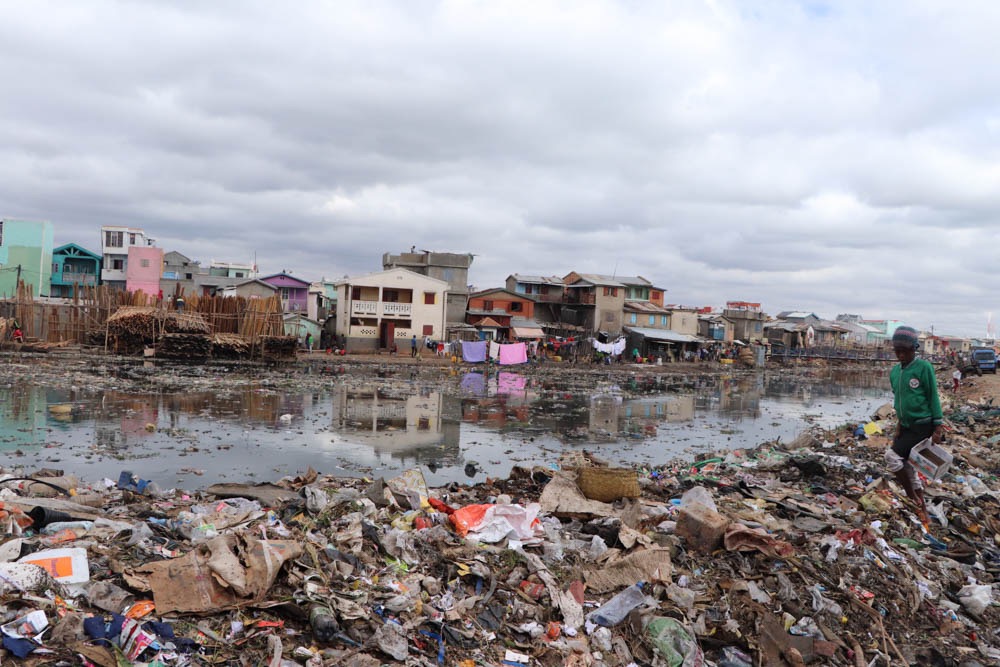
Informal settlements are often described through a deficit lens, focused on lack of services, insecure tenure, or environmental risk. While these challenges are real, this framing can obscure the fact that these are organized systems of social, economic, and spatial production.
Informality reflects structural exclusion from formal land, housing, and planning systems, rather than a lack of agency or organization among residents. Reframing informality from a national and local policy perspective helps shift this narrative. A growing body of work, including perspectives advanced by Slum Dwellers International (SDI), emphasizes informal settlements as spaces of innovation, resilience, and community organization. Residents are increasingly recognized as active agents in shaping their own development outcomes, engaging in participatory upgrading and co‑producing solutions with municipal authorities. Communities serve as critical social capital, leveraging resident networks to bridge gaps left by weak formal systems and demonstrating that informality is not a void, but a dynamic system of urban life.
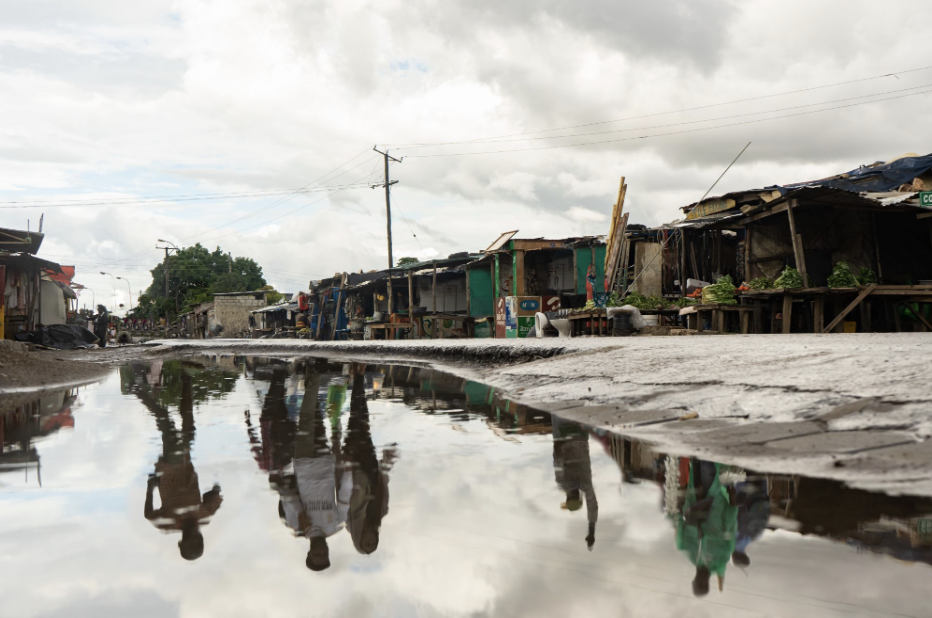
This requires a shift in approach. Rather than treating informality as something to be eradicated or formalized out of existence, cities need to engage with it constructively. This includes incremental upgrading, improved service provision, enhanced tenure security, participatory planning, and more flexible regulatory frameworks. In this sense, informal settlements can be understood as neighborhoods in transition – spaces where investment, partnership, and inclusion can unlock more equitable urban futures.
Housing as part of inclusive and resilient urban systems
Housing does not exist in isolation. It is deeply interconnected with broader urban systems and equity outcomes, shaping how people access opportunities, experience risk, and participate in urban life.
Gender equity, disability and social inclusion
Housing conditions and location play a critical role in determining who can access jobs, services, and urban opportunities. When people are pushed to the urban periphery, far from economic centers and social infrastructure, housing becomes a mechanism of exclusion rather than inclusion. Women, youth, and marginalized groups are often disproportionately affected, facing insecure tenure, unsafe living conditions, limited access to basic services, and exclusion from planning and decision-making processes.
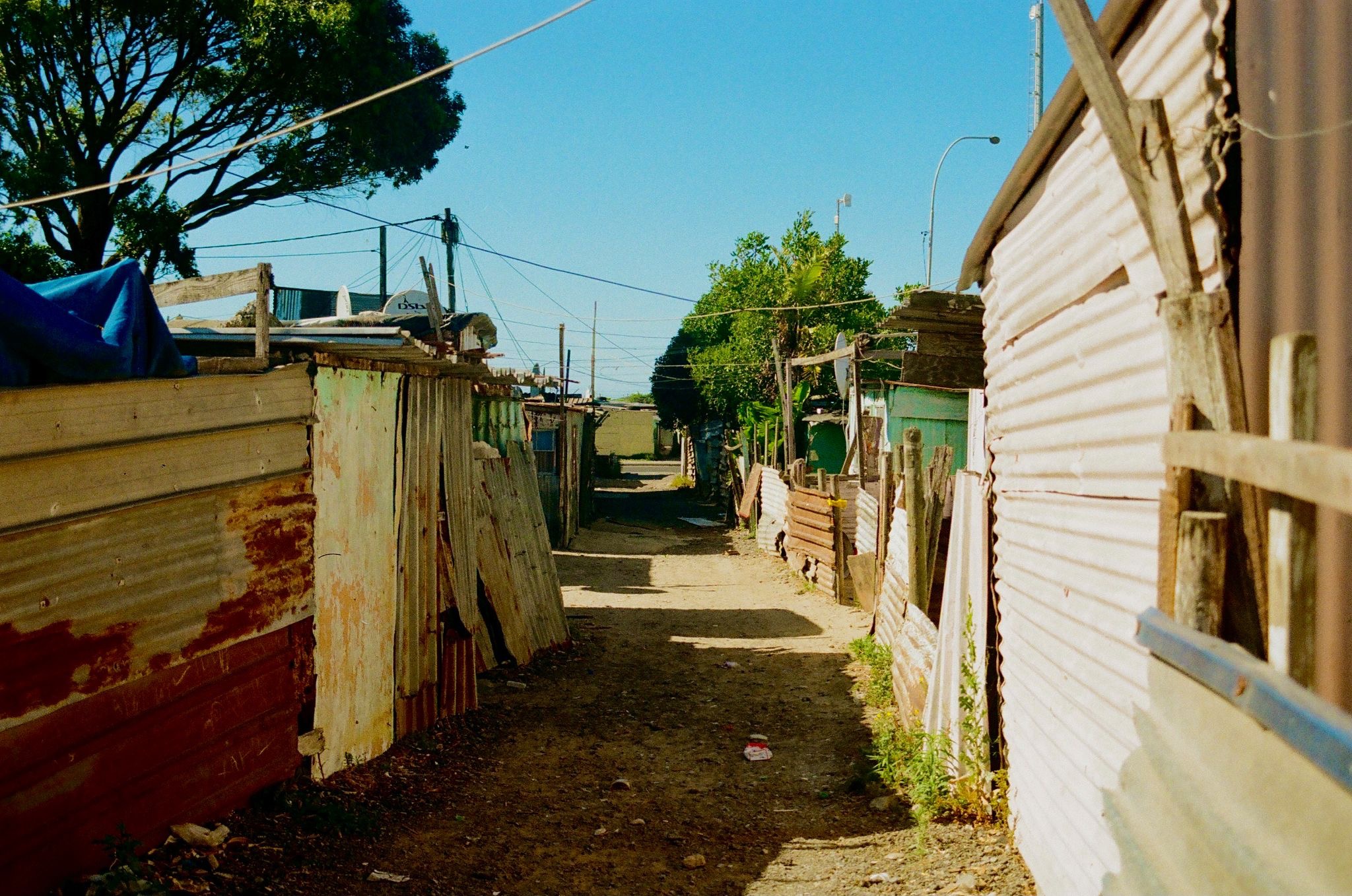
The INACCT Resilience project conducts inclusive, co-created research into what climate-resilient measures can and should be implemented in coastal African cities. Focused on eThekwini (Durban) in South Africa and Beira in Mozambique, two cities that recently experienced severe climate-related flooding and displacement, the project uses a transdisciplinary approach — including participatory methods such as photovoice and learning labs — with a particular focus on informal settlements and vulnerable communities. Key outputs include co-created risk and resilience profiles for each city and a scalable Gender-Responsive Coastal Cities Resilience Planning Framework.
Climate resilience and environmental sustainability
Housing is also increasingly a question of climate resilience. The IPCC’s Sixth Assessment Report (2022) identifies African cities as climate vulnerability hotspots, where housing deficits and climate risk are intertwined. In many cities, the most precarious housing is located in areas of highest climate risk, including floodplains, steep slopes, or heat-exposed environments.
Flooding, heat stress, and environmental degradation disproportionately affect vulnerable communities, particularly those living in informal or under-serviced settlements. These realities mean that climate risks cannot be addressed without engaging directly with informality as a structural feature of African cities.
This positions housing not only as a social concern, but as a form of climate infrastructure. Housing and settlement upgrading can function as risk-reducing interventions, strengthening resilience while improving everyday living conditions.
Housing within integrated urban planning
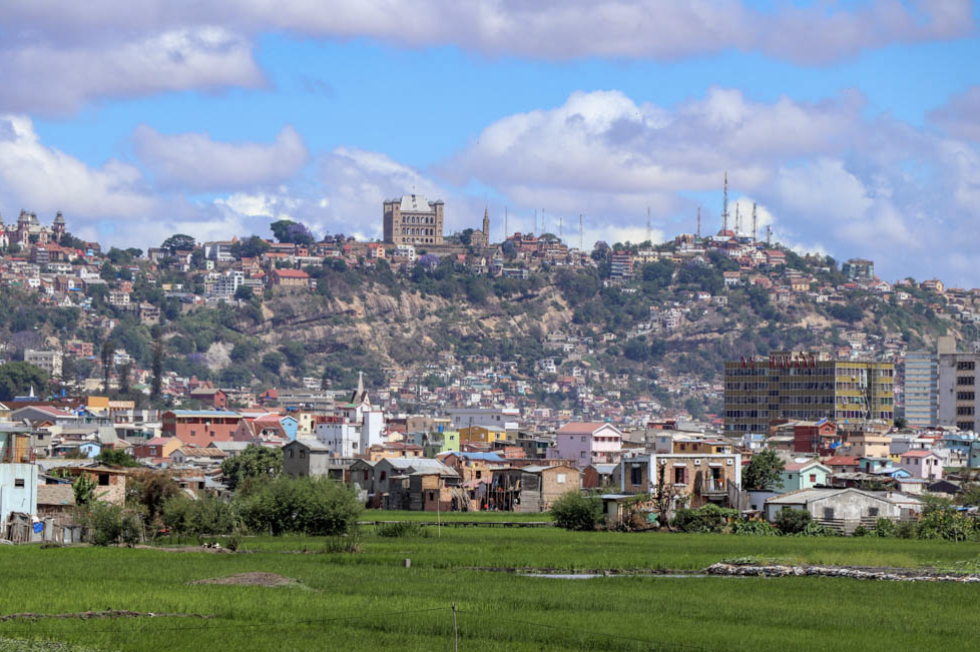
Housing cannot be treated as an isolated sector; it is inherently interwoven with the wider systems that shape urban life. Where housing is planned without reference to mobility, infrastructure, food systems, public space, and local economies, the result is fragmented growth, inefficient service delivery, and entrenched inequality. Integrated urban planning frameworks — such as Spatial Development Frameworks (SDFs), Integrated Development Plans (IDPs), and Local Area Plans (LAPs) — offer a way to embed housing within broader strategies for sustainable urban development.

The UNA programme supported local governments across Africa to protect and revitalize their urban natural assets by integrating nature-based solutions into land use planning. Delivered through five interconnected flagship projects, it developed tools for urban decision-making, enabled co-production processes, built stakeholder capacity, and localized the Paris Agreement, Sendai Framework and Strategic Plan for Biodiversity in African cities. In later phases, UNA adopted a human rights-based approach, embedding gender and social inclusion and specifically promoting collaborative efforts to service informal settlements with nature-based solutions.
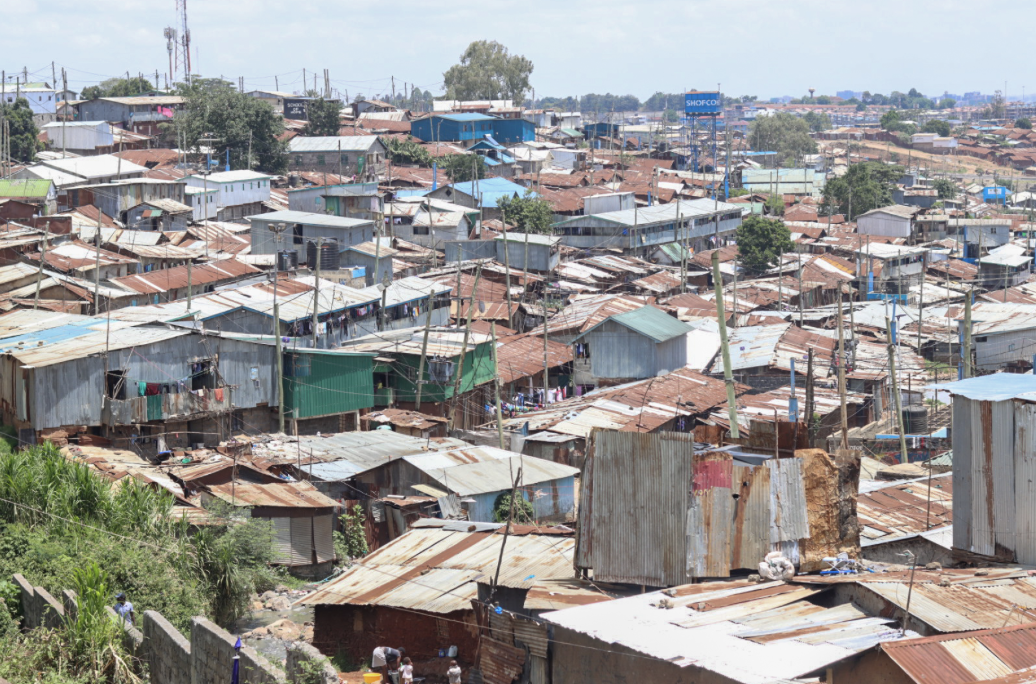
ICLEI’s work illustrates this systems-based approach. For example, the Lobito Corridor processes demonstrate how housing along regional transport and logistics corridors can be planned in tandem with mobility, services, and economic development. By embedding housing within corridor strategies, cities avoid unplanned sprawl, strengthen resilience, and ensure that growth benefits both local communities and regional economies.
In this way, housing within integrated urban planning is reframed as a strategic lever for urban transformation — a connective tissue that links people to services, economies, and resilience systems, and a foundation for more equitable, sustainable, and climate-ready urban futures.
Enabling equitable housing
Addressing housing challenges at scale requires more than technical solutions. It depends on enabling conditions across governance, finance, and partnerships. Cities require stronger alignment between national and local governments, more predictable and accessible financing mechanisms, and planning frameworks that can accommodate evolving urban realities, including informality. Without these enabling conditions, housing interventions risk remaining piecemeal and disconnected from wider urban systems.
Tanzania’s experience shows the evolution of governance innovation in tenure security: From slum clearance in the 1960s, to participatory upgrading in the 1990s, to regularization strategies in the 2000s that introduced Residential Licences (RLs) and Certificates of Right of Occupancy (CROs). These reforms demonstrate how tenure security can underpin resilience, though affordability and enforcement remain challenges.
At the center of this is the role of local governments. Municipalities are on the frontlines of urban planning and service delivery, and through these functions directly shape whether neighborhoods are livable, safe, and well-connected — or whether they are underserved and cut off from economic opportunity.
The decisions they make about land use, infrastructure, and public services determine not just where housing is built, but whether that housing enables residents to thrive. Yet many face constraints related to limited mandates, institutional capacity, financing, and coordination, which too often result in inequitable outcomes — with lower-income residents and marginalized communities bearing the greatest burden of poor planning and inadequate services.
If local governments can be empowered to deliver housing ambitions at scale, through improving multilevel governance and strengthening capacity, this could enable them to move from reactive responses to more proactive and strategic roles — shaping urban environments where housing is not only available and affordable, but situated within communities that genuinely support resident wellbeing.
Partnerships are equally important. Collaboration between municipalities, communities, civil society, and the private sector is essential for delivering inclusive and locally grounded housing solutions. Community organizations and NGOs often provide critical social capital and knowledge, while private actors can expand housing supply and financing options. Effective partnerships ensure that housing strategies are not only technically sound but also socially embedded and financially viable.
To achieve this, ICLEI’s role is to support cities through knowledge exchange, city-to-city learning, multi-stakeholder dialogue, and experimentation. By helping translate global agendas into locally grounded action, ICLEI enables municipalities to test new governance models, strengthen partnerships, and build the enabling conditions needed to deliver equitable housing at scale.
Looking ahead: Advancing equitable housing through city leadership
Housing challenges cannot be addressed through technical delivery alone. They demand a deeper engagement with how cities grow, function, and include their residents. This means recognizing informality as a defining feature of urbanization and working with it rather than against it. This also means that housing must be understood as a structural investment in productivity, resilience, and inclusion that places dignity, opportunity, and participation at its center.
Africa’s housing future will not be delivered from national capitals alone; it will be built in and by cities. As the World Urban Forum approaches, there is an opportunity to elevate these locally grounded perspectives, share practical lessons, and strengthen partnerships that support more equitable housing pathways. By positioning cities as the drivers of innovation and inclusion, housing can become a cornerstone of sustainable urban transformation across the continent.
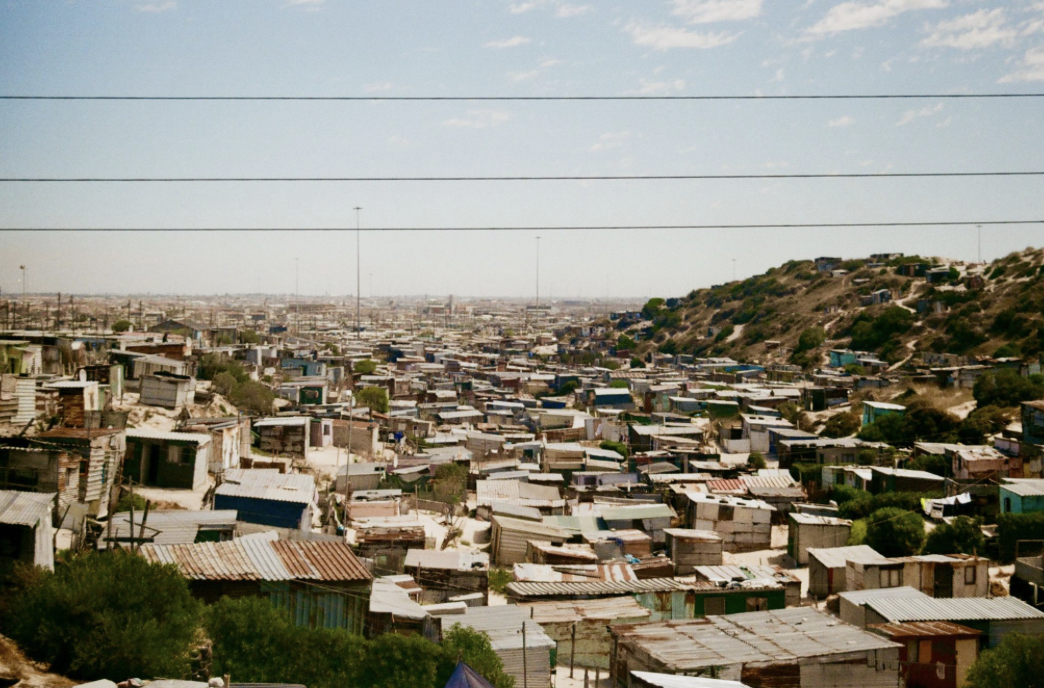
*Featured image: Habitats made by people: Endinalo Moni [RISE Africa 2025 Photo Competition]