Small floods, small solutions: How a neighborhood in Izmir learned to hold back the water
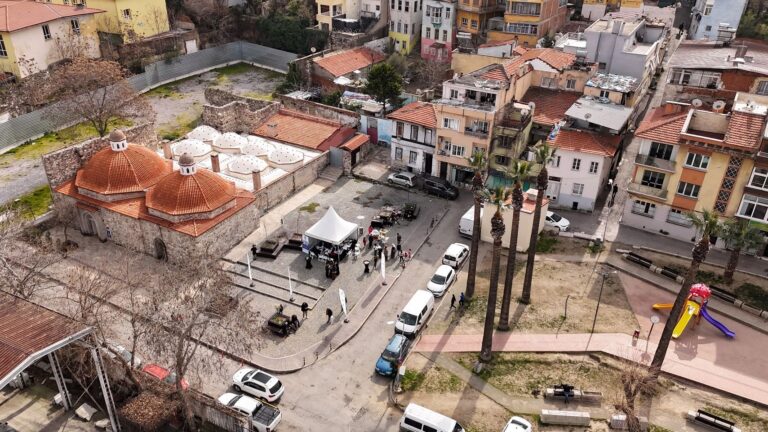
In Pazaryeri, it does not take a major flood to ruin a shop or damage a home, and it does not take a major intervention to prevent it.

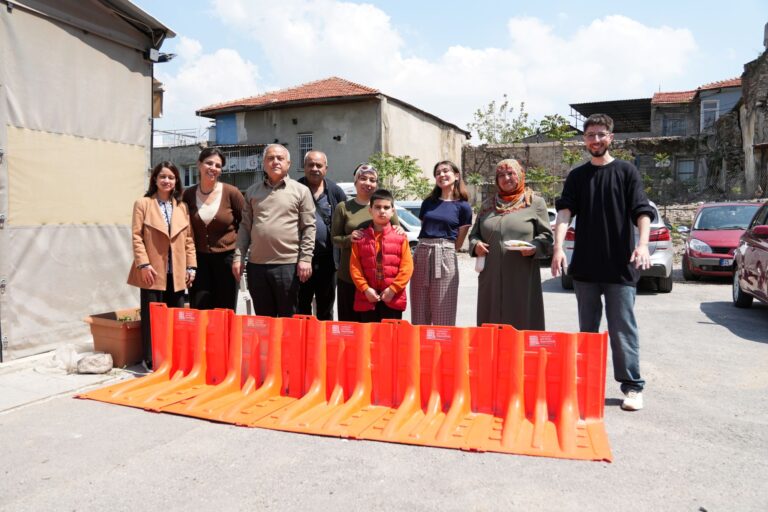
In Pazaryeri, it does not take a major flood to ruin a shop or damage a home, and it does not take a major intervention to prevent it.
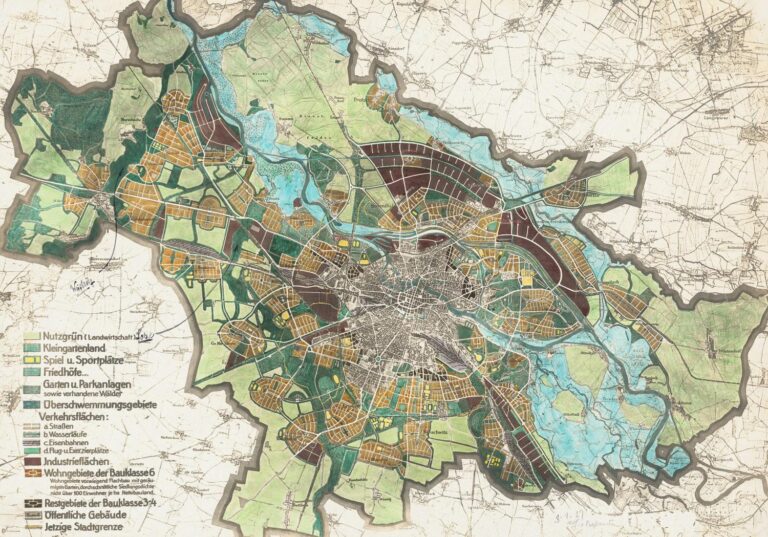
Where people live often determines the opportunities and risks they face – albeit often resulting from economic pressures, planning decisions, environmental conditions, and historical policies.
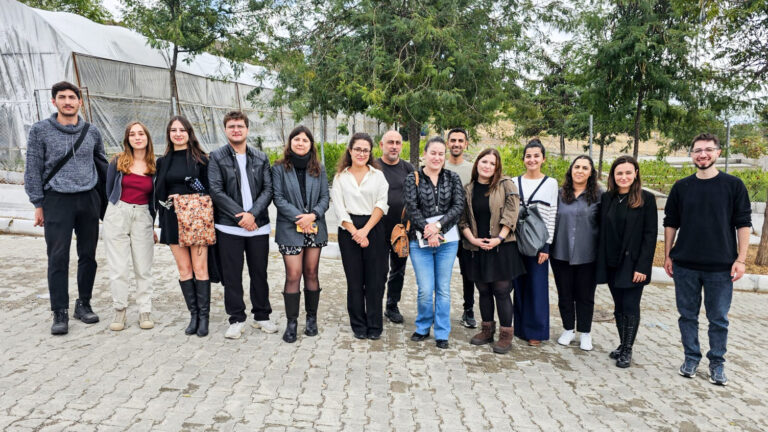
In Izmir, four departments stopped working in silos and built one shared curriculum, with results none of them expected.
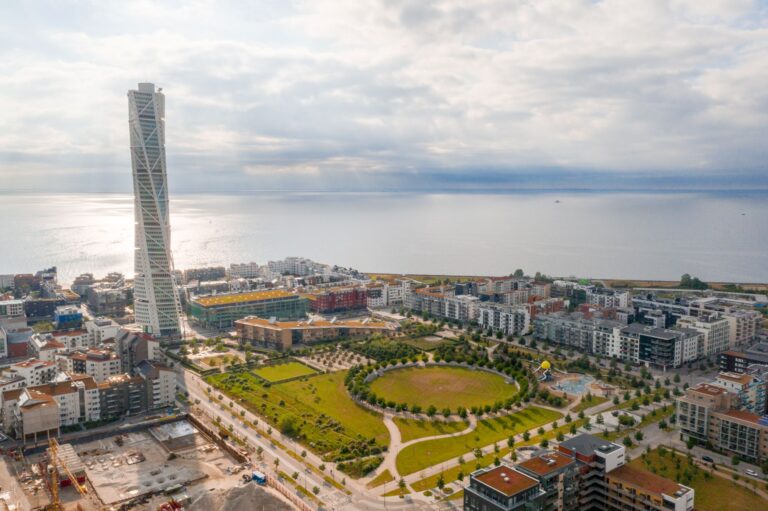
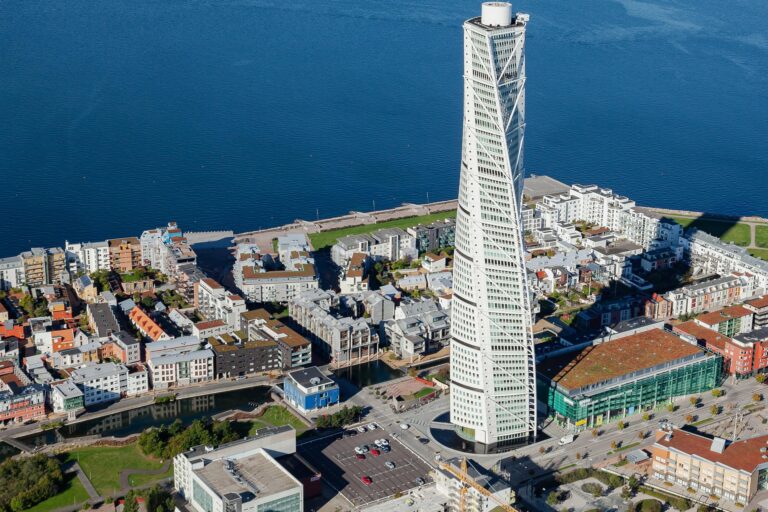
Malmö competes for capital alongside covered bond issuers, national governments, and corporate. How can a city be so successful?
Municipalities pool their borrowing needs, present a combined credit profile to capital markets, issue bonds collectively, and lend the proceeds to member municipalities at lower cost.
While climate resilience assessment tools help cities understand their risks, adaptation projects often need a final push to become a viable investment opportunity.

Food systems, by their very nature, cross boundaries. That’s why FoodCLIC is expanding both the sectors of knowledge involved and the geographies engaged.

International Youth Day – on 12 August – is a chance to reflect on how youth are advancing multilateral cooperation through technology and partnerships. In particular, we will look at the example of the AfriFOODlinks Youth Ambassadors.

As Türkiye braces for another summer of heatwaves and unpredictable storms, spaces like the Kadifekale community garden offer a green space that is not only public, but participatory.

In Izmir’s Pazaryeri and Imariye neighborhoods, women are on the frontlines of climate resilience, navigating floods, heatwaves, and economic challenges while leading solutions that strengthen entire communities.

To ensure climate policies are more socially balanced, particularly in addressing the needs and participation of structurally disadvantaged populations, the INCLU:DE project promotes a shift in focus from incentivizing to enabling. How do cities design local climate actions that speak to all different realities?

At COP29, this session at the Korea Pavilion presented how to build net-zero cities through legal innovation and citizen engagement.