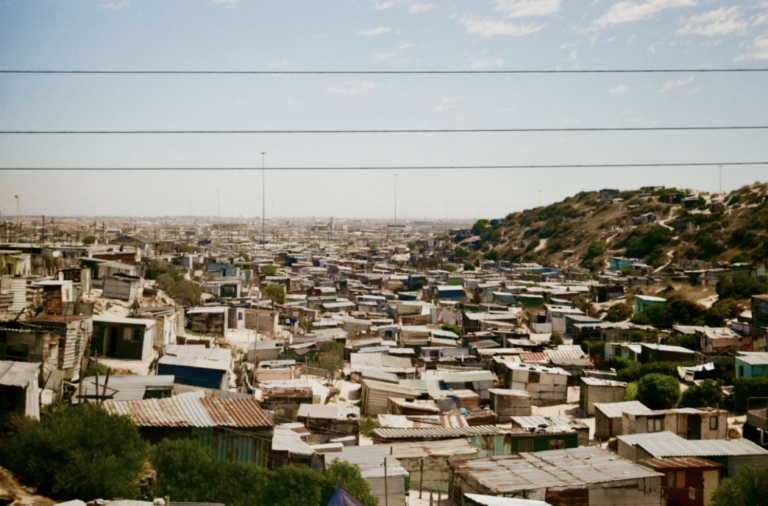
Beyond shelter: Why housing is Africa’s biggest urban equity challenge
* Written by Ruby Schalit, Meembo Changula, and Tashi Piprek from ICLEI Africa Secretariat As cities prepare for the 13th…
It builds just, livable, happy, and inclusive urban communities, addressing the root causes of poverty and inequality while safeguarding natural support systems essential for human life.
* Written by Ruby Schalit, Meembo Changula, and Tashi Piprek from ICLEI Africa Secretariat As cities prepare for the 13th…
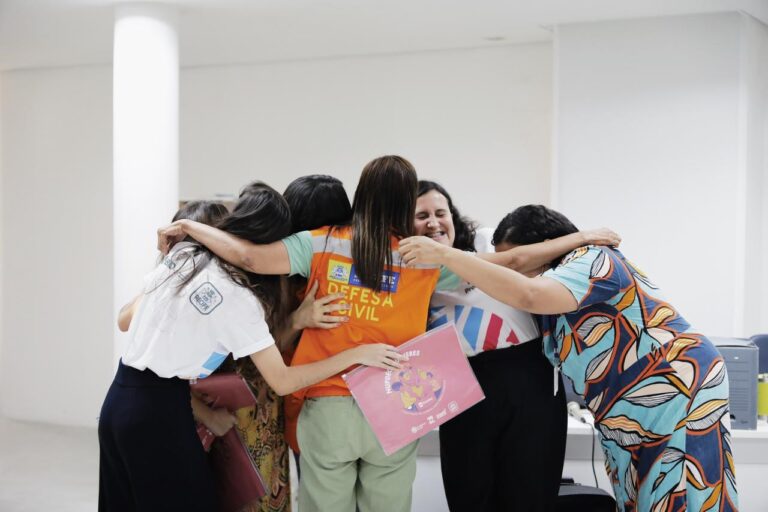
The impacts of climate hazards are not gender-neutral; women are often among those most affected. As cities make critical decisions on climate policy and resilience investments, Recife, Brazil, is showing how empowering women leaders in vulnerable communities can strengthen climate resilience for all.
Identifying equity challenges creates better opportunities to build communities where benefits and burdens are fairly shared. Indicators that reflect geographic, social, and economic realities highlight where injustices exist so local governments can focus their efforts effectively.
Through several projects, ICLEI supports cities in applying the Gender Equality, Disability and Social Inclusion (GEDSI) approach to climate action by providing capacity-building, technical guidance, and multi-stakeholder engagement to help address inequalities and ensure climate planning and policies are inclusive by design.
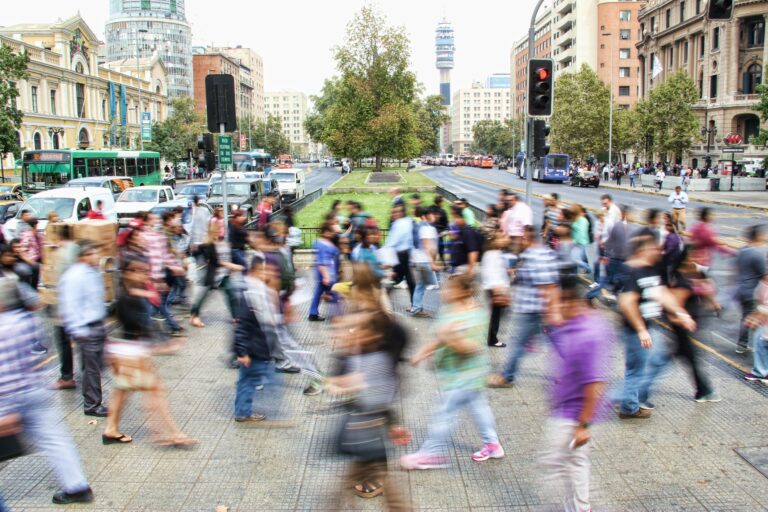
As more people settle in urban areas, mobility and urban governance become increasingly interconnected. Cities in the Malmö Commitment are integrating mobility into long-term planning for social inclusion, economic vitality and demographic sustainability.
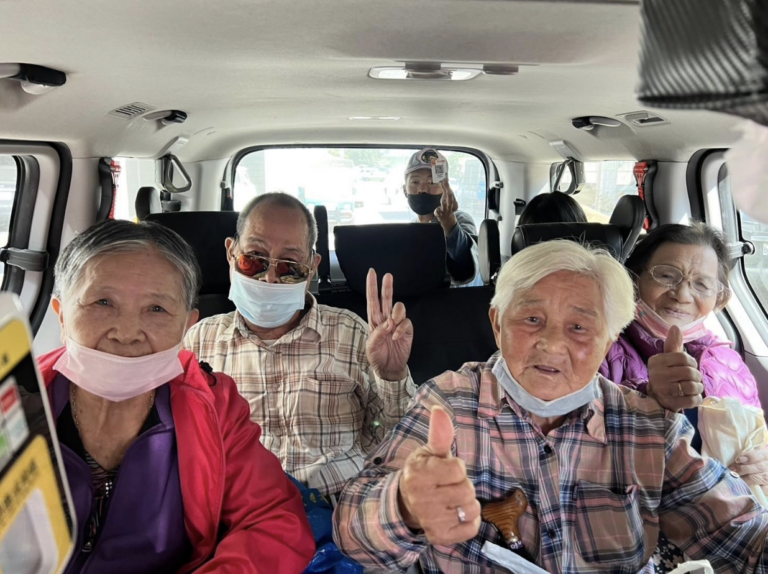
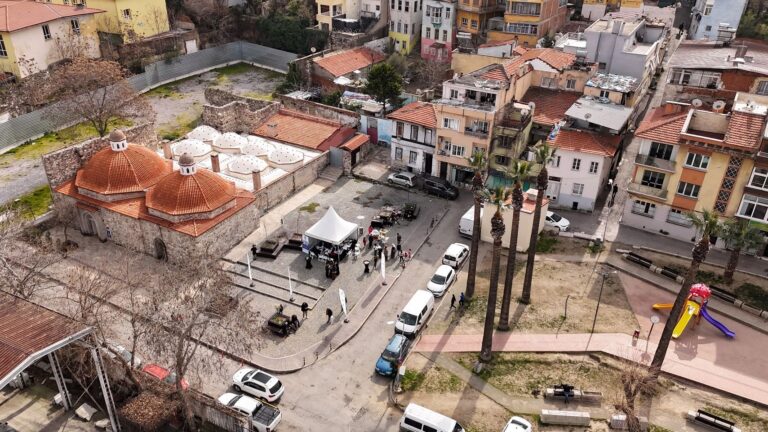
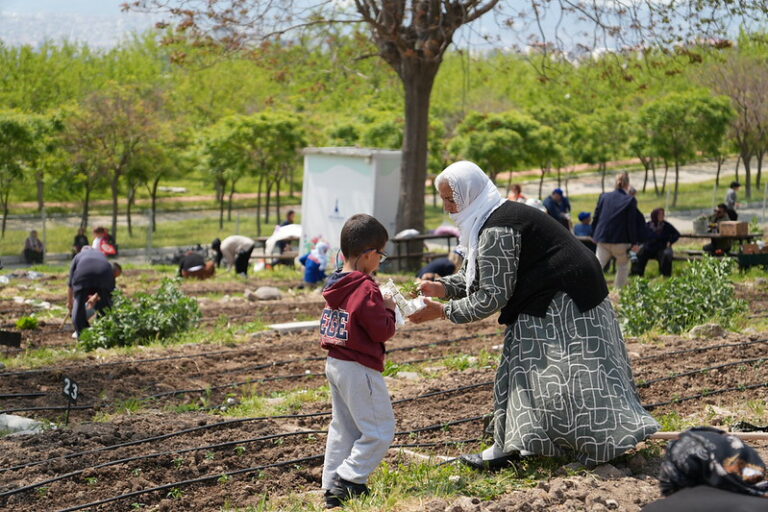
From rural mobility services to neighborhood climate hubs, these cities — on the island of Taiwan and in Germany — show how climate action designed with local organizations can improve daily life, deliver social benefits, and advance climate goals.
While climate resilience assessment tools help cities understand their risks, adaptation projects often need a final push to become a viable investment opportunity.
Owning a car is a common aspiration for many Filipinos. But they also believe their cities can be more walking- and cycling-friendly in the future. The SPARK project helped turn that vision into action in Quezon City and Pasig City through tactical urbanism interventions that made streets safer and more accessible for active mobility.
Across the Malmö Commitment network, cities apply intersectional approaches, showing that equity is an ongoing practice shaped by residents’ realities.
This blog was written by Jannis Niethammer and co-authored by Emily West and Daniel Botha from ICLEI Europe. Climate action…
Climate action is only as effective as the communities it reaches. Through the INCLU:DE project, ICLEI and partner cities are testing practical ways to remove barriers and make climate programs accessible and fair. The result: Higher uptake of climate solutions and more resilient, trusted local governance.
Building child-friendly cities is a climate adaptation strategy. In Austria, Graz and Feldbach prove it works.