Why the IPCC’s next report could be a turning point for cities
The publication of a major scientific report is often treated as the beginning of the journey from evidence to action. For the forthcoming Intergovernmental Panel on Climate Change (IPCC) Special Report on Climate Change and Cities (SR-Cities), that would be too late.
By the time the report is approved and published in March 2027, local and regional governments should already know how its findings can support their climate plans, investment priorities, public engagement, and dialogue with national governments. Ministries, development institutions, city networks, and climate finance actors should already be preparing the tools and partnerships needed to carry the report into implementation.
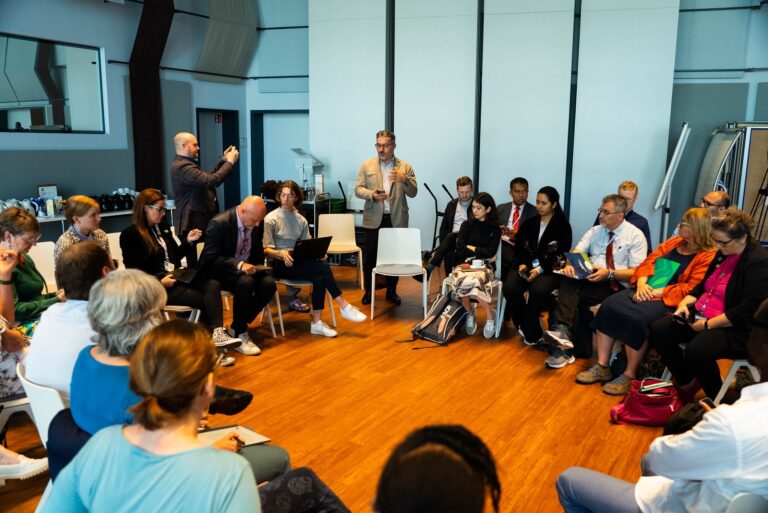
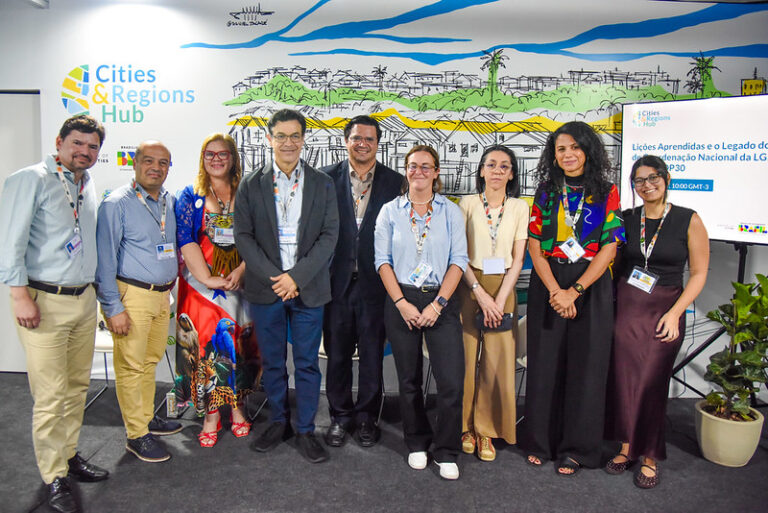
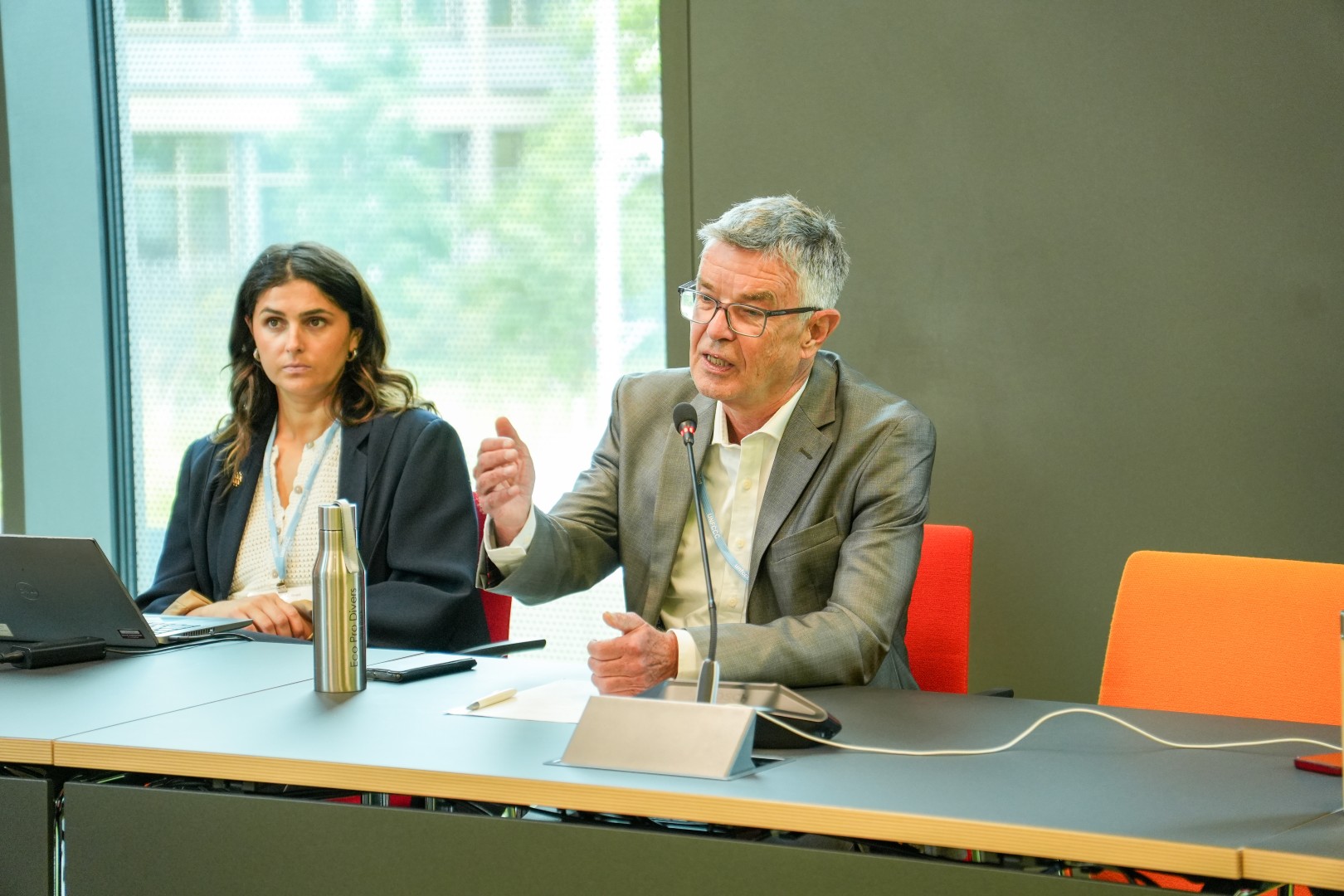
This was the central message emerging from two complementary sessions convened by ICLEI – Local Governments for Sustainability during the Daring Cities 2026 Bonn Dialogues.
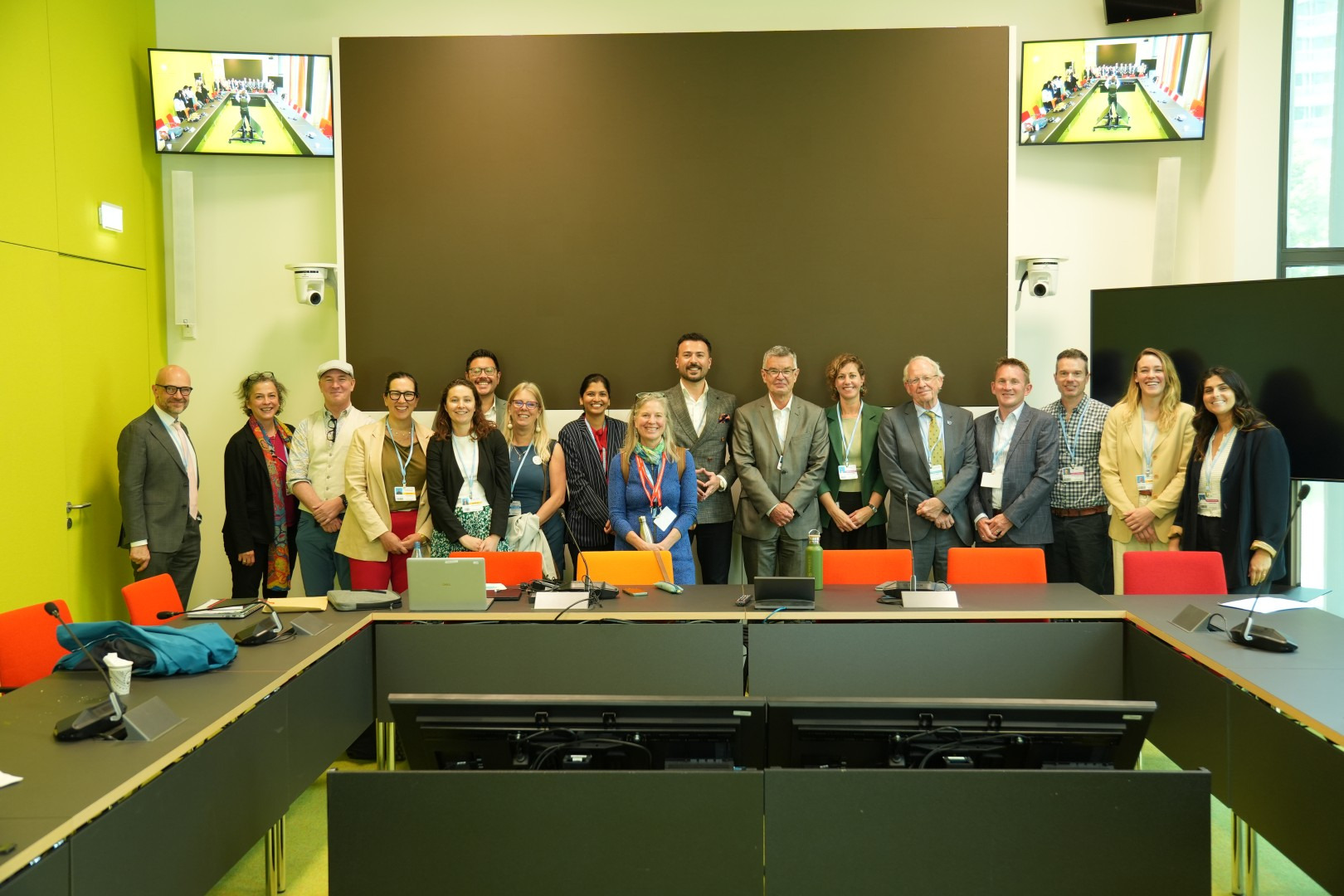
Held at the United Nations Campus in Bonn, Germany, on 11 June, the first session, “From assessment to political uptake: How SR-Cities can strengthen multilevel climate governance,” was co-led by ICLEI and the Deutsche Gesellschaft für Internationale Zusammenarbeit (GIZ). The second session, “From IPCC evidence to urban delivery: What boundary organizations must build before SR-Cities lands,” followed in partnership with the United Nations University Institute for Environment and Human Security (UNU-EHS).
Together, they asked one overarching question: What must happen around the report so that authoritative science leads to better decisions and accelerated action in cities?
A narrow window to shape the report’s impact
The discussions took place at a particularly important moment. Daring Cities 2026 was held alongside the sixty-fourth sessions of the United Nations Framework Convention on Climate Change Subsidiary Bodies (UNFCCC SB64), which ran from 8-18 June. The forum therefore connected preparations for the Special Report directly with wider negotiations on implementation, adaptation, finance, and multilevel climate action.
At the same time, the IPCC’s Second-Order Draft was undergoing government and expert review from 8 May to 3 July 2026. This was the final review round open to individual expert reviewers and the first to include a draft Summary for Policymakers, the document most likely to shape political narratives and high-level decision-making after publication. Authors will now prepare the final report and Summary for Policymakers so that governments can comment before its approval.
The Special Report will be the first IPCC report published during the seventh assessment cycle and the cycle’s only special report. It will assess physical science, risks, adaptation, mitigation, governance, planning, finance, and climate-resilient development across diverse urban contexts under the joint scientific leadership of all three IPCC Working Groups.
As IPCC Working Group II Co-Chair Winston Chow stated when the review opened, the objective is to produce a report that “supports and inspires decision-making on climate action in cities around the world.”
But scientific authority alone does not guarantee political influence or practical use. As one phrase from the Daring Cities discussions captured it: Evidence does not automatically turn into policy.
Boundary organizations cannot wait for publication
The IPCC assesses available science. Its reports are designed to be policy-relevant but not policy-prescriptive: they present evidence, risks, options, and implications without instructing governments to follow a particular course of action.
This makes the role of boundary organizations indispensable.
Boundary organizations connect communities that operate with different mandates, languages, and time horizons, such as scientists, governments, city practitioners, finance institutions, businesses, and civil society. They can protect the integrity of the assessment while translating its findings into products and processes that particular audiences can use.
The Daring Cities events identified several areas where preparation should begin before publication:
- Develop audience-specific products. A single summary will not meet every need. The ecosystem around the report could include regional fact sheets, briefs for mayors and national ministries, investment-oriented materials, implementation guides, training modules, visual stories, videos, exhibitions, and resources for students and non-technical audiences.
- Create institutional interfaces. City networks and development organizations can convene national-local dialogues, link city evidence with national planning, connect researchers with practitioners, and establish channels through which implementation experience can continue to inform policy.
- Prepare practical applications. Cities will need support to connect findings with climate action plans, resilience strategies, project pipelines, investment decisions, and community engagement. Piloting these applications can reveal what forms of guidance are genuinely useful rather than merely informative.
- Build a shared uptake architecture. Organizations should coordinate their roles and avoid producing disconnected summaries, competing platforms, or duplicated tools. The objective should be a mutually reinforcing system linking communication, capacity development, data, finance, policy dialogue, and implementation.
- Design for a digital information environment. The sessions also considered the growing influence of artificial intelligence, social media, journalists, and online knowledge platforms. Future products should be multilingual, accessible, traceable to the underlying assessment, and designed so that accurate IPCC findings remain visible in rapidly changing digital information systems.
A vehicle to make multilevel governance an operating system
We also explored the report as a potential political and governance opportunity; a source of legitimacy, shared evidence, and common language for governments seeking to work together across national, regional, and local levels.
This matters because urban climate action is inherently multilevel. Local and regional governments plan neighborhoods, provide services, regulate land use, manage infrastructure, and engage directly with communities. Yet many of the levers that determine what cities can deliver, including fiscal frameworks, energy regulation, transport policy, and access to climate finance, remain under national control.
The discussions described a persistent governance problem as “everyone responsible, no one resourced.” Assigning broad responsibility for climate action across levels of government is not enough. Effective multilevel governance requires clear mandates, predictable finance, technical capacity, access to data, vertical coordination between levels of government, and horizontal collaboration across ministries and sectors.
The Special Report could help clarify what different levels of government can contribute, where their responsibilities intersect, and which enabling conditions cities need. Its case studies and assessment of governance, planning, finance, mitigation, and adaptation can give national-local cooperation a stronger evidence base.
It can also help move urban climate action into other centers of political power. In many countries, the most consequential decisions are not taken only by climate or environment ministries. Presidencies, ministries of finance, housing authorities, infrastructure agencies, and development institutions shape national priorities and public expenditure.
The experience shared from Mozambique illustrated this challenge. Although the country faces severe climate risks, public and political priorities are often framed in terms of poverty, inequality, jobs, security, and health rather than climate adaptation. The lesson was not to abandon climate science, but to connect it more directly to the issues that governments and communities are already trying to solve.
The report connects climate action to people’s everyday lives and priorities
Participants repeatedly called for a shift from narratives dominated by danger and sacrifice toward narratives of opportunity, investment, and improved quality of life.
People experience urban climate policy through their energy bills, mobility options, health, safety, employment, access to green space, and exposure to heat or flooding. These outcomes often determine whether a technically sound policy is politically durable.
The City of Newcastle, Australia, emphasized that climate evidence must translate into politically viable alternatives that create tangible community benefits and strengthen trust in local government. Framing climate action as ‘mission possible’ connects emissions reduction and resilience with hope, affordability, and quality of life.
This does not mean simplifying the science until its complexity disappears. It means giving different audiences meaningful entry points into the same evidence. A mayor, finance minister, infrastructure planner, community organization, investor, or young resident will not use the report in the same way.
Success of the report should therefore not be measured only through citations, downloads, or media impressions. It should also be measured through decisions changed, capacity strengthened, investments redirected, partnerships formed, and improvements in health, affordability, resilience, and livelihoods.
SR-Cities arrives at a strategic global moment
The timing of the report creates opportunities far beyond its publication month. The Special Report will therefore become available as countries are assessing collective progress and considering opportunities for stronger action and support through the second Global Stocktake.
“Expected in March 2027, [the report] will be published just as the second Global Stocktake is moving from information-gathering into technical assessment, with its outcome due in November 2028. This timing creates a unique opportunity to ensure that the latest science on cities informs the next phase of global climate ambition and implementation,” said Nivya Pazhayakatt Cleetus, Associate Programme Officer, the UNFCCC Secretariat.
City networks and the Local Governments and Municipal Authorities (LGMA) Constituency – the official constituency of subnational governments in the UNFCCC process – can connect the report to the United Nations climate process, not by proposing cities as a separate negotiating issue, but by demonstrating that urban action is a fundamental means of implementing the Paris Agreement.
Initiatives such as Coalition for High Ambition Multilevel Partnerships for Climate Action (CHAMP) can help carry the report’s findings into national climate planning and strengthen collaboration between national and subnational governments.
“The IPCC Special Report on Climate Change and Cities arrives at a critical moment and on fertile ground,” said Dr. Ulf Jaeckel, Head of the International Adaptation to Climate Change Division at the German Federal Ministry for the Environment, Climate Action, Nature Conservation and Nuclear Safety, and German Co-Chair of the CHAMP Steering Committee.
From Bonn to Nairobi: Turning discussion into expert review
The Daring Cities sessions helped frame the next stage of engagement later that month at the 2026 Innovate4Cities Conference in Nairobi, Kenya.
From 21-24 June, the conference brought together urban researchers, policymakers, practitioners, businesses, community representatives, and city leaders. Across sessions and panels, IPCC authors and Bureau members engaged directly with those responsible for applying climate knowledge in urban contexts.
The Global Covenant of Mayors for Climate and Energy and UN-Habitat, in partnership with ICLEI and the European Commission’s Joint Research Centre, also facilitated an Organized Expert Review of the Second-Order Draft. Comments submitted before the conference informed the in-person deliberations and were incorporated into the consolidated submission process. I was honored to serve as one of the co-leads and moderators, helping mobilize input from the urban climate science-policy-practice community.
The conference described the process as the largest in-person organized review of the draft. A provisional UN-Habitat outcomes brief recorded more than 100 participants in the review, while the organizing team’s final tally recorded over 600 comments for submission to the IPCC.
This progression from strategic discussion in Bonn to detailed review in Nairobi shows what an effective science-policy-practice interface can look like. Urban practitioners do not need to wait until a report is published to engage with it. They can help improve the assessment, prepare its future users, and build the partnerships through which its evidence will travel.
Time to get ourselves ready
The report’s scientific importance is already clear. Its practical legacy needs to be built.
Local and regional governments must start mapping their needs, evidence, and potential applications. National governments can establish stronger mechanisms for dialogue and delivery with cities and regions.
City networks and knowledge institutions can prepare translation products and capacity support. Development and finance actors can examine how the report might inform technical assistance, project preparation, and investment decisions. Communications organizations can plan how to make its findings accessible without losing scientific integrity.
The defining question is no longer whether the report will be authoritative – it is whether the wider urban climate community will be ready to use that authority. March 2027 should not mark the start of uptake, but rather the moment a prepared ecosystem moves into action.