
How cities are moving from climate plans to real transition pathways: Insights from the Kaohsiung-ICLEI Community of Practice
*Written by Pourya Salehi and Liz Cormack both from ICLEI World Secretariat
As cities move from planning to implementation, their ambition around climate action is clear. For cities in the Kaohsiung-ICLEI Climate Neutral and Smart City Community of Practice (ComP), the challenge now is to turn climate action plans into sustained transformation. That means moving from static plans to dynamic pathways, bridging departmental silos, improving public storytelling, and designing policies and projects that activate collaboration with the private sector.
This was the focus of the opening session of the ComP’s third in-person capacity-building workshop series, held on 18-19 March 2026 at Kaohsiung’s pioneering Net Zero Institute. Ten ComP member cities from across Asia-Pacific and beyond came together for a hands-on working session exploring how leading-edge technology and approaches can turn climate plans into dynamic pathways, including Goyang and Gwangmyeong, Republic of Korea; Kyoto, Japan; Adelaide and Newcastle, Australia; Quezon and Pasig, Philippines; Oakland, United States; Penang Island, Malaysia; and ComP host, Kaohsiung.
Climate Action planning has evolved over the last few years from the “why?” to the “how?”. Now, Artificial Intelligence (AI) is transforming the landscape fast. AI-enabled tools can not only rapidly process large volumes of data, fill information gaps, compile global best practices, but also help experts find and test new approaches to climate action. To help cities responsibly and effectively leverage the latest innovations, ICLEI is partnering with technology leaders, such as ClimateView, to accelerate progress.
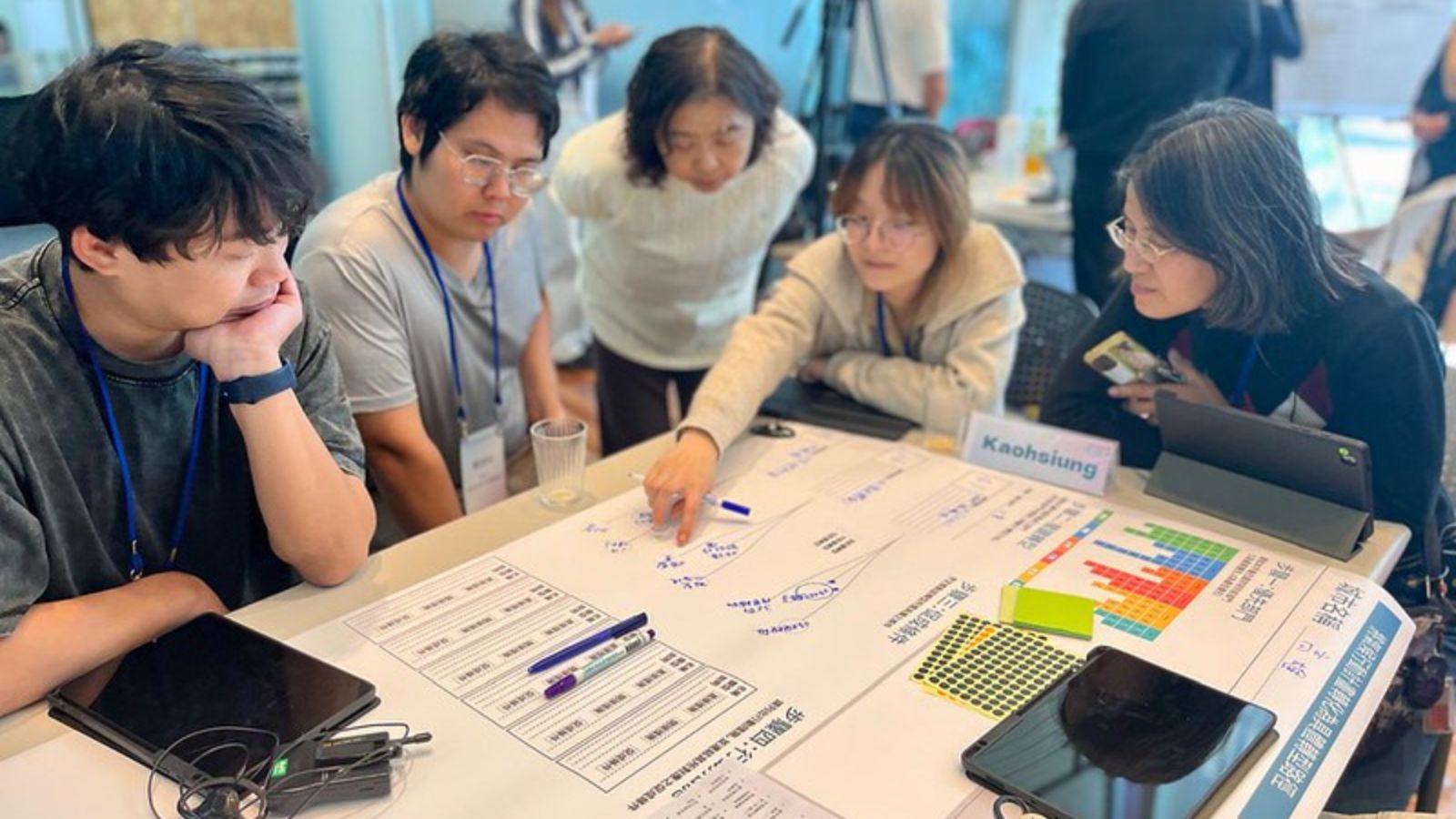
Co-delivered by ICLEI, ClimateView, and the United Nations University, the first session on 18 March featured a full day of interactive activities and collaborative exercises to enable cities to share knowledge and actively work on their existing climate action plans. Cities had the opportunity to engage with ClimateView’s Transition Element Framework, and through guided exercises, they reflected on the maturity of their climate governance systems, identified barriers slowing implementation, and tested the AI Intervention Library prototype to better connect climate targets with concrete interventions, financing needs, and community priorities.
The day closed with a keynote by Dennis Pamlin, Executive Director, Flourishing Lives 4 All, who challenged participants to shift from a deficit-based climate narrative (focused on emissions reductions) to a positive, human-centered vision of the future. This perspective, pioneered by ICLEI through the Human-Needs-Based Innovation approach, reinforces the importance, even in an age of advanced technology, of aligning climate action with the everyday needs and aspirations of real people.
Cities take stock: Progress, gaps, and shared realities
Across the room, cities shared a common reality: Climate plans are in place, targets are set, and political commitment is growing. Yet implementation remains fragmented, complex, and often slow. Newcastle, Australia, reflected that while strong science-based targets already exist, translating them into coordinated action across institutions remains a challenge.
Using ClimateView’s Transition Maturity Assessment, participants self-evaluated their city’s performance across six areas: Governance, data, targets, pathway, planning, interventions, indicators, and communication. Building on the trusting and collaborative spirit of the ComP, cities openly shared their strengths and weaknesses to learn from one another.
Patterns quickly emerged: While local contexts differ, sustainability leaders are facing many of the same structural barriers.
Data gaps remain a fundamental constraint, but good data is the foundation of good storytelling.
Several cities emphasized that limited or fragmented data continues to slow implementation and monitoring efforts. Pasig City, Philippines, highlighted the difficulty of measuring outputs and progress without strong baseline data systems already in place. Smaller municipalities such as Gwangmyeong, Republic of Korea, echoed similar concerns, noting that limited local data availability makes it difficult to design targeted interventions or track impact over time.
At the same time, systemic inequities persist. Pourya Salehi, Head of Urban Research, Innovation, and Development at ICLEI, noted that many global standards are still shaped by data norms in the Global North, creating structural barriers for cities operating under different conditions.
As ClimateView’s co-founder, Tomer Shalit noted, good storytelling depends on good data: “You need a 10-second soundbite for politicians, but it must be traceable to hard data to maintain credibility.”
Governance: Fragmentation slows implementation.
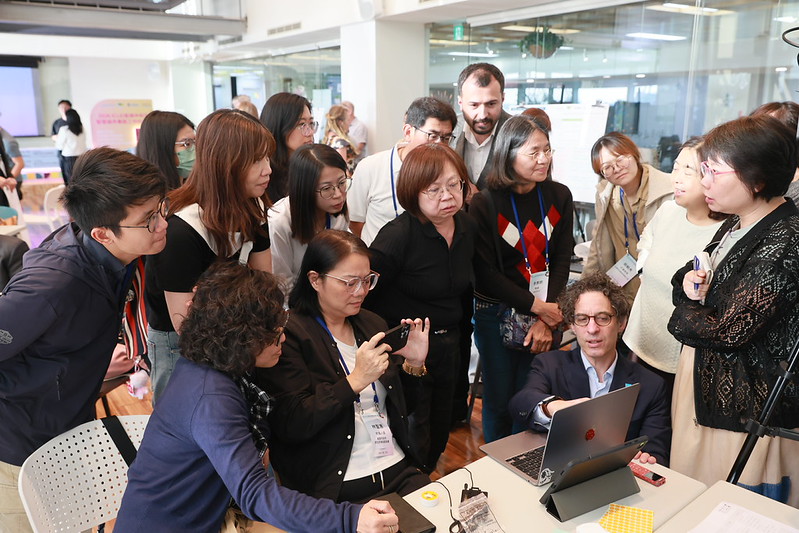
Governance consistently emerged as one of the weakest areas in cities’ self-assessments, highlighting how implementation often breaks down across departments and institutions.
Penang Island, Malaysia, shared that despite having a strong low-carbon master plan and political leadership support, cross-departmental coordination remains difficult. Other cities echoed similar experiences, particularly regarding engagement with the private sector and coordination between municipal divisions.
Goyang, Republic of Korea, emphasized how difficult it can be to align internal departments and external actors around shared climate goals.
Across cities, the message converged: Strong plans alone are not enough. Implementation depends on coordination – across departments, sectors, and stakeholders. Technology has emerged as an important tool for strengthening shared understanding and collaboration. For example, interactive modeling, as in ClimateView, can allow decision-makers to experiment with potential interventions before implementing them.
Communication: Climate ambition runs up against everyday realities, emphasizing the need for a just transition lens.
There is a tension between climate priorities and the day-to-day needs of urban residents, both in how policy is designed and how it is communicated. The urgent need to shift from a narrative of “reducing emissions” to one of “creating flourishing lives for people” resonated with all the cities in attendance. It is essential that this perspective be integrated into urban climate action through an impact assessment that identifies the potential economic and social co-benefits of projects.
Oakland, United States, noted that for many residents struggling with affordability and economic insecurity, climate change does not always appear as an immediate priority. Other cities discussed tensions between decarbonization goals and housing affordability pressures.
As Pourya Salehi put it, “We can no longer afford to have carbon tunnel vision – our focus needs to go beyond emissions reduction to a focus on real human needs.”
A shared framework to unlock insight: Designing transitions, not isolated solutions
To move from diagnosis to action, cities worked with ClimateView’s Transition Element Framework, which breaks urban transitions into a set of structured shifts and enabling conditions based on IPCC mitigation options. By mapping their priorities using a common logic, cities were able to compare approaches, identify gaps, and translate each other’s experiences into actionable insights. Building a shared language opened up new conversations.
In the words of Simone Sandholz, Head of Urban Futures and Sustainability Transformation Programme at United Nations University – Environment and Human Security (UNU-EHS), “Climate action should not be an additional task, but a systemic integration within existing urban sectors.” With this lens, cities leveraged ClimateView’s approach to move from assessment to design, selecting priority sectors and exploring how to accelerate change through targeted interventions and enabling conditions.
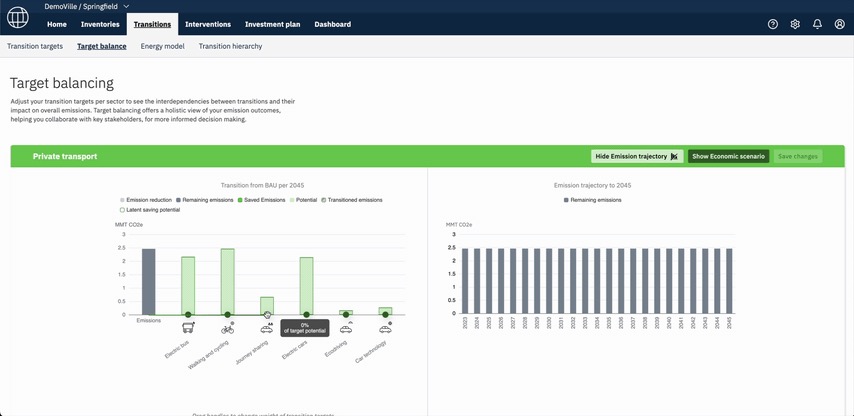
Using interactive tools, participants identified where existing actions fall short and where new interventions could unlock progress. Cities engaged ClimateView’s AI Intervention Library prototype to surface potential solutions and unexpected connections across sectors.
The workshop highlighted how technology can empower leaders to use a transition pathway lens and to communicate the complexity of systemic shifts to multiple stakeholders.
Enabling change: Beyond infrastructure
A key takeaway from the workshop was that infrastructure alone does not deliver transformation; people and systems do.
Cities repeatedly highlighted the importance of enabling conditions including financing mechanisms, workforce development, governance structures, and public perception. As ClimateView’s David Corbett, noted, simply installing electric vehicle charging infrastructure alone does not automatically reduce emissions. Rather, people shifting from petrol to electric vehicles reduces emissions, and a combination of interventions is needed to enable this behavioral change..
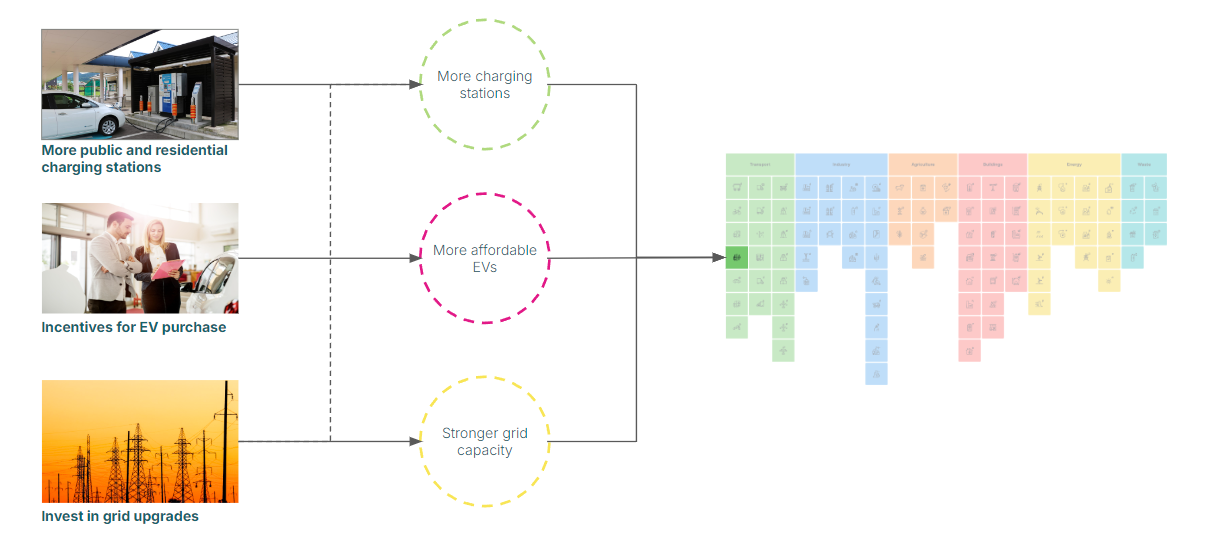
Gwangmyeong illustrated this challenge by explaining how the city identified price transparency as a barrier to EV uptake and responded by developing a free application that provides educational resources and real-time charging rates.
These examples highlight a critical shift: from sector-based thinking to multi-system transitions.
In Australia, Adelaide is linking low-carbon housing with supply chain transformation, workforce training, and land-use planning. Newcastle is using renewable energy investments to drive workforce reskilling and community behavior change.
Similarly, Oakland, United States, is advancing port and freight decarbonization through a mix of infrastructure, regulation, and behavioral incentives, including electrifying heavy trucks and supporting remote work to reduce congestion.
In the ComP host city of Kaohsiung, industrial decarbonization has been accelerated through innovative carbon management systems and green funds. However, the city struggles with the high costs of low-carbon technologies today and severe talent shortages. To fill these gaps, the city is collaborating with universities and private-sector partners on capacity-building training programs through its pioneering Net Zero Institute.
All cities emphasized that enabling conditions, from financing and policy frameworks to talent development and cultural shifts, are just as important as the shifts themselves.
Technology as a tool to empower progress
Throughout the workshop, digital tools played a key role, but not in isolation. As the group leveraged ClimateView’s AI tools to address their transition challenges, Tomer Shalit recognized that “AI cannot replace participatory planning.” But it can unlock new ideas and help us connect the dots between existing ones to support systemic approaches to change.
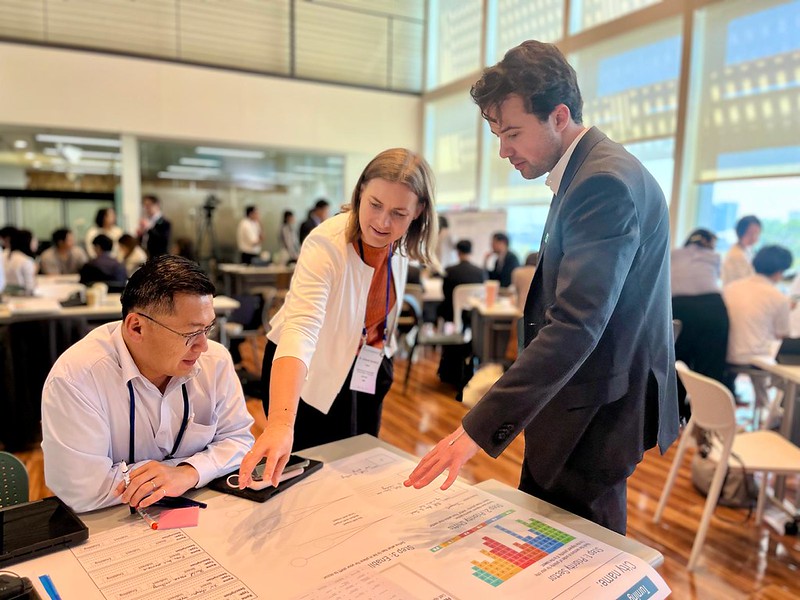
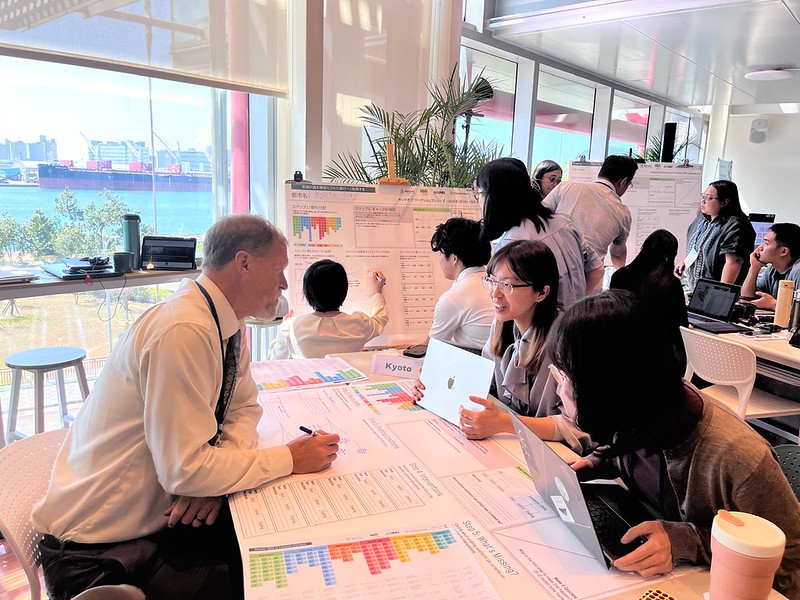
The use of ClimateView’s platform in an analog, collaborative format allowed cities to engage directly with complex transition planning concepts. What emerged from Kaohsiung was not a single solution, but a shared understanding.
Cities already hold deep knowledge about their own transitions. What they often lack is a shared structure and language that makes this knowledge visible, collaborative, and actionable, both internally across departments and externally with stakeholders.
The Kaohsiung-ICLEI ComP offers a space where cities can move beyond sharing experiences to building shared language and actionable pathways together. The transition ahead is not linear. It is complex, interconnected, constantly evolving, and in need of dynamic communities and innovative tools to drive it forward. ICLEI remains committed to collaborating with cities such as Kaohsiung, which are leading the way in creating opportunities for cross-border knowledge-sharing and collaboration essential for accelerating climate action.
*Watch this video featuring insights from the on-the-ground ClimateView team.


