Who gets a say: How cities are engaging those often left out
Cities within the Malmö Commitment on Inclusive and Equitable Communities are undertaking their journey to understand what equity means in their local context. To support that process, ICLEI’s Social Equity Framework breaks down equity into three dimensions: Access, participation, and opportunity. This blog focuses on participation, what it looks like in practice and how Malmö Commitment cities are working to make it more inclusive.
Participation is an important tool for cities to plan and make decisions that represent their residents. In practice, however, participation is uneven. Some voices are consistently present, while others remain less visible. People who are affected by decisions are not always part of the conversations where those decisions take shape.
This can be influenced by a range of factors. Experiences of exclusion, limited access to information, time constraints, and mistrust in institutions may create barriers for people to engage. At the same time, participation processes are not always designed in ways that reflect these realities.
In response, cities are increasingly reflecting on how participation is structured and who it reaches. Rather than relying on a single model, they are experimenting with more accessible ways of engaging residents, adapting formats, working through community partners, and connecting participation more closely to everyday life.
Across Malmö Commitment cities, several complementary participation approaches can be observed:
- Flexible and multi-channel engagement: Offering different formats and levels of involvement to reflect varying time, access, and interest, and adapting participation to different communities.
- Deliberative and dialogue-based participation: Combining structured processes such as assemblies with more informal, neighborhood-level dialogues to create multiple entry points for engagement.
- Participation anchored in local initiatives and community networks: Linking engagement to concrete projects and building on existing relationships and communication channels at the neighborhood level.
- Institutionalized participation in planning processes: Embedding community input into formal governance structures and planning mechanisms.
- Capacity-building and long-term community engagement: Supporting residents to take on active roles through training, ongoing collaboration, and integration into policy processes.
Austin: Expanding how and where participation happens
In Austin, Texas, US, participation is organized across departments, with dedicated community engagement staff shaping how different projects connect with residents. Approaches are adapted depending on the topic and the communities involved. One of the main shared tools is SpeakUp Austin, a platform that brings together surveys and opportunities for public input across the city.
The city recognizes that participation does not reach everyone in the same way. Communities that have been historically marginalized, particularly due to the legacy of racism, are often less represented in engagement processes. This is linked not only to how participation is structured, but also to long-standing experiences of exclusion that have contributed to mistrust in institutions.
In this context, community organizations and non-profits play an important role. They often act as intermediaries, helping to translate between the city and residents, and ensuring that engagement reflects community priorities and lived realities.
Alongside this, the city has been working to make participation more flexible and accessible in practical terms. Not everyone can engage in the same way or commit the same amount of time, and participation formats need to reflect that.
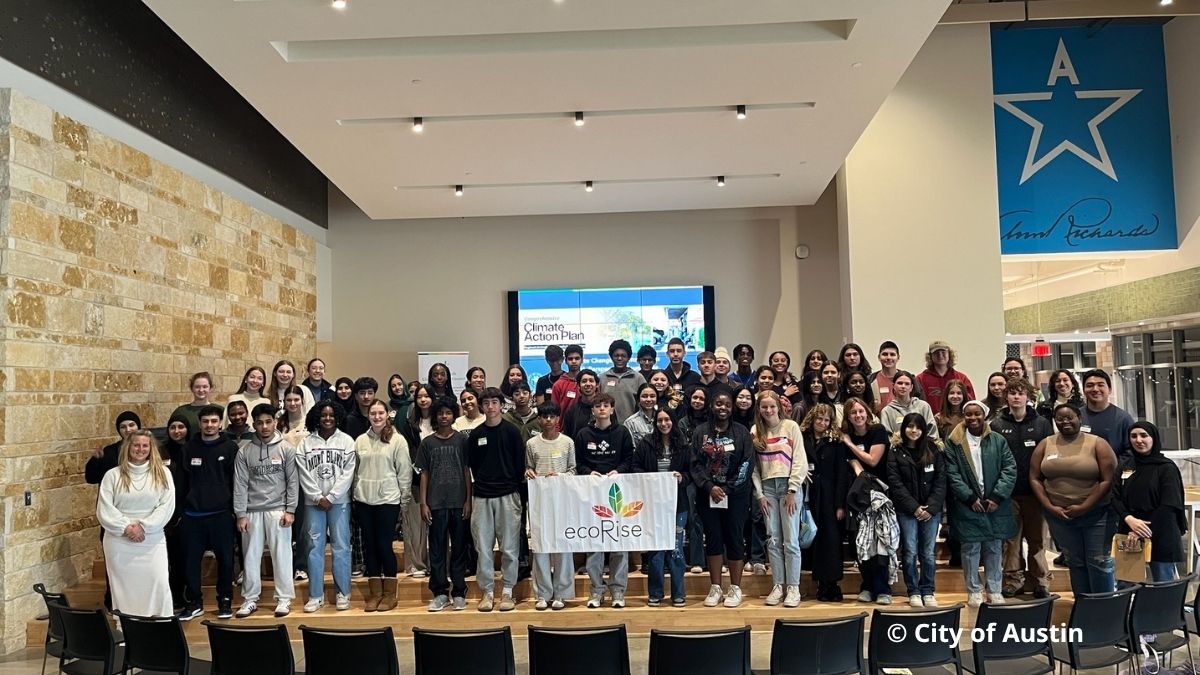
In 2024, as part of the Climate Pollution Reduction Grant Program, Austin developed six different engagement avenues, each with different levels of time commitment and formats. Residents could take part in short discussions, workshops, surveys, or advisory groups. Activities were offered both online and in person, and in some cases integrated into existing community events. Through this approach, more than 1,600 people contributed to the development of the Comprehensive Climate Action Plan (CCAP), which outlines strategies to reduce climate pollution, improve air quality, and address environmental justice in the Austin-Central Texas region.
Advisory groups were involved throughout the process, helping to shape how engagement was carried out and providing continuity across different stages.
The city has also started to address some of the practical conditions that influence whether people are able to participate. Stipends were offered to advisory group members and workshop participants, while small incentives, such as a prize draw for survey responses, were introduced. There is also a continued focus on expanding language access, simplifying participation tools, and strengthening long-term collaboration with community partners.
Malmö: Building participation through dialogue
In Malmö, Sweden, participation is approached as both a structured and relational process, combining formal deliberation with everyday engagement.
Through the Speak Up project, the city has piloted a deliberative climate assembly, bringing together around 40 residents from different backgrounds to discuss climate-related challenges. Participants were selected to reflect diversity in age, neighborhoods, and socioeconomic conditions.
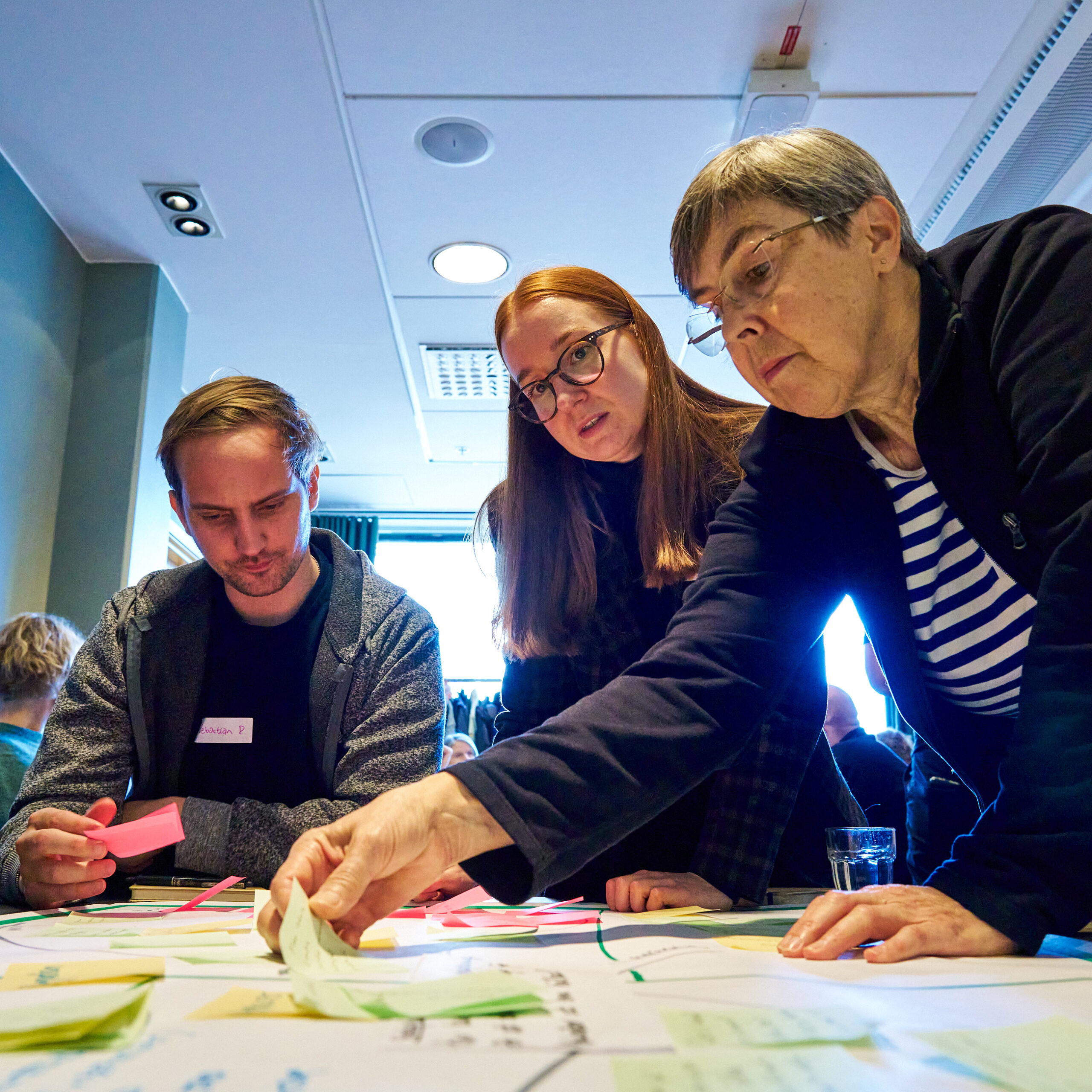
At the same time, Malmö complements these structured processes with neighborhood-based dialogues that are more informal and accessible. These dialogues help to reach residents who may not engage in formal participation settings.
The city also invests in building internal capacity. Municipal staff take part in learning sessions to better understand the barriers residents face, including trust, language, and accessibility. The goal is to embed more inclusive participation into everyday administrative practices.
Across these efforts, Malmö places emphasis on framing discussions in ways that resonate with residents. Conversations about what constitutes a “good life” provide an entry point that connects broader policy questions to everyday experiences.
Rosario: Anchoring participation in local initiatives
Rosario, Argentina, is advancing urban climate resilience in response to increasing exposure to extreme heat and other climate risks, which disproportionately affect communities with low income. The city is implementing initiatives such as neighborhood interventions and shelters, linking adaptation and social inclusion.
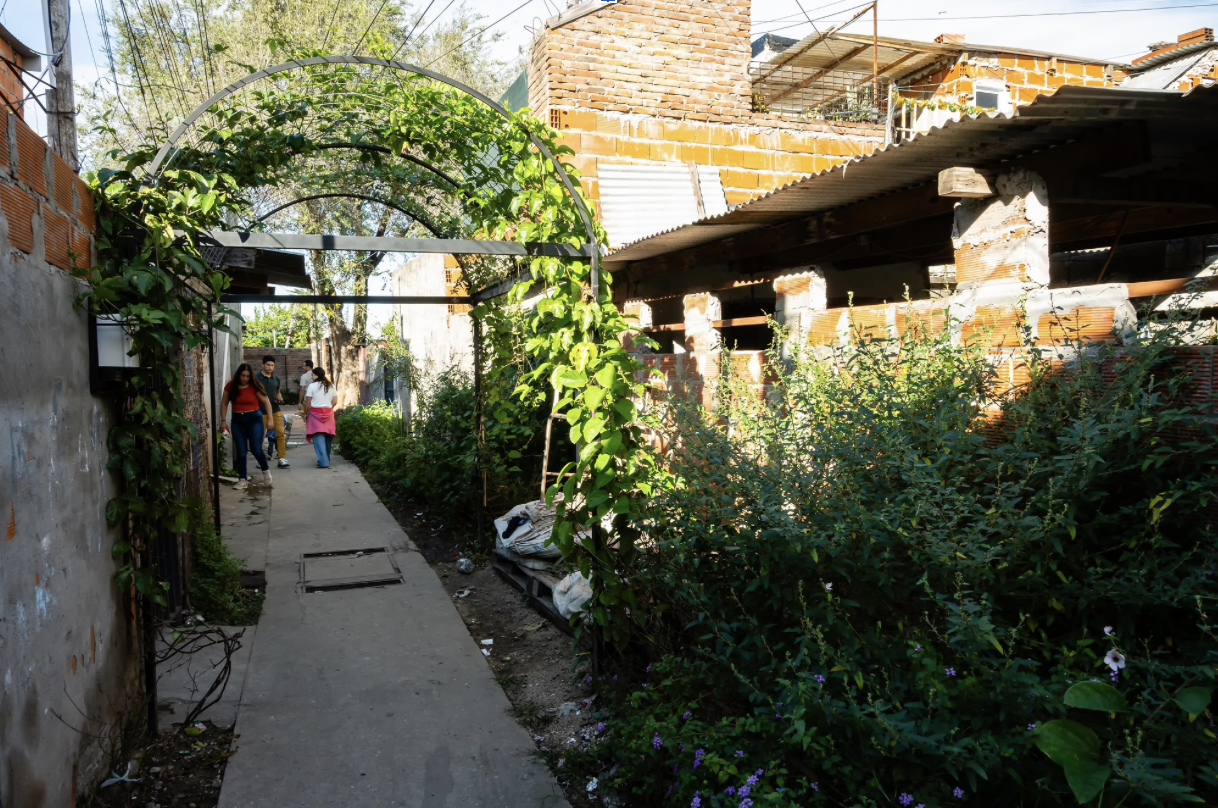
At the neighborhood level, participation is embedded in local projects. In the Moreno Neighborhood Project, Rosario is strengthening climate resilience through a participatory, community-led approach.
The initiative centers on co-design processes, where residents actively shape local interventions through workshops, composting and urban gardening activities. These activities build local capacity to respond to climate risks and support greener neighbourhoods that reduce heat exposure. Participation ensures that local knowledge directly informs climate action.
At the city level, Rosario’s Climate Shelters program provides 86 accessible spaces that offer relief during extreme heat. Implemented with support from the Imagine Adaptation Project (BC3), the program is continuously evolving through data collection and community feedback.
The shelters are designed for people experiencing increased risk due to structural conditions or specific circumstances. They provide essential services, including access to drinking water, cooled spaces, seating and information on climate risks.
These processes rely on strong community networks. Neighborhood representatives, NGOs, and communication channels such as WhatsApp groups are used to mobilize participation and maintain ongoing engagement, building on relationships that already exist.
Pittsburgh: Connecting planning with community structures
In Pittsburgh, Pennsylvania, US, participation is shaped through institutional mechanisms that link community organizations directly to planning processes.
The Registered Community Organization (RCO) program plays a central role. Established to support inclusive engagement, the program connects neighborhood-based organizations to development and planning processes. RCOs review proposals, engage with residents, and provide input that reflects local priorities.
Community engagement is further supported through neighborhood planning processes, where residents work alongside planners to shape local strategies. Tools such as the Pittsburgh Neighborhood Profiles provide detailed data on each neighborhood, helping tailor engagement to different contexts.
To reach residents who may not participate through formal channels, the city complements these structures with direct outreach. Planners go into neighborhoods, knock on doors, and distribute information about ongoing initiatives. Community input is then gathered, synthesized, and mapped, allowing it to inform planning decisions in a structured and transparent way. While resource-intensive, this approach helps to ensure that participation opportunities are visible and accessible.
New Taipei City: Turning community climate action into everyday benefits
On the island of Taiwan, New Taipei City connects climate policy participation to long-term structures that bring together government, experts, and communities. At the same time, the city places strong emphasis on enabling community-based environmental action that is embedded in residents’ daily lives.
At the core of this approach are the Climate Change Response Steering Groups, which are organized into thematic working groups on areas such as energy, transportation, circular economy, and adaptation. These groups meet regularly and bring together city departments alongside representatives from academia, industry, youth, and environmental organizations. Discussions focus on policy direction and implementation, creating a space where different perspectives are brought into ongoing decision-making processes.
Alongside these more structured formats, participation is also embedded in long-standing community networks, where residents can access information and engage with climate-related initiatives. Several programs are designed to connect climate policy to everyday practices such as household energy use, neighborhood-level environmental action, and community-led projects, while also lowering barriers to participation.
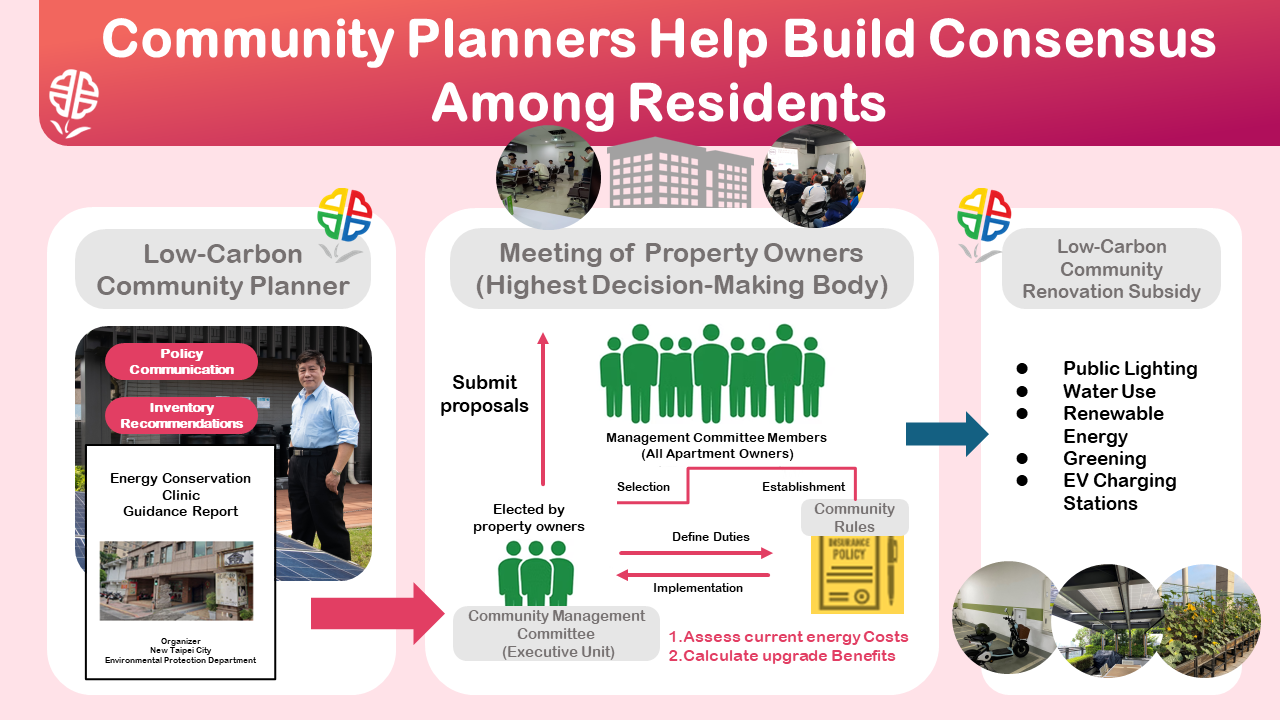
Through the Low-Carbon Community Planner Program, residents are trained to support energy-saving initiatives and develop local energy transition plans within their communities. This creates opportunities for residents to actively shape improvements in their neighborhoods, while also acting as a bridge between communities and the city by bringing forward local needs and priorities.
Youth engagement is addressed through the Youth Energy-Saving Ambassador Program, where students gain practical experience with energy use in environments that reflect daily life. They bring this knowledge into their homes and communities, supporting more inclusive access to information and encouraging behavioral change across different social groups.
Participation is further supported through the Participatory Budgeting Program for Environmental Sustainability, where residents, schools, and community organizations are involved in developing and selecting projects that are then implemented with dedicated funding. This creates a direct link between community input and tangible outcomes, while opening space for a broader range of participants to shape local environmental action.
Across these initiatives, participation is closely linked to tangible co-benefits, such as reduced energy costs, improved living conditions, and increased environmental awareness at the neighborhood level. The city is integrating training, funding support for community-led projects, and ongoing collaboration to make climate policy engagement more accessible, practical, and meaningful for a wide range of residents.
Looking ahead
Across these cities, what stands out is a growing recognition that participation needs to be more inclusive and intentional. There is a clear commitment to engaging those who are affected by decisions but are not always part of the processes where these decisions are shaped.
At the same time, these efforts are not one-off initiatives. They reflect sustained momentum within city administrations to rethink how participation is designed and implemented, and to continue adapting approaches over time.
Participation still requires time, resources, and ongoing effort, both from cities and from residents. What these examples show, however, is that participation is not a fixed model. It continues to evolve as cities reflect on who is being reached, who is not, and how engagement can become more inclusive over time.