When the heat rises, cities act
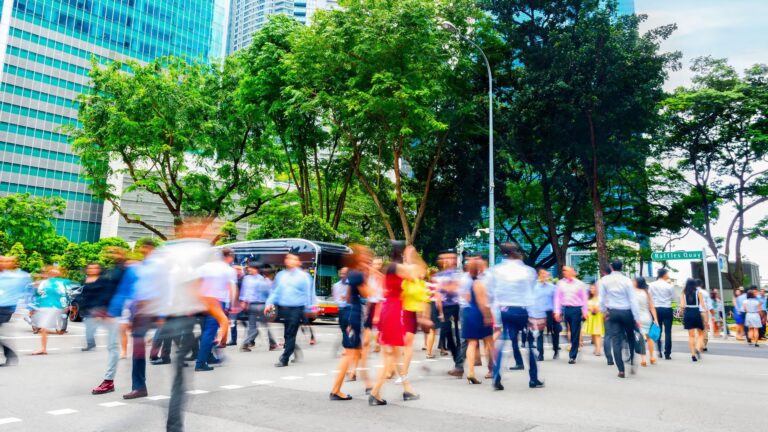
Heat Action Day, celebrated every year on 2 June, is a moment to recognize the scale of the challenge and the growing range of responses cities are leading. Across ICLEI’s network, those responses take many forms.
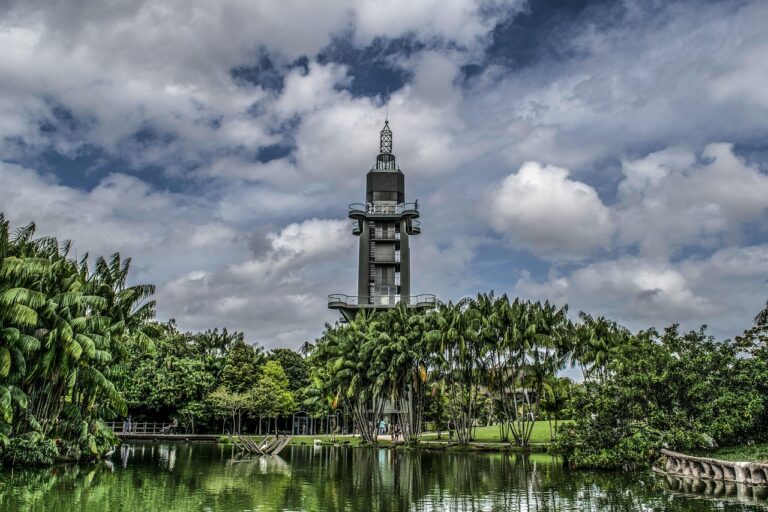
Sitting at the edge of the Amazon rainforest, surrounded by rivers, parks, and some of the richest biodiversity on the planet, Belém seems an unlikely place to talk about heat as a crisis. And yet…
While climate resilience assessment tools help cities understand their risks, adaptation projects often need a final push to become a viable investment opportunity.
The Urban Infrastructure Insurance Facility (UIIF), introduces an innovative way for cities in Latin America and the Caribbean to access climate adaptation financing, including the insurance market, collectively pool risk, and protect critical infrastructure and vulnerable populations.
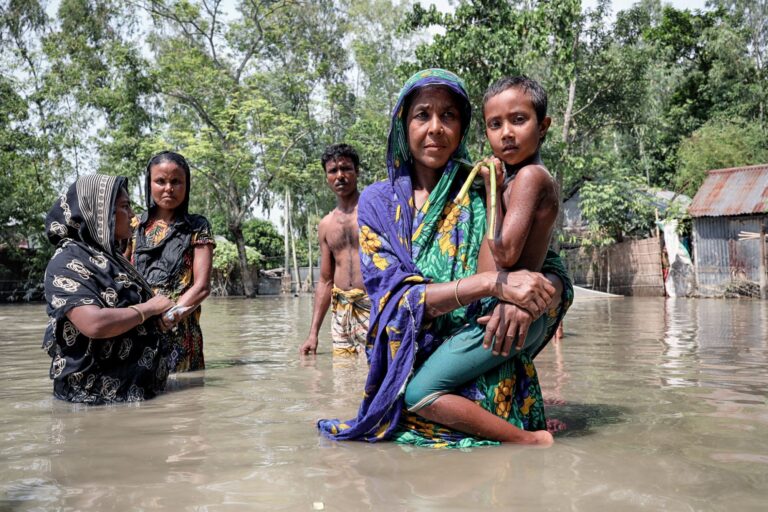
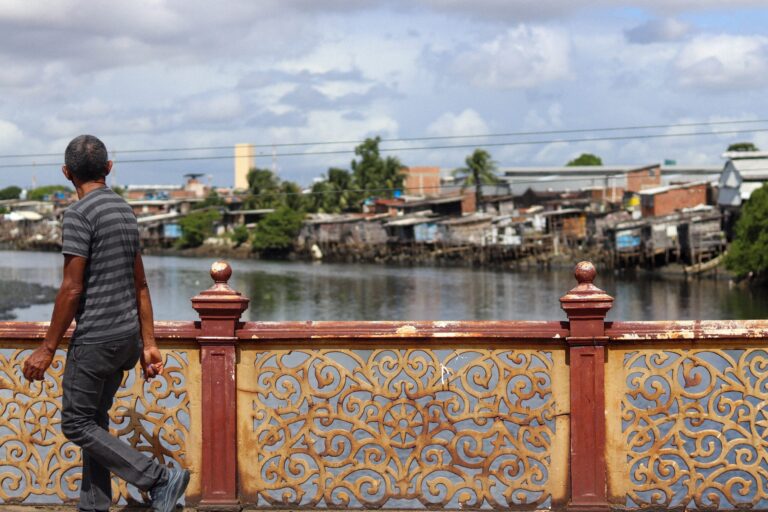
Climate migration is no longer a future threat: It’s a present-day reality, with cities on the frontline of response. From building resilient, inclusive infrastructure to shifting public narratives and planning ahead, local governments have a critical role to play.
As cities face extreme weather events and growing inequality, nature-based solutions (NbS) can boost biodiversity, manage risks, and improve urban life. But financing remains the biggest hurdle. Turning ideas into action means rethinking how we plan, value, and invest in nature.
Local and regional governments are paying attention to the multilateral oceans agenda because of the myriad ways life in coastal cities, towns and regions depends on the health and sustainability of our oceans.
Born from the 1992 Earth Summit in Rio de Janeiro, these three multilateral environmental agreements have shaped how the international community approaches global environmental challenges.
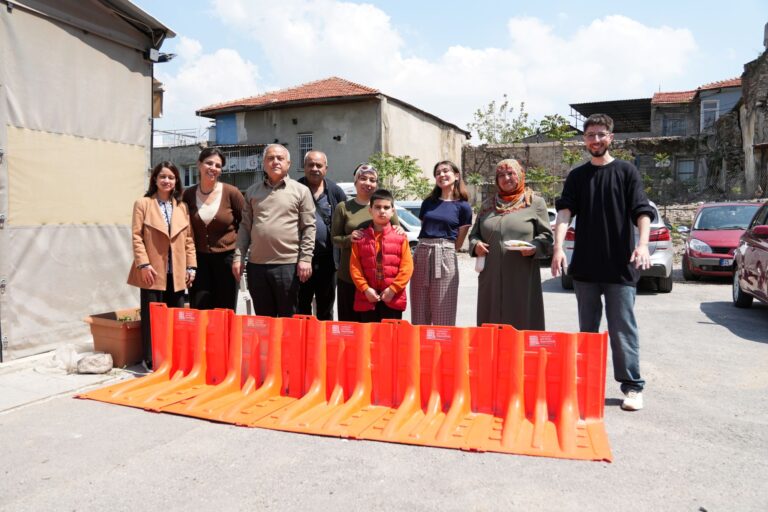
When projects like the Climate Resilience for Communities (CRC) initiative take the time to listen to these stories, they turn local communities’ traditional practices into effective, long-term, resilient and sustainable solutions.
Malmö’s sea and coast have a great untapped potential that the city can develop and benefit from. A lot is already being done – but the city can and must do even more.