From waste to resources: Colón, Cuba building circularity and resilience
Rather than treating waste management in isolation, Colón is exploring how resource recovery, local planning, community participation, and climate action can all be connected.

It builds sustainable societies that use recyclable, sharable, and regenerative resources to end the linear model of “produce, consume, discard” while continuing to meet the material and development needs of a growing global population.
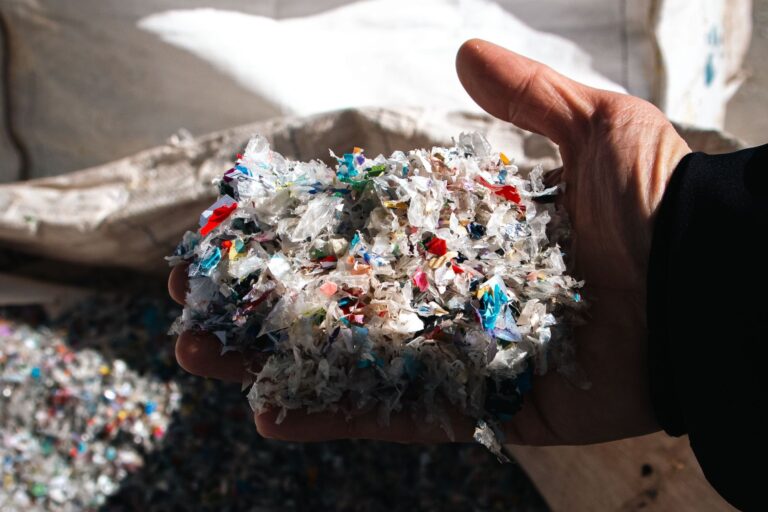
Rather than treating waste management in isolation, Colón is exploring how resource recovery, local planning, community participation, and climate action can all be connected.
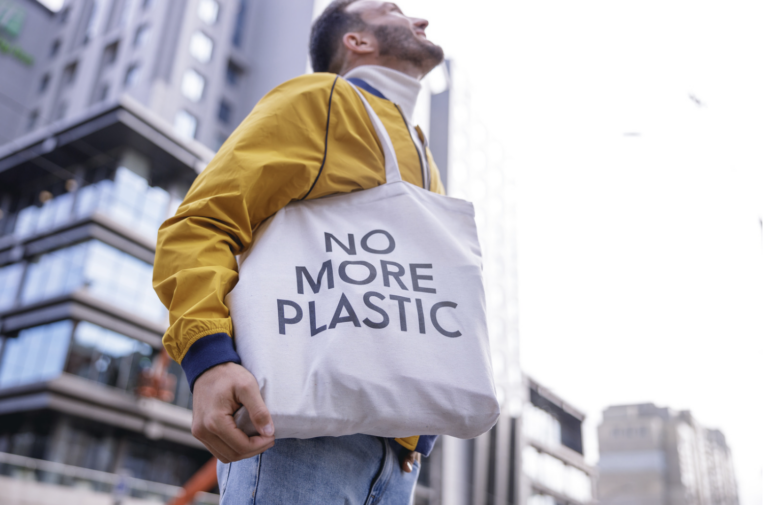
From reducing emissions to boosting climate adaptation, cities around the world are showing how Rethink, Regenerate, Reduce, Reuse and Recover strategies are turning action on plastics into a powerful lever for climate action.
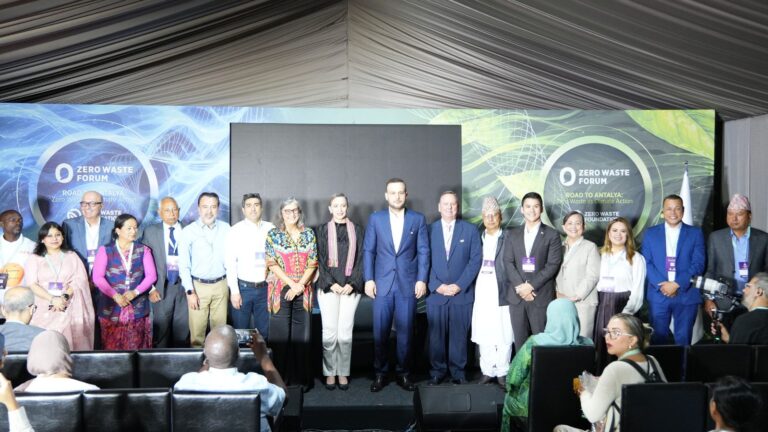
At the Zero Waste Forum 2026 (5-7 June, Istanbul, Türkiye), cities made the case that transforming waste into a resource is emerging as one of the most practical pathways for delivering climate action, strengthening resilience, and advancing sustainable urban development.
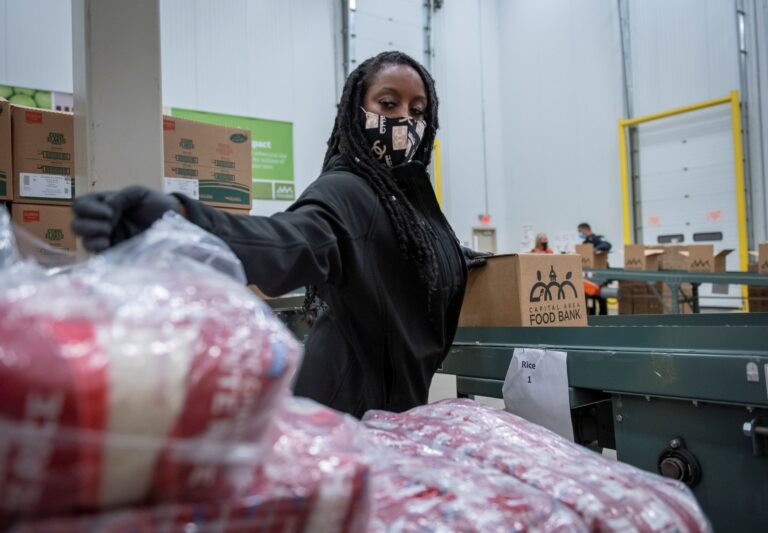
This year’s Zero Waste Day, our focus is on food – an area where the potential for impact is both urgent and transformative. Across four cities, innovative approaches are showing how the loop between farm and fork can be closed through actionable policies and community engagement.

Across Africa, food entrepreneurs across the coffee, fisheries, poultry, and dairy sectors are reshaping how food is produced, packaged, reused, and valued.
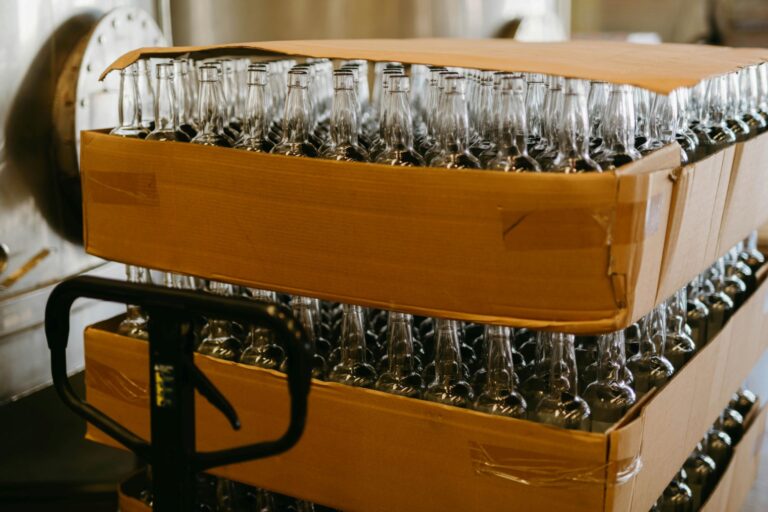
From coffee cups to soda bottles, over 1,000 tonnes of waste are generated every day in Medellín, Colombia. In response, the city has been focusing on reusable systems.
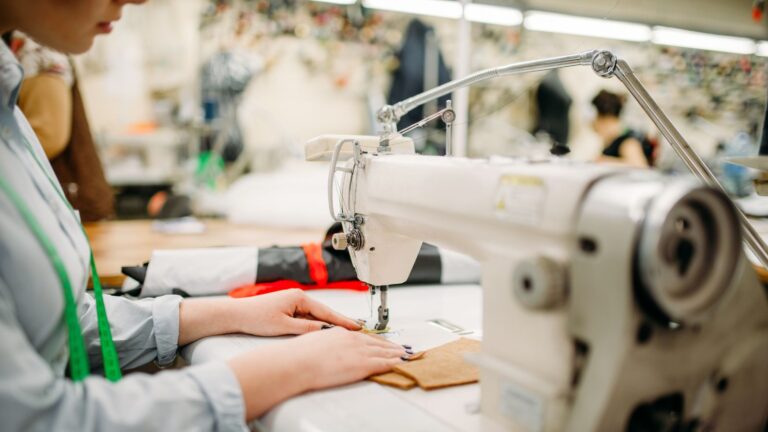
From recycling hubs to traceability and green finance, ICLEI’s SWITCH-Asia project is helping Chinese small and medium size enterprises go circular. Read about six field-tested levers cities can apply – each with a clear 90-day checklist to drive real impact.

In fiscal year 2024, ICLEI Members in Japan engaged in various activities connected to ICLEI’s five pathways toward sustainable urban…
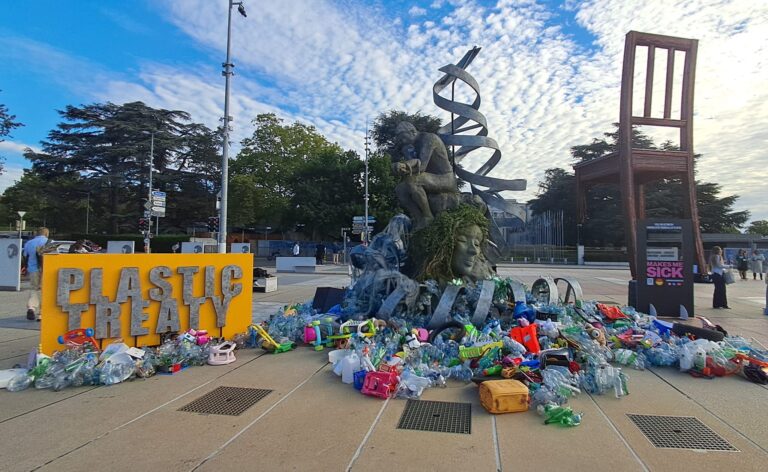
As global Plastics Treaty negotiations failed to reach consensus, cities and regions cannot wait. Read four takeaways to guide local action against the plastic waste piling up daily in cities.
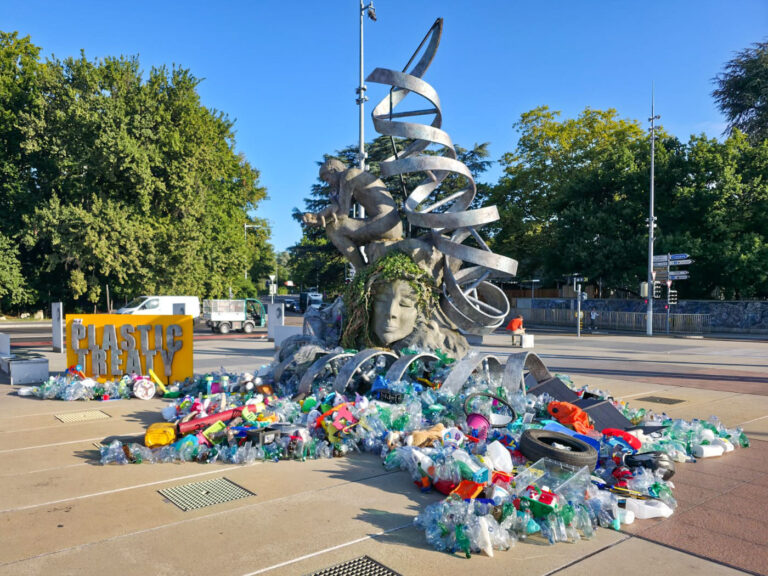
As countries race to finalize a global plastics treaty by the end of 2025, a critical round of negotiations is underway in Geneva, Switzerland. From production limits to toxic chemical bans, what’s on the table and why must cities have a seat at it?

What if your coffee cup or takeout container didn’t end up in the trash, but went back into circulation, reducing waste, cutting emissions, and sparking local innovation and green jobs? Explore lessons from the Circular City Labs project.

With lush forests, clean air, and a fast-growing green economy, Guiyang is proving that cities can thrive without costing the Earth. On 5–6 July, urban leaders will gather here for the Eco Forum Global Annual Conference to promote harmony between humans and nature, a journey that Guiyang has proudly led for years