Malmö’s blueprint for green finance and what other cities can learn
Malmö competes for capital alongside covered bond issuers, national governments, and corporate. How can a city be so successful?
At the subnational level, ICLEI drives change along five interconnected pathways that cut across sectors and jurisdictional boundaries. This design enables local and regional governments to develop solutions in a holistic and integrated way, creating change across entire urban systems. We influence sustainability policy and drive local action for zero emission, nature-based, equitable, resilient and circular development.
Malmö competes for capital alongside covered bond issuers, national governments, and corporate. How can a city be so successful?
Ahead of the First Conference on the Just Transition Away from Fossil Fuels (24–29 April) in Santa Marta, Colombia, local and regional governments are turning this shift into fair, workable change, from energy planning to renewables and workforce reskilling.
The discussions showed how financing, peer learning, and cooperation across regions can help protect migratory species in the habitats and corridors they depend on.
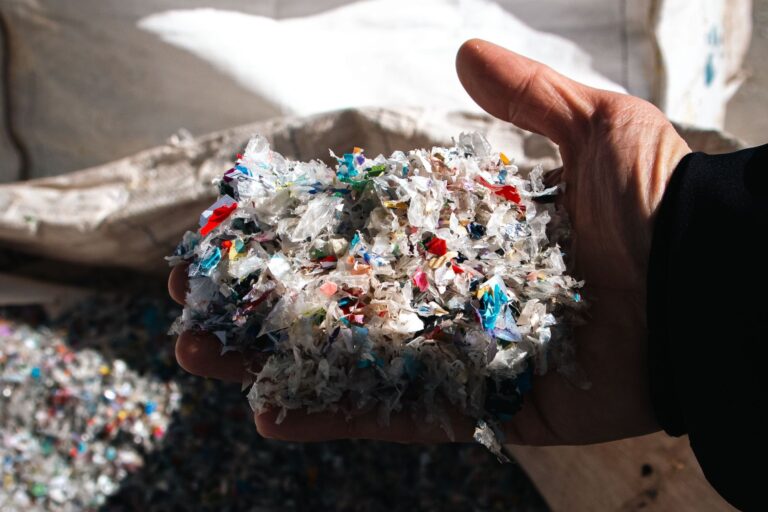
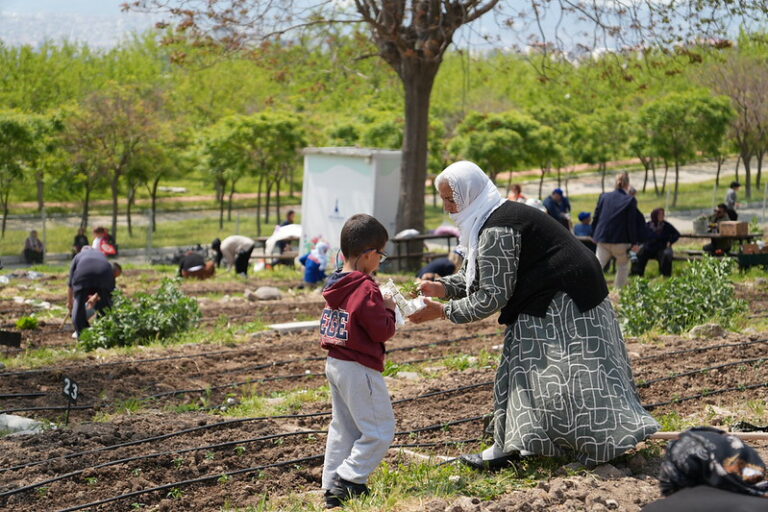
This year’s Zero Waste Day, our focus is on food – an area where the potential for impact is both urgent and transformative. Across four cities, innovative approaches are showing how the loop between farm and fork can be closed through actionable policies and community engagement.
Many local governments still struggle to access affordable, long-term capital at scale. Green finance can help – when it is embedded in systems and treated as an institutional responsibility.
Municipalities pool their borrowing needs, present a combined credit profile to capital markets, issue bonds collectively, and lend the proceeds to member municipalities at lower cost.
The impacts of climate hazards are not gender-neutral; women are often among those most affected. As cities make critical decisions on climate policy and resilience investments, Recife, Brazil, is showing how empowering women leaders in vulnerable communities can strengthen climate resilience for all.
Identifying equity challenges creates better opportunities to build communities where benefits and burdens are fairly shared. Indicators that reflect geographic, social, and economic realities highlight where injustices exist so local governments can focus their efforts effectively.
Through ICLEI’s Transformative Actions Program, UrbanShift cities across Asia, Africa, and Latin America are strengthening project design, financial planning, and investor engagement to move from concept to capital.
Through several projects, ICLEI supports cities in applying the Gender Equality, Disability and Social Inclusion (GEDSI) approach to climate action by providing capacity-building, technical guidance, and multi-stakeholder engagement to help address inequalities and ensure climate planning and policies are inclusive by design.
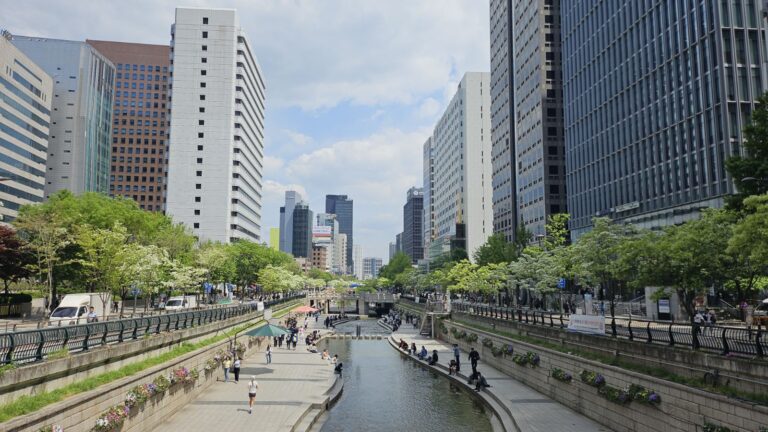
As more people settle in urban areas, mobility and urban governance become increasingly interconnected. Cities in the Malmö Commitment are integrating mobility into long-term planning for social inclusion, economic vitality and demographic sustainability.
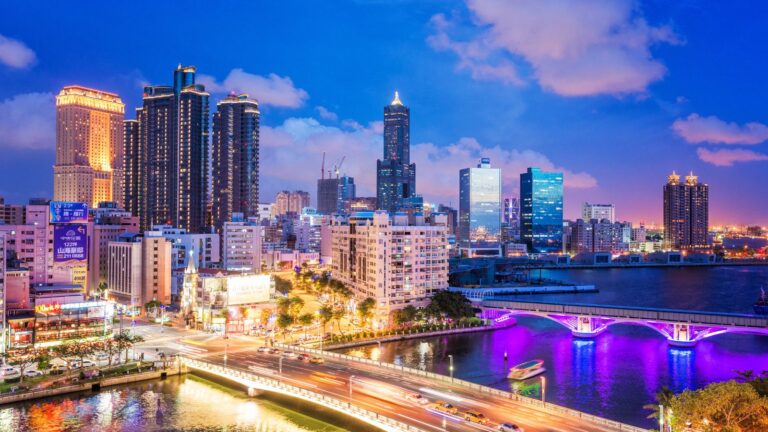
From rural mobility services to neighborhood climate hubs, these cities — on the island of Taiwan and in Germany — show how climate action designed with local organizations can improve daily life, deliver social benefits, and advance climate goals.