From waste to resources: Colón, Cuba building circularity and resilience
Rather than treating waste management in isolation, Colón is exploring how resource recovery, local planning, community participation, and climate action can all be connected.

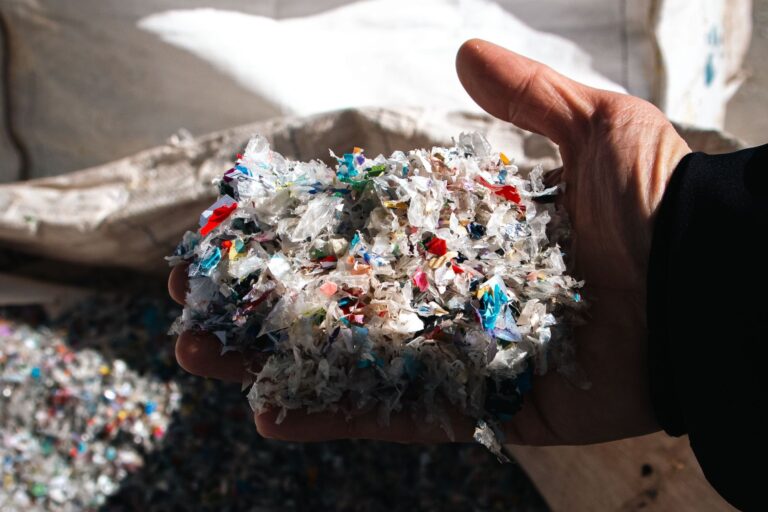
Rather than treating waste management in isolation, Colón is exploring how resource recovery, local planning, community participation, and climate action can all be connected.

Investments in stormwater infrastructure, preventive maintenance, and technical planning aim to reduce flood risks, protect communities, and maintain mobility.
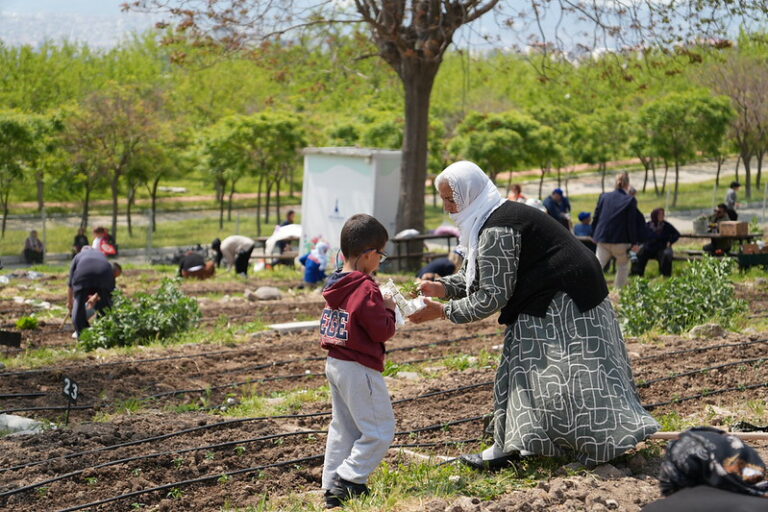
This blog examines the interdependence between equity and resilience, exploring how climate-related risks are experienced across different regions and how ICLEI’s work around the world integrates both in responding to these risks.
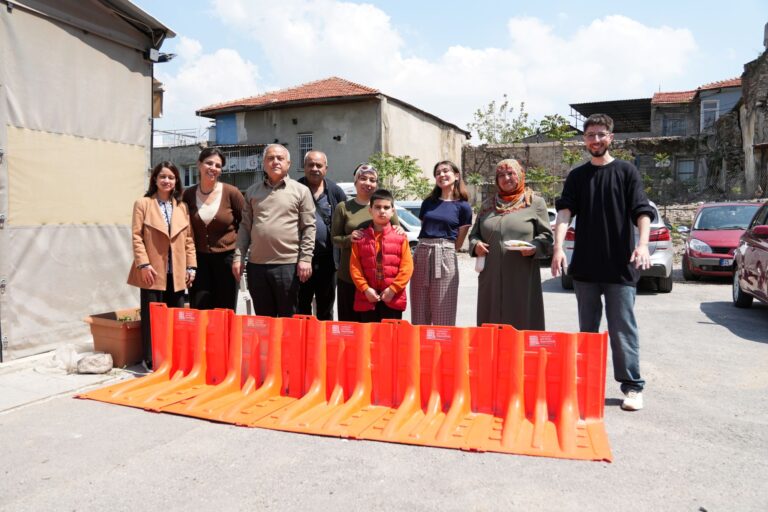
In Pazaryeri, it does not take a major flood to ruin a shop or damage a home, and it does not take a major intervention to prevent it.
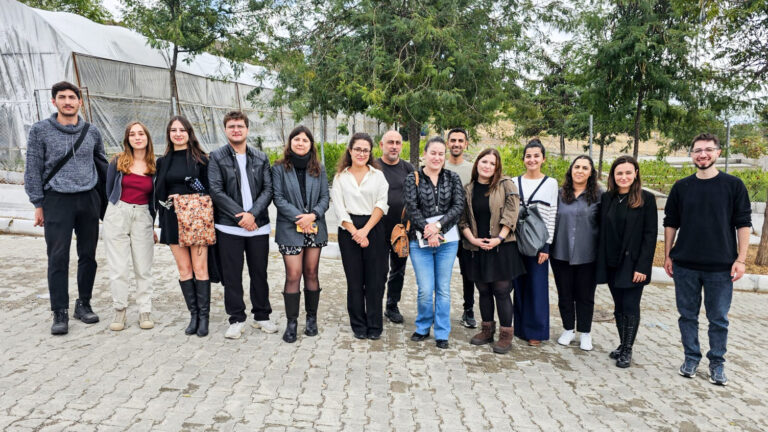
In Izmir, four departments stopped working in silos and built one shared curriculum, with results none of them expected.
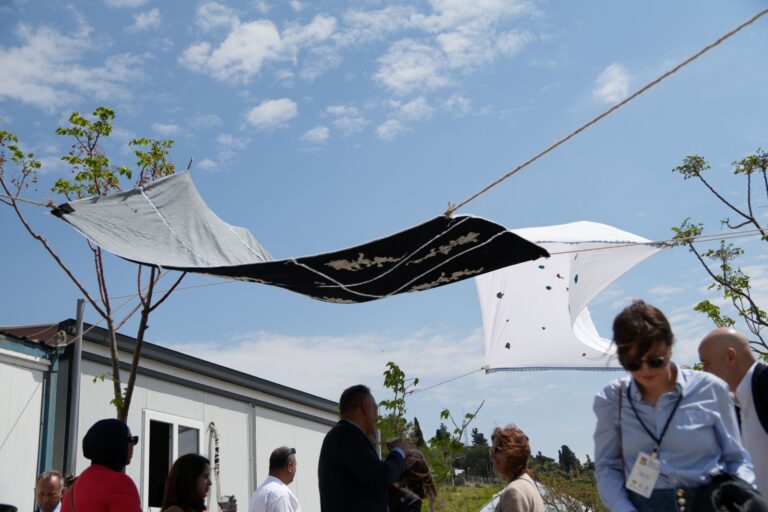
Heat Action Day, celebrated every year on 2 June, is a moment to recognize the scale of the challenge and the growing range of responses cities are leading. Across ICLEI’s network, those responses take many forms.
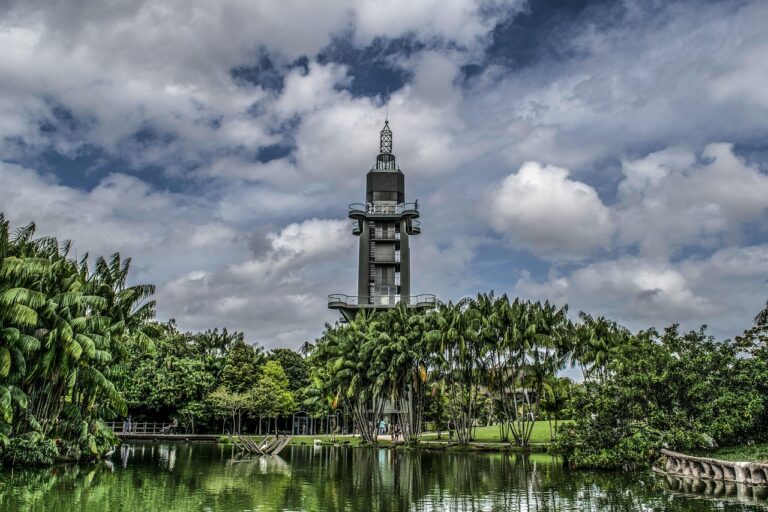
Sitting at the edge of the Amazon rainforest, surrounded by rivers, parks, and some of the richest biodiversity on the planet, Belém seems an unlikely place to talk about heat as a crisis. And yet…

The impacts of climate hazards are not gender-neutral; women are often among those most affected. As cities make critical decisions on climate policy and resilience investments, Recife, Brazil, is showing how empowering women leaders in vulnerable communities can strengthen climate resilience for all.
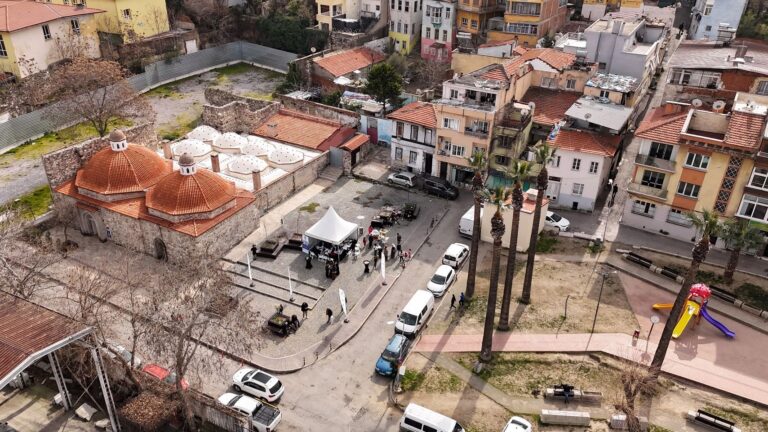
While climate resilience assessment tools help cities understand their risks, adaptation projects often need a final push to become a viable investment opportunity.
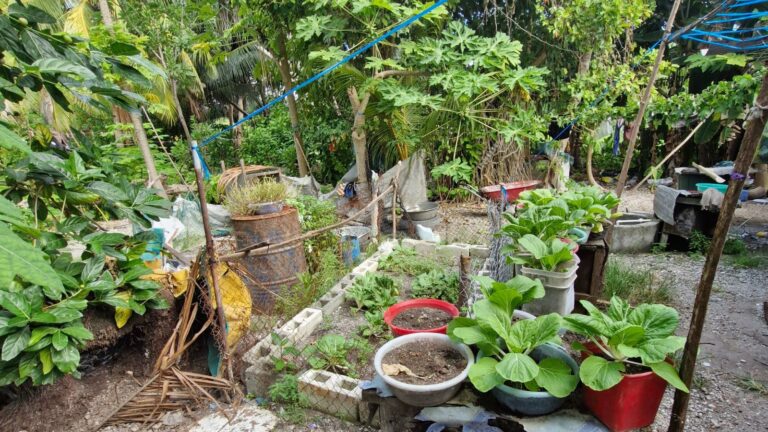
Through the IKI-funded Blue-Green Development in Kiribati project, communities in South Tarawa pair local know-how with practical tools to boost food security and strengthen resilience, proving that land-based, nutritious food systems can thrive even in fragile atoll landscapes.

Local and regional governments are paying attention to the multilateral oceans agenda because of the myriad ways life in coastal cities, towns and regions depends on the health and sustainability of our oceans.

How can we ensure tourism not only thrives but also helps protect our planet?