Reaching people where it matters: How cities engage with those most affected by inequality
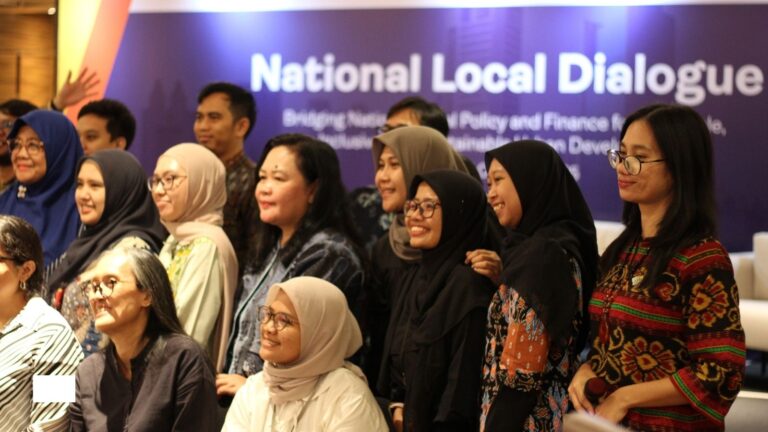
Across the Malmö Commitment network, cities apply intersectional approaches, showing that equity is an ongoing practice shaped by residents’ realities.
At the subnational level, ICLEI drives change along five interconnected pathways that cut across sectors and jurisdictional boundaries. This design enables local and regional governments to develop solutions in a holistic and integrated way, creating change across entire urban systems. We influence sustainability policy and drive local action for zero emission, nature-based, equitable, resilient and circular development.
Across the Malmö Commitment network, cities apply intersectional approaches, showing that equity is an ongoing practice shaped by residents’ realities.
The Urban Infrastructure Insurance Facility (UIIF), introduces an innovative way for cities in Latin America and the Caribbean to access climate adaptation financing, including the insurance market, collectively pool risk, and protect critical infrastructure and vulnerable populations.
This blog was written by Jannis Niethammer and co-authored by Emily West and Daniel Botha from ICLEI Europe. Climate action…
How chemicals from dry cleaning add harmful gases to the air, and how the city is switching to cleaner machines, tougher pollution rules, and smarter city policies to help everyone breathe easier.
While parts of Europe and North America are slowing their push for renewable energy, Southeast Asia’s clean energy transition is gaining speed.
Food systems, by their very nature, cross boundaries. That’s why FoodCLIC is expanding both the sectors of knowledge involved and the geographies engaged.
Through the IKI-funded Blue-Green Development in Kiribati project, communities in South Tarawa pair local know-how with practical tools to boost food security and strengthen resilience, proving that land-based, nutritious food systems can thrive even in fragile atoll landscapes.
From coffee cups to soda bottles, over 1,000 tonnes of waste are generated every day in Medellín, Colombia. In response, the city has been focusing on reusable systems.
From recycling hubs to traceability and green finance, ICLEI’s SWITCH-Asia project is helping Chinese small and medium size enterprises go circular. Read about six field-tested levers cities can apply – each with a clear 90-day checklist to drive real impact.
Climate action is only as effective as the communities it reaches. Through the INCLU:DE project, ICLEI and partner cities are testing practical ways to remove barriers and make climate programs accessible and fair. The result: Higher uptake of climate solutions and more resilient, trusted local governance.
Building child-friendly cities is a climate adaptation strategy. In Austria, Graz and Feldbach prove it works.
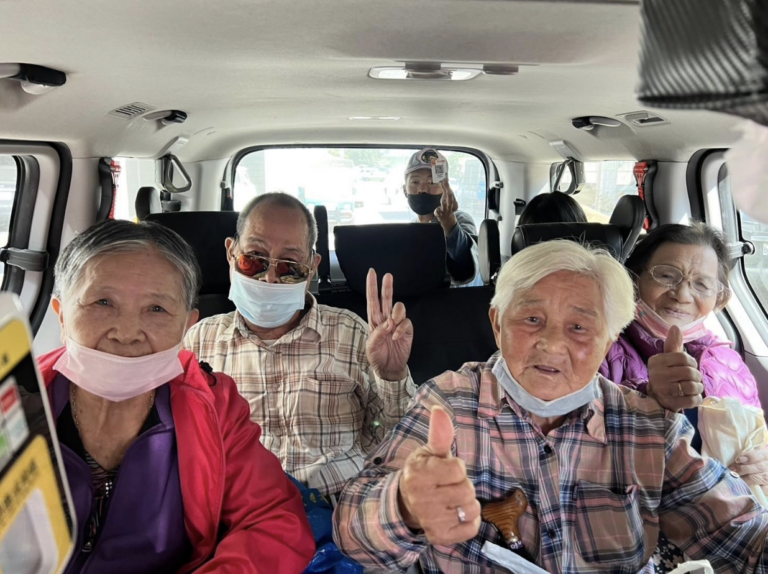
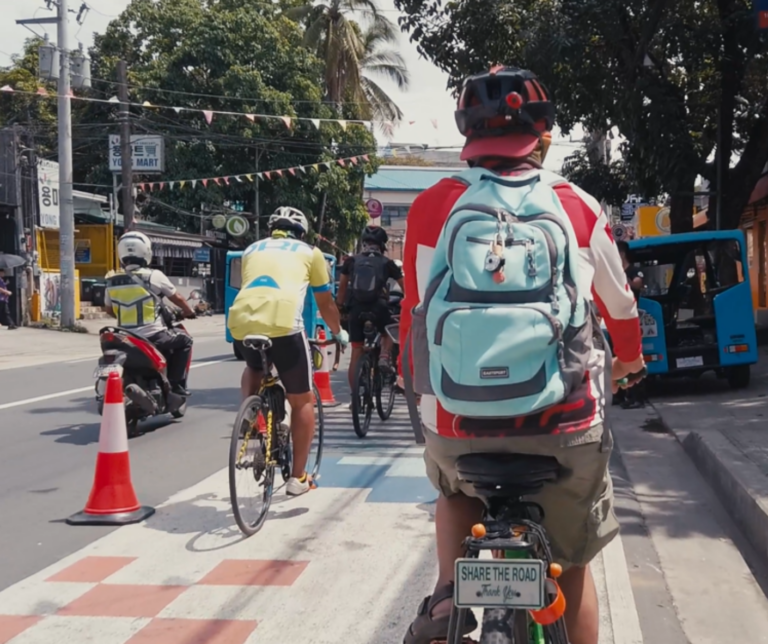
From uneven sidewalks and distant bus stops to unsafe, costly rides, mobility gaps are an everyday reality. Cities in the Malmö Commitment, ICLEI’s global network on prioritizing equity in sustainable development, are removing barriers with equity-led, people-centered approaches that make moving safer and easier for all.