Small floods, small solutions: How a neighborhood in Izmir learned to hold back the water
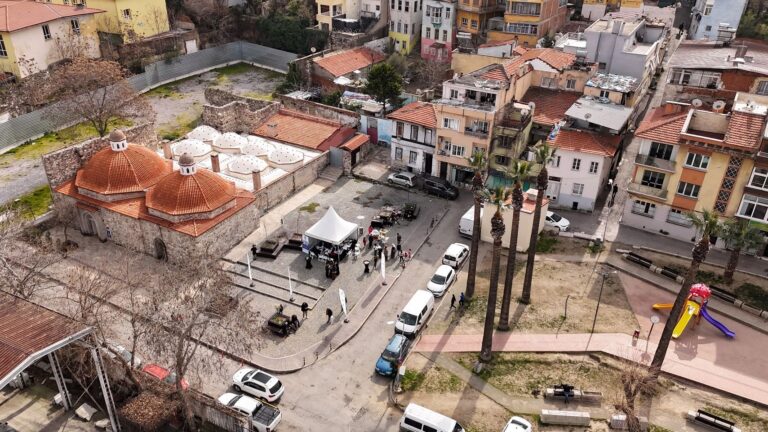
In Pazaryeri, it does not take a major flood to ruin a shop or damage a home, and it does not take a major intervention to prevent it.

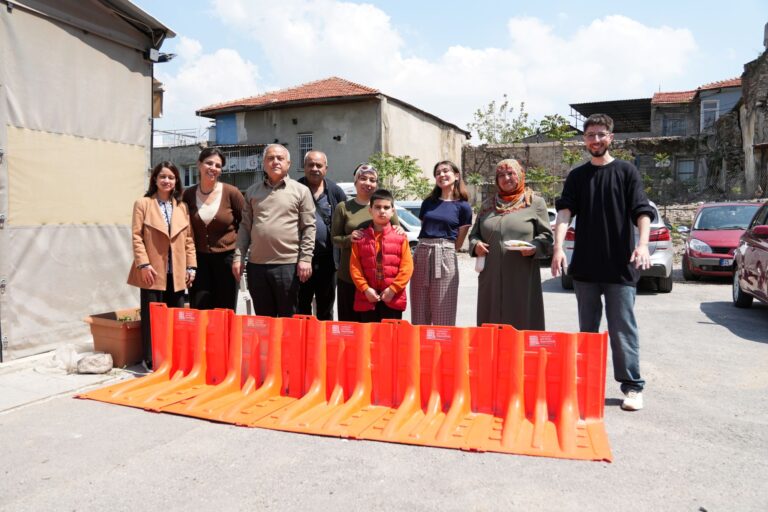
In Pazaryeri, it does not take a major flood to ruin a shop or damage a home, and it does not take a major intervention to prevent it.
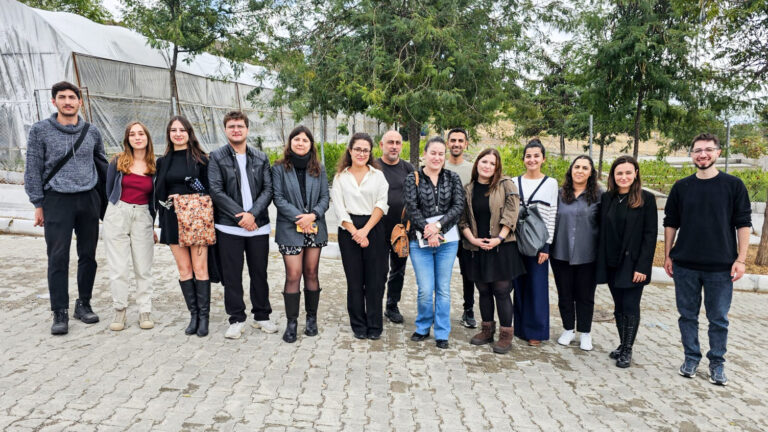
In Izmir, four departments stopped working in silos and built one shared curriculum, with results none of them expected.
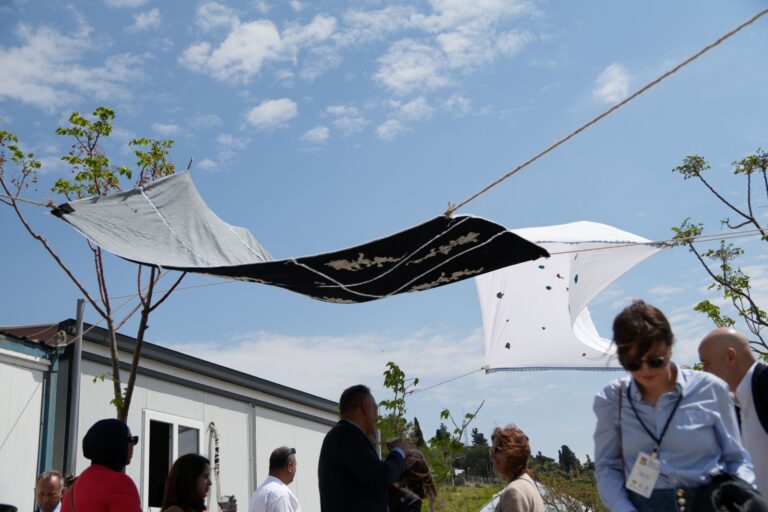
Heat Action Day, celebrated every year on 2 June, is a moment to recognize the scale of the challenge and the growing range of responses cities are leading. Across ICLEI’s network, those responses take many forms.
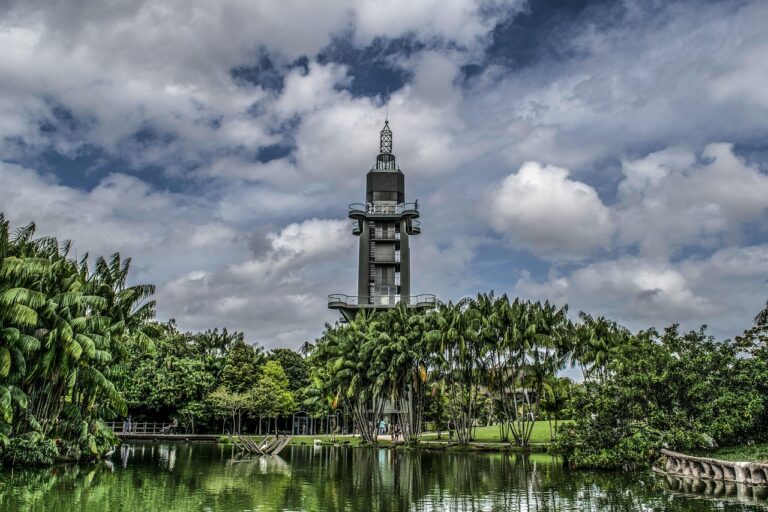
Sitting at the edge of the Amazon rainforest, surrounded by rivers, parks, and some of the richest biodiversity on the planet, Belém seems an unlikely place to talk about heat as a crisis. And yet…
While climate resilience assessment tools help cities understand their risks, adaptation projects often need a final push to become a viable investment opportunity.
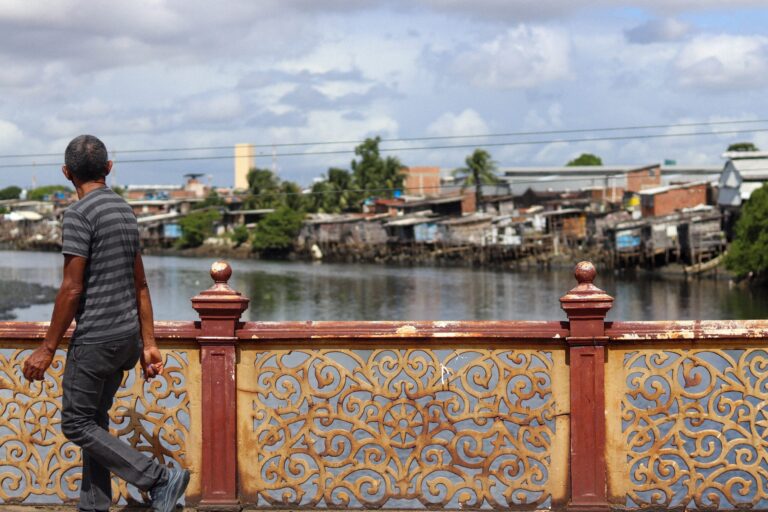
The Urban Infrastructure Insurance Facility (UIIF), introduces an innovative way for cities in Latin America and the Caribbean to access climate adaptation financing, including the insurance market, collectively pool risk, and protect critical infrastructure and vulnerable populations.

Climate action is only as effective as the communities it reaches. Through the INCLU:DE project, ICLEI and partner cities are testing practical ways to remove barriers and make climate programs accessible and fair. The result: Higher uptake of climate solutions and more resilient, trusted local governance.
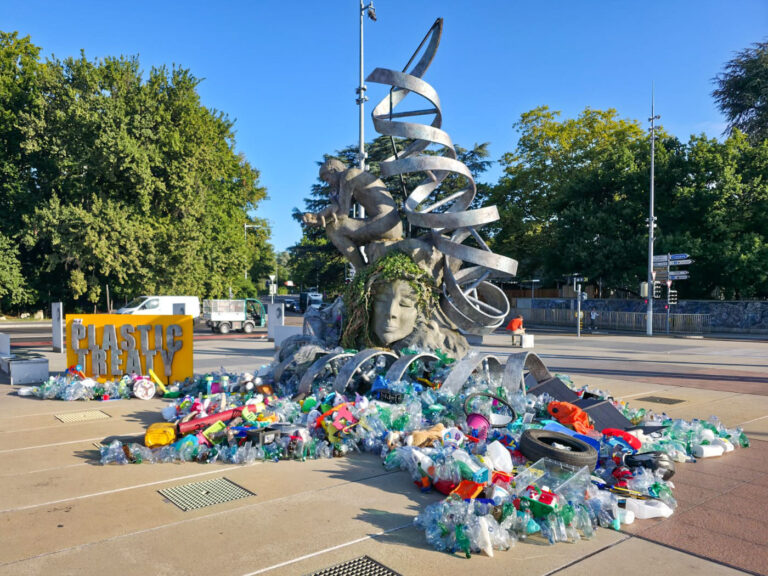
As countries race to finalize a global plastics treaty by the end of 2025, a critical round of negotiations is underway in Geneva, Switzerland. From production limits to toxic chemical bans, what’s on the table and why must cities have a seat at it?
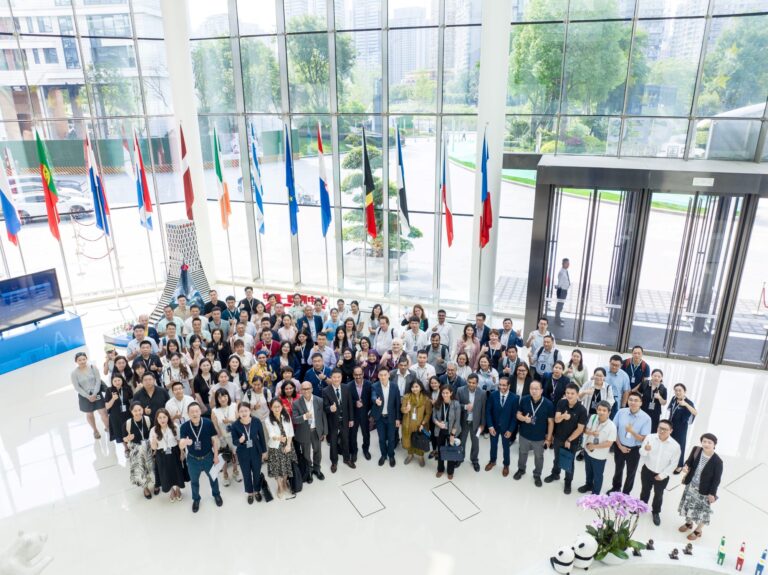
As national governments are preparing their next round of Nationally Determined Contributions, their success depends heavily on actions taken at the local level.

The 2nd CHAMP UNFCCC Focal Point Dialogue provided a platform for national government endorsers and their strategic partners to assess progress and guide CHAMP’s implementation toward COP30.

Mostly not. And that’s an issue, since one of the drivers of success for COP30 could be how well the NDCs 3.0 reflect and enable climate action in cities.

Born from the 1992 Earth Summit in Rio de Janeiro, these three multilateral environmental agreements have shaped how the international community approaches global environmental challenges.
