Small floods, small solutions: How a neighborhood in Izmir learned to hold back the water
In Pazaryeri, it does not take a major flood to ruin a shop or damage a home, and it does not take a major intervention to prevent it.

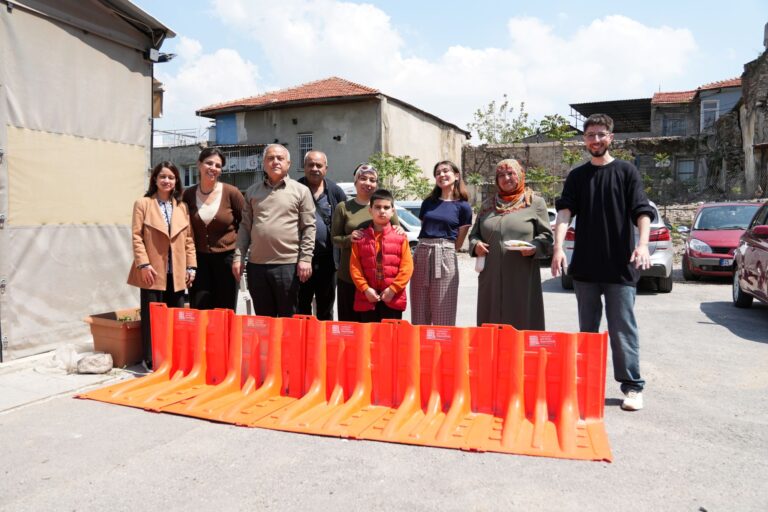
In Pazaryeri, it does not take a major flood to ruin a shop or damage a home, and it does not take a major intervention to prevent it.
The forthcoming Intergovernmental Panel on Climate Change (IPCC) Special Report on Climate Change and Cities (SR-Cities) could become a major scientific and political resource for urban climate action. But whether it does will depend on work already underway to translate evidence into stronger multilevel governance, practical tools, investment-ready solutions, and locally meaningful narratives.
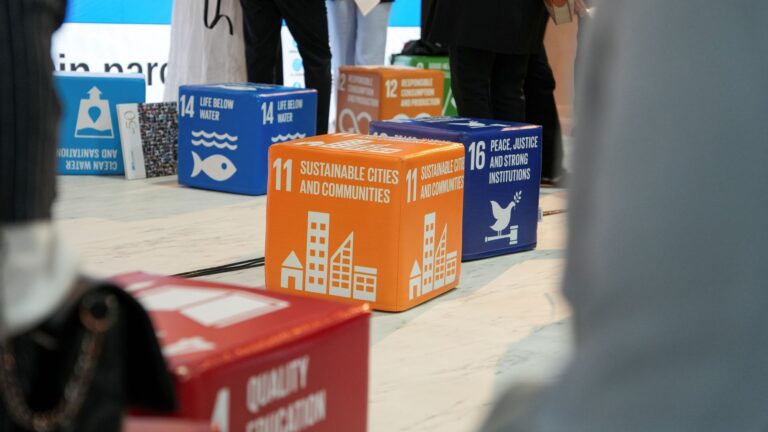
ICLEI emphasized the indispensable role of local and regional governments in delivering global commitments and helping shape the international framework that will succeed them.
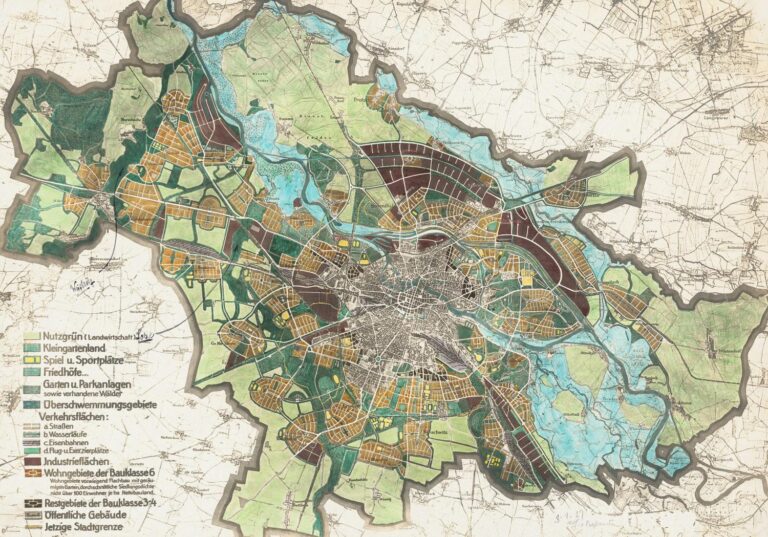
Where people live often determines the opportunities and risks they face – albeit often resulting from economic pressures, planning decisions, environmental conditions, and historical policies.
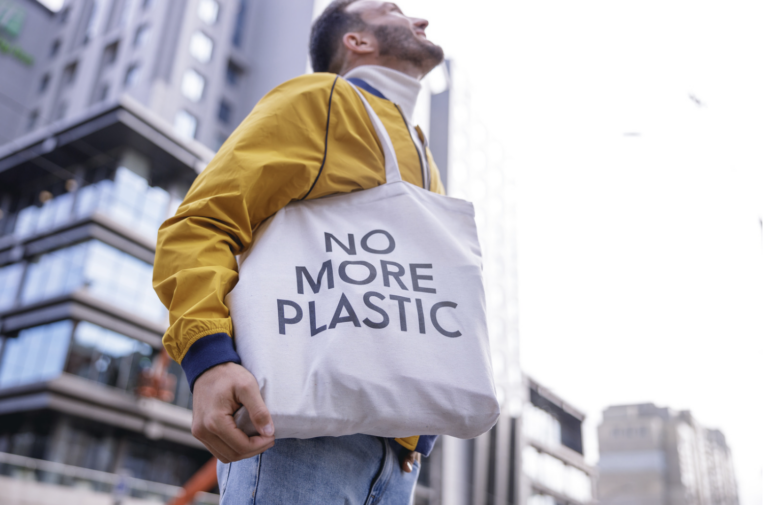
From reducing emissions to boosting climate adaptation, cities around the world are showing how Rethink, Regenerate, Reduce, Reuse and Recover strategies are turning action on plastics into a powerful lever for climate action.
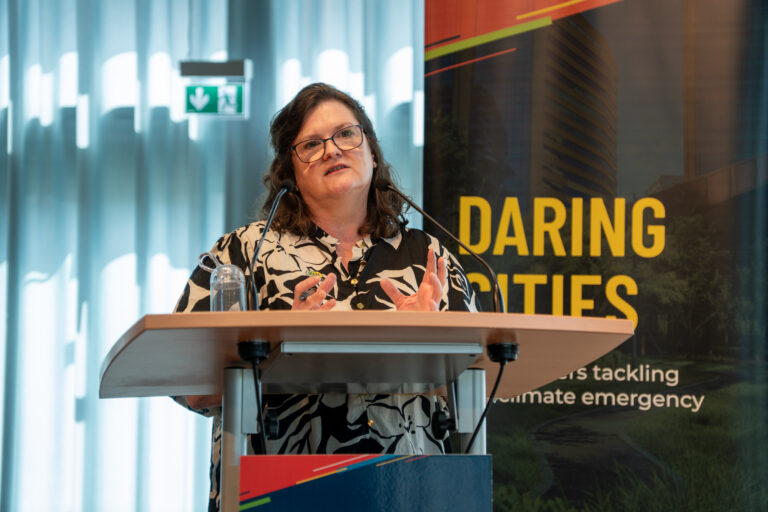
The obstacle to urban climate action is rarely ambition. It is building the finance systems and project preparation support that turn plans into investable projects.
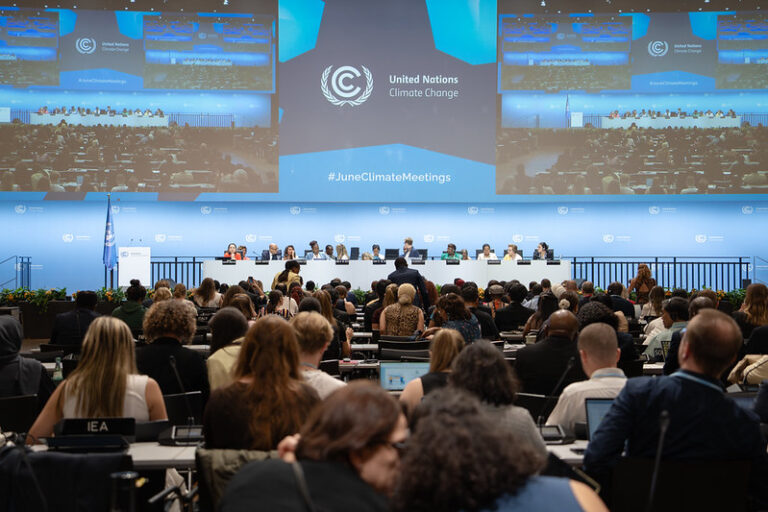
While negotiations at SB64 progressed slowly, cities and regions demonstrated that climate implementation is already underway. Their experiences show why multilevel governance and stronger partnerships are essential to delivering national climate commitments ahead of COP31.
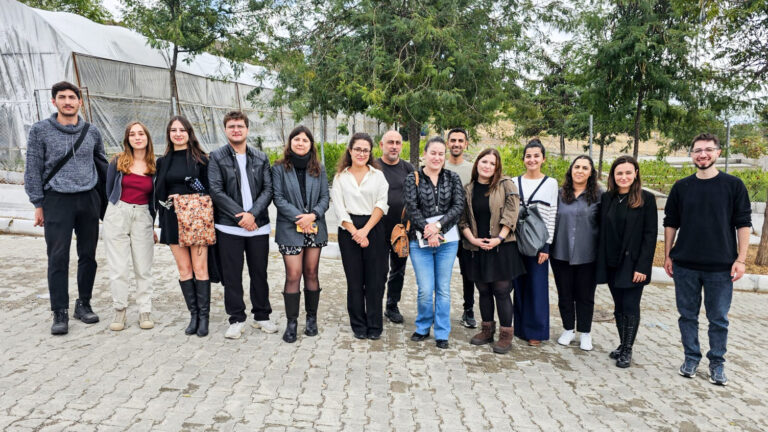
In Izmir, four departments stopped working in silos and built one shared curriculum, with results none of them expected.
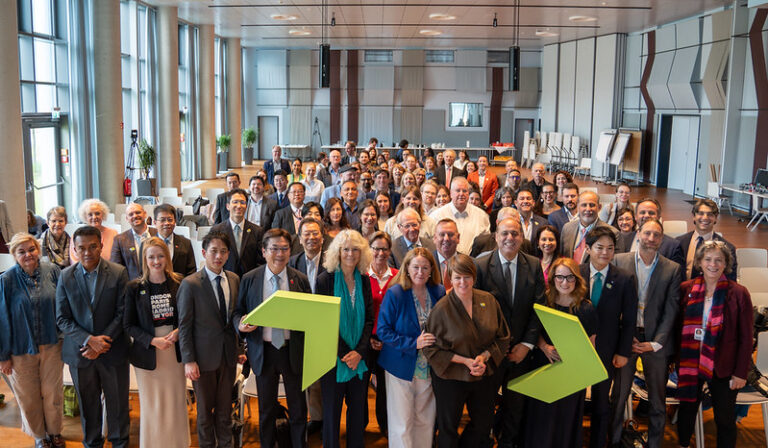
Leaders convened on 10 June at the Daring Cities 2026 Bonn Dialogues Opening Plenary to examine the changing landscape of climate governance and explore how cities and regions can move from ambition to implementation.
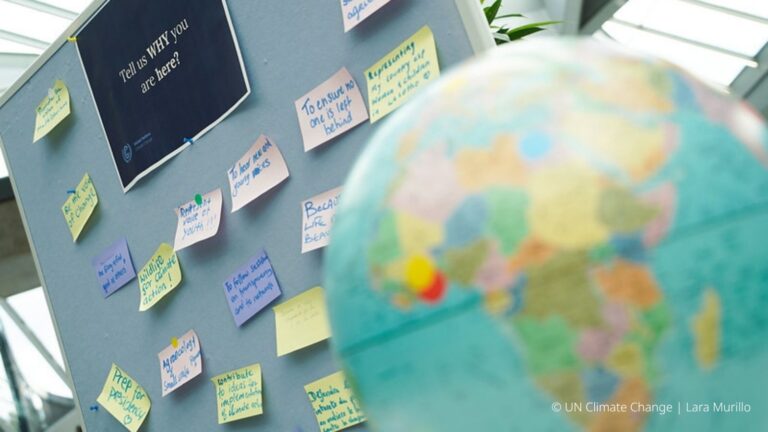
COP30 has come and gone. NDCs 3.0 are on the table. The global community has made its commitments. The question now is whether and how those commitments will actually be delivered.
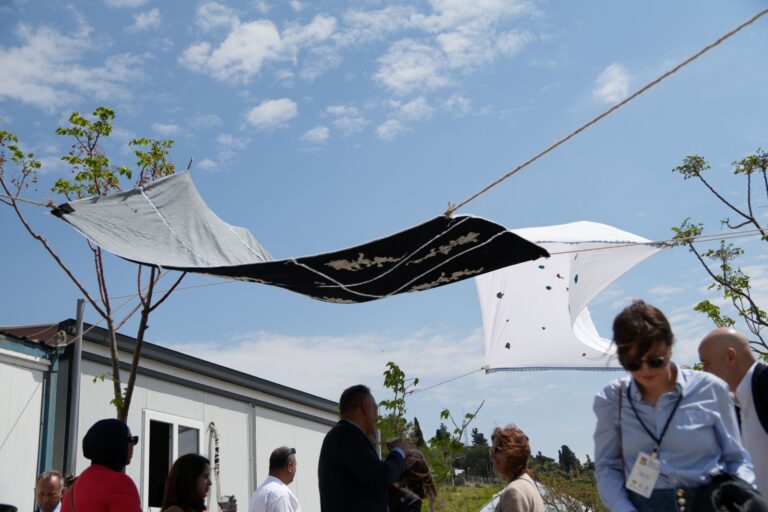
Heat Action Day, celebrated every year on 2 June, is a moment to recognize the scale of the challenge and the growing range of responses cities are leading. Across ICLEI’s network, those responses take many forms.
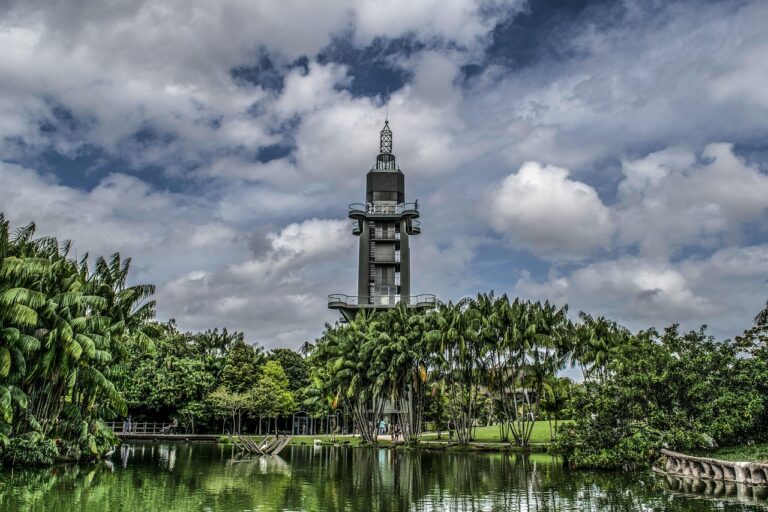
Sitting at the edge of the Amazon rainforest, surrounded by rivers, parks, and some of the richest biodiversity on the planet, Belém seems an unlikely place to talk about heat as a crisis. And yet…