COP31: Putting local governments at the heart of sustainable transport and climate action
Transport decisions shape where people live, how they access employment and essential services, and the ability of cities to reduce…


Transport decisions shape where people live, how they access employment and essential services, and the ability of cities to reduce…

Local leaders from Newcastle, Australia, and Chefchaouen, Morocco, alongside the Federal City of Bonn, Germany, brought the findings of the…

Small island states emit almost nothing, yet face some of the worst climate impacts. At COP31, Kiribati, Fiji, and the Maldives showed how they are acting anyway, and what they need to go further.

At COP31, cities from Korea, Japan, and the United States showed how local governments, working with partners across all levels of government, turn national climate targets into action on the ground.
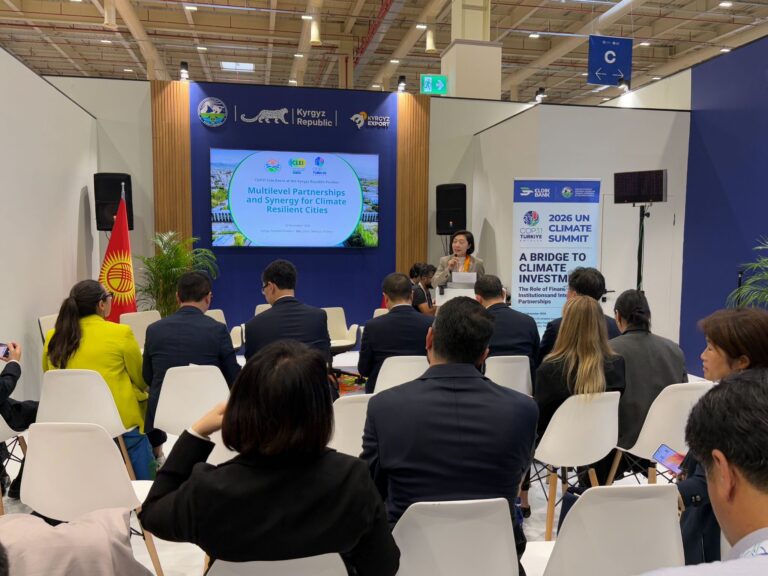
At UNFCCC COP31 in Antalya, Türkiye, one truth resonates across the negotiating halls and side-event pavilions alike: global climate targets…
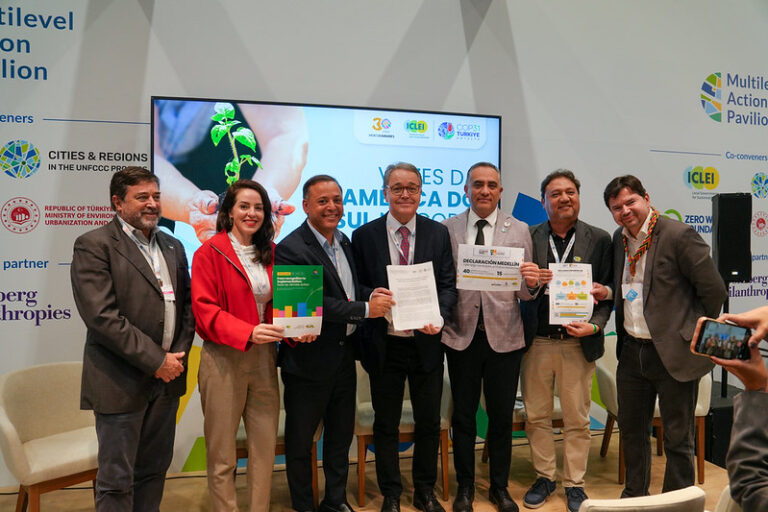
Together with Mercociudades, the network brought the voice of South American local and regional governments to all three Rio Conventions in 2026. On food systems, positions developed with Brazil’s Ministry of Social Development and the LUPPA Network reinforce food as climate action.

A persistent gap in global climate governance remains: Cities and regions are responsible for delivering much of the Paris Agreement, yet their role in shaping national commitments, accessing finance and influencing international negotiations remains limited.

At a COP31, local government, finance, philanthropy and the private sector asked how to turn community knowledge into resilience at scale. Drawing on work in Izmir and over 50 communities worldwide, speakers pointed to the gap between communities that need financing and banks built for scale, and how to bridge it.
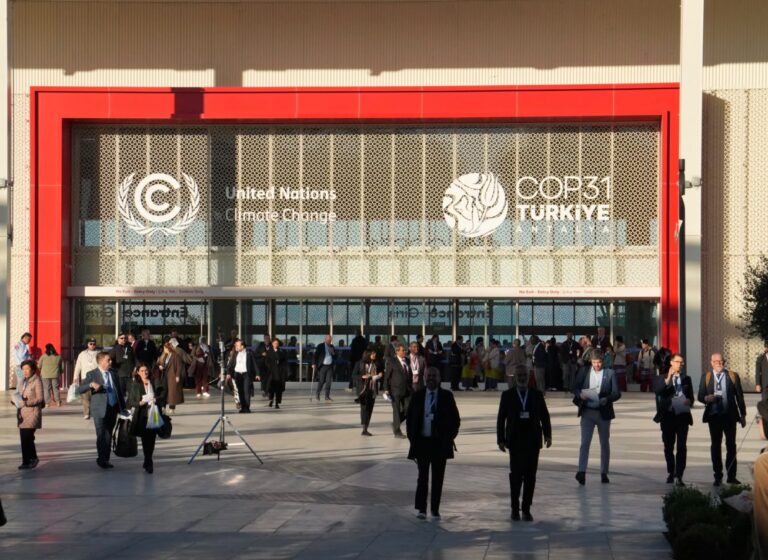
As governments prepare to meet in Antalya, the question is what it will take to turn years of political recognition into concrete gains for local and regional governments.