From Bonn to Antalya and back to Bonn: Daring Cities on what urban climate action needs next
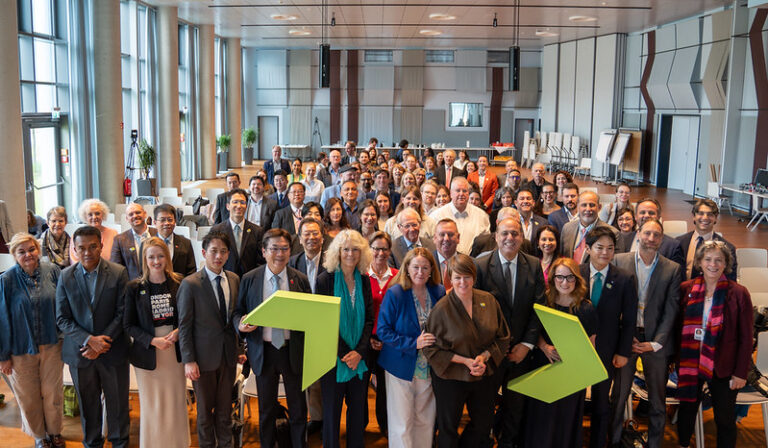
Local leaders from Newcastle, Australia, and Chefchaouen, Morocco, alongside the Federal City of Bonn, Germany, brought the findings of the Daring Cities 2026 Bonn Dialogues to COP31, drawing on their own experiences to examine what cities need to advance climate action.
How should cities measure the success of their climate policies? What prevents local governments from developing investable climate projects? And how can international climate processes better respond to the needs and experiences of cities and regions?
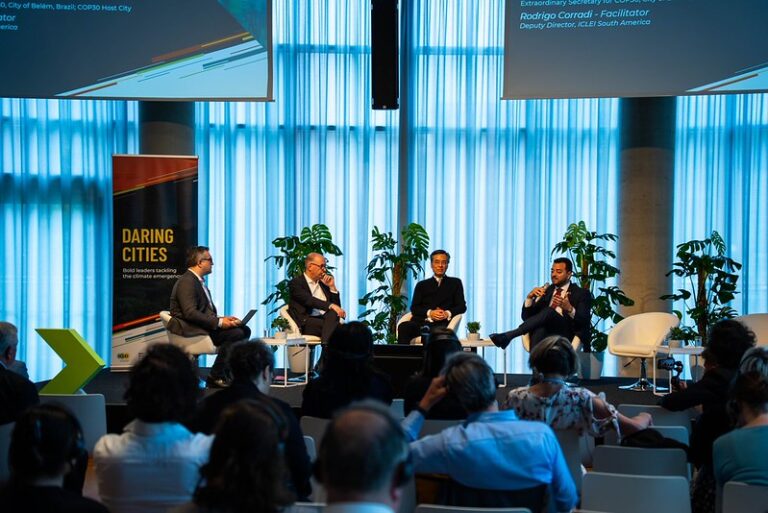
These were among the questions addressed at the Daring Cities 2026 Bonn Dialogues, co-convened by ICLEI – Local Governments for Sustainability and the Federal City of Bonn, Germany, last June, alongside the UN Climate Change Bonn Talks (SB64). The discussions identified five shifts for urban climate action, addressing the implementation of national climate commitments, the application of climate science, access to finance, human wellbeing and the role of local governments as equal partners in climate governance.
Through the Daring Cities Leaders initiative, local leaders brought these perspectives to COP31 in Antalya, Türkiye, showcasing practical solutions from their own cities and bringing their implementation experiences into global climate discussions.
Rethinking how cities measure climate progress
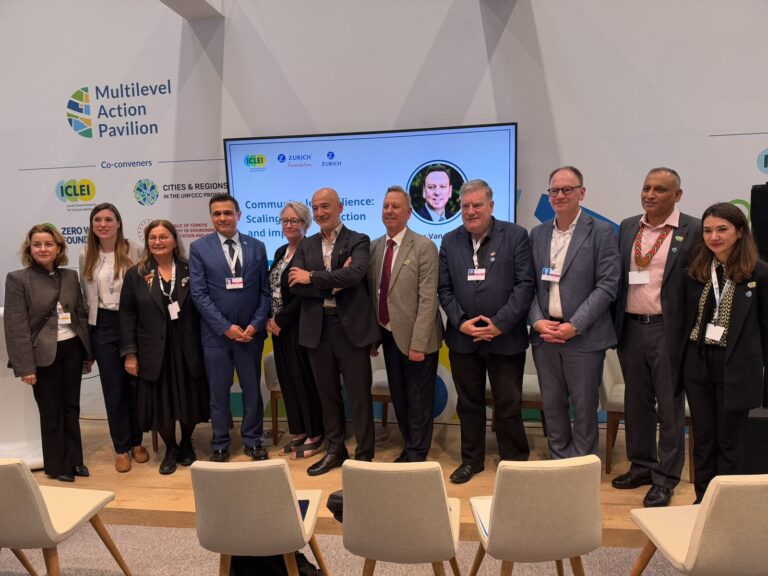
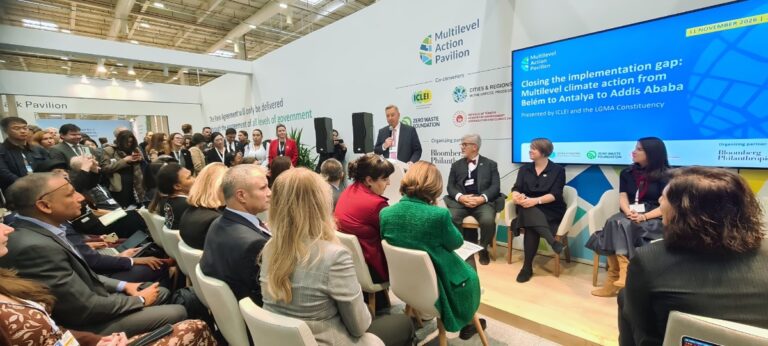
At the Multilevel Action Pavilion on 13 November, Councillor Dr. Elizabeth Adamczyk of Newcastle, Australia, participated in an event celebrating the Kaohsiung-ICLEI Climate Neutral and Smart Cities Community of Practice. She presented Newcastle’s experience with the Flourishing Lives 4 All (FL4ALL) approach and the Expanded Climate and Innovation Agenda, which place human needs at the center of climate policy.
In June 2026, the City of Newcastle adopted its Climate Action Plan 2026–2030 (CAP 2030), a roadmap to achieving net zero emissions from municipal operations by 2030 and supporting a citywide transition to net zero by 2040. The plan integrates 77 climate actions across four pillars of Newcastle’s broader community strategic plan: Liveable, Sustainable, Creative, and Achieving Together.
Following public consultation, the city strengthened the plan’s alignment with FL4ALL and the Expanded Climate and Innovation Agenda. As documented in its Engagement and Public Exhibition Report, the municipality expanded its role to include enabling climate solutions alongside delivering, partnering and advocating, while incorporating human needs into its climate action framework.
The city also committed to developing climate-linked wellbeing indicators, including potential measures related to access to shade and nature, walkability, public transportation, energy affordability and social connectedness.
“We measure emissions, but how we really measure progress is every person’s needs being met,” said Councillor Adamczyk in an interview with Daring Cities at COP31. “That’s what ’emissions to wellbeing’ means.”
Newcastle’s experience illustrates the shift from emissions first to wellbeing first identified at the Daring Cities 2026 Bonn Dialogues. By incorporating human needs into both its action framework and its proposed indicators, the city is showcasing how climate policies are designed, what constitutes progress and how municipal innovation can respond to residents’ everyday needs.
What makes a climate project investable?
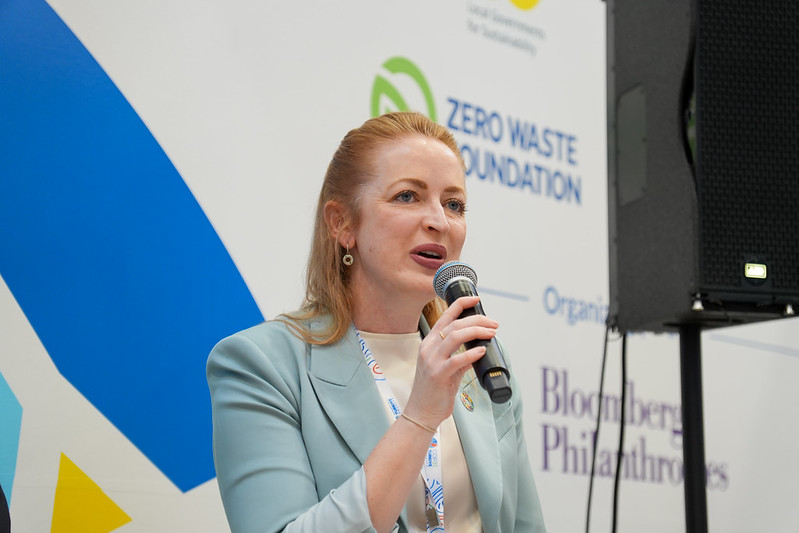
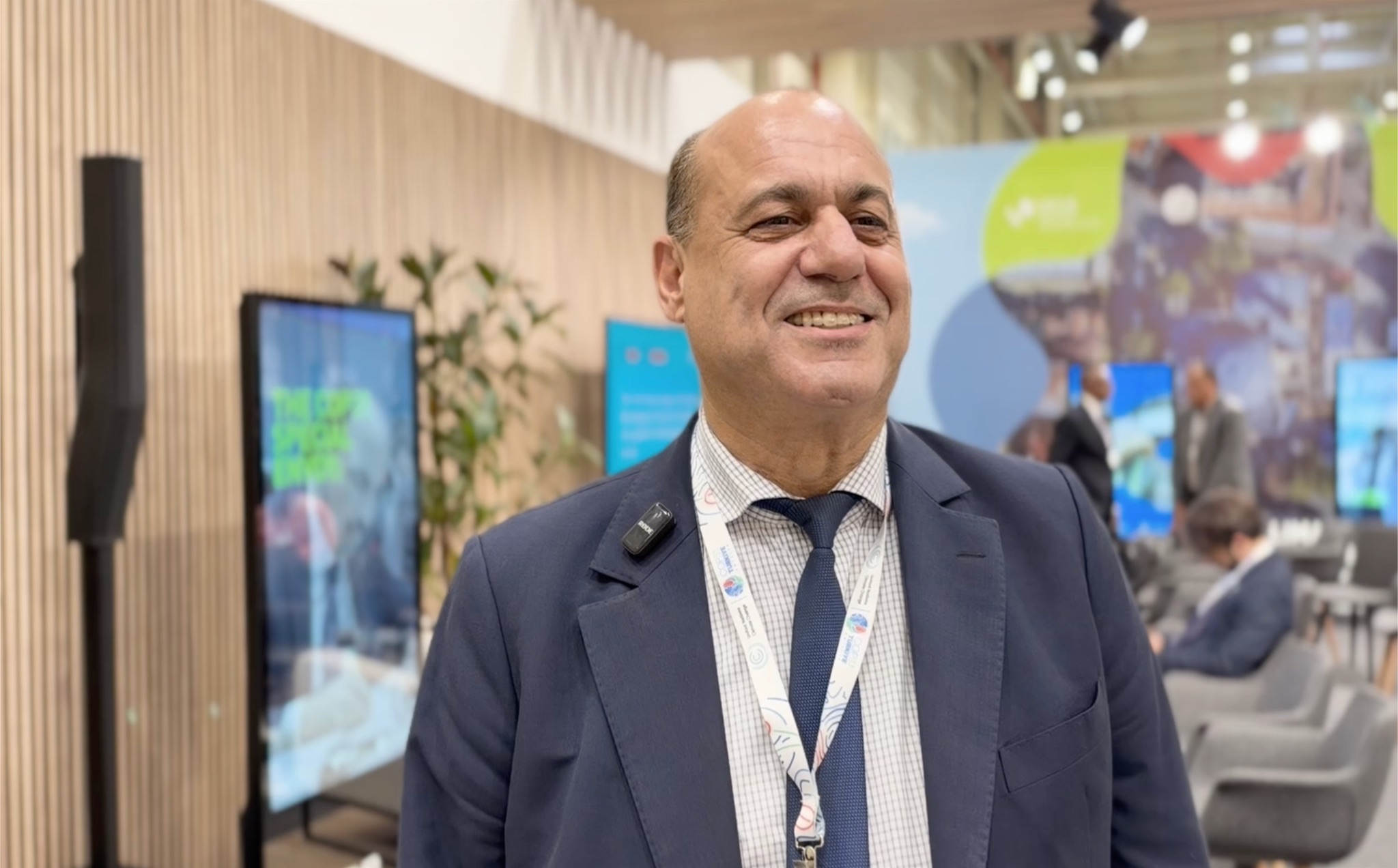
For Mohamed Sefiani, Mayor of Chefchaouen, Morocco, and Vice President of ICLEI, a pressing challenge for many small and intermediary cities is the technical and institutional capacity required to access climate finance.
Throughout several engagements at COP31, Mayor Sefiani highlighted the need for technical assistance, access to finance and partnerships between local, regional, national and international institutions.
“Many cities like Chefchaouen have climate ideas, climate projects and climate action plans, but we need to turn these plans into concrete projects on the ground,” said Mayor Sefiani in an interview with Daring Cities. “We don’t have enough specialist human resources to transform a technical project into a bankable project.”
Chefchaouen’s own experience illustrates what these partnerships can enable. With support from the national government and international institutions, the city completed a project to secure its drinking water supply.
Through a separate partnership with the Moroccan government and the United Nations Capital Development Fund (UNCDF), Chefchaouen modernized its public lighting network, becoming the first city in Morocco with a public lighting network using 100 percent LED technology.
The financing model behind the lighting project is particularly relevant to municipalities facing similar financial constraints. UNCDF provided a reimbursable grant, with repayments in 2024 and 2025 covered entirely by the energy savings generated by the project.
These experiences illustrate another shift identified at the Bonn Dialogues: from financing gaps to investable projects. Improving access to climate finance involves strengthening the capacity of municipalities to prepare projects and developing financial instruments that reflect their resources, needs and institutional contexts.
Mayor Sefiani, who serves on the Subnational Advisory Council of the Coalition for High Ambition Multilevel Partnerships (CHAMP), also highlighted the initiative, launched at COP28, as a mechanism to strengthen collaboration between local and national governments and support the implementation of more local mitigation and resilience projects.
Powering multilevel collaboration
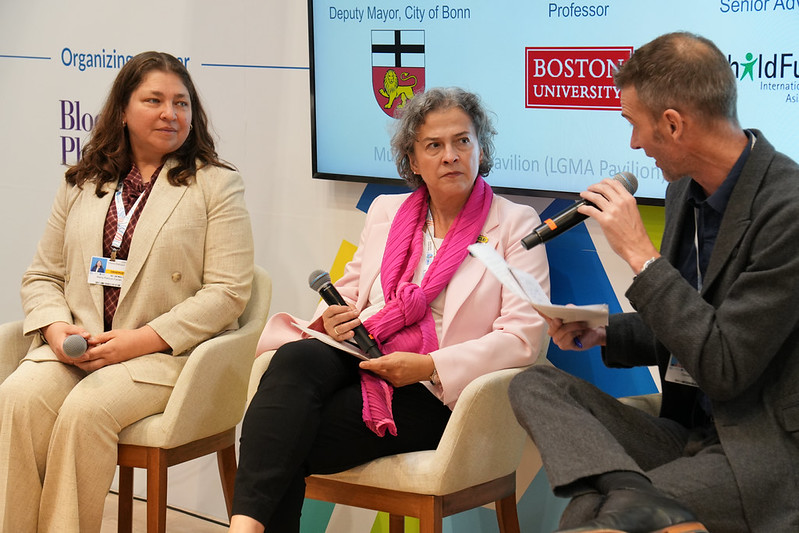
At COP31, Dr. Ursula Sautter, Deputy Mayor of the Federal City of Bonn, also brought Bonn’s experience to discussions on climate finance and multilevel collaboration.
Speaking at the session Unlocking climate finance for resilient cities on 17 November at the Multilevel Action Pavilion, she presented Bonn’s experience with climate adaptation and resilience, including its Natural Capital Fund.
Currently under development, the initiative seeks to mobilize additional financial resources and create incentives for nature-based mitigation and adaptation measures in Bonn and its surrounding region.
Celebrating its 30th anniversary as Germany’s United Nations City in 2026, Bonn is home to 27 UN organizations, including the UNFCCC Secretariat, as well as global city networks such as ICLEI. This gives Bonn a distinctive position at the intersection of municipal climate policy and international climate diplomacy. For Deputy Mayor Sautter, Daring Cities provides an opportunity to connect these spheres between annual climate conferences.
“The COPs are silos in which people meet and consult, and they do that once a year,” said Deputy Mayor Sautter in an interview with Daring Cities at COP31. “Daring Cities takes place in between these events and gives the parties at all levels the chance to check what the impact of the previous COP has been and what needs to be added to the program of the next COP.”
This continuity speaks to another shift identified at the Bonn Dialogues: from cities as implementers to equal partners in climate action.
If local and regional governments are responsible for implementing many of the policies needed to meet national climate objectives, their experiences should also inform how those policies are developed. Platforms such as Daring Cities provide opportunities for these exchanges to take place throughout the international climate calendar.
Back to Bonn: What the next IPCC report could mean for cities and regions
Although COP31 concluded without consensus on an overarching political outcome, cities and regions continue to implement climate policies, develop new approaches and test solutions. Their experiences offer insights into what works across different local contexts and where existing governance and financing arrangements need to change.
In 2027, these discussions will gain an important scientific resource with the expected publication in March of the Intergovernmental Panel on Climate Change (IPCC) Special Report on Climate Change and Cities (SR-Cities).
As the first IPCC report dedicated to cities and urban areas, it will assess the latest scientific evidence on urban climate impacts and risks, mitigation and adaptation solutions, and the conditions that enable their implementation across different urban contexts.
For cities and regions, the report presents an opportunity to draw on peer-reviewed scientific evidence to strengthen their climate policies and substantiate the case for investment and institutional support.
However, making this scientific knowledge relevant to municipal decision-making will require collaboration between researchers, practitioners and policymakers. Cities will need practical ways to apply the findings within their existing planning processes, institutional capacities and financial resources.
Against this backdrop, Daring Cities 2027 will continue to provide a space for local and regional governments, national policymakers, researchers and international partners to explore how the evidence and solutions presented in the SR-Cities can be adapted to different local contexts, and how cities and subnational governments can use its findings to strengthen their existing climate action.
The next round of UN climate talks in Bonn in June 2027 will offer an opportunity to bring these discussions back into the international climate process.
“We are in a race against climate change, and Daring Cities offers the opportunity for all kinds of players to take stock together and to prepare for what’s to come,” said Deputy Mayor Sautter.