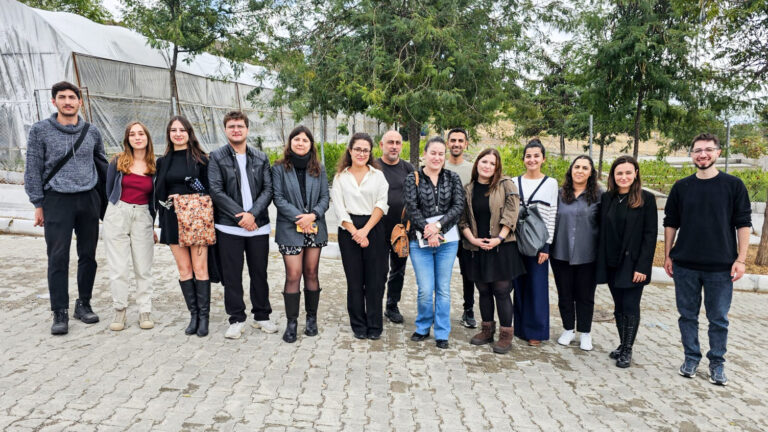
One curriculum transformed Izmir’s climate training, and created an emergency team
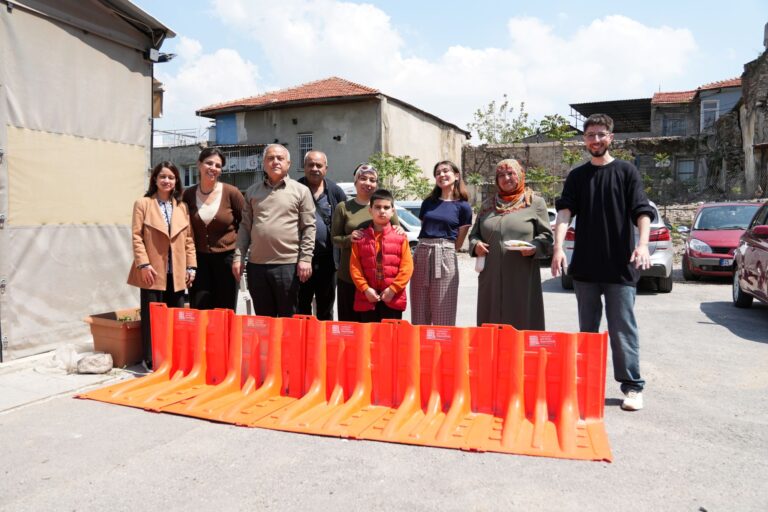
In Izmir, four departments stopped working in silos and built one shared curriculum, with results none of them expected.
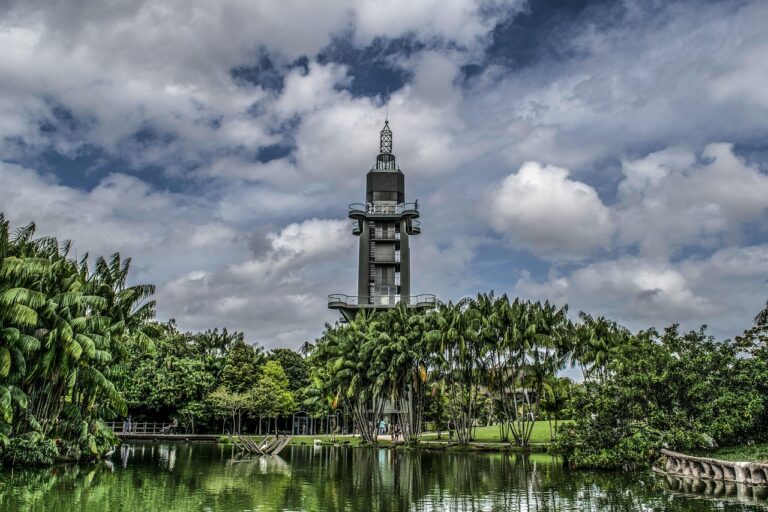
Sitting at the edge of the Amazon rainforest, surrounded by rivers, parks, and some of the richest biodiversity on the planet, Belém seems an unlikely place to talk about heat as a crisis. And yet…
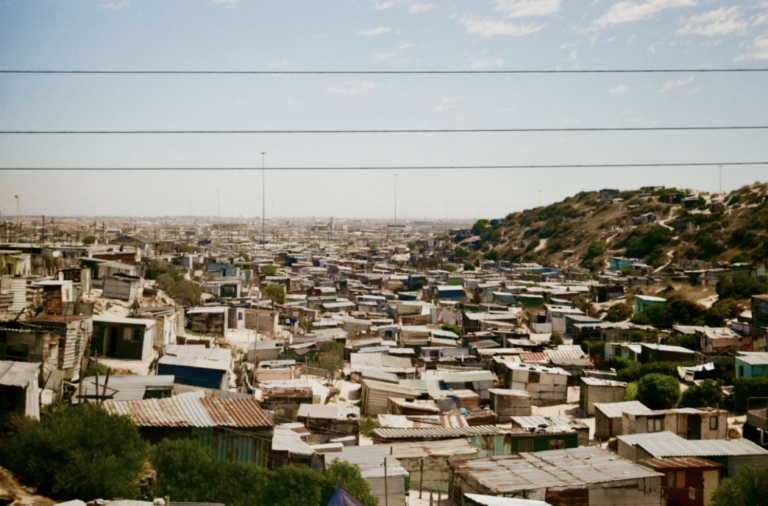
Across Africa, rapid urbanization, affordability gaps, and climate risks are pushing low-income households into informal settlements. Explore how housing inequities deepen poverty and vulnerability, and why housing must be treated as a structural equity issue.
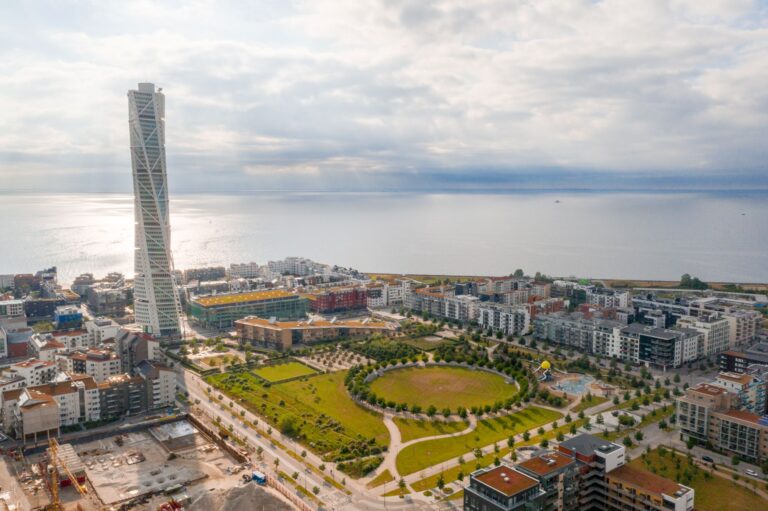
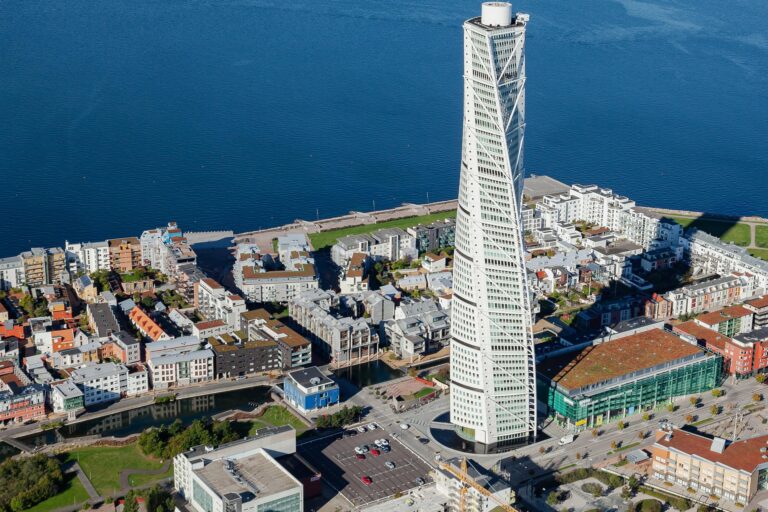
Malmö competes for capital alongside covered bond issuers, national governments, and corporate. How can a city be so successful?
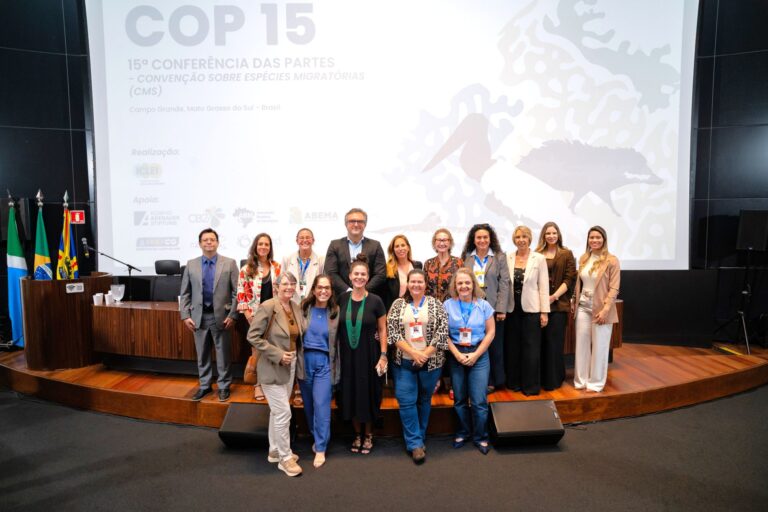
The discussions showed how financing, peer learning, and cooperation across regions can help protect migratory species in the habitats and corridors they depend on.
Municipalities pool their borrowing needs, present a combined credit profile to capital markets, issue bonds collectively, and lend the proceeds to member municipalities at lower cost.
The impacts of climate hazards are not gender-neutral; women are often among those most affected. As cities make critical decisions on climate policy and resilience investments, Recife, Brazil, is showing how empowering women leaders in vulnerable communities can strengthen climate resilience for all.
Through several projects, ICLEI supports cities in applying the Gender Equality, Disability and Social Inclusion (GEDSI) approach to climate action by providing capacity-building, technical guidance, and multi-stakeholder engagement to help address inequalities and ensure climate planning and policies are inclusive by design.
Across Africa, food entrepreneurs across the coffee, fisheries, poultry, and dairy sectors are reshaping how food is produced, packaged, reused, and valued.
While climate resilience assessment tools help cities understand their risks, adaptation projects often need a final push to become a viable investment opportunity.
Owning a car is a common aspiration for many Filipinos. But they also believe their cities can be more walking- and cycling-friendly in the future. The SPARK project helped turn that vision into action in Quezon City and Pasig City through tactical urbanism interventions that made streets safer and more accessible for active mobility.
Wrapping COP30, and as the world now moves from negotiations to implementation, the need to transform ambition into measurable, investable…