Southeast Asia’s renewables moment?
While parts of Europe and North America are slowing their push for renewable energy, Southeast Asia’s clean energy transition is gaining speed.

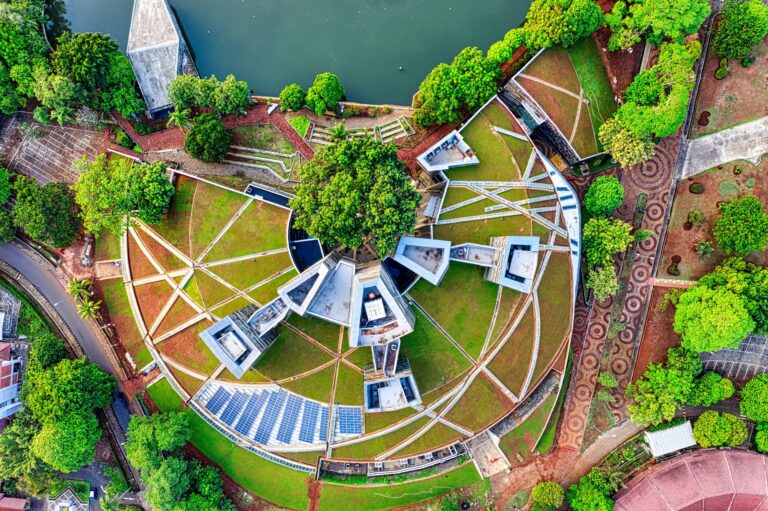
While parts of Europe and North America are slowing their push for renewable energy, Southeast Asia’s clean energy transition is gaining speed.

Food systems, by their very nature, cross boundaries. That’s why FoodCLIC is expanding both the sectors of knowledge involved and the geographies engaged.
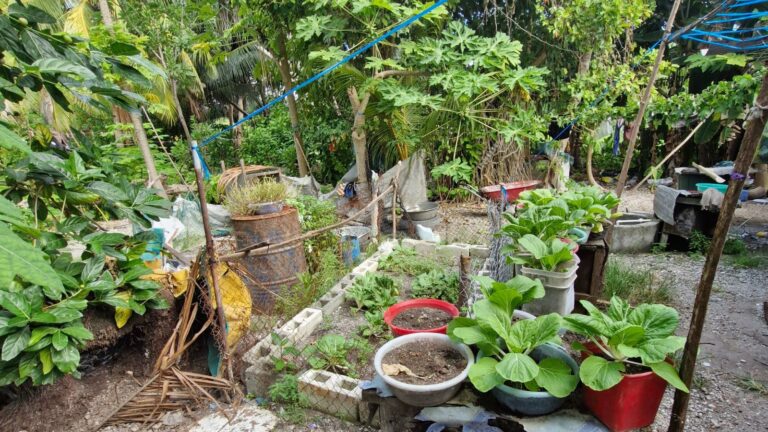
Through the IKI-funded Blue-Green Development in Kiribati project, communities in South Tarawa pair local know-how with practical tools to boost food security and strengthen resilience, proving that land-based, nutritious food systems can thrive even in fragile atoll landscapes.

From coffee cups to soda bottles, over 1,000 tonnes of waste are generated every day in Medellín, Colombia. In response, the city has been focusing on reusable systems.

As the world turns its attention to Belém for COP30, ICLEI is raising up the voices of cities in the Amazon.
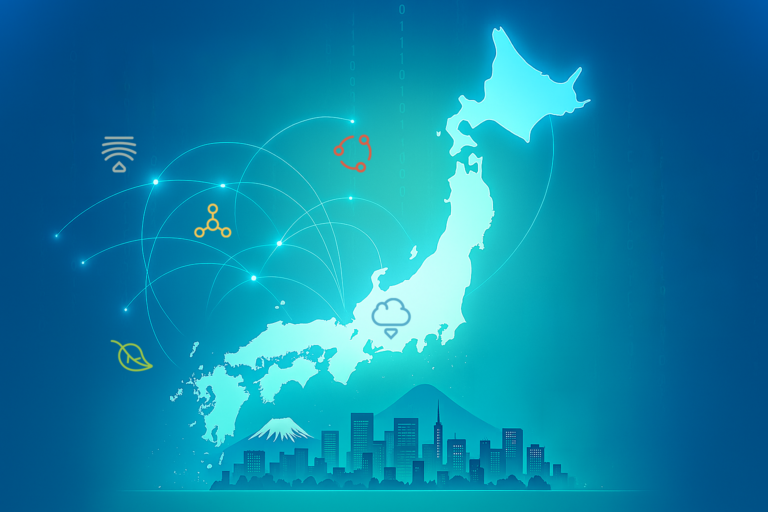
In fiscal year 2024, ICLEI Members in Japan engaged in various activities connected to ICLEI’s five pathways toward sustainable urban…

In Quezon City and Pasig City, Philippines, the SPARK Project centers on a participatory approach with community volunteers using a digital walkability app to review their own streets -rating sidewalks, crossings, and intersections- to share firsthand insights on how to make their neighborhoods safer and more walkable.

International Youth Day – on 12 August – is a chance to reflect on how youth are advancing multilateral cooperation through technology and partnerships. In particular, we will look at the example of the AfriFOODlinks Youth Ambassadors.
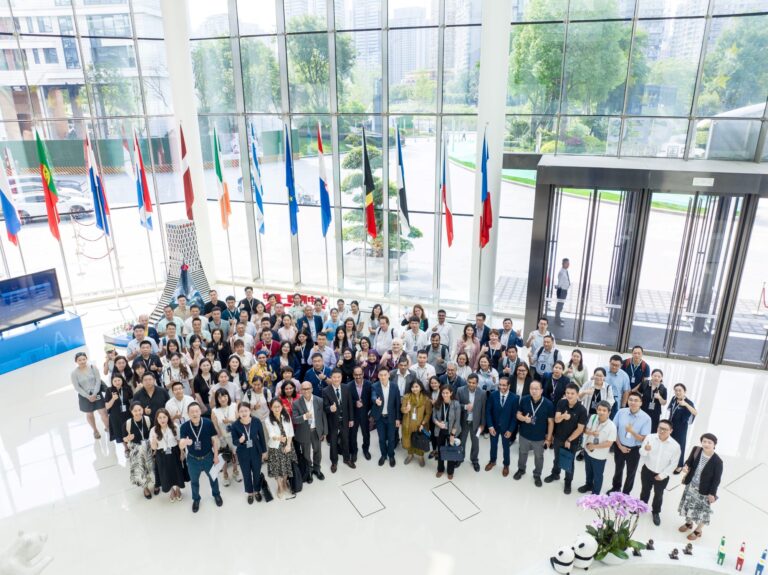
As national governments are preparing their next round of Nationally Determined Contributions, their success depends heavily on actions taken at the local level.

From subway-grown vegetables to instant wildfire alerts, Seoul, Republic of Korea, is making AI work in everyday life.

Local and regional governments are paying attention to the multilateral oceans agenda because of the myriad ways life in coastal cities, towns and regions depends on the health and sustainability of our oceans.

By leveraging simulation, play, and interactivity to generate learning outcomes, serious games have been used in various sectors, including healthcare, military, and policymaking.