African enterprises bet on circularity to reshape food systems
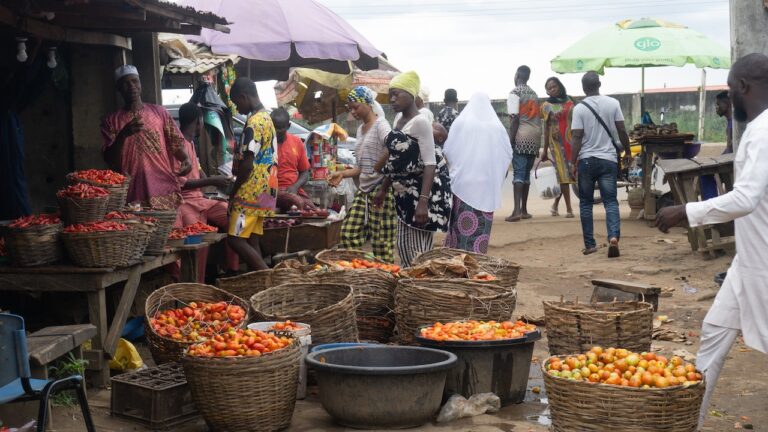
Across Africa, food entrepreneurs across the coffee, fisheries, poultry, and dairy sectors are reshaping how food is produced, packaged, reused, and valued.
While climate resilience assessment tools help cities understand their risks, adaptation projects often need a final push to become a viable investment opportunity.
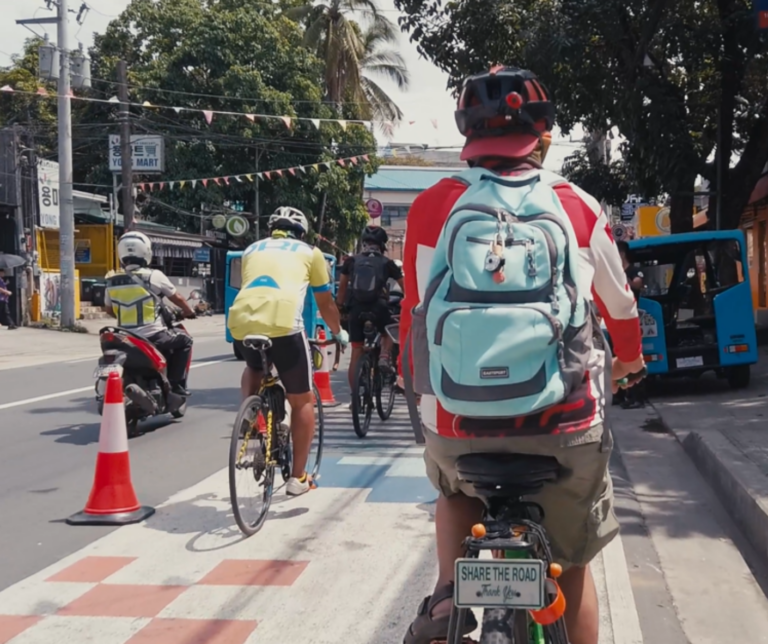
Owning a car is a common aspiration for many Filipinos. But they also believe their cities can be more walking- and cycling-friendly in the future. The SPARK project helped turn that vision into action in Quezon City and Pasig City through tactical urbanism interventions that made streets safer and more accessible for active mobility.
Wrapping COP30, and as the world now moves from negotiations to implementation, the need to transform ambition into measurable, investable…
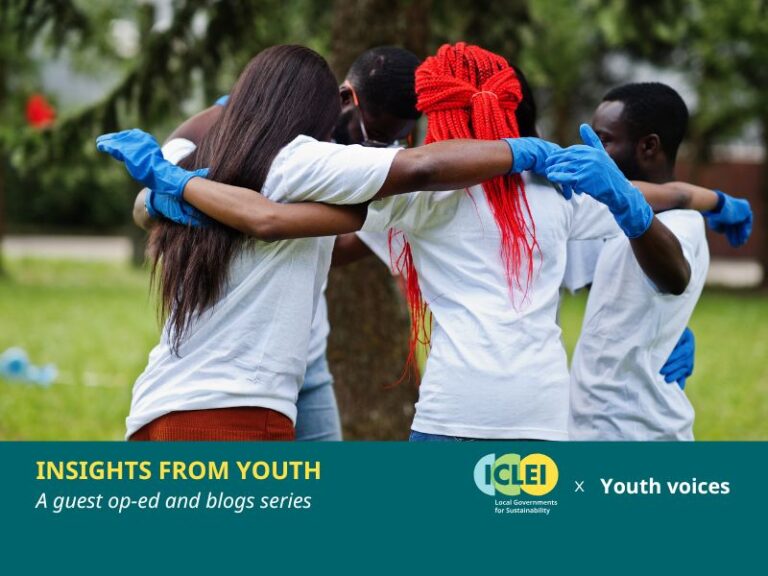
Part of ICLEI’s “Youth Voices,” this guest op-ed article calls for greater recognition of young people’s potential in food policy development, as well as structural support for their initiatives.
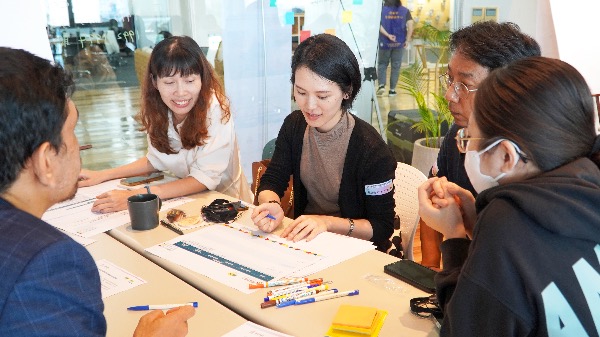
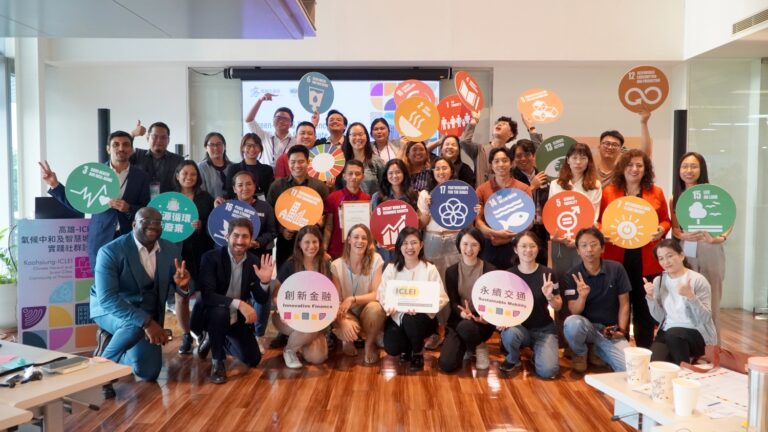
Insights from the second in-person workshop series of the Kaohsiung-ICLEI Climate Neutral and Smart Cities Community of Practice.
Developed under the AfriFOODlinks project, the Cultivate Marketplace is a city-led initiative designed to transform how municipalities and funders meet, learn from each other, and build investable pathways together.
The Urban Infrastructure Insurance Facility (UIIF), introduces an innovative way for cities in Latin America and the Caribbean to access climate adaptation financing, including the insurance market, collectively pool risk, and protect critical infrastructure and vulnerable populations.
Belém, host city of COP30, shows that protecting the Amazon means empowering its cities and people. Through its Local Climate Action Plan, nature-based solutions and a 2050 vision of climate neutrality, the city is positioning itself as a model of climate resilience and sustainability
How chemicals from dry cleaning add harmful gases to the air, and how the city is switching to cleaner machines, tougher pollution rules, and smarter city policies to help everyone breathe easier.
While parts of Europe and North America are slowing their push for renewable energy, Southeast Asia’s clean energy transition is gaining speed.
Food systems, by their very nature, cross boundaries. That’s why FoodCLIC is expanding both the sectors of knowledge involved and the geographies engaged.