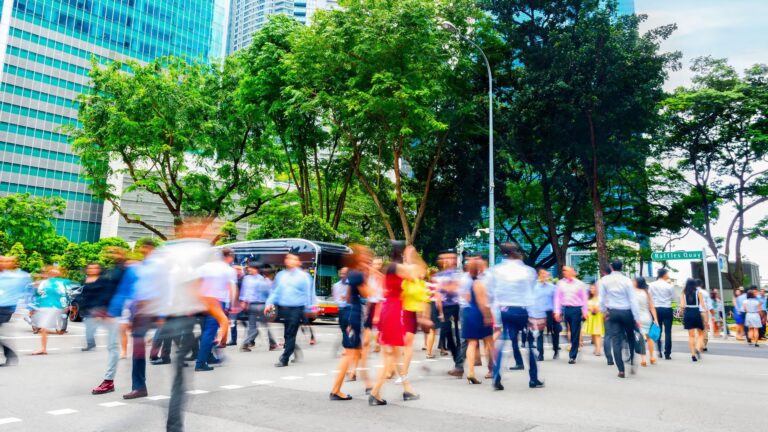
ICLEI Members in Japan are scaling action through ICLEI’s five pathways
In fiscal year 2024, ICLEI Members in Japan engaged in various activities connected to ICLEI’s five pathways toward sustainable urban…
It builds just, livable, happy, and inclusive urban communities, addressing the root causes of poverty and inequality while safeguarding natural support systems essential for human life.
In fiscal year 2024, ICLEI Members in Japan engaged in various activities connected to ICLEI’s five pathways toward sustainable urban…
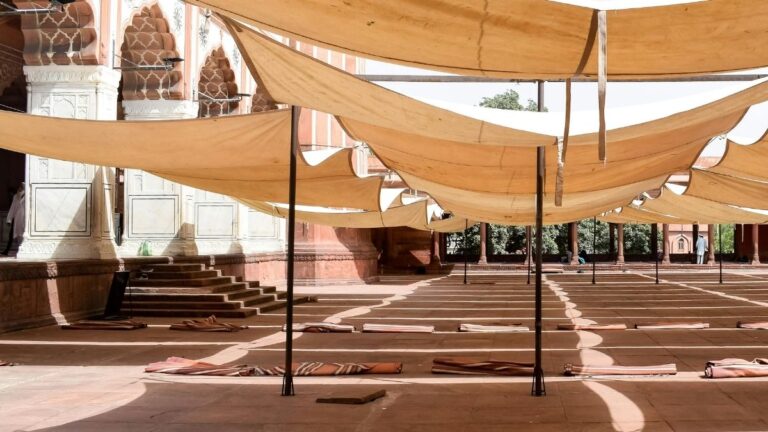
As demand for cooling continues to soar, local and regional governments are looking at both technological and design solutions.
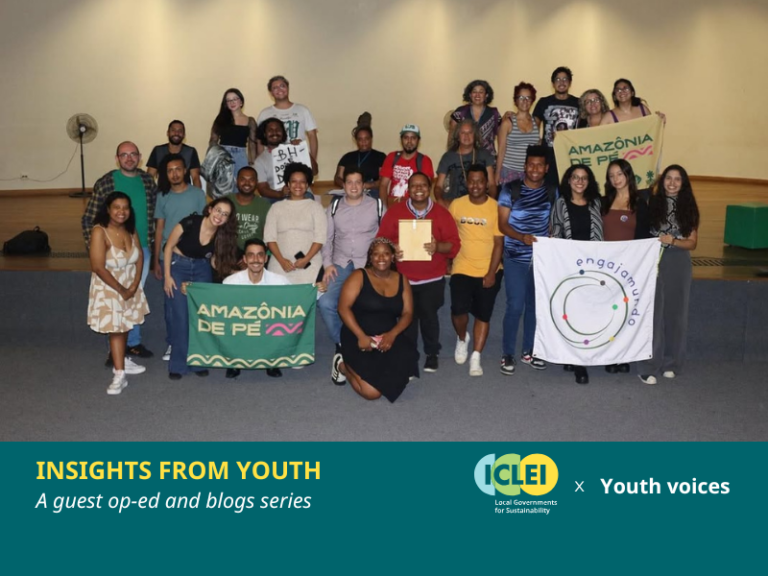
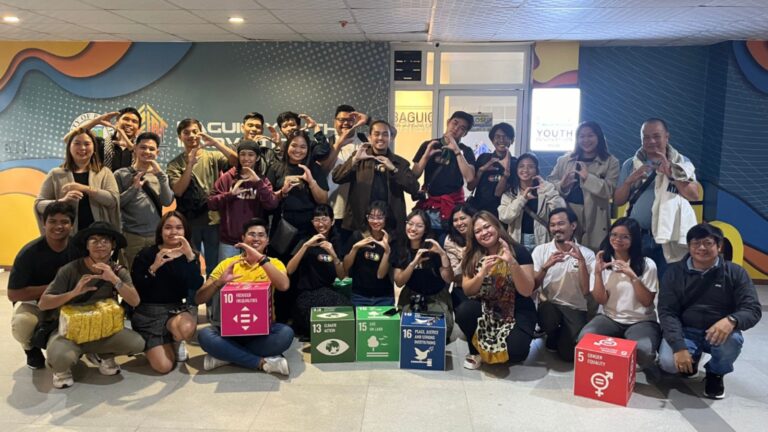
Recognizing youth as powerful drivers of change, local and regional governments are creating meaningful spaces for their voices, leadership, and ideas. This International Youth Day, discover how ICLEI Members are actively involving young people in shaping inclusive and impactful climate action.
This guest op-ed article explores how Youth Councils in Brazil are consolidating themselves as powerful tools for shared governance, co-creation, and accountability in the face of the climate crisis. How can cities unlock their potential to deliver true intergenerational climate justice?
International Youth Day – on 12 August – is a chance to reflect on how youth are advancing multilateral cooperation through technology and partnerships. In particular, we will look at the example of the AfriFOODlinks Youth Ambassadors.
Climate migration is no longer a future threat: It’s a present-day reality, with cities on the frontline of response. From building resilient, inclusive infrastructure to shifting public narratives and planning ahead, local governments have a critical role to play.
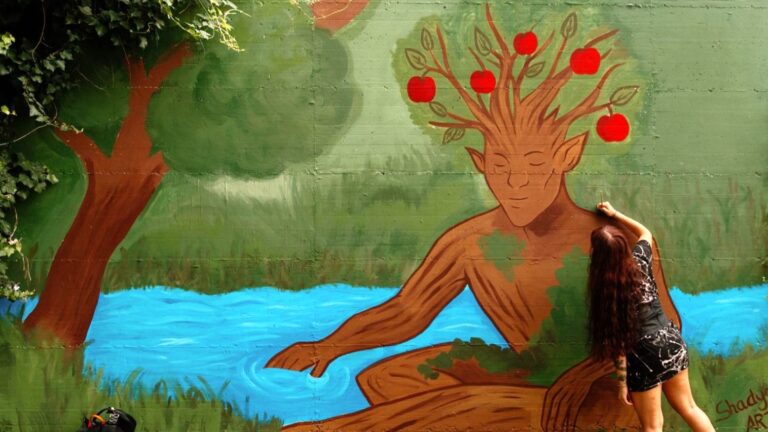
As Türkiye braces for another summer of heatwaves and unpredictable storms, spaces like the Kadifekale community garden offer a green space that is not only public, but participatory.
Food is a cornerstone of health, dignity and wellbeing—yet many cities face challenges in ensuring access to healthy, affordable, and culturally appropriate food. Discover how cities in the Malmö Commitment Network are building inclusive food systems that serve everyone, especially the most vulnerable.
Who owns the land, and who gets to decide how it’s used? These questions are not just about property—they are about power, rights, and justice. Explore the vital connections between urban and rural areas and the role of gender justice in sustainable land management.
The Malmö Commitment pioneers are exploring how targeted energy efficiency measures can support energy equity, demonstrating how these measures can contribute significantly to making housing more affordable for everyone.
In Izmir’s Pazaryeri and Imariye neighborhoods, women are on the frontlines of climate resilience, navigating floods, heatwaves, and economic challenges while leading solutions that strengthen entire communities.
By embracing the wisdom of First Peoples and integrating cultural burning into modern land management, we can protect landscapes, restore ecosystems, and strengthen our connection with nature.