Smart Seoul: How the city is cultivating a tech push through urban farming and wildfire detection
From subway-grown vegetables to instant wildfire alerts, Seoul, Republic of Korea, is making AI work in everyday life.

It anticipates, prevents, absorbs, and recovers from shocks, especially those from rapid environmental, technological, social, and demographic changes while strengthening response systems and addressing the needs of vulnerable groups in our society.
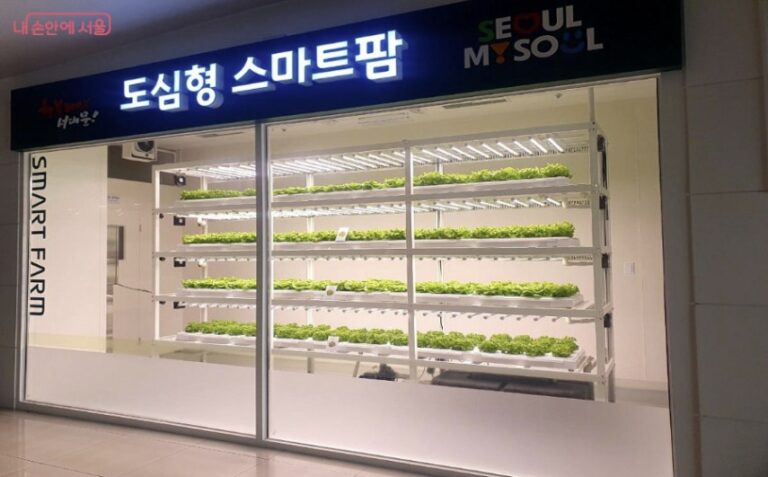
From subway-grown vegetables to instant wildfire alerts, Seoul, Republic of Korea, is making AI work in everyday life.

Feeling the heat? So are our cities, and they’re taking action. On Heat Action Day, we spotlight how local and regional governments are rising to the challenge through people-centered solutions to beat the heat.

As Türkiye braces for another summer of heatwaves and unpredictable storms, spaces like the Kadifekale community garden offer a green space that is not only public, but participatory.

Multilevel governance dialogues have taken place across seven UrbanShift countries, engaging city representatives from diverse urban contexts.

Who owns the land, and who gets to decide how it’s used? These questions are not just about property—they are about power, rights, and justice. Explore the vital connections between urban and rural areas and the role of gender justice in sustainable land management.

In Izmir’s Pazaryeri and Imariye neighborhoods, women are on the frontlines of climate resilience, navigating floods, heatwaves, and economic challenges while leading solutions that strengthen entire communities.

Green bonds can unlock infrastructure investment opportunities for cities and nations to finance transformative solutions.

By embracing the wisdom of First Peoples and integrating cultural burning into modern land management, we can protect landscapes, restore ecosystems, and strengthen our connection with nature.

To ensure climate policies are more socially balanced, particularly in addressing the needs and participation of structurally disadvantaged populations, the INCLU:DE project promotes a shift in focus from incentivizing to enabling. How do cities design local climate actions that speak to all different realities?

As the impacts of climate change become increasingly apparent, concerns over the rising risks of urban flooding and water scarcity…

To wrap up 2024, we delve into the diverse array of stories that proved to be our most popular of the year – five stories that resonated, shaping and informing perspectives on sustainable urban development.

When projects like the Climate Resilience for Communities (CRC) initiative take the time to listen to these stories, they turn local communities’ traditional practices into effective, long-term, resilient and sustainable solutions.