Being investment ready for climate resilience
While climate resilience assessment tools help cities understand their risks, adaptation projects often need a final push to become a viable investment opportunity.

At the subnational level, ICLEI drives change along five interconnected pathways that cut across sectors and jurisdictional boundaries. This design enables local and regional governments to develop solutions in a holistic and integrated way, creating change across entire urban systems. We influence sustainability policy and drive local action for zero emission, nature-based, equitable, resilient and circular development.
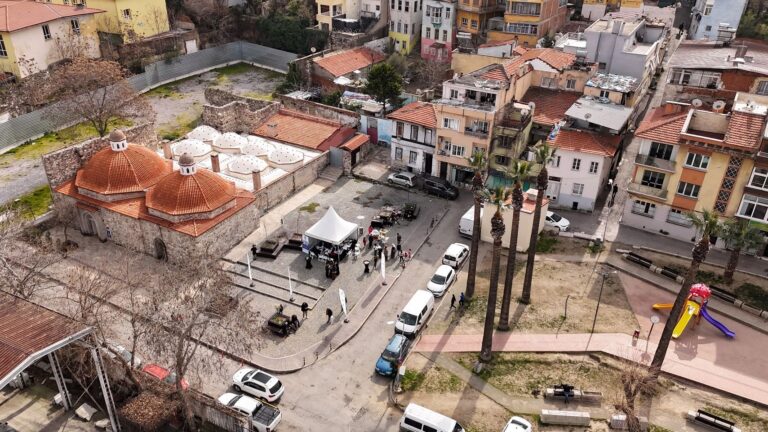
While climate resilience assessment tools help cities understand their risks, adaptation projects often need a final push to become a viable investment opportunity.

To wrap up 2025, we look back at six stories that resonated most with our readers. From urban biodiversity and nature-based solutions to extreme heat, green finance and global sustainability agendas, these pieces capture a defining year for cities and regions.
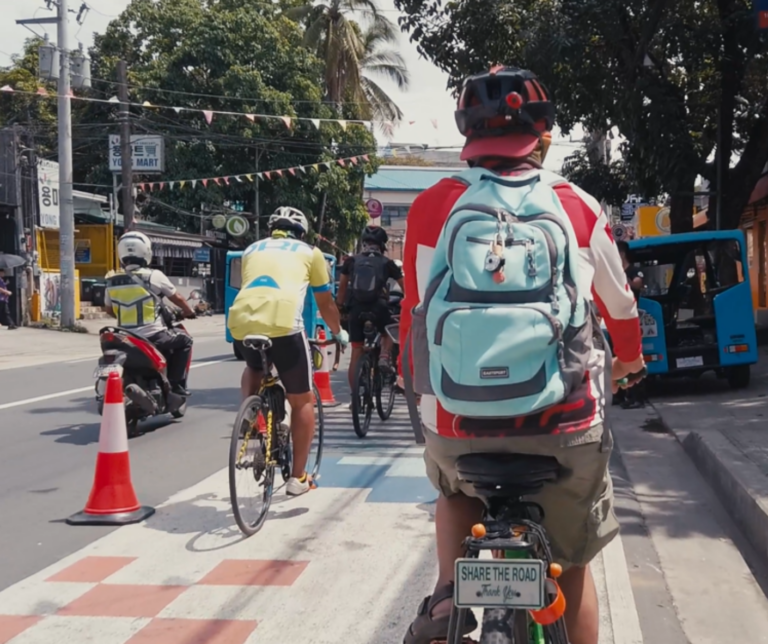
Owning a car is a common aspiration for many Filipinos. But they also believe their cities can be more walking- and cycling-friendly in the future. The SPARK project helped turn that vision into action in Quezon City and Pasig City through tactical urbanism interventions that made streets safer and more accessible for active mobility.
Every year, ICLEI works with local and regional governments, partners, leaders and other experts to develop and publish state-of-the-art, context-specific…
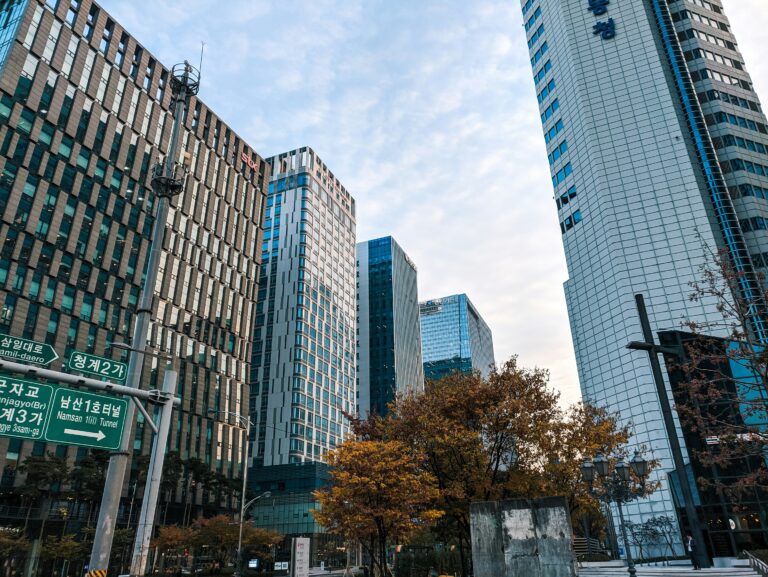
Seoul is finding clean energy where most cities don’t look: Underground geothermal power, sewage-to-electricity systems, and solar built into windows, walls, and façades. With little land to spare, Seoul is proving that climate solutions can be bold and still blend seamlessly into everyday urban life.
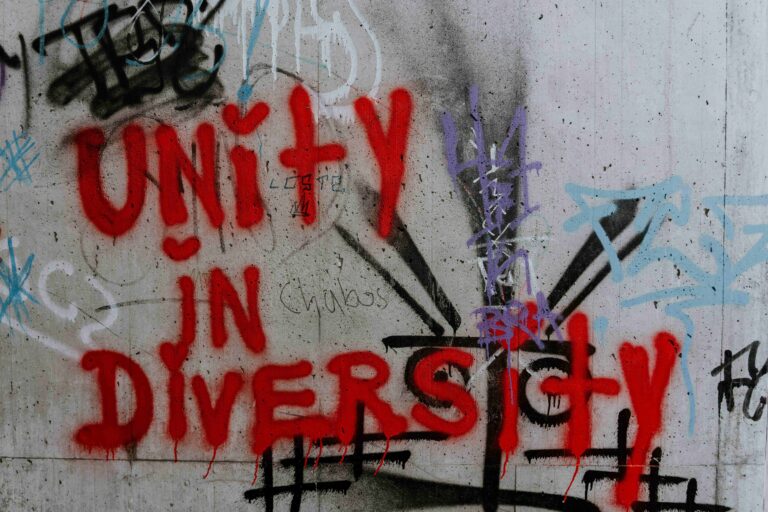
Across the Malmö Commitment network, cities apply intersectional approaches, showing that equity is an ongoing practice shaped by residents’ realities.
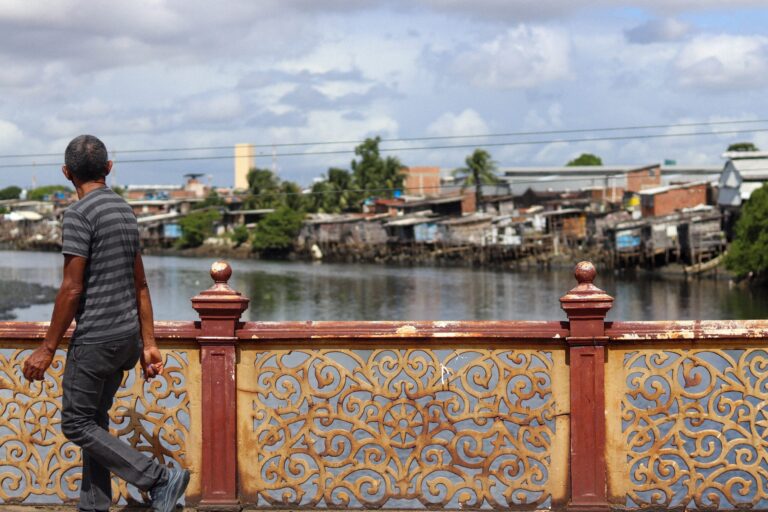
The Urban Infrastructure Insurance Facility (UIIF), introduces an innovative way for cities in Latin America and the Caribbean to access climate adaptation financing, including the insurance market, collectively pool risk, and protect critical infrastructure and vulnerable populations.
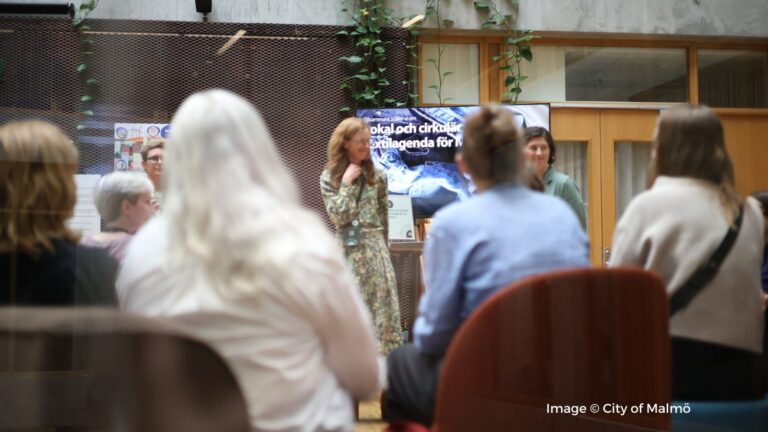
This blog was written by Jannis Niethammer and co-authored by Emily West and Daniel Botha from ICLEI Europe. Climate action…
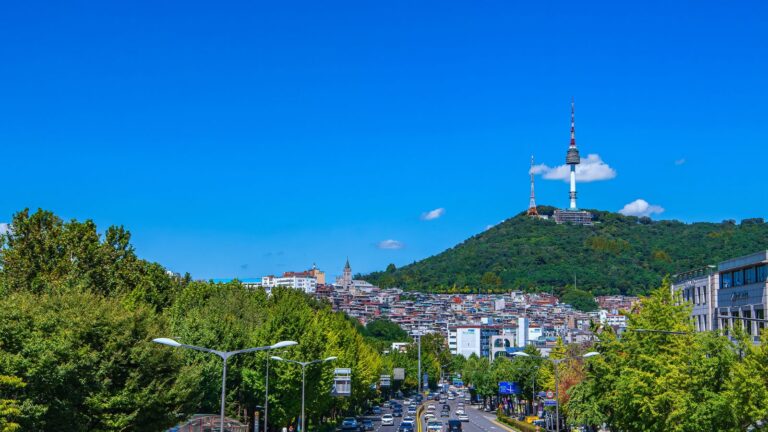
How chemicals from dry cleaning add harmful gases to the air, and how the city is switching to cleaner machines, tougher pollution rules, and smarter city policies to help everyone breathe easier.
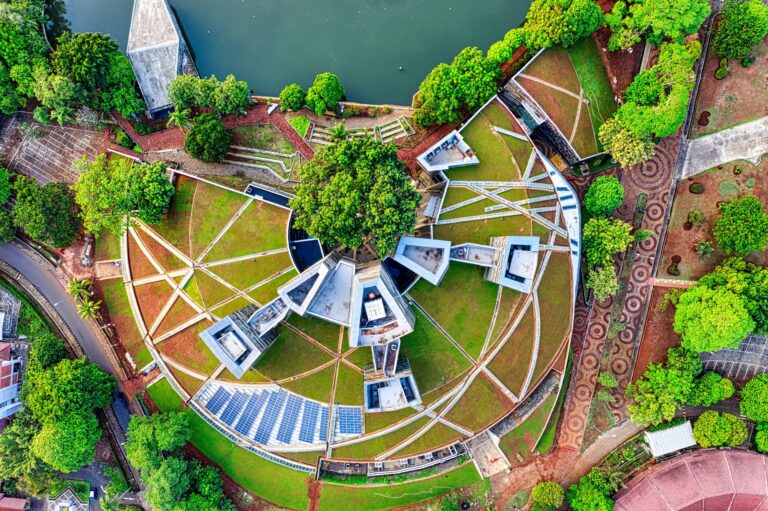
While parts of Europe and North America are slowing their push for renewable energy, Southeast Asia’s clean energy transition is gaining speed.
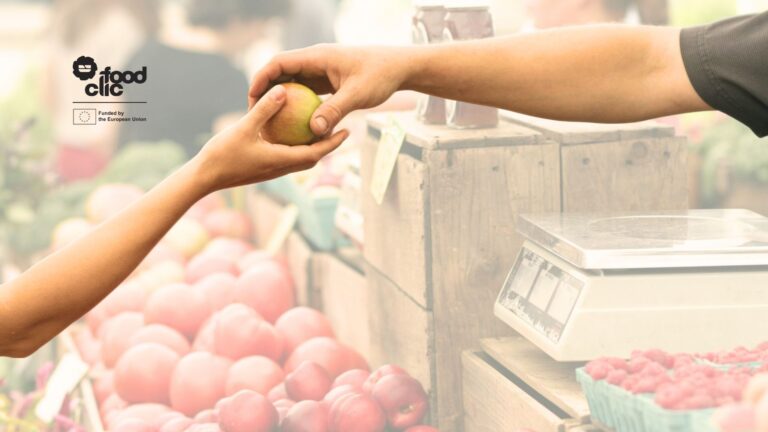
Food systems, by their very nature, cross boundaries. That’s why FoodCLIC is expanding both the sectors of knowledge involved and the geographies engaged.
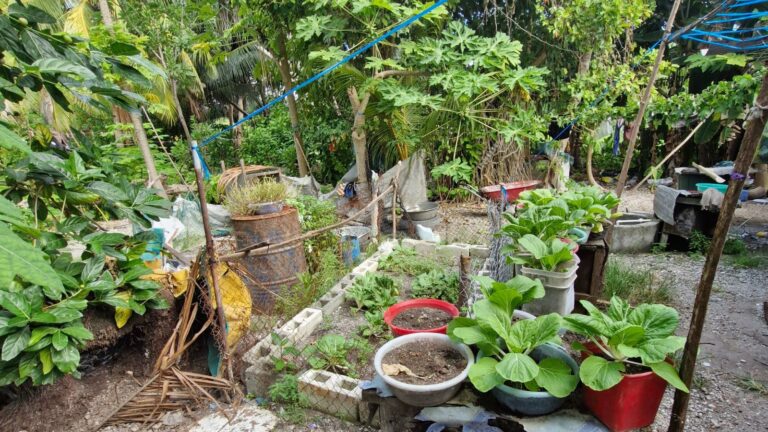
Through the IKI-funded Blue-Green Development in Kiribati project, communities in South Tarawa pair local know-how with practical tools to boost food security and strengthen resilience, proving that land-based, nutritious food systems can thrive even in fragile atoll landscapes.