From waste to resources: Colón, Cuba building circularity and resilience
ICLEI Member Colón, in Matanzas province, Cuba, is strengthening its local capacity to advance more sustainable waste management while preparing communities for environmental and climate-related challenges. Through technical peer-exchange, the municipality is implementing tools to develop integrated solid waste management plans, promote circular economy approaches, and identify climate risks that may affect its communities.
Rather than approaching waste management as an isolated environmental challenge, Colón is exploring how resource recovery, local planning, community participation, and climate action can be connected to support more resilient development.
From planning to local action
As part of this process, representatives of Colón’s government participated in a technical exchange focused on identifying opportunities to improve waste management, strengthen the circular economy, and develop climate change mitigation and adaptation strategies. The initiative also includes capacity building for local decision-makers and the identification of financing opportunities for sustainable projects.
This approach translates environmental planning into concrete and measurable actions that reflect the specific characteristics and needs of local communities. Exchanges with other municipalities in Cuba, Central America, and the Caribbean help identify experiences and solutions that may be adapted to Colón’s local context.
Strengthening local knowledge and decision-making capacity is an important step toward ensuring that environmental strategies can move from planning to implementation, particularly in municipalities working with limited resources and facing multiple environmental pressures.
Recycling as part of local development
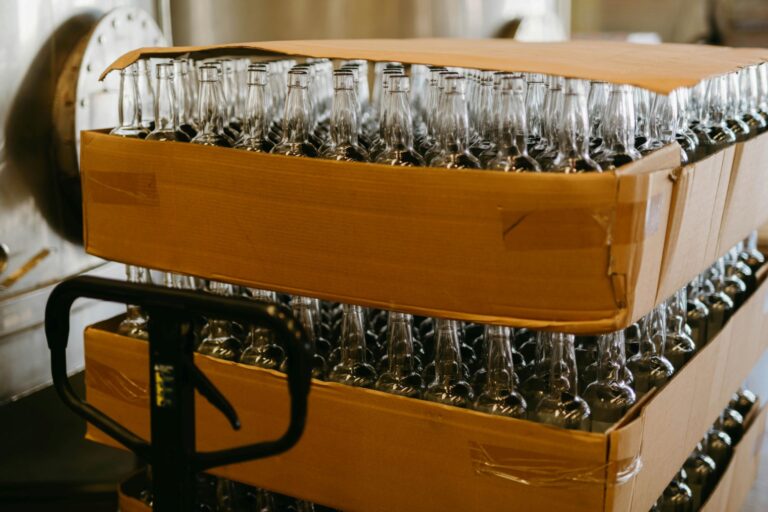
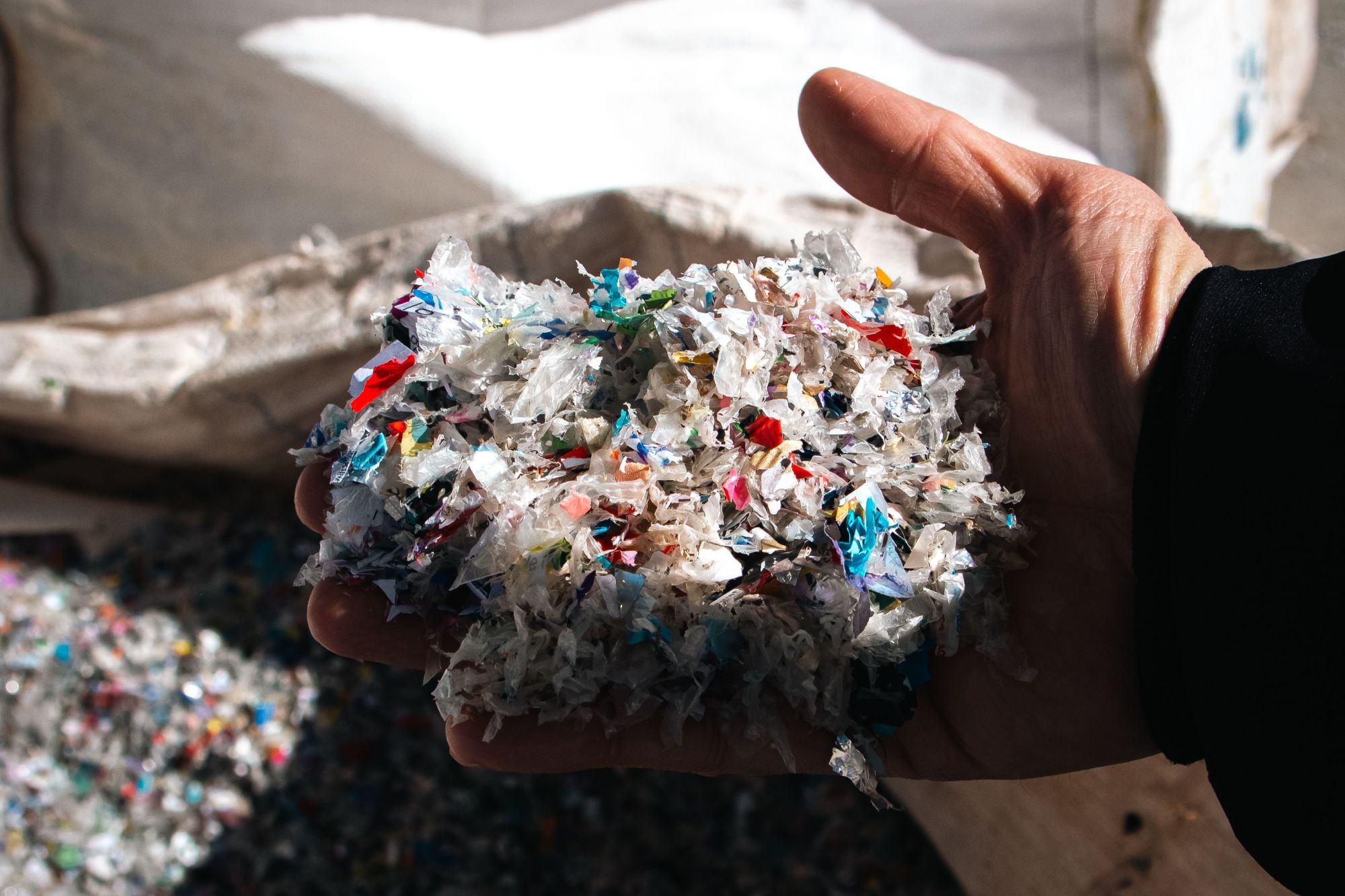
Colón already has examples showing how material recovery can be integrated into production and service activities. At BBU – Basic Business Unit Colón (UEB Cólón), for example, work carried out together with the Local Development Project at Hotel Santiago Habana promotes the recovery of recyclable materials and more efficient management of waste and resources.
Similar efforts are taking place at BBU Limonar, where materials such as metals, cardboard, and paper are recovered to reduce the amount of waste reaching landfills and return raw materials to production processes. At BBU Jovellanos, recovery activities also involve residents, from waste separation to collection, weighing, and organization.
These experiences illustrate that circular economy approaches do not necessarily depend solely on large-scale infrastructure. They also require everyday practices, participation, and a culture that recognizes waste as a resource with potential value and further uses.
Communities at the center of the transformation
Sustainable waste management is also closely connected to community participation. Across Cuba, different mechanisms have been promoted to bring recycling opportunities closer to residents, including fixed and mobile collection points and clean points established in schools, cultural centers, and sports facilities. Initiatives such as RecicloMiBarrio and eco-events also seek to increase the recovery of raw materials at the neighborhood level.
In this context, environmental education plays an important role. Schools can become spaces where children and young people learn about waste separation, resource recovery, and circular economy principles.
In Colón, improvement and beautification works carried out at Aurelio Soto Primary School in the René Fraga Popular Council also demonstrate how the recovery and care of educational spaces can contribute to more welcoming environments for the community.
Complementary initiatives such as Barrio por la Patria encourage residents to participate in identifying local needs and developing solutions for their own territories, reinforcing the connection between community engagement and local development.
Innovation and resilience for the future
The transition toward more sustainable waste management also requires continued innovation in recovery processes. In Matanzas province, initiatives have incorporated solar panels, measurement equipment, and new techniques for material separation and classification, seeking to improve operational efficiency while reducing environmental impacts.
At the same time, material recovery must be carried out under safe conditions. Monitoring metal waste and applying specialized protocols to detect and isolate potentially hazardous waste are part of responsible waste management practices designed to protect workers and the surrounding environment.
For Colón, integrating these experiences into local planning could help establish an approach that connects waste management, circular economy, community participation, and climate resilience. Rather than relying on a single intervention, the process creates an opportunity to connect existing local capacities with new planning tools, technical knowledge, and cooperation.
Lessons for local governments
Colón’s experience shows that advancing sustainable development begins with understanding local needs and strengthening the capacities required to address them. Waste management can become an opportunity to recover resources, encourage community participation, and reduce environmental impacts, while climate planning can help communities prepare for future risks.
As local governments face increasing pressure on their resources and ecosystems, exchanging knowledge and experiences among themselves can help transform environmental challenges into practical local action.
For Colón, the path toward a more circular and resilient economy is rooted in planning, cooperation, and practices already taking place within its communities. By connecting these efforts with technical capacity building, financing opportunities, and climate resilience planning, the municipality is exploring how locally driven solutions can contribute to more sustainable urban development.