Pull one thread, and the whole web moves: Why cities don’t face three separate crises
When a city plants trees along a street, it is not running a climate program. It is making city streets more comfortable for pedestrians, storing carbon, restoring habitat for wildlife, and slowing stormwater before it floods a neighborhood.
When a region restores a degraded watershed, it is not running a land program. It is securing the water and food that its residents depend on, protecting biodiversity, and building resilience to drought. Reinvesting in nature creates cobenefits across all these agendas for decades to come.
We govern these places. We know that one decision moves several outcomes at once. Pull on any one thread and the whole web moves.
Yet, the international system that plans, measures and ultimately can fund our work does not see it that way. Three Conventions were born together at the 1992 Earth Summit in Rio de Janeiro, Brazil, from a single conviction: That environmental protection, sustainable development, and human well-being are inseparable. One convention addresses climate change, one biodiversity, one land degradation and drought.
More than thirty years later, they operate as three separate tracks, with three sets of national plans, three reporting cycles, three financing mechanisms. Each has made progress within its own mandate, but implementation has too often run in parallel rather than in partnership. The result is duplicated effort, fragmented planning and financing, competing reporting requirements, and missed opportunities to deliver integrated outcomes at the speed required.
The cost of this separation can land on all levels of government. Every day, cities and regions make decisions that simultaneously shape emissions, biodiversity, land use, infrastructure, public health, disaster risk, water security, and economic development. For local and regional governments, there are no separate climate, biodiversity, or land agendas. There is only the reality of managing interconnected systems and delivering resilient, liveable, and sustainable communities. Coherence is an implementation imperative, made more urgent by tightening public budgets and rising demands on local institutions.
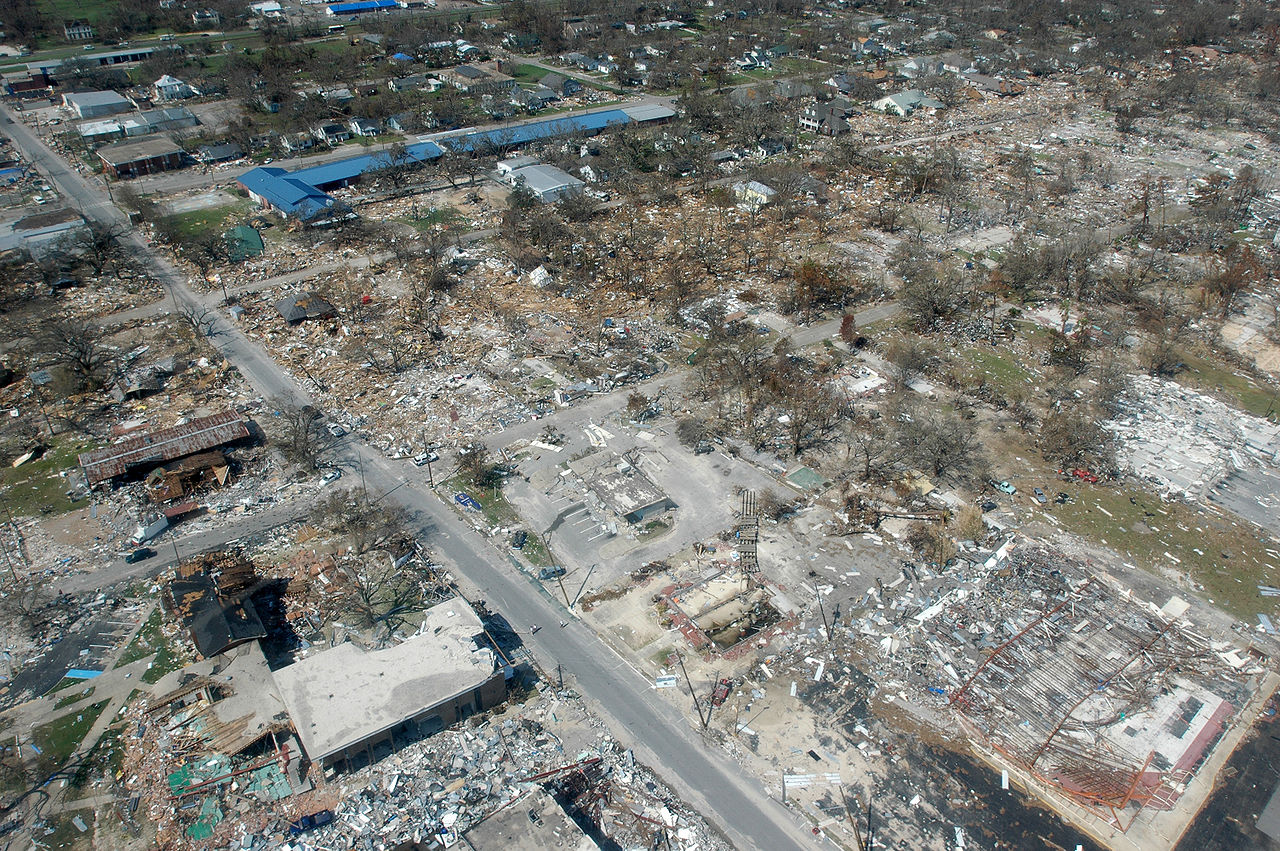
Meanwhile the physical evidence keeps accumulating. Between 2015 and 2019, the world lost at least 100 million hectares of healthy, productive land each year, which totals to an area more than twice the size of Greenland. In Mongolia, which hosted the first of this year’s three summits, close to 77 percent of the land is already degraded, in a country whose economy and culture are built on its rangelands. Land degradation is not a rural problem that stops at the city limits. It drives migration, strains urban services, and undermines the water and food systems that towns and cities rely on.
This year offers an opportunity. The three Rio Conventions each hold their conferences within months of one another: UNCCD COP17 in Ulaanbaatar in August, the Convention on Biodiversity COP17 in Yerevan in October, and the UNFCCC COP31 Antalya in November. Three separate meetings, three separate agendas, one question. Will they leave behind stronger systems for working together, or three more sets of decisions that do not speak to each other?
We, the local and regional governments of the ICLEI network, call for three key changes, and none of them requires renegotiating the Conventions themselves.
First, align national plans and indicators. Climate commitments, biodiversity strategies, adaptation plans, and land degradation targets are largely drafted by different ministries on different schedules. Bringing them into alignment, with local and regional governments involved in drafting them, would mean that a single investment delivers across all three agendas rather than one.
Second, reform how finance reaches the ground. Local and regional governments need simplified, direct access to climate, biodiversity, and land funds, through mechanisms that can recognize the multiple benefits an integrated project generates. Projects that deliver across more than one agenda should be prioritized, not left to compete against single-purpose ones on narrower terms.
Third, strengthen the Joint Liaison Group that links the three Conventions. It exists, and it exchanges information. Instead, it should coordinate: Guiding joint work programs, harmonizing reporting and scientific assessments, and reporting publicly each year on whether coherence is improving.
None of this is new architecture. The building blocks already exist. Local and regional governments have spent three decades demonstrating what integrated implementation looks like, and more than 2,500 of us now work through ICLEI across all three processes. What is missing is not evidence, and it is not ambition at our level. It is the political system to connect what has already been built.
Governments will meet in Yerevan and in Antalya in the coming weeks. They will negotiate separately, and they should. But separate negotiation does not require separate implementation. The Conventions were born together. It is time they caught up with the interconnected challenges cities and regions already manage every day.
To learn more, read ICLEI’s global position on advancing coherence across climate, biodiversity, and land.