African enterprises bet on circularity to reshape food systems
Across Africa, food entrepreneurs across the coffee, fisheries, poultry, and dairy sectors are reshaping how food is produced, packaged, reused, and valued.

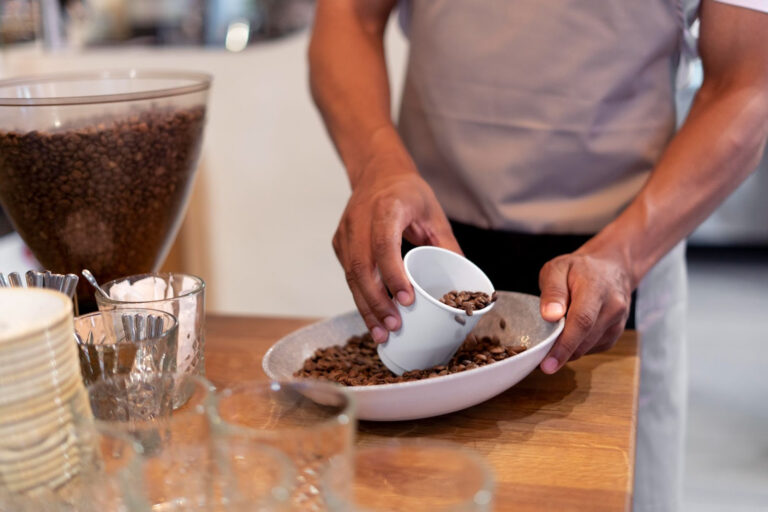
Across Africa, food entrepreneurs across the coffee, fisheries, poultry, and dairy sectors are reshaping how food is produced, packaged, reused, and valued.
Part of ICLEI’s “Youth Voices,” this guest op-ed article calls for greater recognition of young people’s potential in food policy development, as well as structural support for their initiatives.
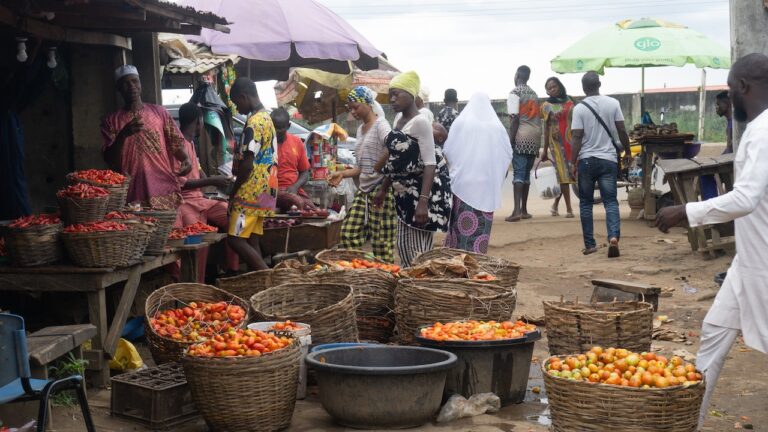
Developed under the AfriFOODlinks project, the Cultivate Marketplace is a city-led initiative designed to transform how municipalities and funders meet, learn from each other, and build investable pathways together.
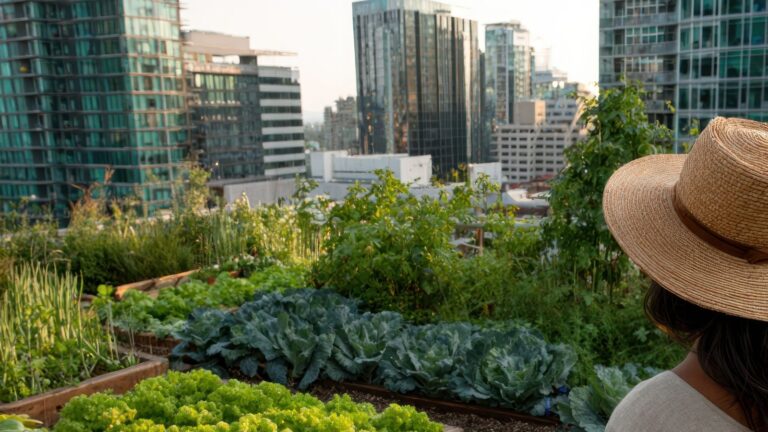
As a signatory to the Climate Champions’ Food Systems Call to Action, ICLEI’s Global CityFood Program will showcase city-led solutions and its commitment to a just transition and collective action across several COP30 events.
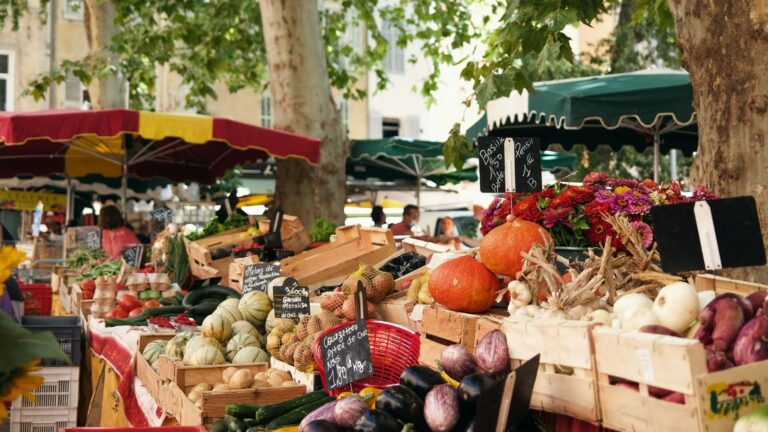
World Food Day, on 16 October, lands with new urgency to work together for better food and a better future. Answer the call to collaborate across governments, sectors, institutions, and communities, our global ICLEI CityFood Program and network cities are advancing actions for healthy people, landscapes, and climate. After all, cities thrive when their food systems do.
Food systems, by their very nature, cross boundaries. That’s why FoodCLIC is expanding both the sectors of knowledge involved and the geographies engaged.
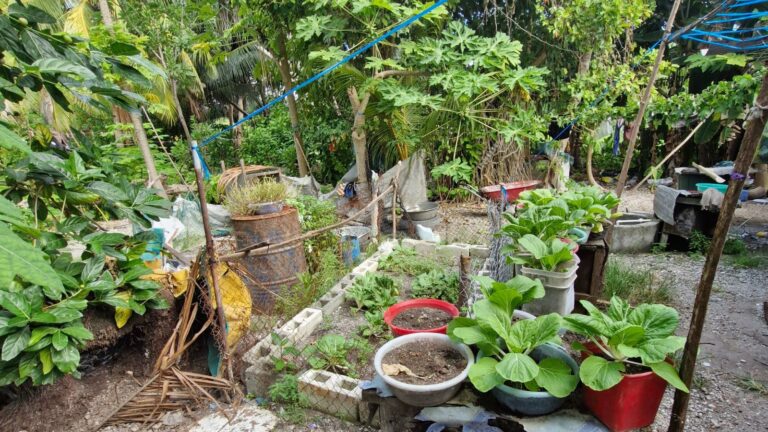
Through the IKI-funded Blue-Green Development in Kiribati project, communities in South Tarawa pair local know-how with practical tools to boost food security and strengthen resilience, proving that land-based, nutritious food systems can thrive even in fragile atoll landscapes.
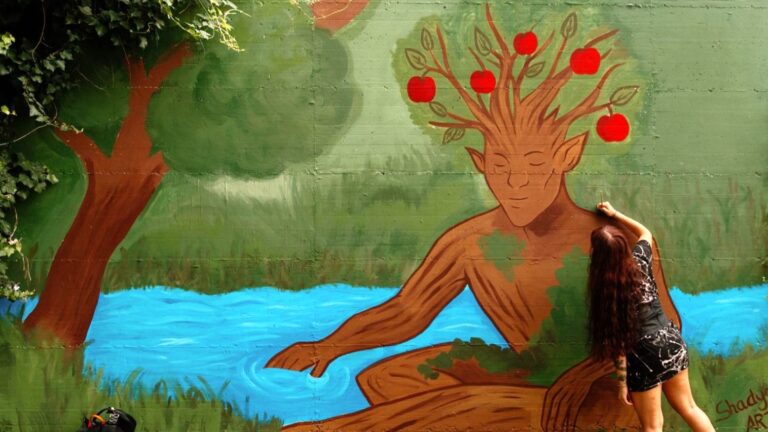
International Youth Day – on 12 August – is a chance to reflect on how youth are advancing multilateral cooperation through technology and partnerships. In particular, we will look at the example of the AfriFOODlinks Youth Ambassadors.

As Türkiye braces for another summer of heatwaves and unpredictable storms, spaces like the Kadifekale community garden offer a green space that is not only public, but participatory.

Food is a cornerstone of health, dignity and wellbeing—yet many cities face challenges in ensuring access to healthy, affordable, and culturally appropriate food. Discover how cities in the Malmö Commitment Network are building inclusive food systems that serve everyone, especially the most vulnerable.

What happens when around 100 stakeholders from five continents come together to discuss urban agrifood systems transformation? In September 2024, the Urban Agrifood Systems Global Workshop—co-organized by FAO and ICLEI—turned FAO headquarters in Rome into a vibrant marketplace of ideas. Check out the outcomes.

The COVID-19 pandemic highlighted the importance of nature in urban environments, providing solace and a sense of well-being during lockdowns. At the ICLEI World Congress, local and subnational governments, alongside WHO experts and NGOs, discussed the potential of Nature-based Solutions to address biodiversity loss and climate change while enhancing urban health.