Being investment ready for climate resilience
While climate resilience assessment tools help cities understand their risks, adaptation projects often need a final push to become a viable investment opportunity.
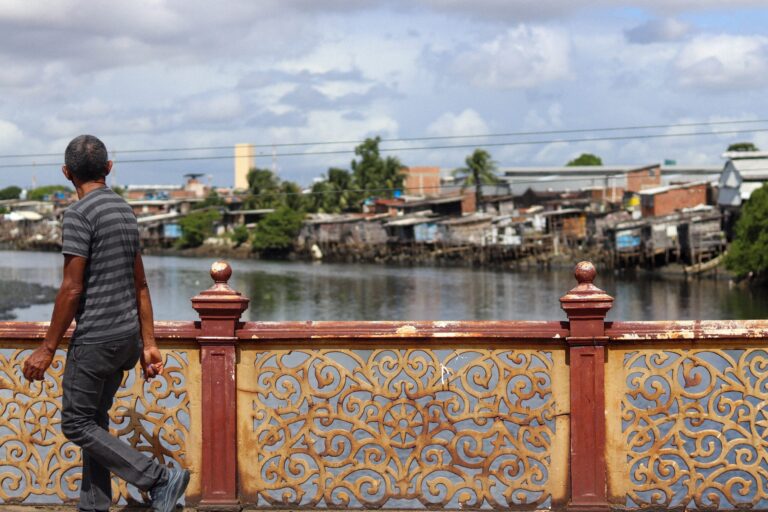
The Urban Infrastructure Insurance Facility (UIIF), introduces an innovative way for cities in Latin America and the Caribbean to access climate adaptation financing, including the insurance market, collectively pool risk, and protect critical infrastructure and vulnerable populations.
Climate action is only as effective as the communities it reaches, but too often, city programs favor those with more resources, leaving disadvantaged groups behind. Through the INCLU:DE project, ICLEI and partner cities are testing practical ways to remove barriers and make climate programs accessible and fair. The result: Higher uptake of climate solutions and more resilient, trusted local governance.
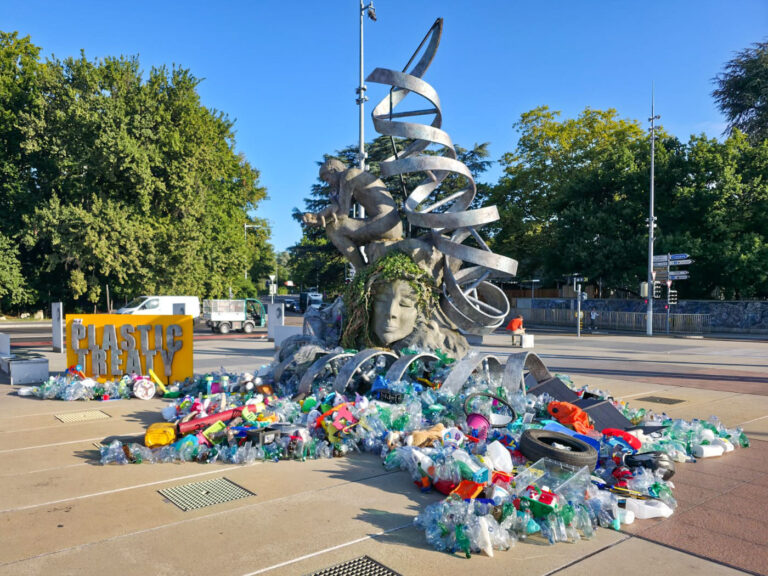
As countries race to finalize a global plastics treaty by the end of 2025, a critical round of negotiations is underway in Geneva, Switzerland. From production limits to toxic chemical bans, what’s on the table and why must cities have a seat at it?
As national governments are preparing their next round of Nationally Determined Contributions, their success depends heavily on actions taken at the local level.
The 2nd CHAMP UNFCCC Focal Point Dialogue provided a platform for national government endorsers and their strategic partners to assess progress and guide CHAMP’s implementation toward COP30.
Mostly not. And that’s an issue, since one of the drivers of success for COP30 could be how well the NDCs 3.0 reflect and enable climate action in cities.
Born from the 1992 Earth Summit in Rio de Janeiro, these three multilateral environmental agreements have shaped how the international community approaches global environmental challenges.
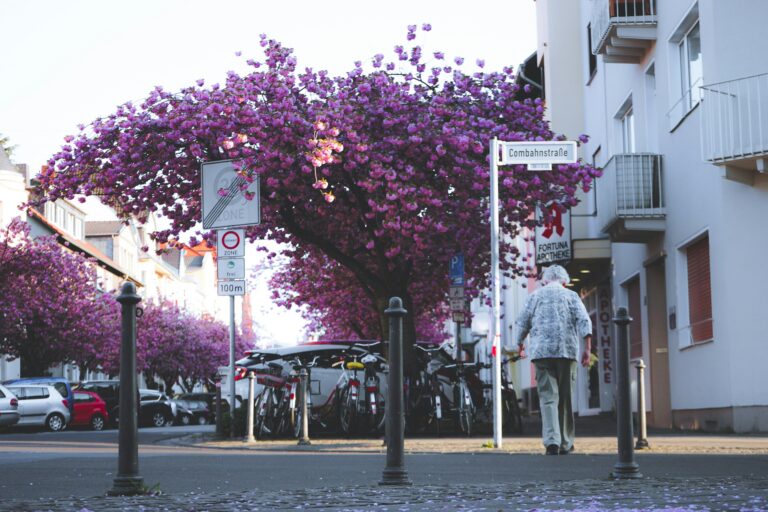
Every year, the Bonn Climate Talks – formally the sessions of the UNFCCC Subsidiary Bodies (SBs) – serve as the mid-year checkpoint on the road to the annual COP. With over 6,000 national delegates and civil society representatives expected, the SB62 (16-26 June 2025) is far from routine.
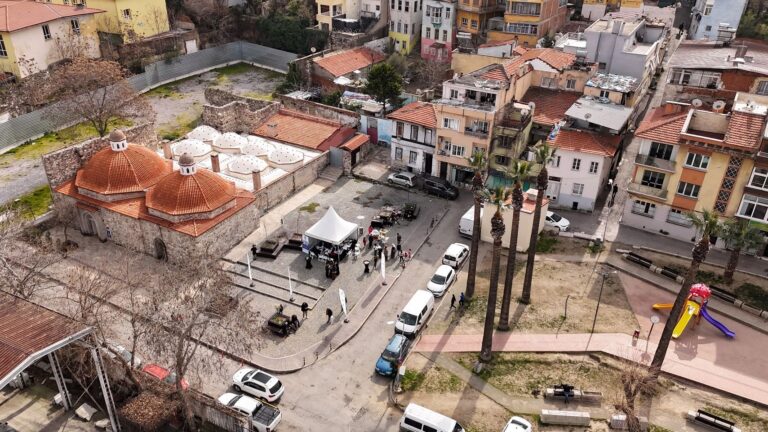
As Türkiye braces for another summer of heatwaves and unpredictable storms, spaces like the Kadifekale community garden offer a green space that is not only public, but participatory.
In Izmir’s Pazaryeri and Imariye neighborhoods, women are on the frontlines of climate resilience, navigating floods, heatwaves, and economic challenges while leading solutions that strengthen entire communities.
At COP29, this session at the Korea Pavilion presented how to build net-zero cities through legal innovation and citizen engagement.