Being investment ready for climate resilience
While climate resilience assessment tools help cities understand their risks, adaptation projects often need a final push to become a viable investment opportunity.

While climate resilience assessment tools help cities understand their risks, adaptation projects often need a final push to become a viable investment opportunity.
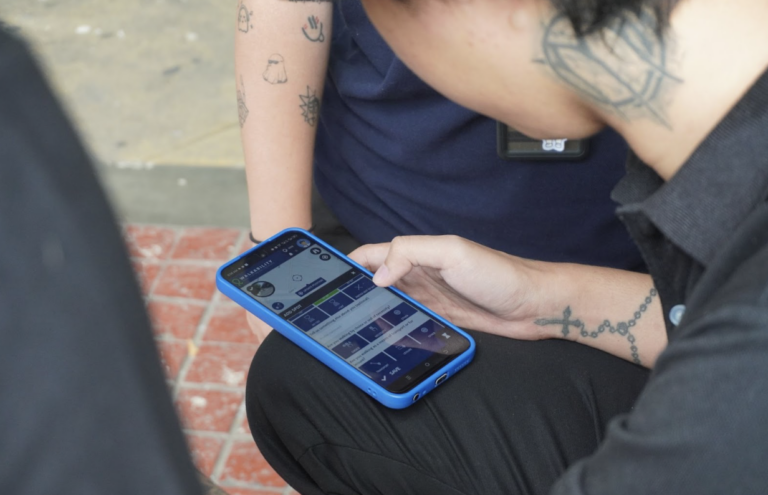
In Quezon City and Pasig City, Philippines, the SPARK Project centers on a participatory approach with community volunteers using a digital walkability app to review their own streets -rating sidewalks, crossings, and intersections- to share firsthand insights on how to make their neighborhoods safer and more walkable.

The launch of the LGMA National Coordination Group in Brasília marks a major milestone for climate federalism and multilevel governance in Brazil. Co-organized by ICLEI, the group brings together national ministries, local leaders, and civil society to ensure subnational voices help shape Brazil’s role at COP30.

Throughout 2024, Daring Cities spotlighted the Town Hall COPs initiative as an innovative mechanism linking local climate emergency action to national and global efforts. How do the Town Hall COPs fit into the current global climate arena? We brought this discussion to COP29.

To truly empower local people, community needs must be incorporated into policy, ideally using familiar language to communicate climate action and involving diverse groups in decision-making processes. Examples from cities like Baltimore, Glasgow, Lusaka, Rosario, and Baguio demonstrated the benefits of local stocktakes and continuous dialogue.

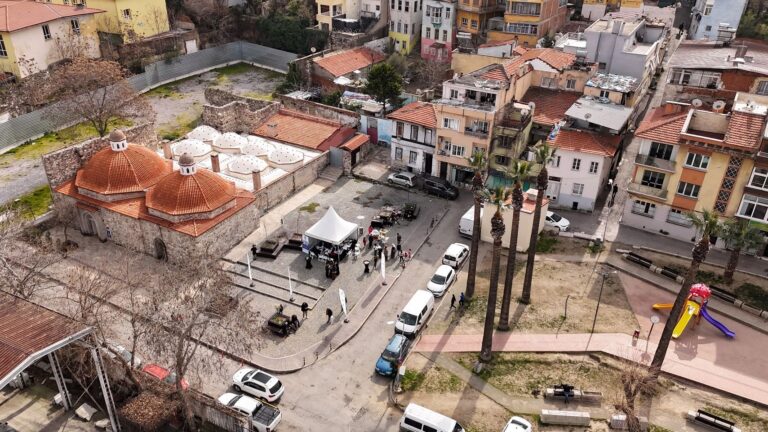
Climate adaptation is most impactful when it centers on local communities, addressing real climate impacts and ensuring the most vulnerable are informed about neighborhood actions. In Türkiye, the Climate Resilience for Communities (CRC) project in Izmir exemplifies this by uniting ICLEI, the Izmir Metropolitan Municipality, the Z Zurich Foundation, and Zurich Insurance Group Türkiye to help communities understand and manage climate risks, particularly from flooding and extreme heat.