Unlocking capital for cities: Innovative finance lessons from the Kaohsiung-ICLEI Community of Practice
Insights from the second in-person workshop series of the Kaohsiung-ICLEI Climate Neutral and Smart Cities Community of Practice.

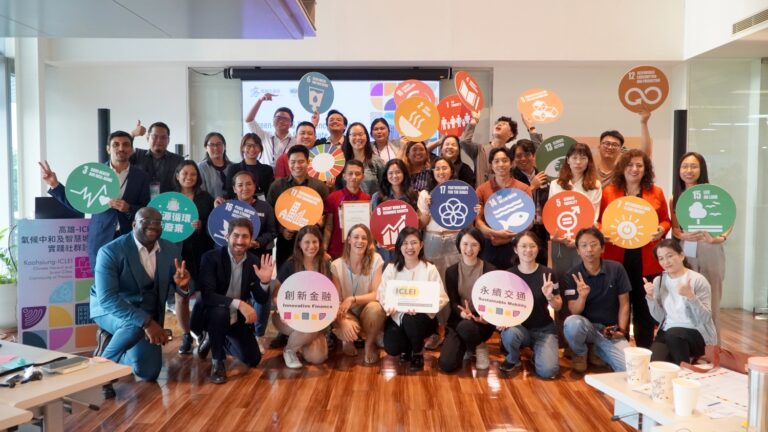
Insights from the second in-person workshop series of the Kaohsiung-ICLEI Climate Neutral and Smart Cities Community of Practice.
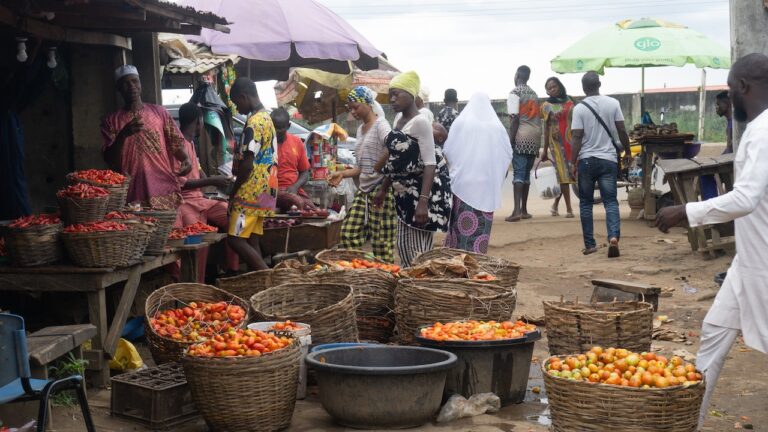
Developed under the AfriFOODlinks project, the Cultivate Marketplace is a city-led initiative designed to transform how municipalities and funders meet, learn from each other, and build investable pathways together.
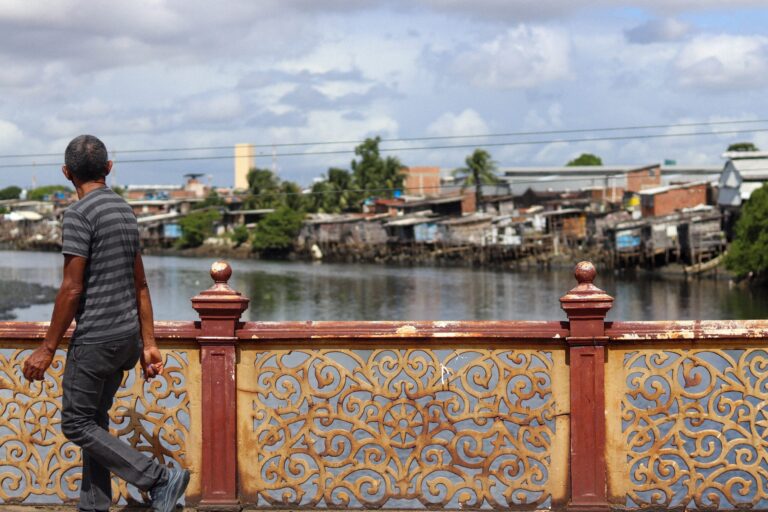
The Urban Infrastructure Insurance Facility (UIIF), introduces an innovative way for cities in Latin America and the Caribbean to access climate adaptation financing, including the insurance market, collectively pool risk, and protect critical infrastructure and vulnerable populations.
This blog was written by Jannis Niethammer and co-authored by Emily West and Daniel Botha from ICLEI Europe. Climate action…
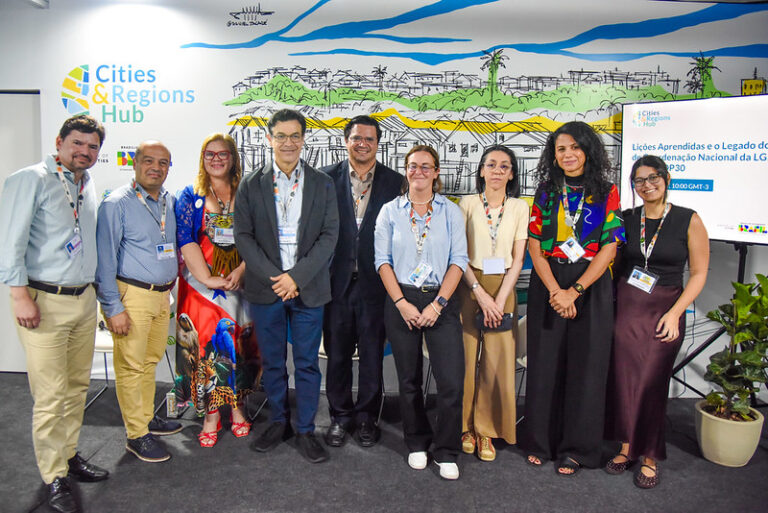
Brazil’s pioneering multilevel coordination effort is reshaping multilevel governance and collaboration at home and inspiring global pathways. From the beginning, the intention of this group was to bring climate federalism to life: National, state, and local actors aligning positions, sharing knowledge, and building a unified narrative that could travel from the streets of Brazilian cities to the negotiation rooms of the UNFCCC.
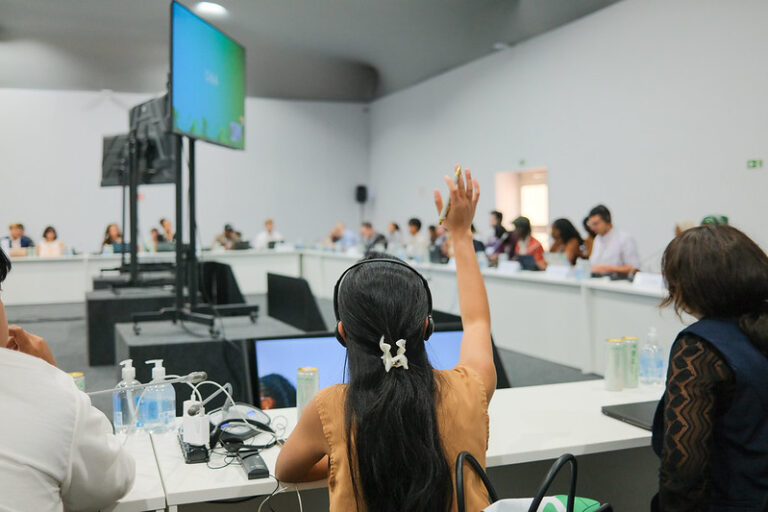
17-18 November are COP30’s days to elevate both planetary and community stewardship, with a spotlight on youth. For young people – and particularly YOUNGO, the official children and youth constituency within the UNFCCC process – COP30 is an opportunity to continue advocating for multi-generational priorities into the proceedings.
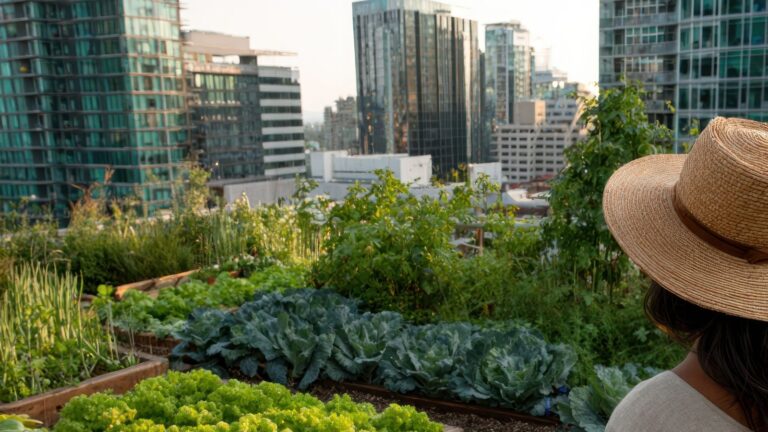
As a signatory to the Climate Champions’ Food Systems Call to Action, ICLEI’s Global CityFood Program will showcase city-led solutions and its commitment to a just transition and collective action across several COP30 events.
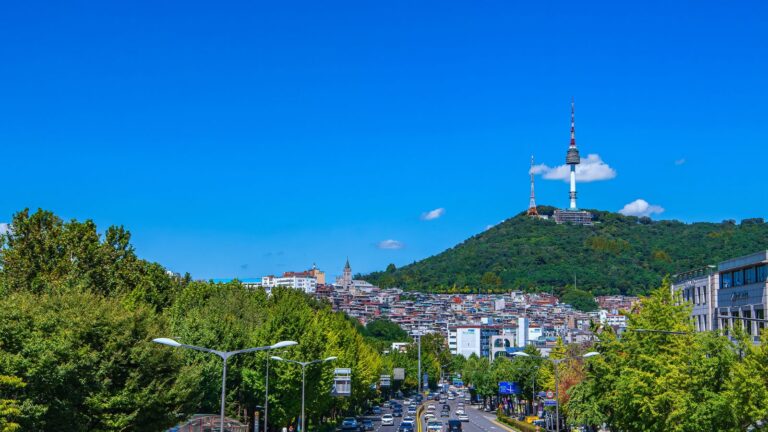
How chemicals from dry cleaning add harmful gases to the air, and how the city is switching to cleaner machines, tougher pollution rules, and smarter city policies to help everyone breathe easier.
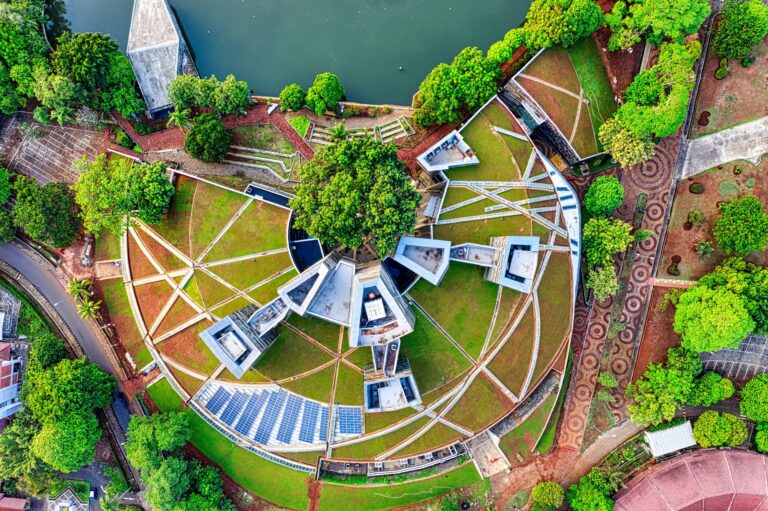
While parts of Europe and North America are slowing their push for renewable energy, Southeast Asia’s clean energy transition is gaining speed.
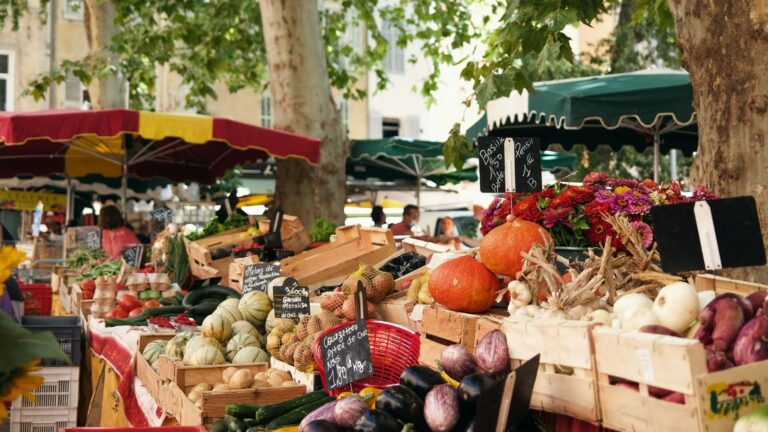
World Food Day, on 16 October, lands with new urgency to work together for better food and a better future. Answer the call to collaborate across governments, sectors, institutions, and communities, our global ICLEI CityFood Program and network cities are advancing actions for healthy people, landscapes, and climate. After all, cities thrive when their food systems do.
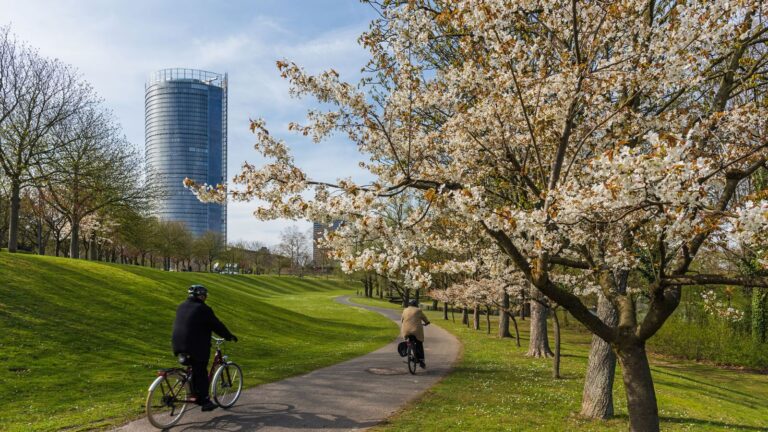
On 10 October, World Mental Health Day, is a reminder that urban environments, climate resilience, and social connections profoundly shape wellbeing, and that local governments play a critical role in safeguarding it.
Food systems, by their very nature, cross boundaries. That’s why FoodCLIC is expanding both the sectors of knowledge involved and the geographies engaged.