Measure, act, measure again: What happens when a city tracks community resilience twice
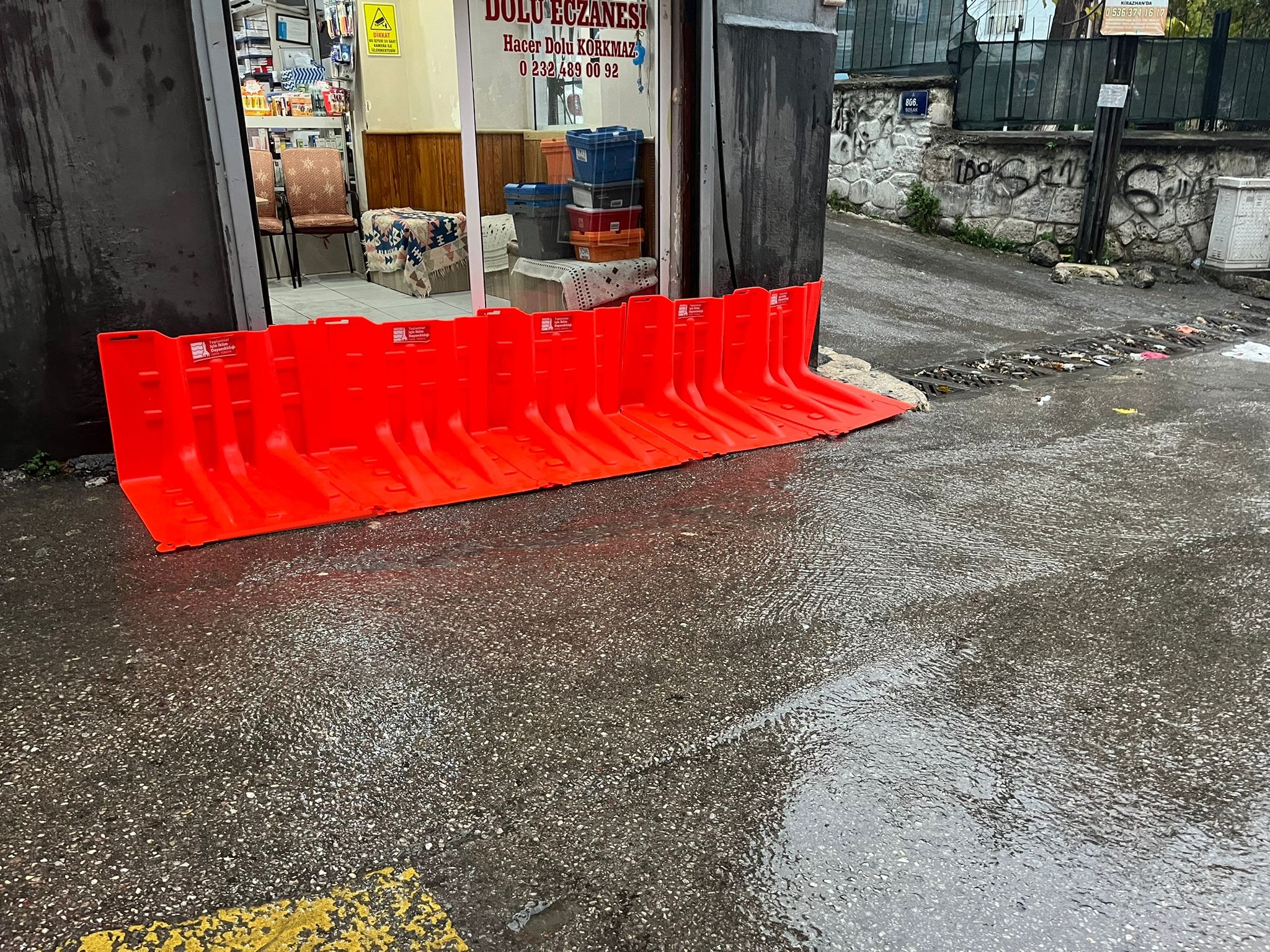
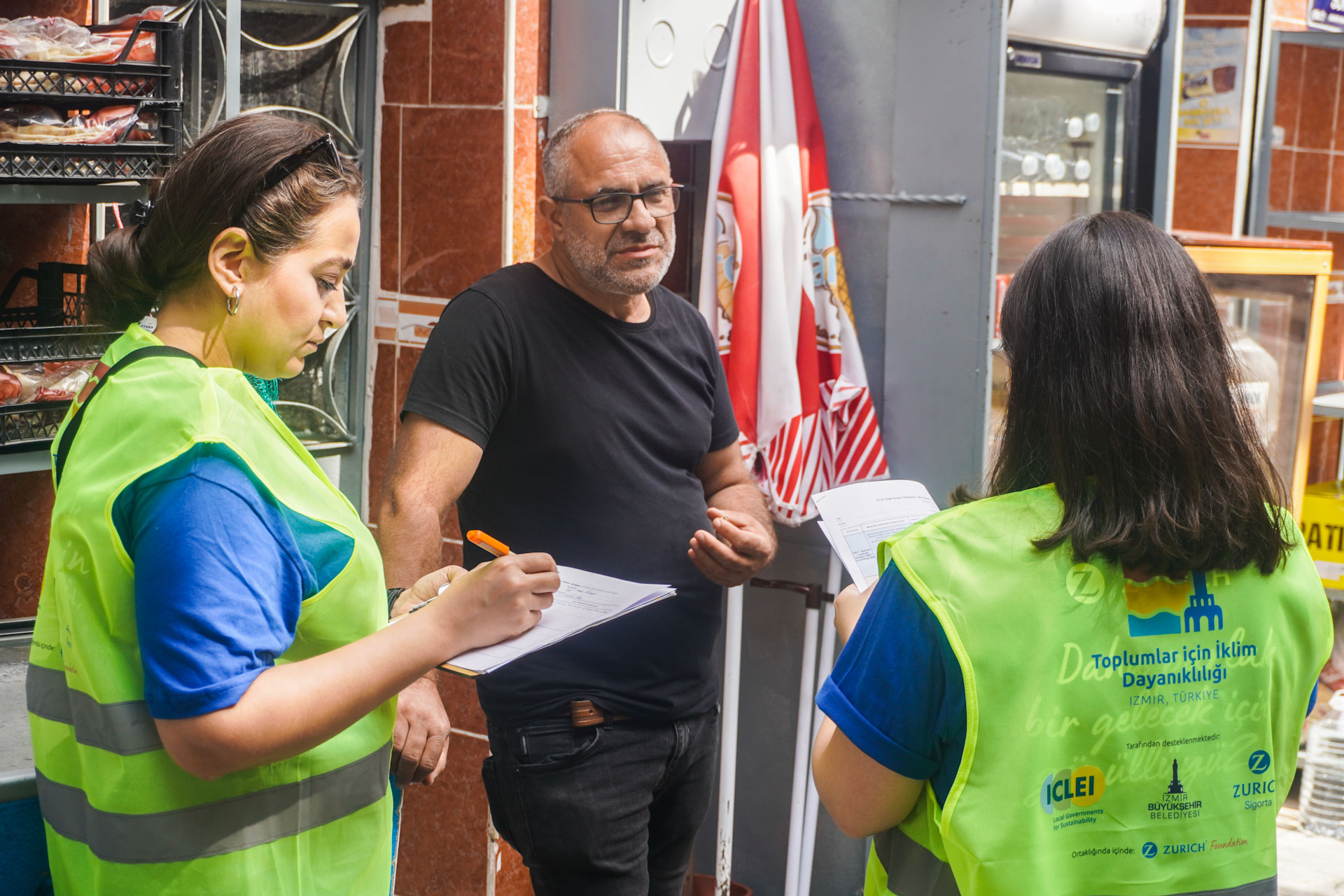
For years, every heavy rain meant the same thing for Ömer Yenigün’s shop in Pazaryeri, a neighborhood of Izmir, Türkiye. “When water used to get inside, all the goods on the floor would get soaked,” he says. “We’d throw it all away. It all counted as a loss for us.”
Today, he places flood barriers where the water turns, steering it downhill and away from his shop. But the barriers came second. They are there because the community first asked a simple question: How resilient are we, and where are we most exposed?
Why measure first?
The United Nations Environment Programme (UNEP) Limiting Overshoot report finds that temporary exceedance of 1.5°C is now inevitable. It calls for adaptation that keeps learning and revising its baselines.
For local governments, this starts with knowing where risk sits today and checking whether their actions reduce it. Floods and heat affect each neighborhood differently, so the evidence has to come from the neighborhood itself.
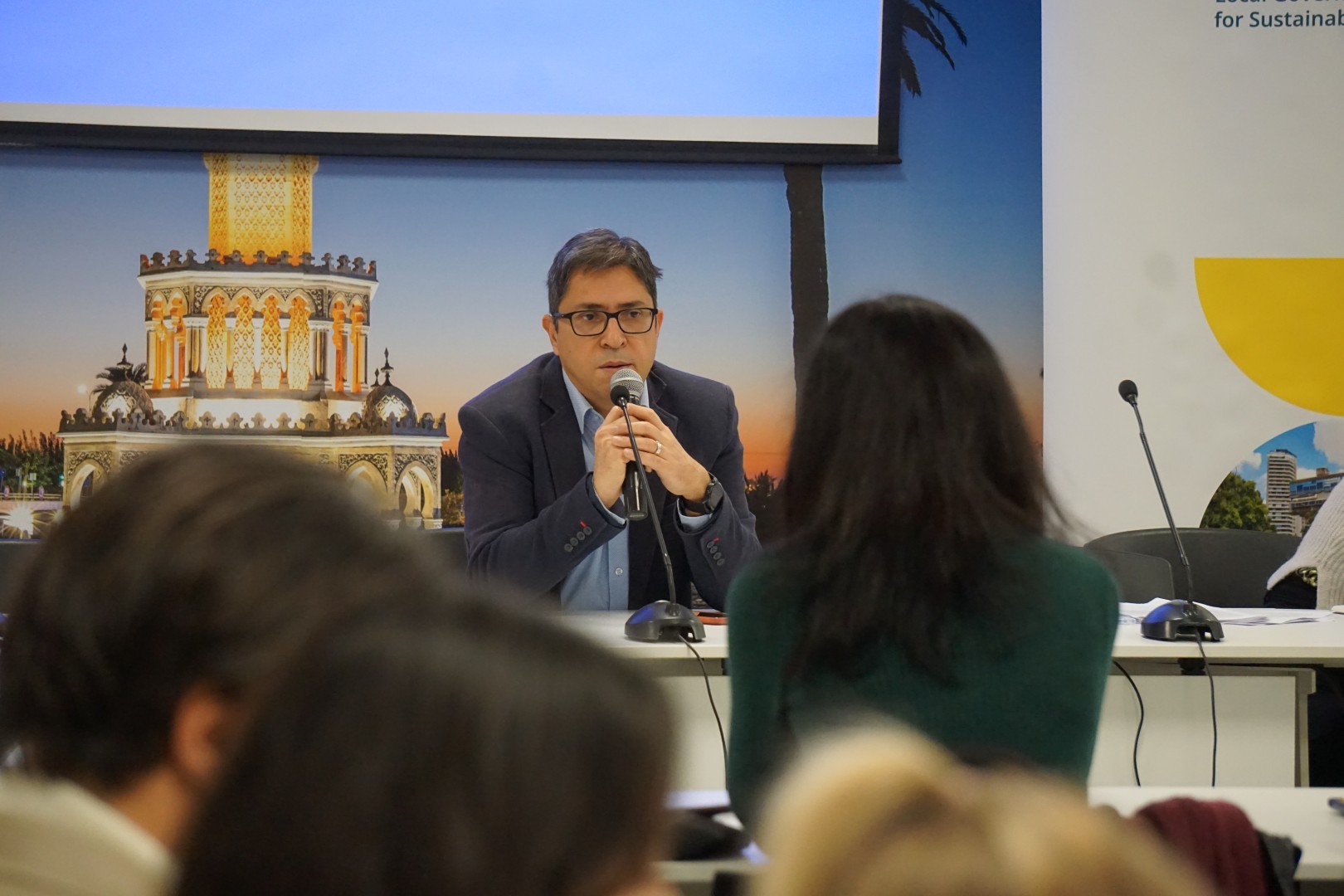
“It’s important to know what is coming up, what is around the corner, so we can better prepare our communities,” says Dr. Çağlar Tükel, Climate Change and Clean Energy Specialist at the Izmir Metropolitan Municipality.
One approach: Measure, act, measure again
The Urban Climate Resilience Program (UCRP), led by Z Zurich Foundation, runs in nine countries. Each local partner adapts the program to its context. At its core is the Climate Resilience Measurement for Communities (CRMC), a tool supported by the Z Zurich Foundation
The CRMC looks at a community through different lenses. One of them is the five “capitals” (5Cs):
- Human, such as skills and knowledge
- Social, such as networks and mutual support
- Physical, such as buildings and infrastructure
- Natural, such as green spaces and water
- Financial, such as savings and access to finance
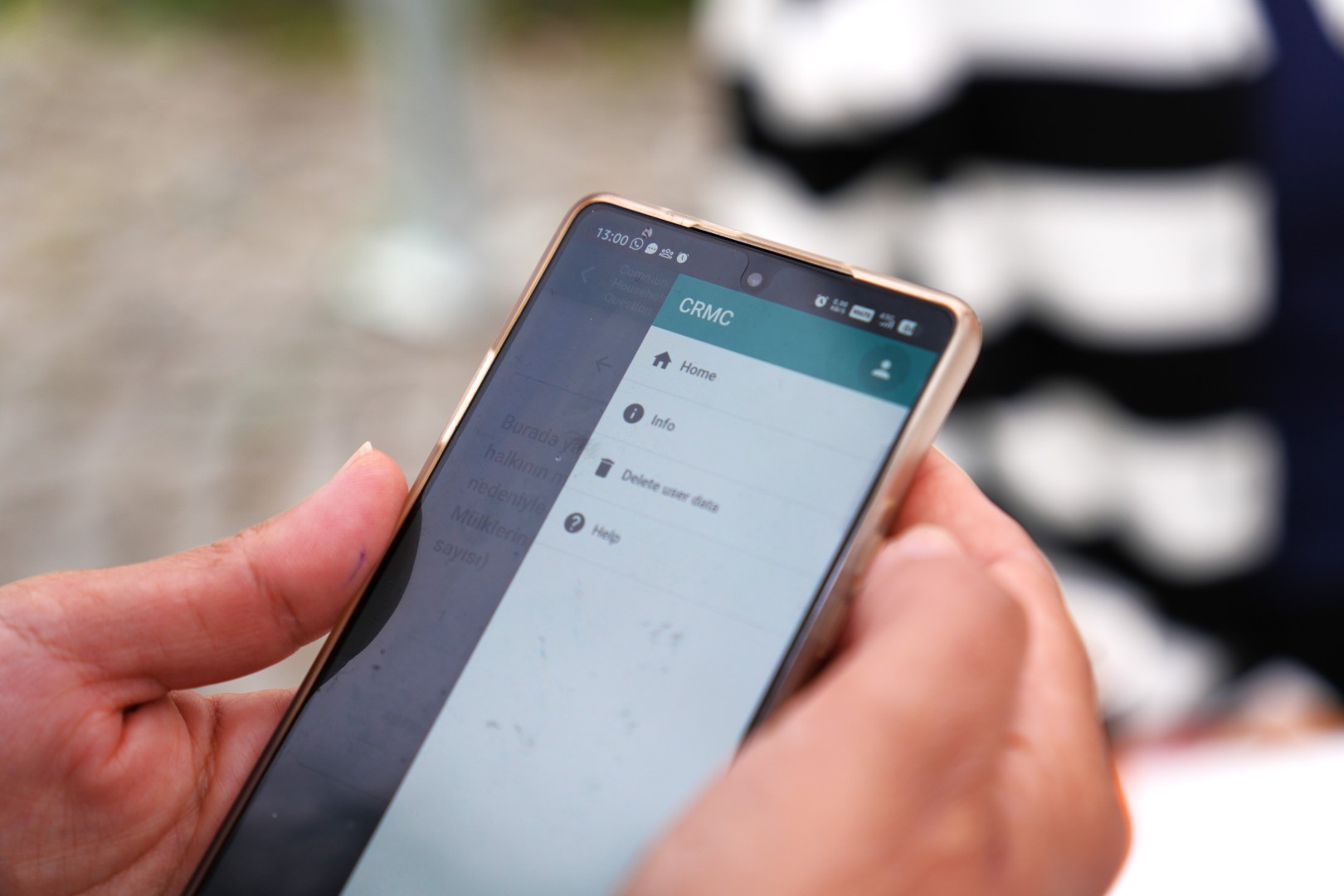
Each source of resilience, or indicators, within the tool relates to one of the 5Cs, and gets a grade from A to D, and the grades become a score out of 100. The process has three steps:
- Measure. A baseline study shows where the community is strong and where it is vulnerable.
- Act together. Residents and the municipality design and implement solutions based on those findings.
- Measure again. A follow-up study shows what has changed and where more work is needed.
The second step is the one that sets this approach apart. Residents do not simply receive predefined activities; they help set priorities, shape the solutions, and, in many cases, put them in place themselves.
Izmir: What the second measurement showed
ICLEI applied the approach in two communities of Izmir through the Climate Resilience for Communities project, in partnership with the Izmir Metropolitan Municipality, Z Zurich Foundation and Zurich Insurance Group Türkiye.
The baseline study, conducted in 2024, combined household surveys, focus group discussions, and key informant interviews to establish an initial understanding of community resilience. Following the implementation of the first resilience measures, a second assessment was carried out in 2026, using the same combination of methods to examine changes over time.
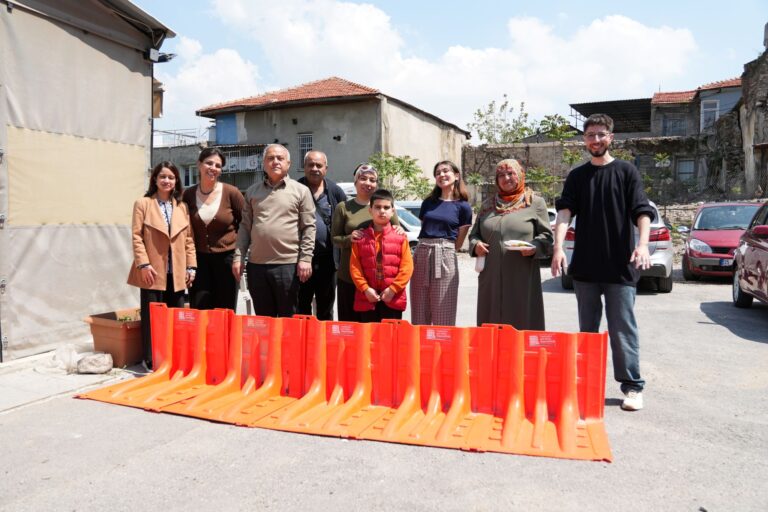
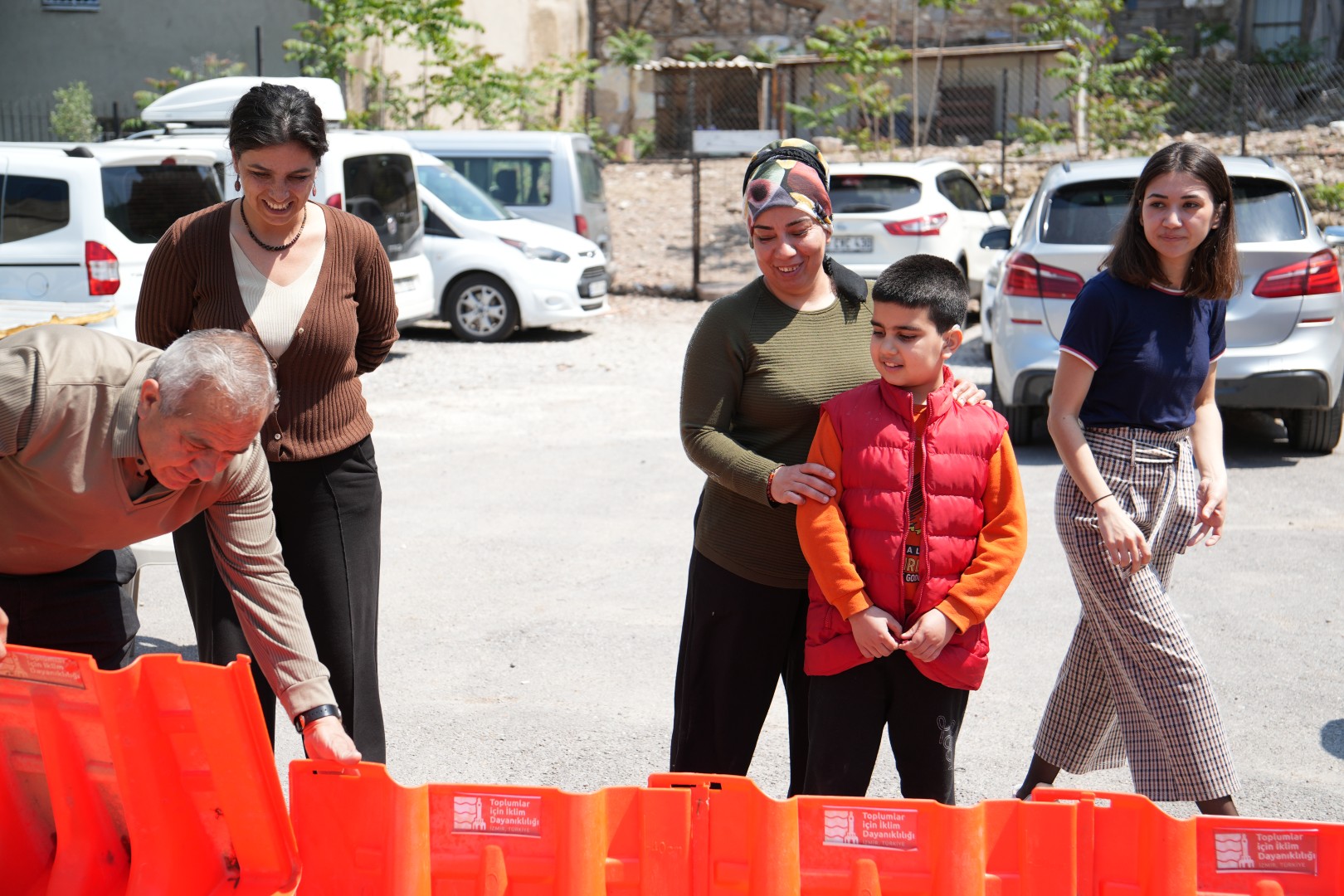
In Pazaryeri, home to about 7,000 people, a flood risk and vulnerability assessment showed which buildings were most exposed. Residents formed a Neighborhood Committee of volunteers, trained in flood preparedness, and learned to install modular flood barriers. The barriers were placed at the locations the assessment identified, including a local health center.
Before the project, residents used sandbags. “People think it’s like a tin can, thin and light, but it’s a lifesaver,” says resident Zahide Sarıhatun. “It takes five minutes to set up.” She has since helped a neighbor whose house sits low on the slope to install barriers.
The local muhtar’s office now passes on what it learned. “We learned it first, so we explain it to others,” says Kemal Evgi, Muhtar of Yeni Mahalle.
Between the two studies, Pazaryeri’s flood resilience score rose from 29 to 44 out of 100. Awareness of climate risk improved from C to A, and household protection from D to B.
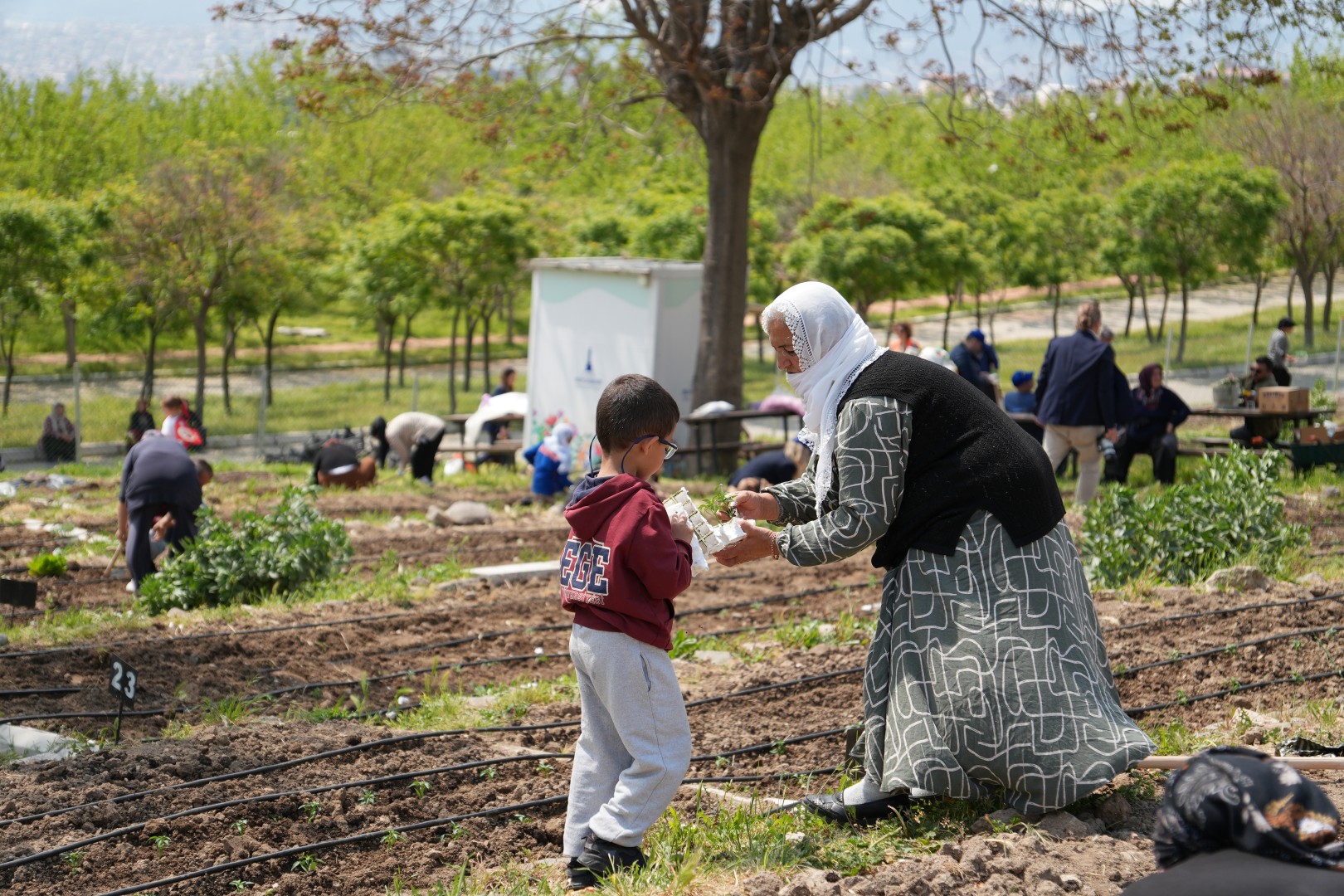
In İmariye, home to about 7,900 people, the focus was extreme heat. In shared workshops, women chose where shade was most needed and built canopies from reused materials. At the Kadifekale Community Gardens, a new greenhouse with rainwater harvesting now protects seedlings from heat and drought. Volunteers from Zurich Insurance Group Türkiye helped set up school gardens.
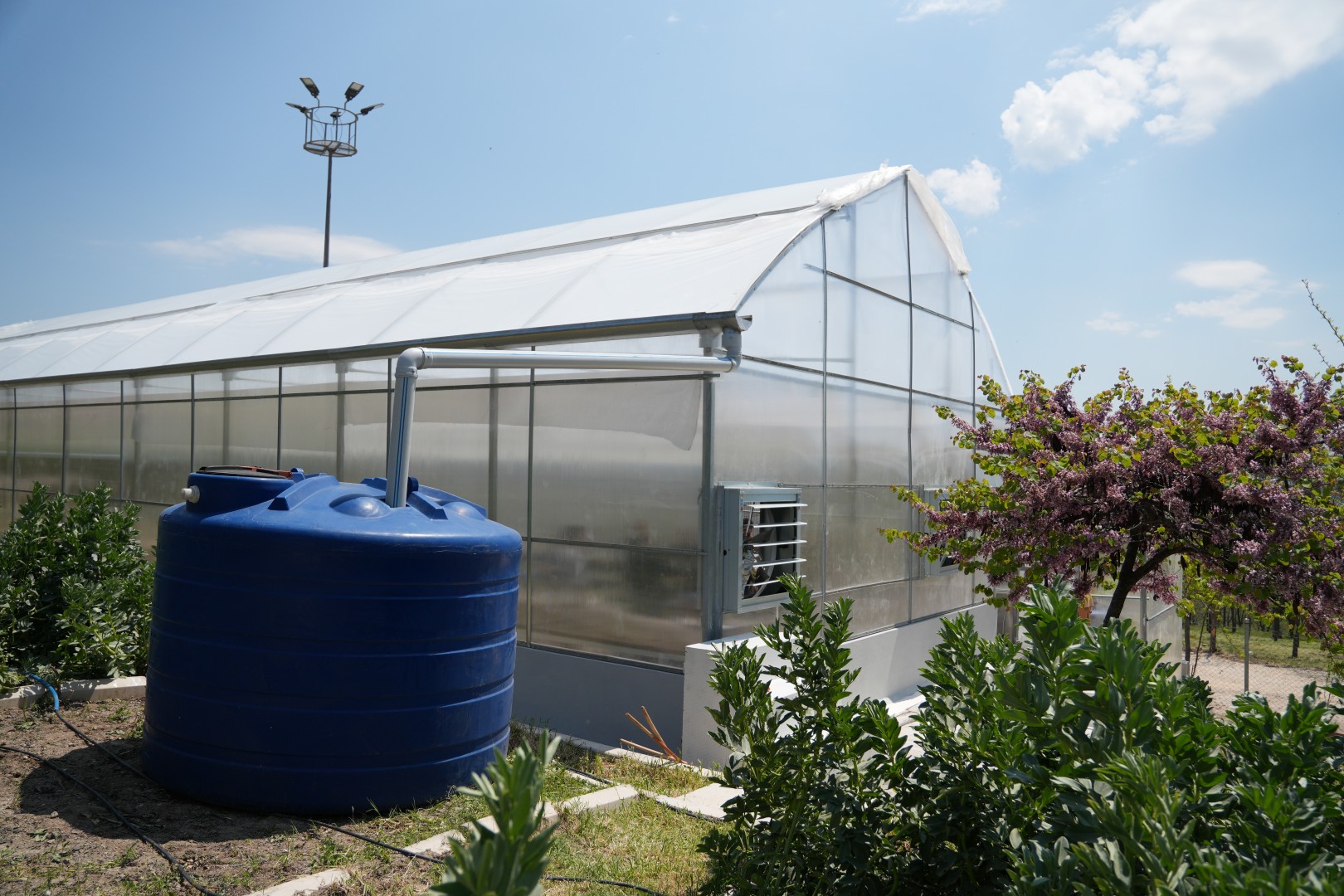
The gardens are also a meeting place. Beyond the physical improvements, these shared spaces help strengthen social connections and networks of mutual support, an important foundation for community resilience. “We have breakfast, we’ve made new friends here,” says one of the gardeners.
İmariye’s heatwave resilience score rose from 31 to 46 out of 100. Heatwave protection knowledge and mutual support both improved from C to A.
Measuring again also shows where progress is slower. General resilience, which looks beyond floods and heat, stayed level in both communities. In Pazaryeri, the barriers have so far been used only during regular rains, not yet during a major flood. Other results, such as those of the greenhouse or the Neighborhood Committee, need more time to show.
From neighborhoods to the city
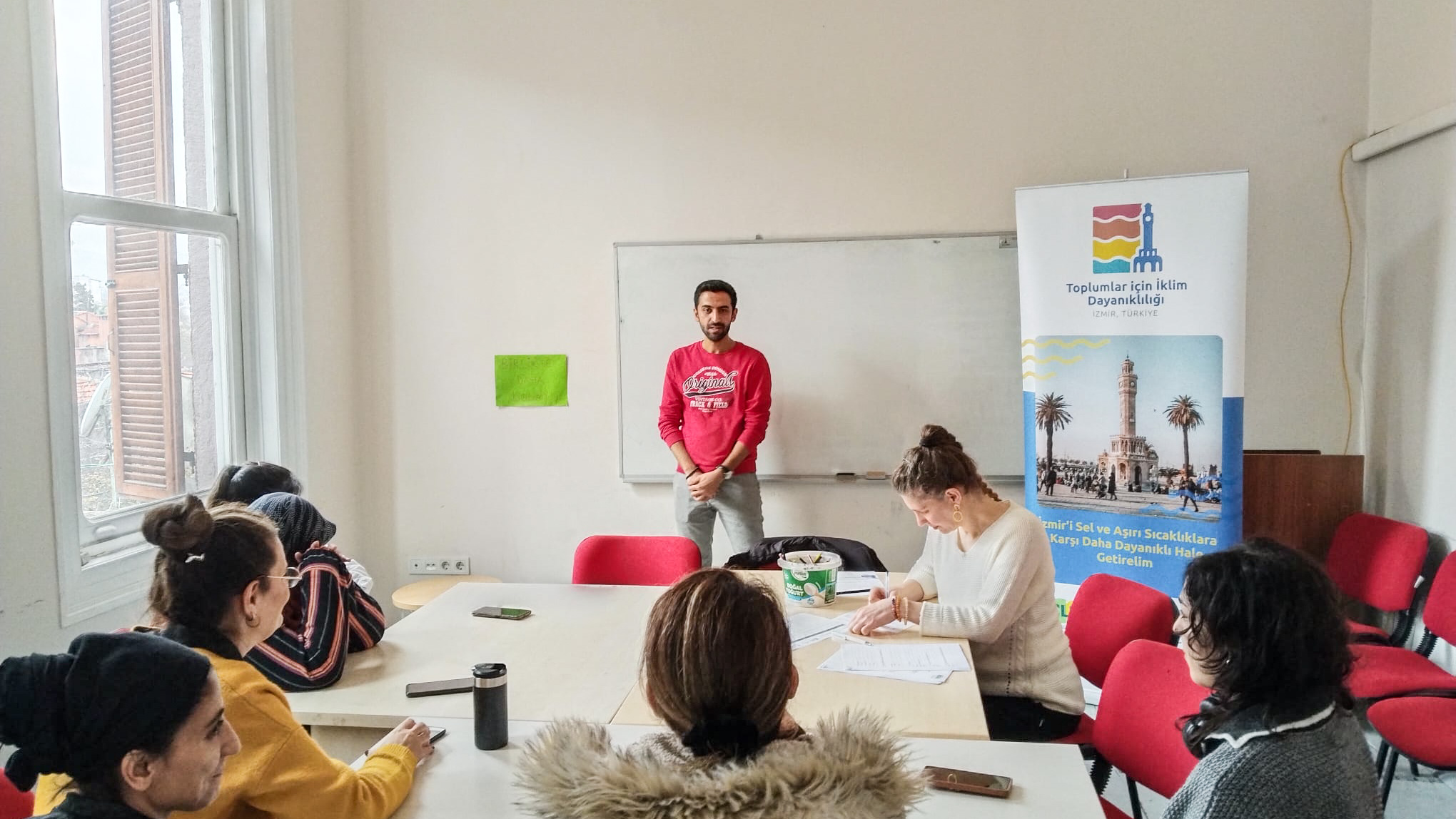
The findings did not stay in the two neighborhoods. Four departments of the Izmir Metropolitan Municipality jointly developed a climate resilience curriculum for children and adults. The municipality now uses CRMC data to adjust its city and community strategies.
“Climate resilience affects daily life in many aspects, so you cannot work in silos,” says Prof. Dr. Pınar Okyay, Deputy Secretary General of the Izmir Metropolitan Municipality. She recalls how about a hundred residents came forward and said: “We want to be your emergency team.”
What comes next
The follow-up study recommends a modular approach that other municipalities in Türkiye can adapt to their own risks and capacities. The next phase of the program will build on what worked in Izmir.
“The goal isn’t individual projects,” says Charlotte Stemmer, Head of Adapting to Climate Change at Z Zurich Foundation, “but lasting shifts in how cities understand risk and build resilience.”
From Izmir to COP31
Moving from individual projects to resilience at scale takes more than good results in two neighborhoods. It takes partners willing to share the effort and the cost. This is the question at the heart of the session “Community-led Resilience: Scaling local level action and impacts” at the 2026 UN Climate Change Conference (COP31) in Antalya, Türkiye, on 12 November 2026, 11:00–12:00 at ICLEI’s Multilevel Action Pavilion, in the Blue Zone.
Speakers from government, philanthropy, business, and finance will discuss how to fund and scale community-led resilience. The evidence from Izmir will be part of that conversation, alongside Z Zurich Foundation’s UCRP 2026 Action Report, which will be launched at the session.
For Zahide, the lesson from Pazaryeri is simple: “We always need each other.”