Being investment ready for climate resilience
While climate resilience assessment tools help cities understand their risks, adaptation projects often need a final push to become a viable investment opportunity.
It builds just, livable, happy, and inclusive urban communities, addressing the root causes of poverty and inequality while safeguarding natural support systems essential for human life.
While climate resilience assessment tools help cities understand their risks, adaptation projects often need a final push to become a viable investment opportunity.
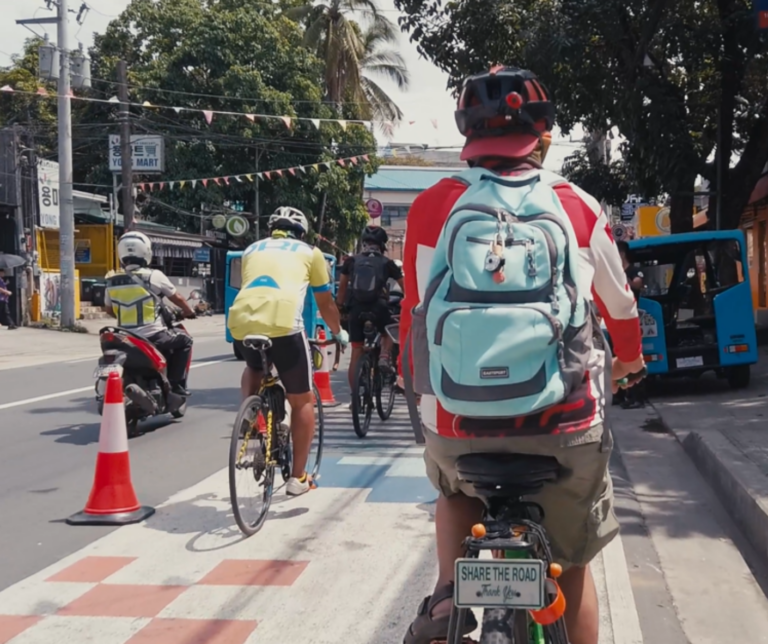
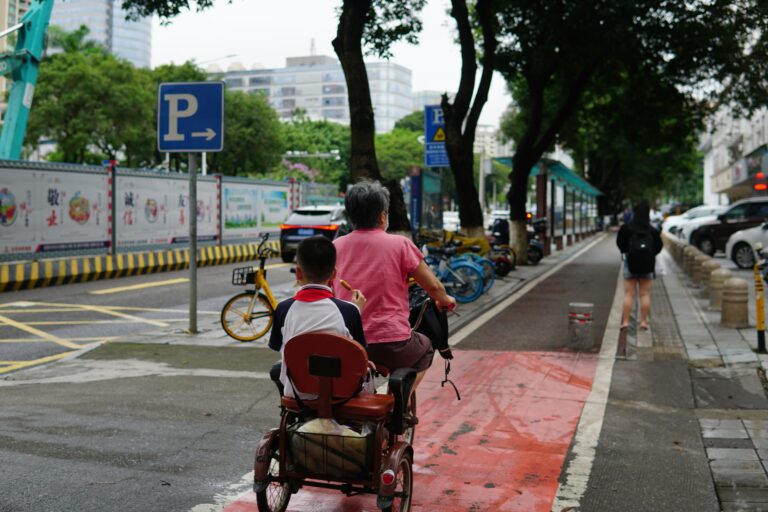
Owning a car is a common aspiration for many Filipinos. But they also believe their cities can be more walking- and cycling-friendly in the future. The SPARK project helped turn that vision into action in Quezon City and Pasig City through tactical urbanism interventions that made streets safer and more accessible for active mobility.
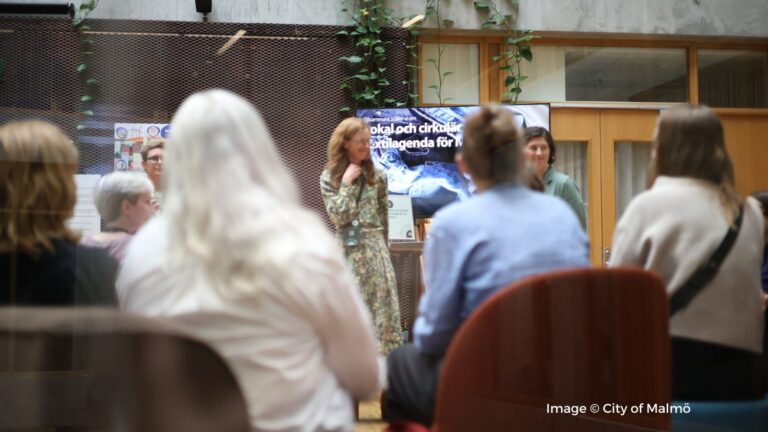
Across the Malmö Commitment network, cities apply intersectional approaches, showing that equity is an ongoing practice shaped by residents’ realities.
This blog was written by Jannis Niethammer and co-authored by Emily West and Daniel Botha from ICLEI Europe. Climate action…
Climate action is only as effective as the communities it reaches, but too often, city programs favor those with more resources, leaving disadvantaged groups behind. Through the INCLU:DE project, ICLEI and partner cities are testing practical ways to remove barriers and make climate programs accessible and fair. The result: Higher uptake of climate solutions and more resilient, trusted local governance.
Building child-friendly cities is a climate adaptation strategy. In Austria, Graz and Feldbach prove it works.
From uneven sidewalks and distant bus stops to unsafe, costly rides, mobility gaps are an everyday reality. Cities in the Malmö Commitment, ICLEI’s global network on prioritizing equity in sustainable development, are removing barriers with equity-led, people-centered approaches that make moving safer and easier for all.
In fiscal year 2024, ICLEI Members in Japan engaged in various activities connected to ICLEI’s five pathways toward sustainable urban…
As demand for cooling continues to soar, local and regional governments are looking at both technological and design solutions.
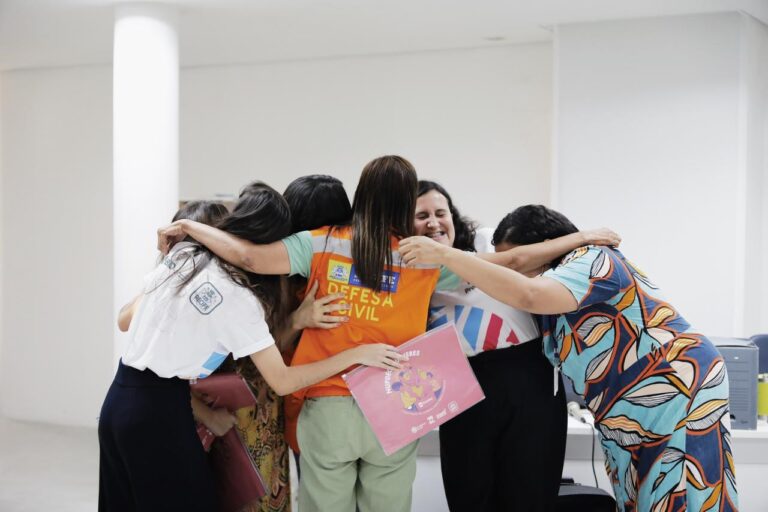
Recognizing youth as powerful drivers of change, local and regional governments are creating meaningful spaces for their voices, leadership, and ideas. This International Youth Day, discover how ICLEI Members are actively involving young people in shaping inclusive and impactful climate action.
This guest op-ed article explores how Youth Councils in Brazil are consolidating themselves as powerful tools for shared governance, co-creation, and accountability in the face of the climate crisis. How can cities unlock their potential to deliver true intergenerational climate justice?
International Youth Day – on 12 August – is a chance to reflect on how youth are advancing multilateral cooperation through technology and partnerships. In particular, we will look at the example of the AfriFOODlinks Youth Ambassadors.