Skip to content
CityTalk Blog
  • ICLEI’s Five PathwaysExpand
    • Equitable Development
    • Zero emission Development
    • Nature-based Development
    • Resilient Development
    • Circular Development
  • RegionsExpand
    • Africa
    • East Asia
    • Europe
    • Mexico, Central America & the Caribbean
    • North America
    • Oceania
    • South America
    • South Asia
    • Southeast Asia
  • Focus AreaExpand
    • Environment & ResourcesExpand
      • Air quality
      • Ecosystems & biodiversity
      • Energy
      • Food systems
      • Resource access
      • Resource security
      • Waste
      • Water
    • Infrastructure & TechnologyExpand
      • Buildings
      • Culture & heritage
      • Digitalization
      • Health
      • Infrastructure
      • Transport & mobility
    • Governance & StrategyExpand
      • Advocacy & diplomacy
      • Climate adaptation
      • Climate mitigation
      • Data & monitoring
      • Finance
      • Just transition
      • Multilevel governance
      • Private sector engagement
      • Procurement
      • Research
CityTalk Blog

ICLEI’s Five Pathways

At the subnational level, ICLEI drives change along five interconnected pathways that cut across sectors and jurisdictional boundaries. This design enables local and regional governments to develop solutions in a holistic and integrated way, creating change across entire urban systems. We influence sustainability policy and drive local action for zero emission, nature-based, equitable, resilient and circular development.
P5: Deciphering the SDGs for Local Governments
Resilient Cities Congress Zero emission Development

P5: Deciphering the SDGs for Local Governments

ByDominic Kotas March 3, 2016June 3, 2025

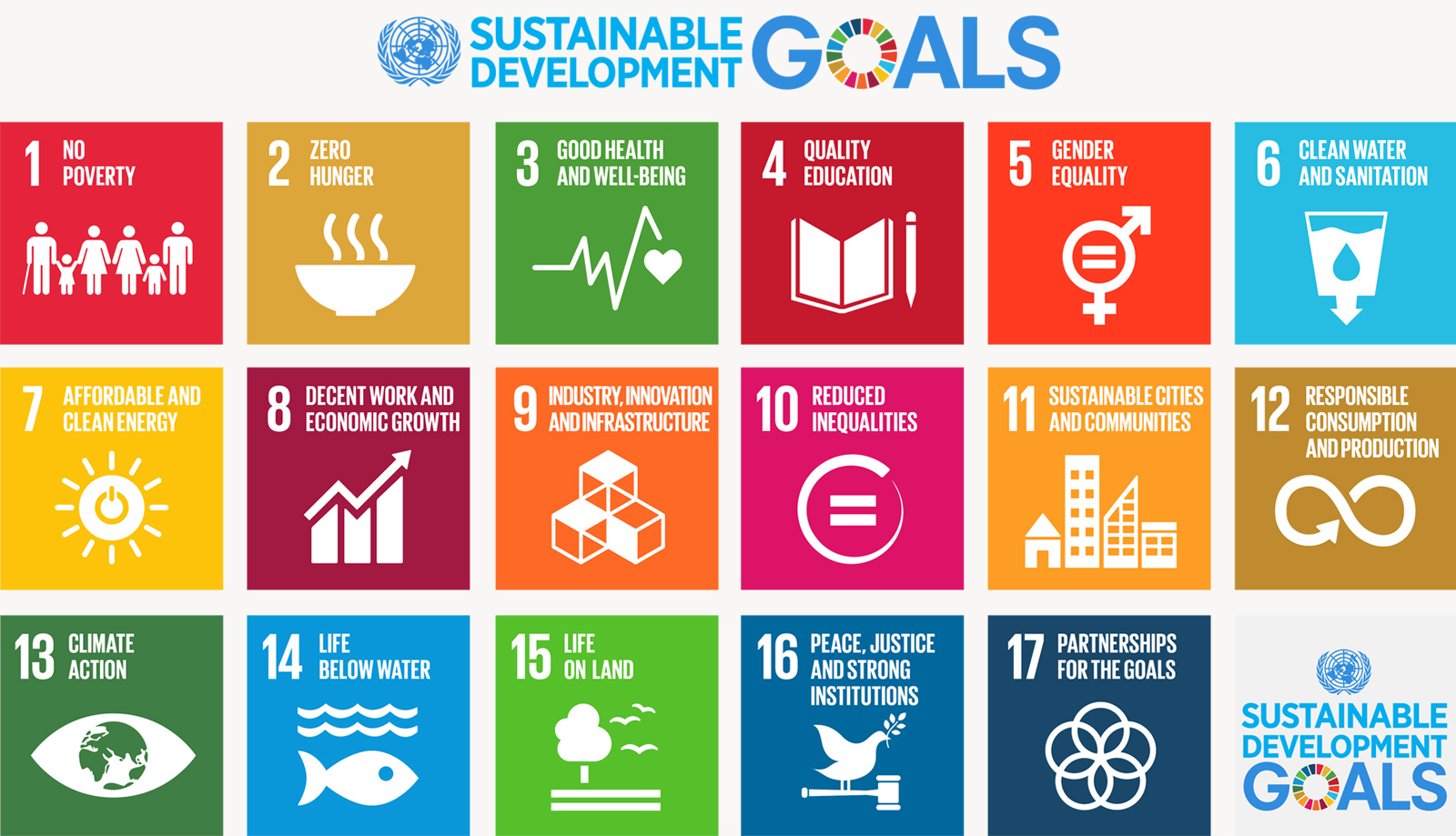
The Sustainable Development Goals (SDGs) adopted in New York in 2015 were a major step for international sustainability efforts. The…
Read More P5: Deciphering the SDGs for Local GovernmentsContinue

P3: Bridging the Resilience Finance Gap
Resilient Cities Congress Zero emission Development

P3: Bridging the Resilience Finance Gap

ByDominic Kotas March 3, 2016June 26, 2025

When it comes to financing urban resilience, there is a clear gap between demand and supply. Comprehensive resilience infrastructure will…
Read More P3: Bridging the Resilience Finance GapContinue

B1: Informal Settlements: Let the People Be the Solution
Equitable Development Resilient Cities Congress

B1: Informal Settlements: Let the People Be the Solution

ByDominic Kotas March 2, 2016June 3, 2025

What are some principles for working with informal settlements? In the Resilient Cities Asia-Pacific panel B1 on 2 March, experts…

Read More B1: Informal Settlements: Let the People Be the SolutionContinue

Finance Resilient Cities Congress Resilient Development

A3: Resilient Investment – Targeting is Good, Embedding is Better

ByDominic Kotas March 2, 2016June 3, 2025

As a city, if you want to address resilience, where do you start? At the Resilient Cities Asia-Pacific A3 panel…

Read More A3: Resilient Investment – Targeting is Good, Embedding is BetterContinue

‘Translating Global Gains into Local Realities’ Sought at Resilient Cities Asia-Pacific Opening
Zero emission Development

‘Translating Global Gains into Local Realities’ Sought at Resilient Cities Asia-Pacific Opening

ByJon Vincent Marin March 2, 2016June 3, 2025

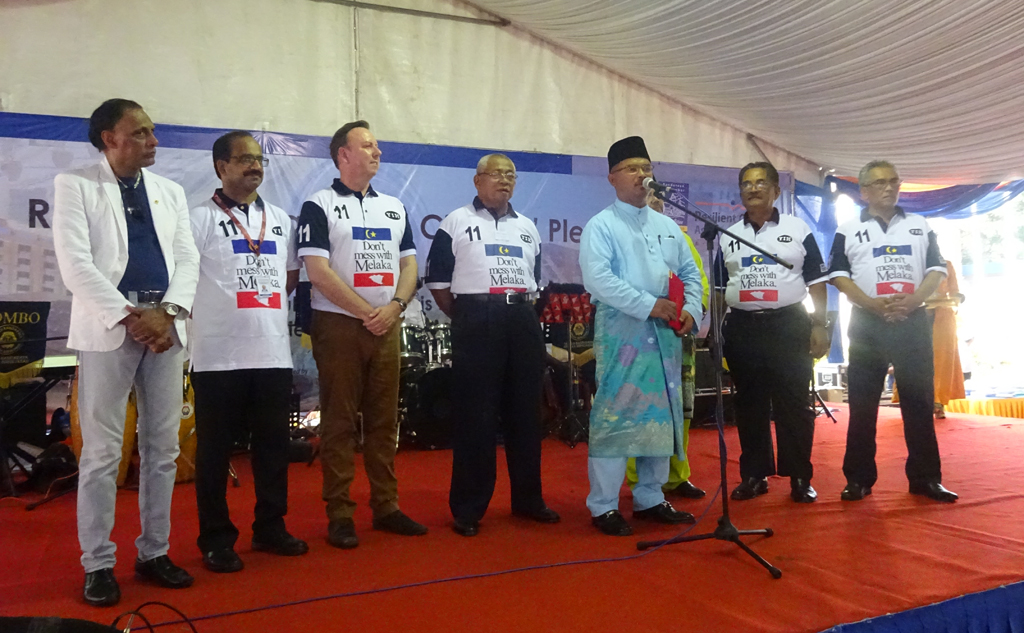
Malaysian Minister of Urban Wellbeing, Housing and Local Government YB Datuk Abdul Rahman bin Dahlan, Melaka Chief Minister YAB Datuk Seri Ir….

Read More ‘Translating Global Gains into Local Realities’ Sought at Resilient Cities Asia-Pacific OpeningContinue

Resilient Cities Asia-Pacific 2016 Opens with Assessment of “Milestone” 2015
Resilient Cities Congress Zero emission Development

Resilient Cities Asia-Pacific 2016 Opens with Assessment of “Milestone” 2015

ByDominic Kotas March 2, 2016June 3, 2025

The 2nd Resilient Cities Asia-Pacific congress was officially opened today in Melaka, Malaysia by YB Datuk Abdul Rahman bin Dahlan, the Hon….

Read More Resilient Cities Asia-Pacific 2016 Opens with Assessment of “Milestone” 2015Continue

Zero emission Development

For a resilient Melaka, and Asia Pacific

ByResilient Cities Asia-Pacific March 1, 2016June 3, 2025

They say: A visit to Malaysia is incomplete without a visit to Melaka. The city that is a fine blend…

Read More For a resilient Melaka, and Asia PacificContinue

Resilient Cities Asia-Pacific Program to Explore All Aspects of Urban Resilience
Resilient Cities Congress Zero emission Development

Resilient Cities Asia-Pacific Program to Explore All Aspects of Urban Resilience

ByDominic Kotas March 1, 2016June 3, 2025

From tomorrow (2 March) the Resilient Cities Asia-Pacific congress (RCAP) in Melaka, Malaysia will welcome participants from across the region to…

Read More Resilient Cities Asia-Pacific Program to Explore All Aspects of Urban ResilienceContinue

COP21 Zero emission Development

2nd Resilient Cities Asia-Pacific forum to ‘define local actions’ after COP21, new SDGs

ByJon Vincent Marin March 1, 2016June 3, 2025

Around 500 delegates from local governments, including over 60 cities, development agencies, civil society, and private sector will convene at…

Read More 2nd Resilient Cities Asia-Pacific forum to ‘define local actions’ after COP21, new SDGsContinue

Change as Chance: Germany’s Ruhr Metropolitan Region
Transport & mobility Zero emission Development

Change as Chance: Germany’s Ruhr Metropolitan Region

ByDominic Kotas February 25, 2016June 3, 2025

Historically, many cities were built around heavy industry. The production of steel and textiles was the catalyst for urban growth…

Read More Change as Chance: Germany’s Ruhr Metropolitan RegionContinue

The Smart Cities Debate 2.0: Would the Real Smart City Please Stand Up
Transport & mobility Zero emission Development

The Smart Cities Debate 2.0: Would the Real Smart City Please Stand Up

ByRoman Serdar Mendle February 22, 2016June 3, 2025

Post co-authored by Bohyun Kim, Junior Officer, ICLEI Smart Cities Team The world has been discussing what a smart city…

Read More The Smart Cities Debate 2.0: Would the Real Smart City Please Stand UpContinue

Two World Cities Project participants receive WWF accolades
Zero emission Development

Two World Cities Project participants receive WWF accolades

ByMichael Woodbridge February 12, 2016June 3, 2025

Two of the Canadian participants in the EU-Canada Urban Policy Cooperation have received deserved recognition for their actions and accountability…

Read More Two World Cities Project participants receive WWF accoladesContinue

Page navigation

Previous PagePrevious 1 … 28 29 30 31 32 … 50 Next PageNext

Connect with us

  • LinkedIn
  • Facebook
  • YouTube

Subscribe to iNews, ICLEI’s bi-weekly newsletter

Trending Topics

resilienceClimate Changeclimate actionadvocacynaturebiodiversityResilient CitiesSustainabilityfinancefoodeventlocal climate actioncitieswaterwaste

Contact us

ICLEI World Secretariat

Kaiser-Friedrich-Str. 7
53113 Bonn
Germany

Tel. +49-228 / 97 62 99-00
[email protected]
www.iclei.org

Categories

Global Advocacy

Zero Emission Development

Circular Development

Equitable Development

Resilient Development

Nature-based Development

Get ICLEI’s latest urban sustainability news

Subscribe

Connect with us

  • LinkedIn
  • Facebook
  • YouTube

© 2026 ICLEI - Local Governments for Sustainability

  • ICLEI’s Five Pathways
    • Equitable Development
    • Zero emission Development
    • Nature-based Development
    • Resilient Development
    • Circular Development
  • Regions
    • Africa
    • East Asia
    • Europe
    • Mexico, Central America & the Caribbean
    • North America
    • Oceania
    • South America
    • South Asia
    • Southeast Asia
  • Focus Area
    • Environment & Resources
      • Air quality
      • Ecosystems & biodiversity
      • Energy
      • Food systems
      • Resource access
      • Resource security
      • Waste
      • Water
    • Infrastructure & Technology
      • Buildings
      • Culture & heritage
      • Digitalization
      • Health
      • Infrastructure
      • Transport & mobility
    • Governance & Strategy
      • Advocacy & diplomacy
      • Climate adaptation
      • Climate mitigation
      • Data & monitoring
      • Finance
      • Just transition
      • Multilevel governance
      • Private sector engagement
      • Procurement
      • Research