At COP31, the path back to 1.5°C degrees goes directly through cities and regions
As governments prepare to meet in Antalya, the question is what it will take to turn years of political recognition into concrete gains for local and regional governments.
2026 has been a year without precedent. Geopolitical tensions, energy insecurity and shifting national priorities are testing international climate cooperation. The United Nations is undergoing major reforms and preparing for a leadership transition.
Meanwhile, the climate crisis is accelerating. UNEP’s 2026 Overshoot Report delivers a stark warning: Sustained warming above 1.5°C is now expected. The implications: Rapid emissions reductions and adaptation can no longer wait, and stronger multilevel cooperation is more critical than ever to deliver climate action at the scale and speed that keep pace with the crisis, rather than chase its consequences.
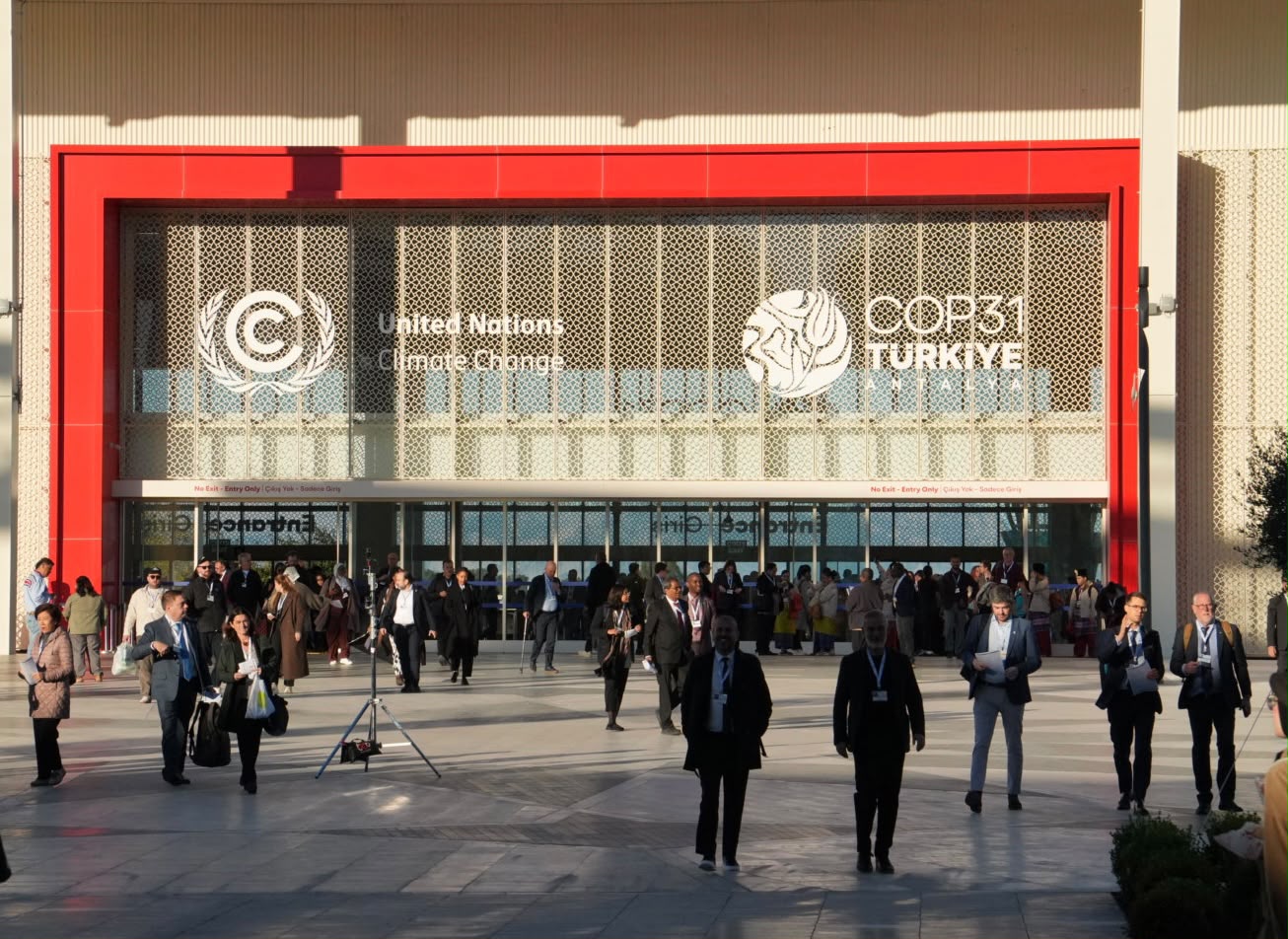
Against this backdrop, governments will gather in Antalya, Türkiye, from 9 to 20 November for UNFCCC COP31. The conference itself breaks with convention: Türkiye holds the Presidency while Australia leads the negotiations.
For years, ICLEI has argued that cities, towns and regions belong at the heart of the Paris Agreement. That message has gained political recognition, helped build partnerships and found its way into COP decisions. Yet the institutional changes needed to give local and regional governments greater authority, resources and influence have moved much more slowly.
From Belém to Antalya
Dubbed as the implementation COP, Belém brought considerable attention to cities and regions. The final Mutirão Decision acknowledged the contribution of subnational governments, and the agreement on a just transition mechanism marked meaningful progress. Yet COP30 stopped short of establishing a formal framework for dialogue between national and subnational governments within the UNFCCC process.
As Philip Yang, Special Envoy of the COP30 Presidency for Urban Solutions, argued in an op-ed, the negotiations revealed how difficult it remains to introduce new institutional priorities into an already crowded climate agenda. Political support for cities has grown, but that support has struggled to produce changes in how decisions are made.
In Antalya, local and regional governments ask: How can we change recognition into empowerment of cities and regions?
The question has become more pressing as political priorities shift. National commitments can change quickly, while investments in public transport, energy infrastructure, housing and adaptation require decades of planning. Local governments face political turnover too. Lasting climate action depends on institutions, financing and partnerships that can sustain progress across administrations.
A bigger urban agenda needs stronger local authority
The COP31 Presidency has already given urban climate action greater visibility. For the first time, Resilient Cities and Built Environment Day will be integrated into the Leaders Summit. Its agenda also includes targets for electrification, waste reduction and building efficiency.
These priorities depend heavily on decisions made in cities and regions. Building standards, public procurement, transport networks, waste systems and infrastructure investments will determine how much progress can be achieved.
Industrial decarbonization offers an example. National governments set industrial and energy policies, while municipalities influence where industries operate, how infrastructure is developed and which technologies public investment supports. Their planning, permitting and procurement decisions can help create the conditions for cleaner production.
The transition away from fossil fuels also raises questions of affordability, employment and social equity. A just transition requires locally adapted solutions, community participation and the capacity to respond to different economic circumstances.
ICLEI is calling for a rapid, just and equitable transition away from fossil fuels, with cities and regions equipped to help deliver it. Predictable national policies, adequate financing and clear regulatory mandates are essential.
COP31 offers opportunities beyond the negotiating rooms. National governments can involve municipalities more systematically in implementing their climate plans. Development banks can improve access to financing and project preparation. Local governments can work with communities to design adaptation measures based on evidence and lived experience.
These practical changes should accompany progress in the formal negotiations.
Three Rio Conventions, one reality on the ground
Antalya also concludes an extraordinary year for the three Rio Conventions, following the desertification conference in Ulaanbaatar and biodiversity in Yerevan.
The conventions address interconnected challenges, but their planning, financing and reporting arrangements remain fragmented. Cities and regions experience the consequences directly.
Restoring degraded land can protect biodiversity, reduce flood risks and strengthen climate resilience. Decisions about food systems, water infrastructure and urban expansion likewise connect multiple international commitments. Yet local governments frequently navigate separate national plans, reporting requirements and funding mechanisms to address problems that overlap in practice.
ICLEI is calling for closer alignment between national climate, biodiversity, adaptation and land restoration plans. Existing platforms for local climate and nature data could support more coherent reporting, while financing arrangements should make integrated projects easier to develop and fund.
In 2027, the forthcoming IPCC Special Report on Climate Change and Cities offers another opportunity to strengthen the scientific basis for these decisions. Local evidence should also inform the Second Global Stocktake and help national governments understand the contribution of cities and regions to their commitments.
The 2026 super year has brought the three agendas into sharper focus. Its lasting value will depend on whether governments make them easier to implement together.
What would count as a win in Antalya?
As focal point organization of the Local Governments and Municipal Authorities (LGMA) Constituency, ICLEI is working with local and subnational government networks to advance six asks at COP31. They are captured in the LGMA COP31 Position, endorsed by 80 networks of local and subnational governments.
The LGMA is calling for a transition away from fossil fuels that empowers local implementers; meaningful subnational participation in just transition arrangements; improved access to multilevel climate finance; a stronger role for independent science; a regular space for multilevel dialogue within the UNFCCC process; and faster progress on the Global Goal on Adaptation and National Adaptation Plans, with local and subnational governments involved in their development and implementation.
These demands offer tangible ways to assess progress. A regular dialogue could help national and subnational governments address implementation barriers together. Better financing arrangements could allow municipalities to prepare and fund more projects. Stronger adaptation frameworks could connect national planning with local risks and community priorities.
ICLEI is bringing a global delegation of more than 120 local and regional leaders, together with experts and partners to Antalya to advance this agenda. In the Blue Zone, the Multilevel Action Pavilion will provide a dedicated stage for cities and regions throughout the two weeks of negotiations.

Here, ICLEI will bring outcomes from the Daring Cities 2026 Bonn Dialogues held alongside the UN Climate Change Bonn Talks (SB64) last June, which identified five shifts shaping the next phase of urban climate action. Through the Daring Cities Leaders initiative, these insights will be brought to COP31, highlighting the priorities, partnerships and governance needed to turn climate ambition into action where it matters most: in our cities, towns and regions.
Türkiye’s 24 ICLEI Members, the largest number in any European country, also bring a valuable local perspective to a COP hosted on their own territory.
These activities can help build cooperation. Their value will ultimately be measured by what governments and partners do with the commitments made in Antalya.
Beyond cautious optimism
The measure of COP31 should be what changes afterward. Will cities and regions have more predictable access to finance? Will national climate plans give them clearer responsibilities and the authority to fulfill them? Will the UNFCCC establish more systematic cooperation across levels of government? Will the three Rio Conventions become easier to implement together?
The answers may emerge from negotiated decisions, national policies or practical partnerships. For years, cities and regions have welcomed progress with cautious optimism. Antalya should give them something more substantial to celebrate: Concrete gains that allow cities, towns and regions to do more.
Keep up with the latest updates from the ICLEI network at COP31. Visit iclei.org/iclei-at-cop31