What Kisumu and Freiburg teach us about healthier food environments
Celebrated annually on 16 October, World Food Day highlights the theme “Innovate today. Nourish tomorrow” in 2026, emphasizing how innovation, traditional knowledge, and inclusive approaches can help ensure access to safe, diverse, and nutritious food for all. In cities, this access depends heavily on the places where residents encounter food every day: Shops and market stalls, school canteens, street corners. Local governments have an important role in shaping these food environments.
How can local governments help ensure that urban residents have access to safe, diverse, and nutritious food? This question was at the heart of a discussion held on 13 October when ICLEI’s Global CityFood Program and GIZ hosted the webinar Local Action for Healthy Food Environments: City-led Solutions from Around the World -as part of Urban October 2026 at GIZ-bringing together around 90 participants to explore how Kisumu, Kenya, and Freiburg, Germany, are working to create healthier food environments and what other cities can learn from their experiences. The two cities are part of the Horizon Europe-funded projects AfriFOODLinks and FoodCLIC respectively, which both work to shape healthier food environments across city-regions in Africa and Europe.
Why food environments matter
Food environments are the interfaces in which consumers meet the wider food system. Looking at food through this lens moves the conversation beyond agriculture toward the daily choices of city residents. With close to 70% of the world’s population living in urban areas by 2050, how cities shape the availability, affordability, and accessibility of food will play an increasingly important role in enabling residents to make healthy food choices.
So what makes a food environment healthy? Researchers at the ANH Academy working group look at it from two angles. The first is what a place offers, for example, which foods and vendors are available, at what prices, and how food is advertised and regulated. The second is how residents experience that offer, meaning whether food is close enough to reach, affordable on their budget, easy to buy and prepare, and appealing to eat.
A food environment is healthy when both angles work together, so that safe and nutritious food is not only available but also accessible to residents. A market full of fresh vegetables makes little difference if families cannot afford them or cannot easily reach the market.
As highlighted in the 2026 State of Food Insecurity in the World, 2.69 billion people (32.7% of the world’s population) were unable to afford a healthy diet in 2025. As shared by Dr. Luke Metelerkamp, Head of the African CityFood Center at ICLEI Africa, this growing affordability crisis is also pushed by rising energy and water costs, the cost of living and insecure employment.
Even without a dedicated food department, local governments have several tools within their mandates to improve access to healthy food. Market regulations can influence the availability and price of fresh produce, land-use planning can bring healthy food closer to residents, public procurement and school meals can improve children’s diets, and social protection can help families afford nutritious food.
Kisumu, Kenya: Putting markets at the heart of the food system
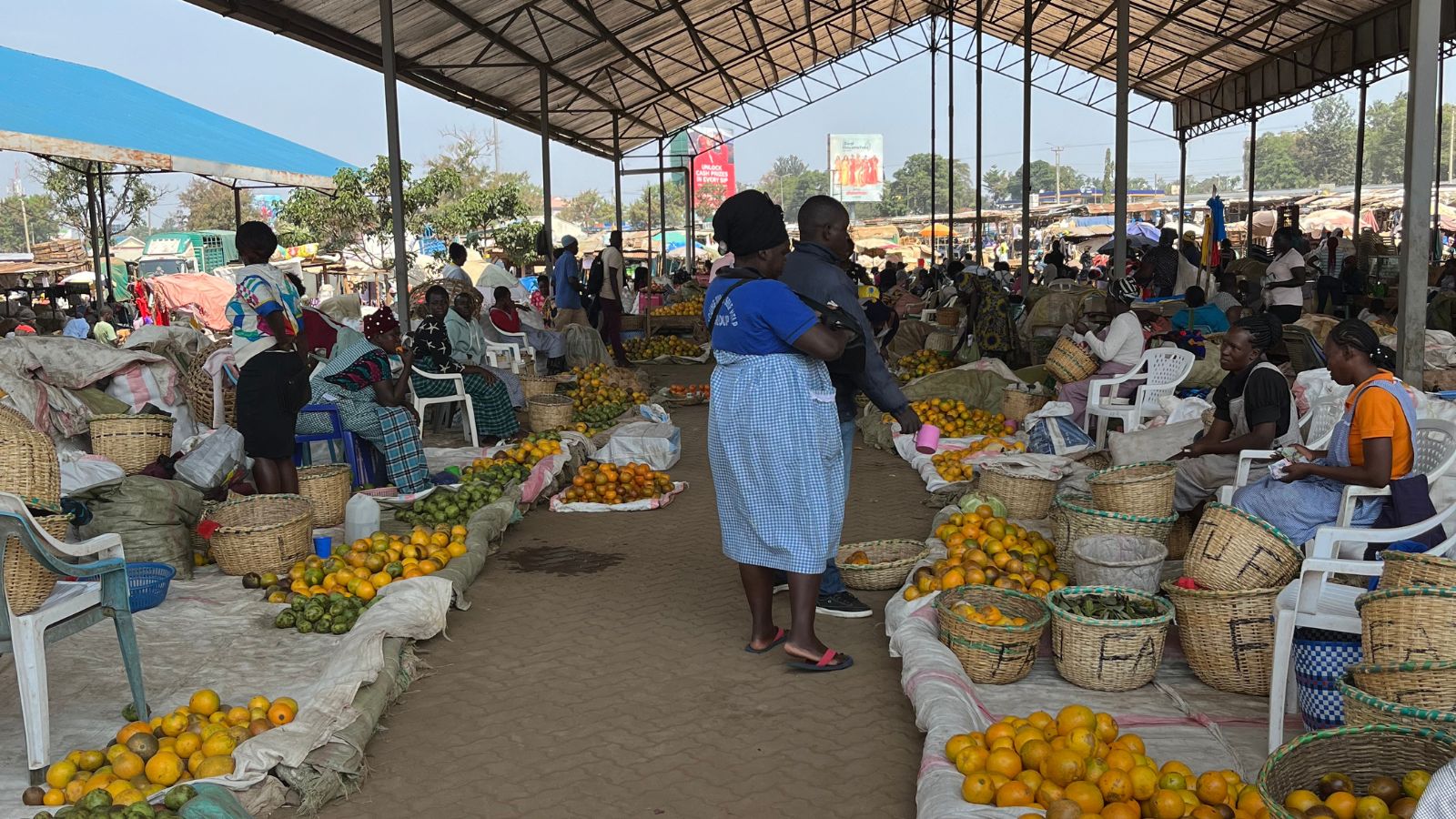
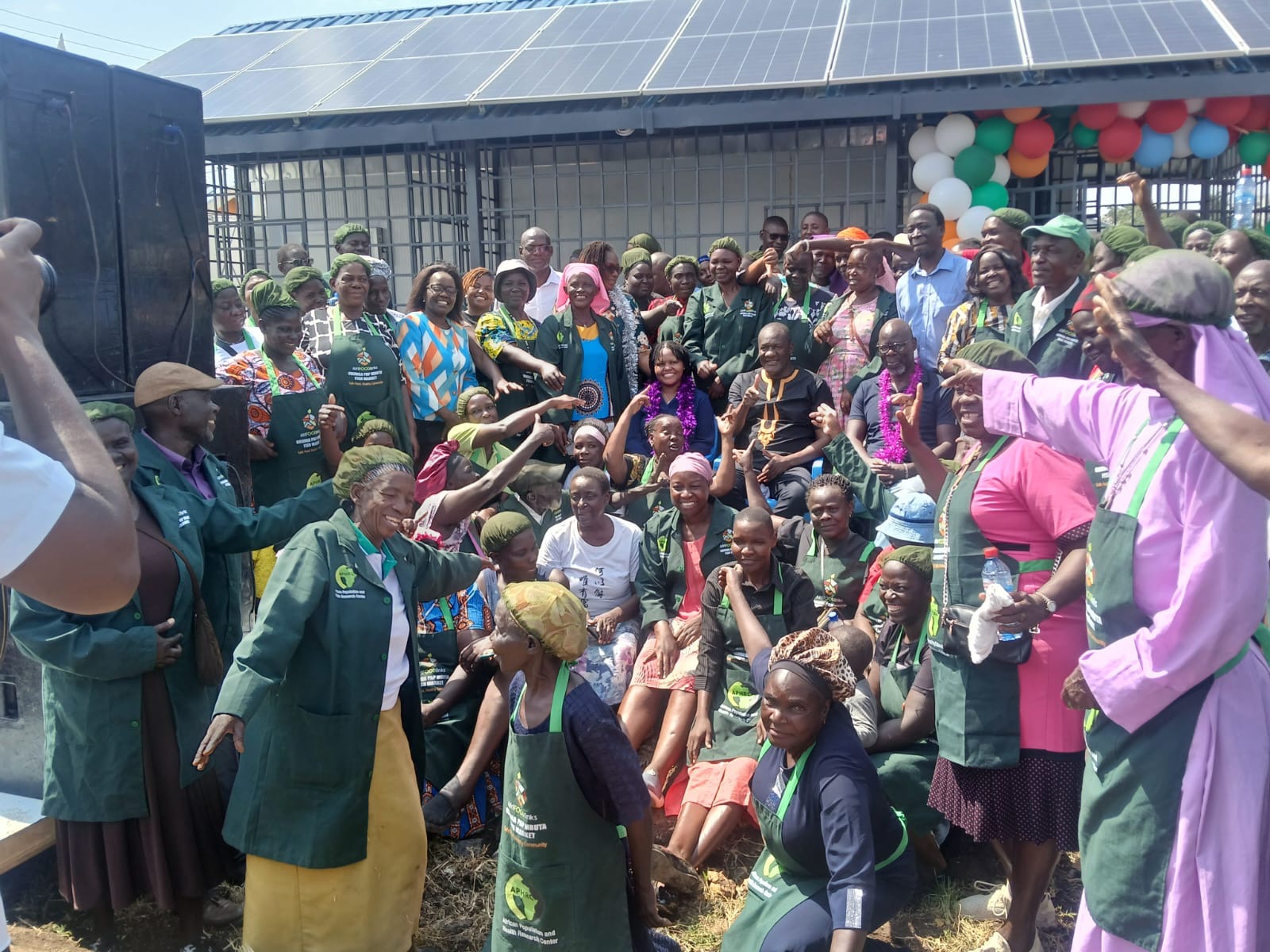
Kisumu is the third largest city in Kenya and its markets are where the urban food system comes together. Through AfriFOODLinks, the County Government has worked with traders on what residents find at their stalls. Traders were trained in food handling, and a cold storage facility at the Obunga Pap fish market now extends the shelf life of perishable catch. Material recovery facilities help separate waste and keep markets clean.
Market governance has also become more participatory, with traders and consumers now taking part in decisions, and the County is finalizing its first market policy. Waste has become an opportunity too, from fish waste recovery to food rescue at the Jubilee and Kibuye markets, which bring nutritious food to vulnerable residents.
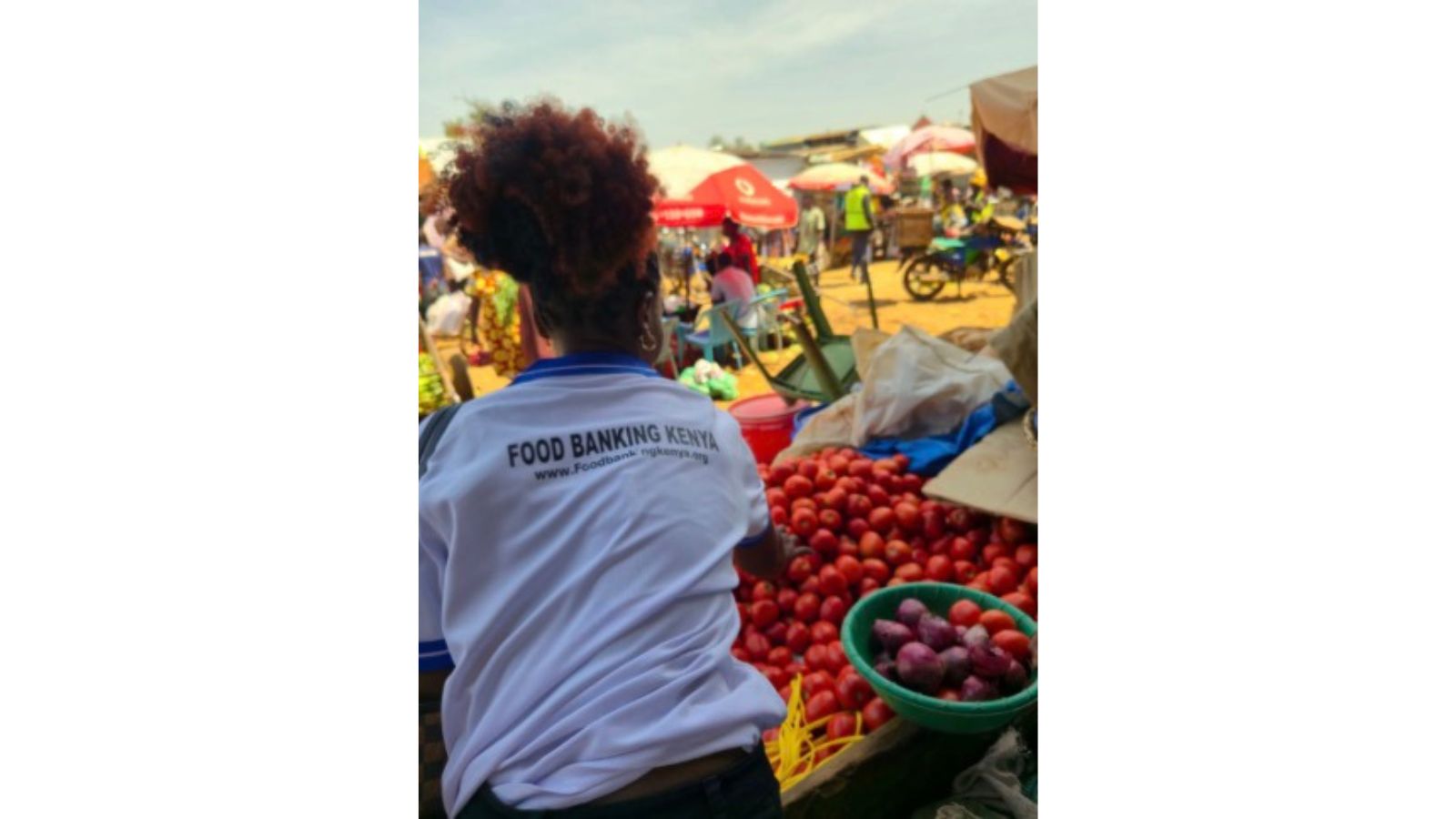
Kisumu County has also set up a Multi-Stakeholder Platform, the Food Liaison Advisory Council of Kisumu, which brings together academics, farmers, officials, transporters and waste groups. It earned a special mention at the Milan Urban Food Policy Pact’s 10th anniversary, and a City Food Desk is now in development to coordinate food issues across city departments.
As summarized by John Sande, Senior Community Development Specialist at Kisumu County Government, “our focus is to move from managing food waste to managing value within the food system, keeping more food in the food system, creating value for market actors, and reducing our environmental footprint within the city.”
Freiburg, Germany: Building food governance and sharing food culture
In Freiburg, healthier food environments start with what children eat at school. The German city of about 230,000 residents, surrounded by small-scale and often organic farms, has set ambitious goals for public catering: Vegetarian meals in kindergartens and primary schools, and at least 30% organic ingredients in all school and kindergarten meals.
Lea Bartels, Project Manager at the Freiburg Food Policy Council, introduced the council’s work in supporting the city’s food ambitions. Founded in 2018 by a group of pioneers from agriculture, hospitality, food processing, science, civil society, and public administration, the Food Policy Council is an NGO rather than part of the city administration. Because food is a cornerstone of Freiburg’s climate protection strategy, the council works closely with the city’s environmental office and implements some of its food and climate projects. In practice, the city sets the direction, for example through its school meal goals, while the council helps turn these priorities into action.
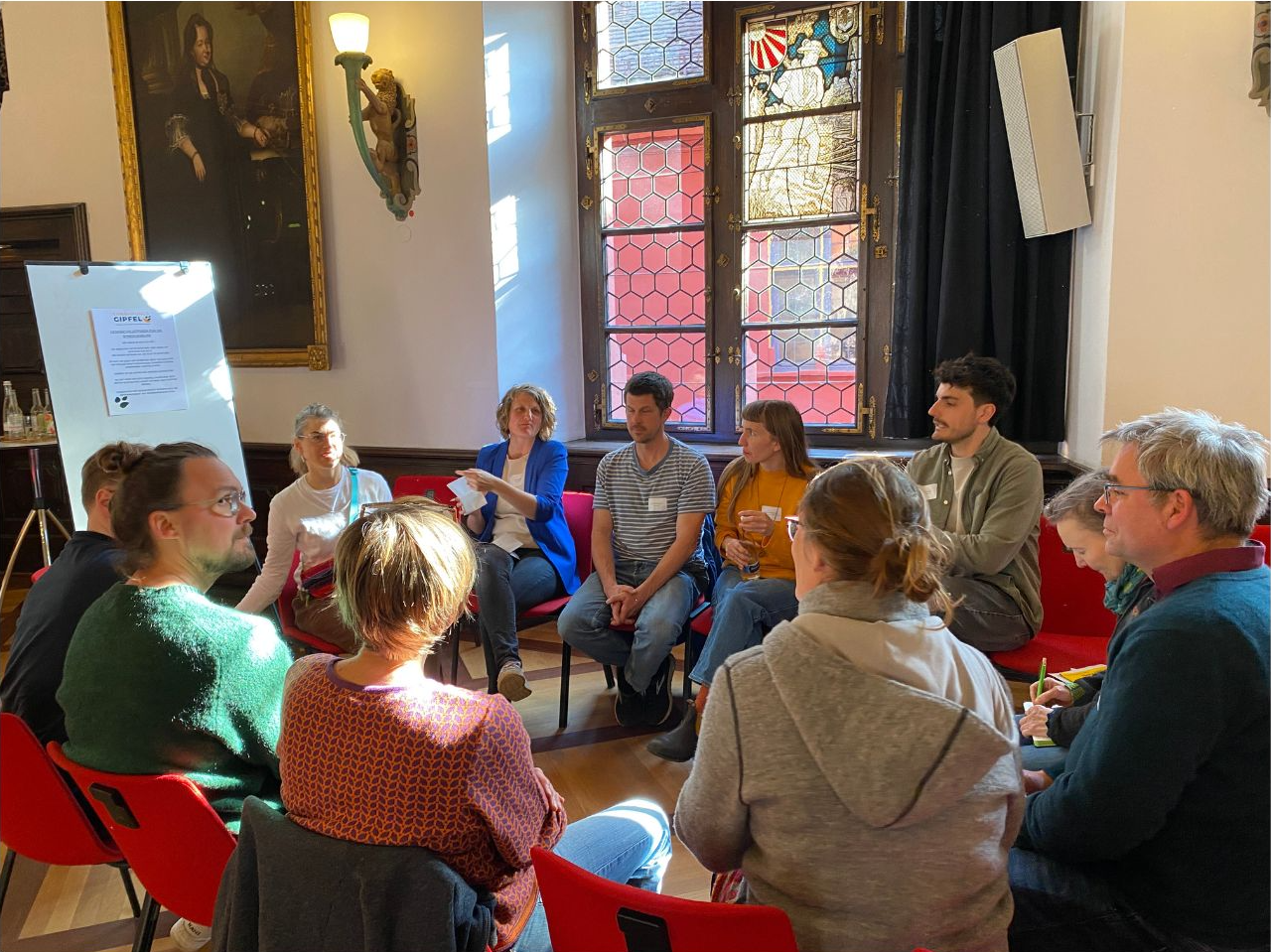
Its Kanntine project brings farmers and public canteens together through networking events to build direct trade relationships, enabling canteens to source food from farms around Freiburg. It also trains kitchen staff in organic, regional, and plant-based cooking and food waste reduction.
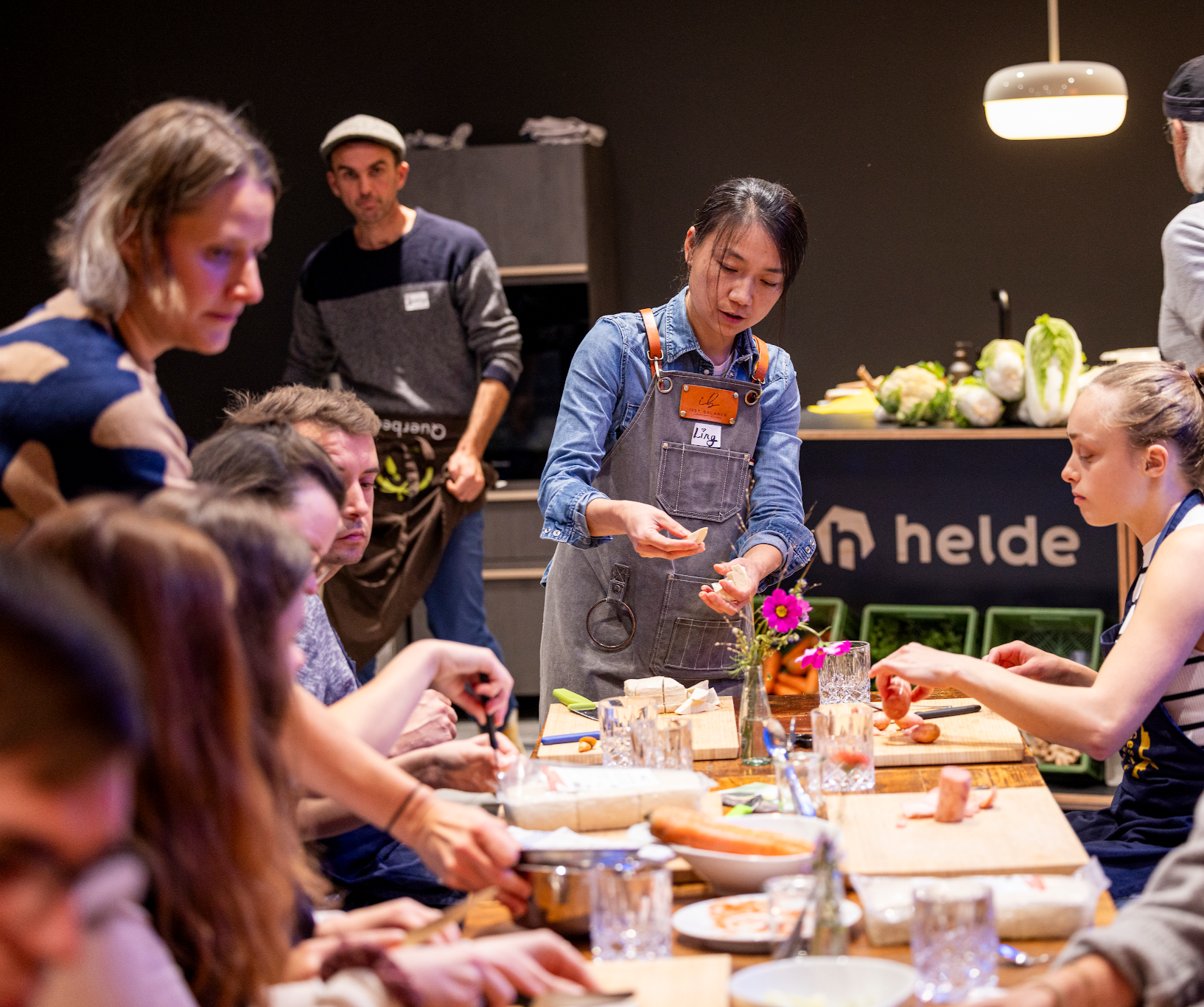
The Food Policy Council also organizes masterclasses, cooking lessons, free communal meals, food forums, and festivals. This year, it held its first Food Summit, bringing together stakeholders from across the local food chain to discuss shared priorities for the coming years.
Currently, these activities take place across different venues in the city. Through FoodCLIC, the council is working to bring them under one roof with the House of Food, a community hub with a co-working kitchen where people can cook, learn, experiment, and connect around food. As Bartels explained, “We are dreaming of one place where all of these things can happen, so that there is more networking and more infrastructure sharing.”
More than a policy matter
Reflecting on their experiences, both speakers emphasized the importance of bringing people together to build healthier food environments.
In Freiburg, the council’s masterclasses and cooking lessons connect residents who might not otherwise meet, including people from different generations. Its events also bring food professionals together, strengthening collaboration across the food network.
Kisumu’s experience highlights a similar approach. By looking at food systems holistically, the city has fostered unexpected connections across sectors, from motorbike taxi drivers delivering food from markets to households to school gardening and education initiatives that promote agricultural entrepreneurship.
As noted by Dr. Teresa Shimiye from GIZ, “Healthy eating is not only determined by individual knowledge or willpower. People make food choices within an environment, and this environment can either support or hinder healthy eating habits.”
Kisumu and Freiburg show how local governments and their partners can shape these environments through investments in the everyday places where people buy, prepare, and share food. When cities see these spaces as opportunities for meaningful change, every market stall, school canteen, and shared kitchen becomes a chance to make healthy food choices easier.
—
The webinar was organized through the project “Strengthening local fresh food markets for healthier food environments within planetary boundaries,” funded by the German Federal Ministry for Economic Cooperation and Development (BMZ) through Deutsche Gesellschaft für Internationale Zusammenarbeit (GIZ)’s Global Programme Food Systems Transformation. To explore lessons further, check out the CityFood Market Handbook for Healthy and Resilient Cities, which offers practical guidance on how to assess, plan and act to make fresh food markets more inclusive and resilient.