

From mobility to belonging: How cities embed migration into governance
*This blog was written by Bruna Backer and Catalina Schlienger, both from ICLEI World Secretariat
Cities have always been shaped by human movement. In 2024, more than 300 million people lived outside their country of birth (counting as international migrants), and the majority settled in urban areas. Migration is not a temporary disruption or an exceptional event; it is a defining and structural feature of urban life. In 2020, it was estimated that almost 20% of international migrants were living in just 20 cities around the globe.
Global dynamics continue to shape mobility patterns across regions and borders. Economic transformation, political instability, environmental change, and shifting opportunities influence why people move and where they settle. At the same time, urbanization continues to accelerate: Over 55% of the world’s population now lives in cities, a figure projected to rise to nearly 70% by 2050. As more people settle in urban areas, mobility and urban governance become increasingly interconnected.
Understanding migration as a constant element of urban development allows cities to move beyond reactive thinking. Instead, mobility can be approached as part of long-term planning for social inclusion, economic vitality, and demographic sustainability.
Turning immigration into inclusive urban governance
As defined by the International Organization for Migration (IOM), while migration provides the broader lens through which human mobility is understood, local governments engage most directly with immigration, the arrival and settlement of people within local communities. Depending on the local context, this may involve international migration, rural–urban mobility, or other internal movements. Municipal institutions shape the everyday conditions under which newcomers access housing, employment, education, healthcare, services, and civic participation.
Immigration does not end at entry. It continues through school enrollment, job searches, language learning, housing access, and pathways to long-term belonging. These experiences vary widely depending on legal status, socioeconomic background, family structure and other intersecting factors, making local context essential.
Immigration contributes significantly to urban development. It helps countries and their cities to address labor shortages by expanding the available workforce across sectors, while supporting responses to demographic transitions such as ageing populations or population decline. A recent study shows that within the European Union, the projected working population is expected to decline by 57.4 million by the year 2100. Labor migration is thus a recognized key strategy to respond to labor shortages as a result of ageing populations and population decline.
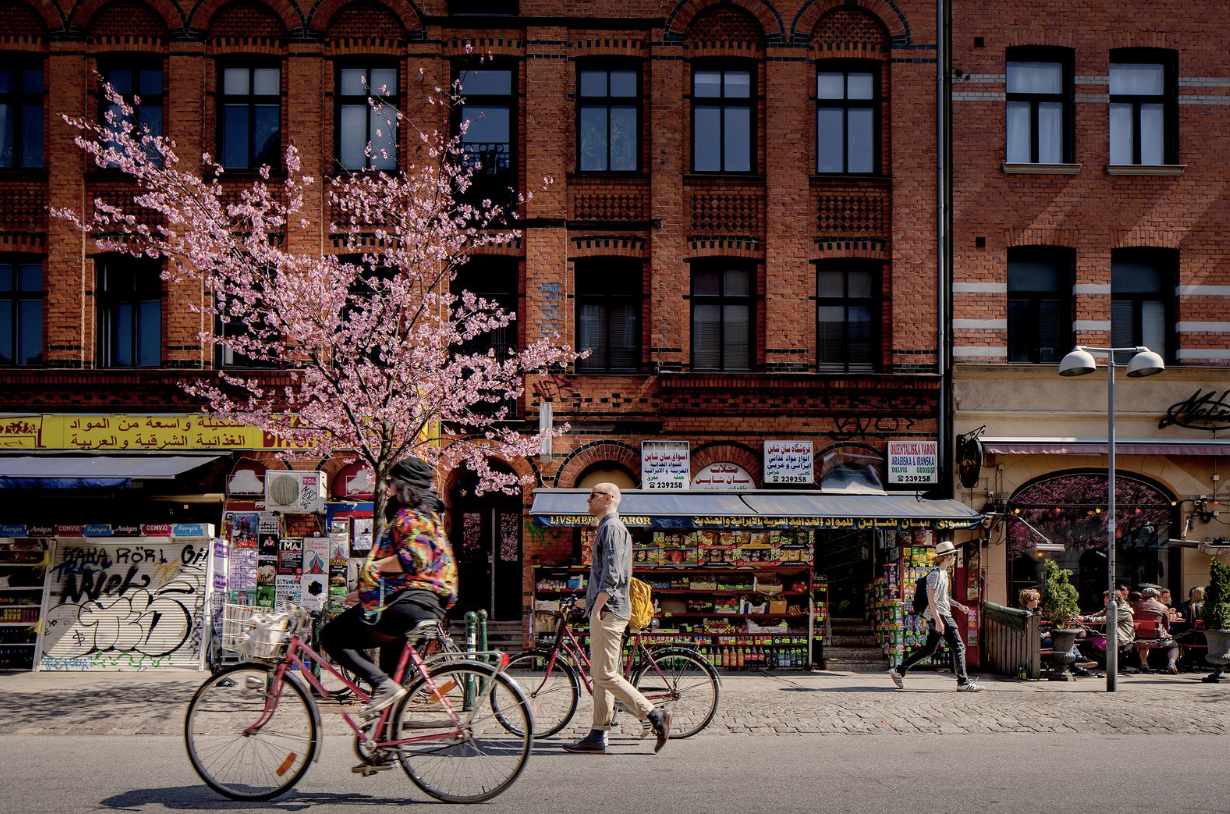
In places experiencing out-migration, newcomers sustain essential services and local economic activity. The skills, experiences, and transnational connections they bring can foster knowledge exchange and innovation across academic, professional, and civic networks (both in the origin and hosting country). Beyond economic contributions, immigration also enriches the social fabric of cities by expanding cultural life and fostering new forms of collaboration and exchange.
Realizing these contributions and turning these dynamics into inclusive outcomes requires governance. While national frameworks define legal status and funding structures, cities operate at the intersection of policy and lived experience. Through coordination across departments, collaboration with civil society, and partnerships with community networks, municipalities shape whether immigration leads to participation and opportunity.
How does this look in practice? Cities in the Malmö Commitment demonstrate how immigration can be embedded into inclusive planning, translating principles into concrete local action.
Makati: Participation and whole-of-society coordination
In a city where daytime population increases up to six times due to daily inflows of workers and visitors, proximity matters. Through the Makati Lingkod Bayan Caravan (Makati City Public Service Caravan), municipal teams establish temporary one-stop service hubs directly within local communities.
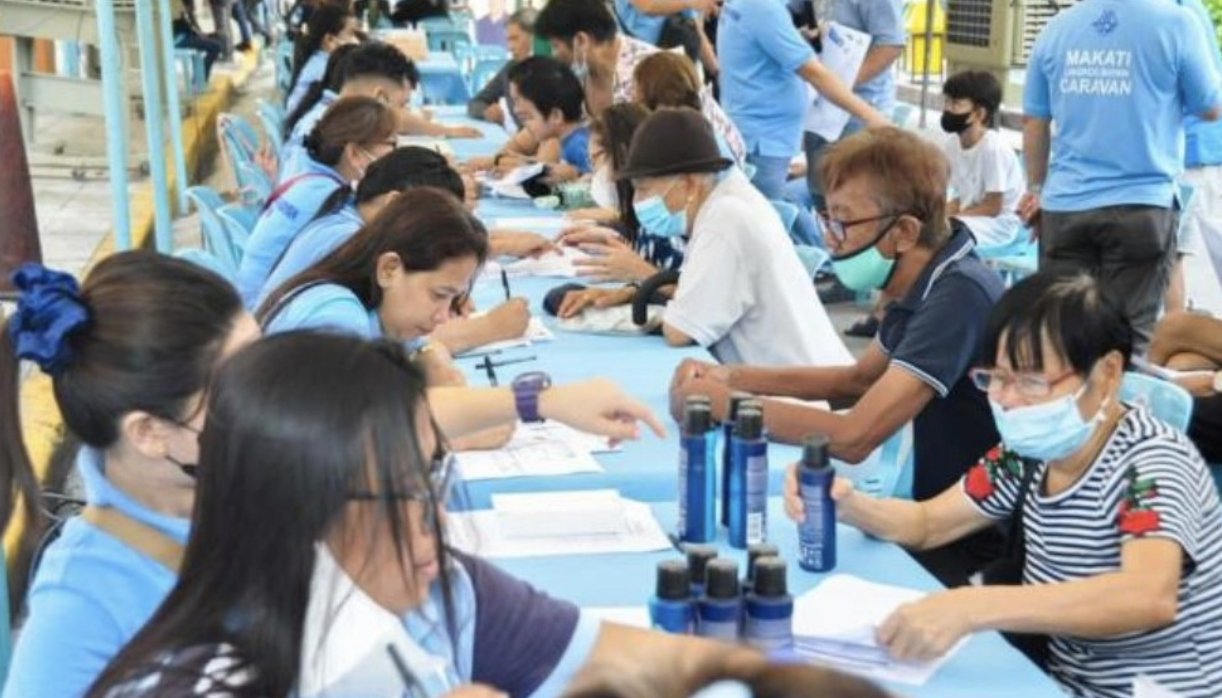
During these neighborhood deployments, residents, including newcomers, can process health benefit cards, access medical consultations, and connect with employment or legal services in a single visit. By reducing travel time, administrative complexity, and information gaps, the initiative lowers practical barriers to accessing public services and creates space for dialogue between communities and city officials.
The Caravan is a reflection of Makati’s broader whole-of-government and whole-of-society approach to governing a highly mobile urban environment. The city coordinates across municipal departments, national agencies, civil society organizations, private actors, and community networks to strengthen access to healthcare, legal assistance, housing support, and livelihood development.
Participation remains central to this model. Consultations, sectoral councils and neighborhood-level dialogues such as Ugnayan sa Barangay (public dialogue sessions between city officials and local communities, as a part of the Longkod Bayan Caravan) ensure that service delivery is informed by lived experiences and responsive to diverse needs.
Pittsburgh: Institutionalizing welcoming strategies
Migration has played an important role in shaping Pittsburgh’s demographic trajectory. Following decades of population decline, growth in the foreign-born population has contributed to stabilizing neighborhoods, supporting local institutions, and sustaining workforce capacity. Universities and established migrant communities continue to attract international residents and reinforce long-term settlement.
Pittsburgh approaches immigration through institutionalization and strategic coordination. The Office of Immigrant and Refugee Affairs, initially established as a mayoral initiative and later embedded in city code, provides continuity across political cycles and anchors migration-related work within municipal governance structures. This formalization ensures that inclusion efforts remain part of long-term city planning rather than temporary programmes.
Strategic direction is guided by the Certified Welcoming Framework, which supports cross-departmental alignment and structured goal setting. The framework enables the city to assess progress through outcome-oriented indicators while strengthening collaboration between municipal services and community organisations. Engagement networks connect city institutions with immigrant communities and support organizations, turning community input into concrete planning and policy decisions.
Recognizing the limitations of traditional data collection in the current policy environment, Pittsburgh places emphasis on feedback mechanisms and lived-experience insights to understand local outcomes. Instead of relying primarily on incomplete datasets, the city builds relationships and adjusts its initiatives based on what people share about their real-life experiences.
Porto Alegre: Cross-sector collaboration for inclusive services
In Brazil, Porto Alegre’s engagement with immigration is embedded in cross-sector coordination that recognizes how different forms of disadvantage can overlap. Municipal actors identified that women experiencing domestic and gender-based violence who do not speak Portuguese face additional barriers related to language, migration background, and access to services.
The Rede Conta Comigo (Count on Me Network) illustrates how the city responds through collaboration across multiple municipal service areas, including public security, health, social assistance, education, and other protection services. Structured around integrated service flows and shared protocols, the network connects the bodies responsible for reception, guidance, referral, and protection of women experiencing violence, ensuring a coordinated and rights-based approach.
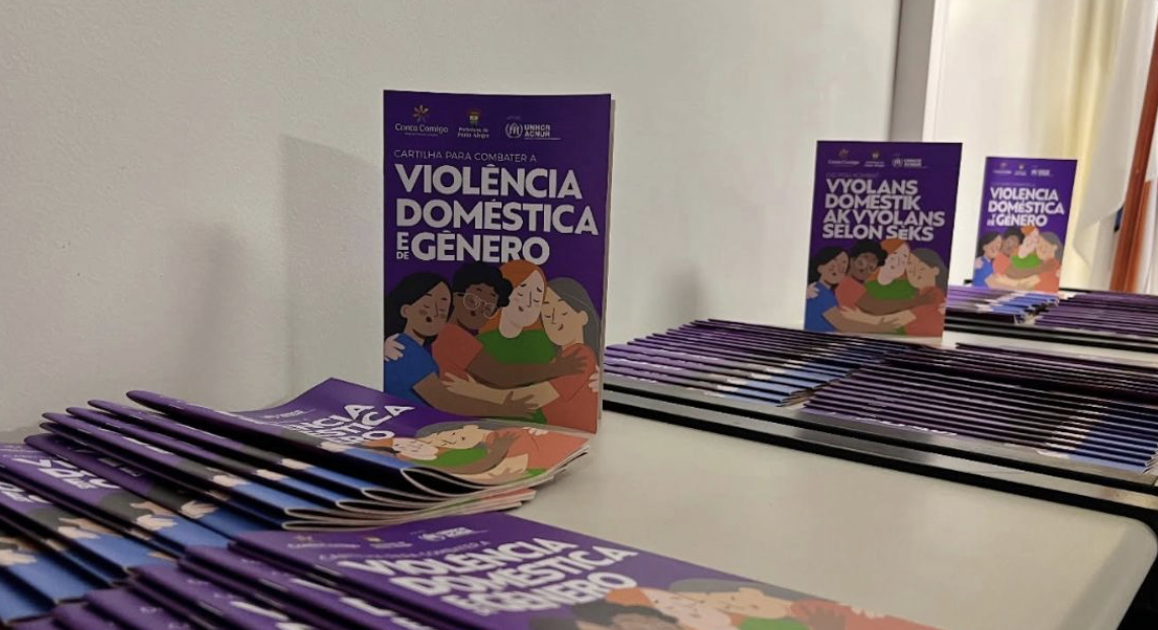
Within this framework, existing informational materials on rights and protection pathways were translated into additional languages to improve accessibility for immigrant and refugee women. This targeted action acknowledges that gender, language, and migration experiences can shape how people access and use support services.
By aligning procedures, training staff, and coordinating across departments and partners, the initiative integrates immigration considerations into broader social protection systems. Porto Alegre demonstrates how inclusive access can be strengthened through coordinated governance and attention to different needs within diverse urban populations.
Malmö: Integrating immigration across urban systems
In Malmö, immigration governance is embedded within institutional structures that connect service provision, spatial planning, and social sustainability strategies. The city integrates access to services, housing, and participation within broader urban development frameworks.
A central mechanism supporting this approach is the Malmö Integration Center, which provides information and guidance on how public services and everyday systems work in Swedish society. Residents receive guidance on education, childcare, and administrative processes through multilingual support and interpreter access. Flexible language education formats and introductory schooling pathways expand accessibility across different life situations and family structures.
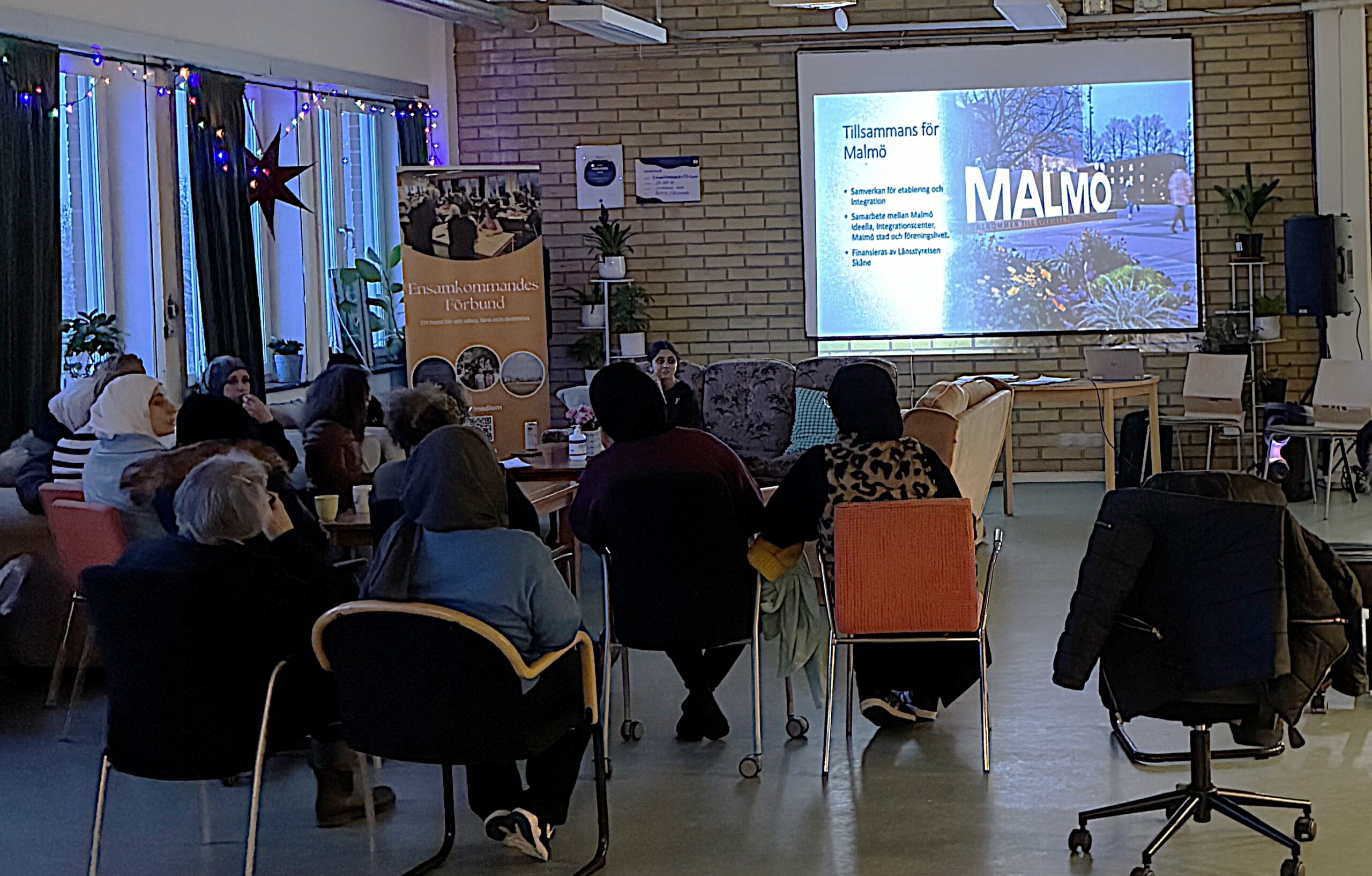
The city’s engagement extends beyond administrative access. Municipal outreach initiatives proactively connect families with childcare and education services, while collaboration with civil society organizations, national agencies, and labor market actors strengthens pathways into employment and community participation, distributing responsibility across governance levels and sectors.
Spatial policy also plays a strategic role. Efforts to diversify housing have increased rental options across neighborhoods, helping to reduce overcrowding in certain areas and giving more people access to jobs, schools, and other city opportunities. This reflects recognition that settlement outcomes are shaped by urban form as much as by program delivery.
Mobility and the evolving city
Mobility will remain a defining feature of urban life. As people continue to move across regions and borders, cities will remain the spaces where settlement unfolds, participation takes shape, and shared futures are co-created.
Across different contexts, local practice shows that cities are more effective in addressing mobility when it is integrated into broader governance and planning systems. Coordination across sectors, accessible services, participatory pathways, and collaboration with community actors strengthen municipalities’ capacity and reflect cities’ commitment to inclusive urban development.


