Being investment ready for climate resilience
This blog was written by Matteo Bizzotto and Katherine Peinhardt from ICLEI, with contributions from the Z Zurich Foundation, Zurich Insurance Group Türkiye, İzmir Metropolitan Municipality and the European Bank for Reconstruction and Development (EBRD).
Local governments are facing growing challenges to achieve their adaptation goals, while the low perceived or actual returns on investment continues to stifle investors’ appetite for adaptation and resilience financing. Without strategic planning, pipeline screening, project preparation and social capital partnership, municipalities cannot bridge capital investment gaps, or develop a broader investment base and more sustainable funding models.
To address this, climate resilience assessment tools can help cities understand their risks, measure exposure, and know what hazards they are facing at the local level. While these tools have made significant improvements in recent years, advancing the scale of transformative adaptation that is needed requires more innovative financing instruments. In fact, resilience-building efforts are all too often stuck in the “project pipeline,” needing a final push to be considered as a viable investment opportunity.
Climate Resilience Measurement for Communities
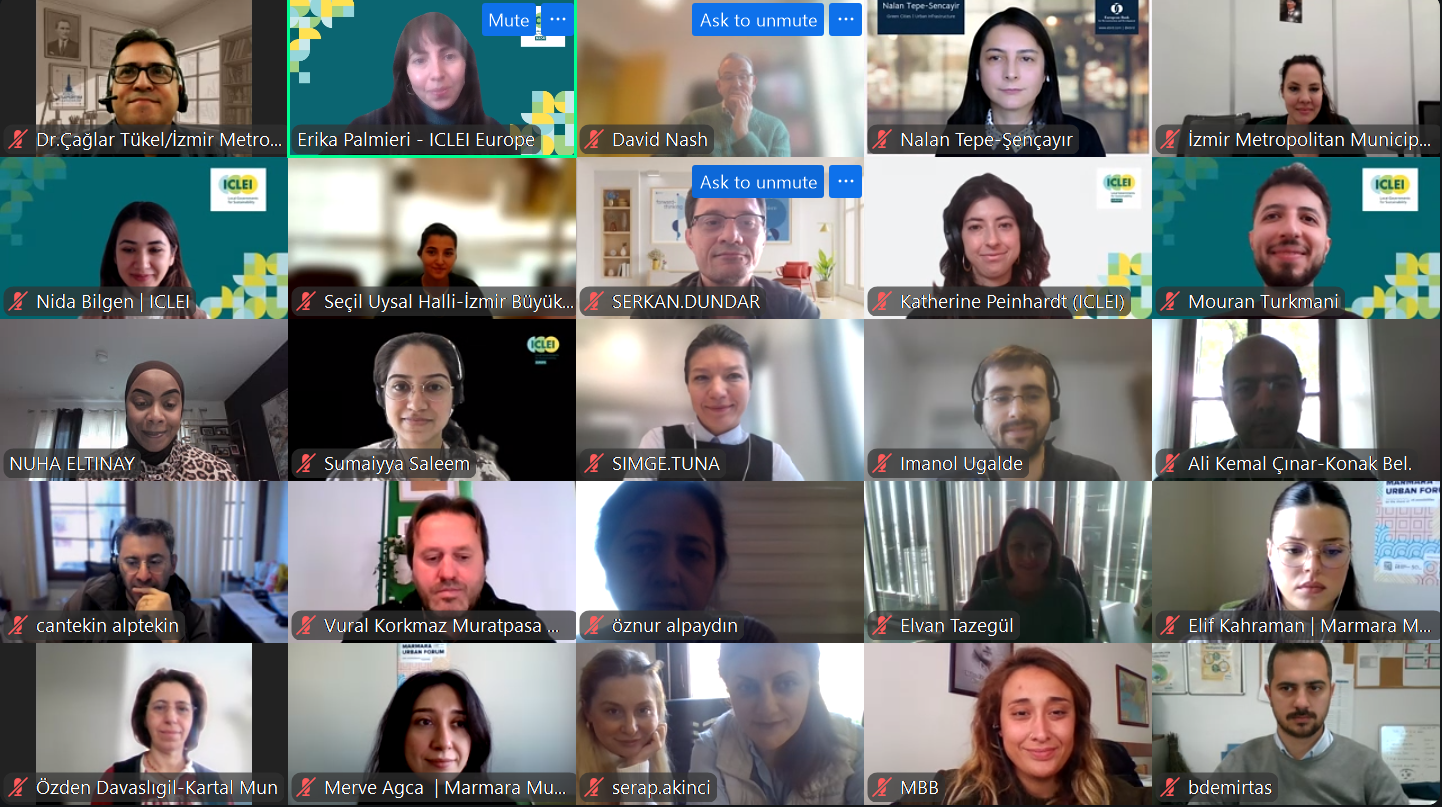
Getting resilience from ideas to investment was the topic of an online workshop convened on 3 December 2025 under the Climate Resilience for Communities Project (CRC) in Izmir. The workshop gathered 18 Turkish municipalities and partners from Z Zurich Foundation, Zurich Insurance Group Türkiye, İzmir Metropolitan Municipality, and ICLEI, alongside a guest speaker from the European Bank for Reconstruction and Development (EBRD) to explore community-based climate resilience efforts. Together, they took a closer look into building a narrative that can bridge the climate resilience investment gap at all levels of city governance.
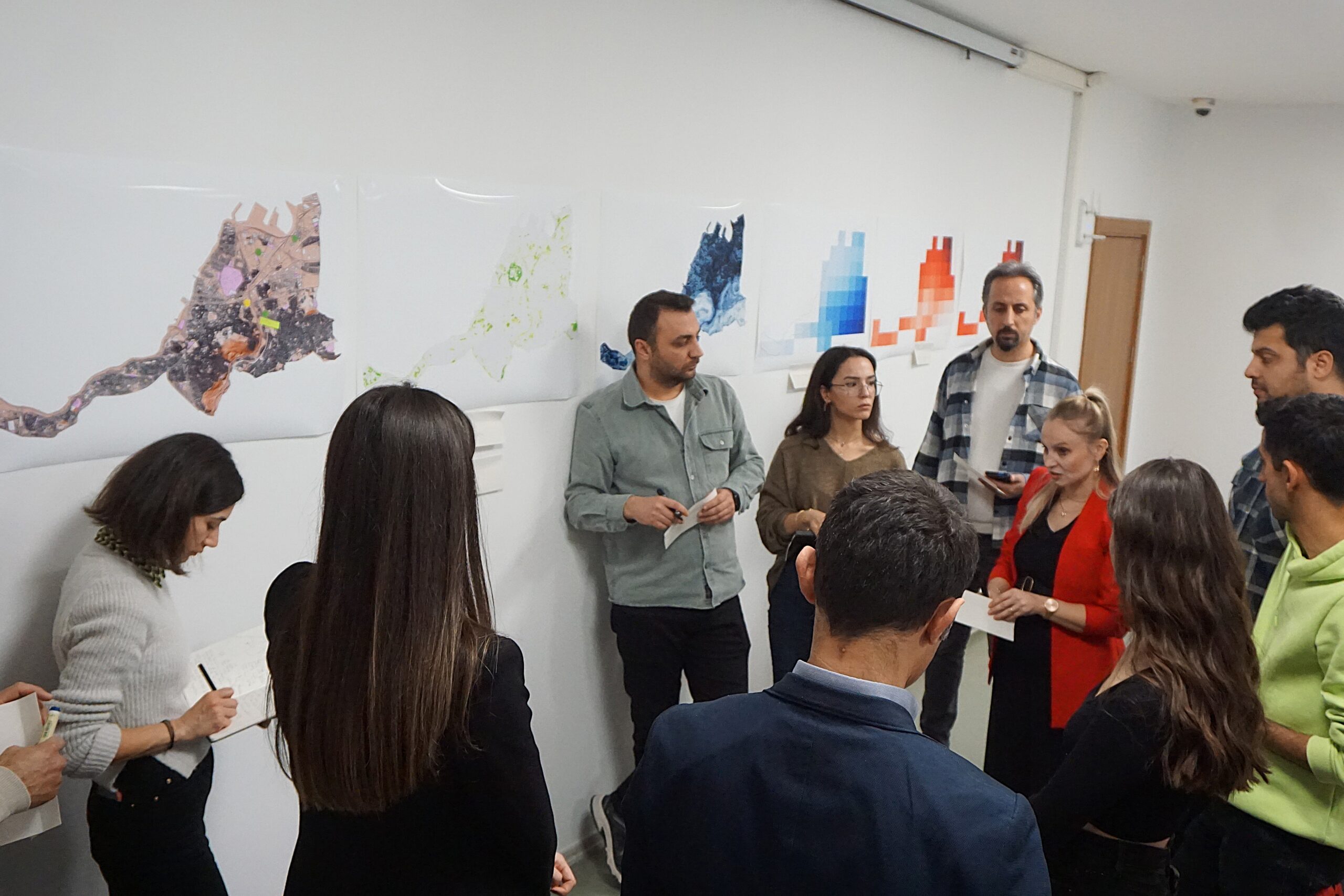
One of the main highlights presented was the Climate Resilience Measurement for Communities (CRMC) framework, developed by the Zurich Climate Resilience Alliance. Accompanied by the Climate Resilience Assessment Tool, this framework can help inform community action plans on which climate adaptation measures get prioritized for investments. It does so by highlighting the strengths and weaknesses in community resilience systems. Its results can be visualized, arranged, and displayed flexibly to be communicated for local actors. The tool does not identify and select solutions; rather, its visual results provide data for discussions and prioritization exercises to co-design community led adaptation solutions. The tool provides foundational context, guiding the pathway for citizens engagement, toward potential resilience-building activities worth investing time and resources in.
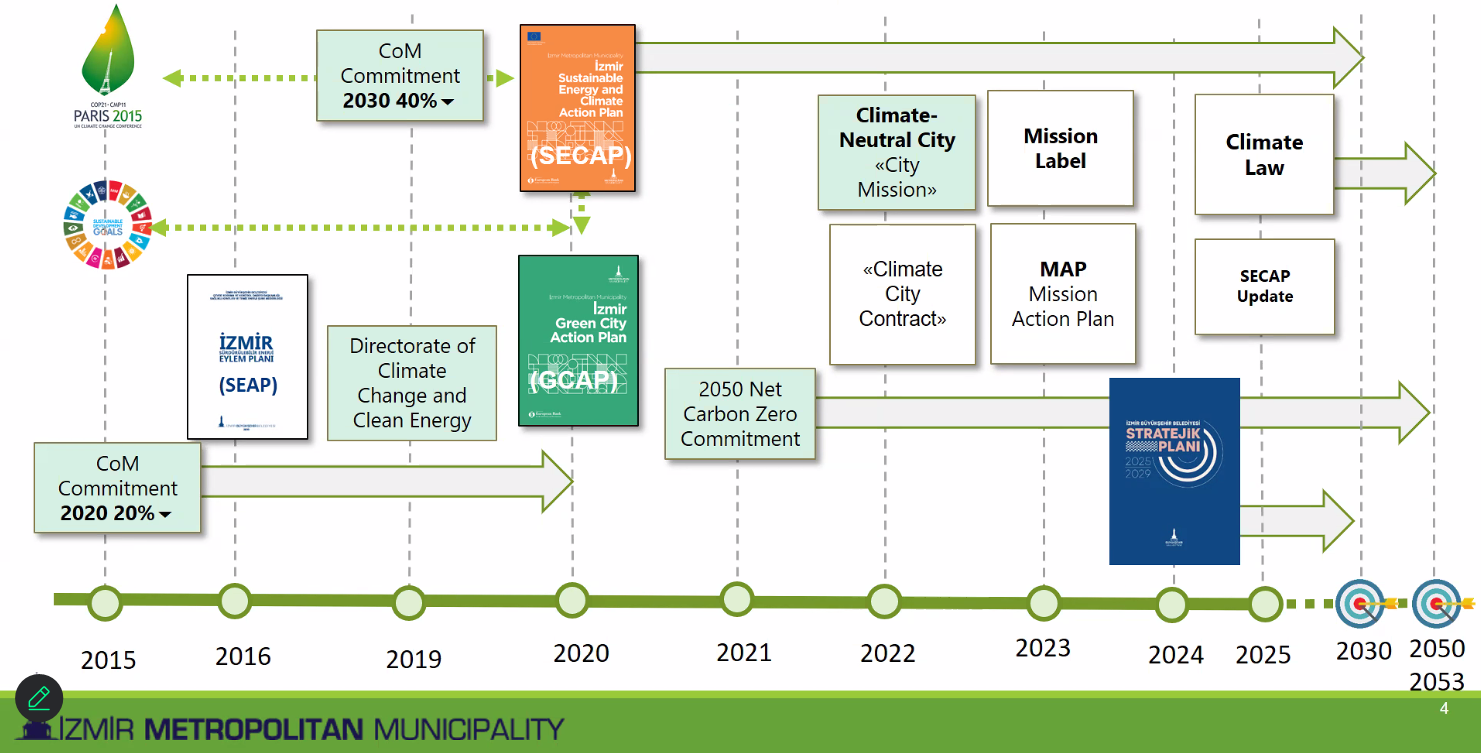
Because of these benefits and flexibility, the CRMC framework underpins the work of the Climate Resilience for Communities Project in İzmir. The project has conducted robust data collection processes, together with key partners like Z Zurich Foundation, Zurich Insurance Group Türkiye and local NGOs, building on the Municipality’s Sustainable Energy and Climate Action Plan (SECAP) and Green City Action Plan (GCAP).
Dr. Çağlar Tükel, Climate Change & Clean Energy Specialist, Directorate of Climate Change & Clean Energy, İzmir Metropolitan Municipality noted the need for this community-level work to strengthen these plans: “we require a location-based approach to prioritize our efforts and ensure maximum impact… Diversity is how we approach climate resilience, because different districts face different risks.” Izmir has used the CRMC tool to gain crucial community-based context as to the most urgent priorities for climate adaptation.
So, how did this look in action? Through the project, the İzmir Metropolitan Municipality has conducted inclusive engagement of key stakeholders at the institutional and community levels. İzmir’s resilience-building process has been strengthened by the use of the CRMC tool to assess hazards, then moving into the validation of results with members of the community. Following a comprehensive data collection results of 210 Household Surveys, nine Key Informant Interviews, two Focus Group Discussions and collection of secondary data, the results were analyzed, validated and graded (see full report here).
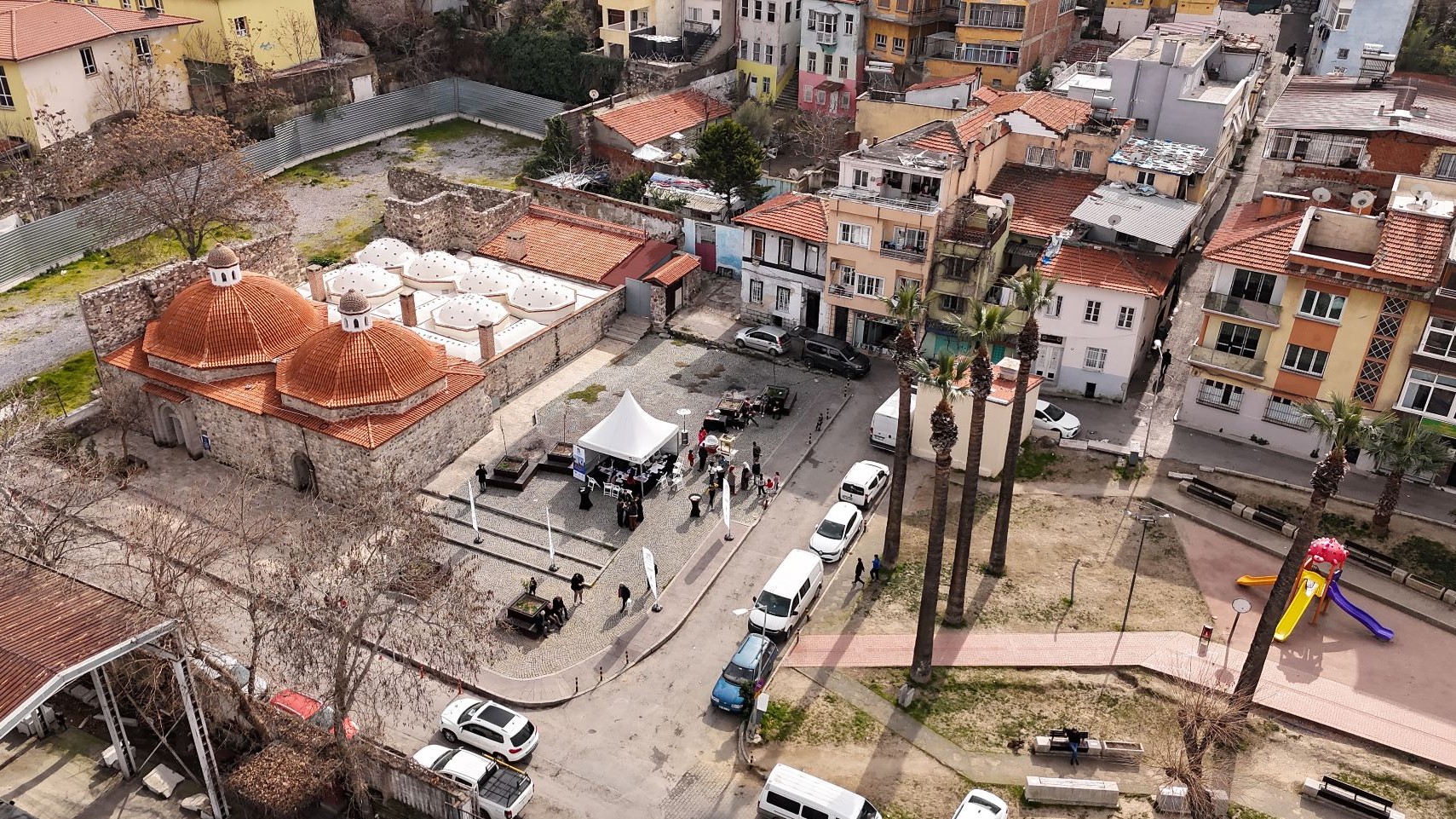
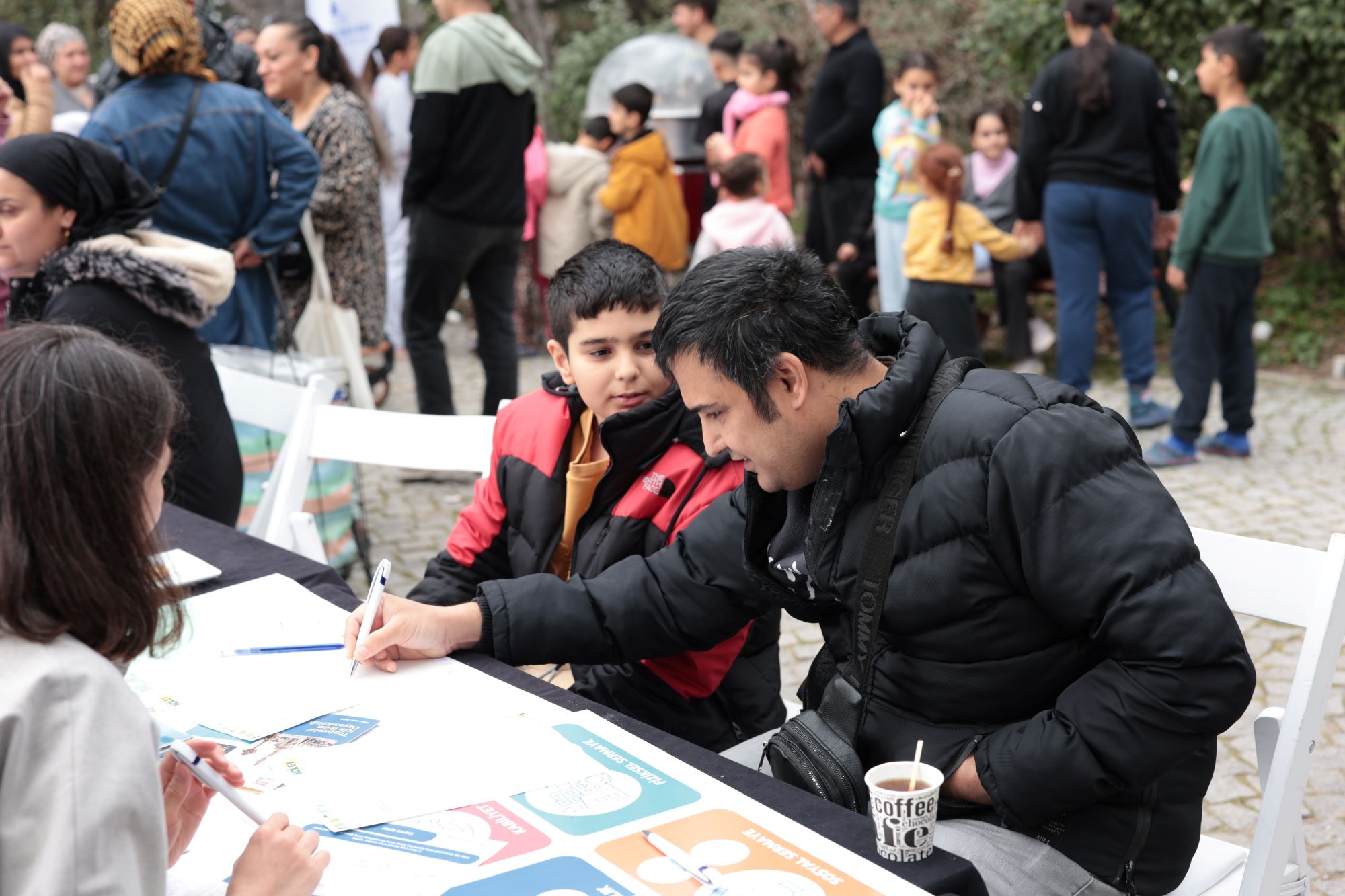
From there, Dr. Çağlar and the project’s partners moved into a phase of “idea generation”, using pop-up stands and visiting local schools. After collecting more than 100 ideas directly from community members, a co-design workshop was held to prioritize ideas based on urgency and impact.” The resulting Community Action Plan is an actionable roadmap that has been tailored to residents’ lived experiences on the ground. “We have taken steps to make sure our plan reflects the real priorities of the neighborhoods,” Dr. Çağlar said.
The view from the private sector
David Nash, Head of Adapting to Climate Change at Z Zurich Foundation – a key founder of the Climate Resilience for Communities Project – brought insights from the private sector. He underlined that meaningful adaptation must be grounded in the understanding that communities are the center of resilience-building efforts: “We believe that resilience is a community-based matter. But understanding what common lessons you can learn can help on a broader scale.”
In the workshop, David Nash, noted forward movement in the private sector towards resilience investments: “We are trying to change the approach of the private sector in resilience.” Central to this outlook are matters of impact measurement, the sources of community-level resilience, and keeping track of how resilience-building efforts evolve over time – elements considered as part of the CRMC framework.
Strengthening cities through green city action planning
In cities like İzmir, this work is also being built on the foundation of existing approaches like the Green City Action Plan (GCAP). Nalan Tepe-Sencayir Türkiye Green City Action Plan Coordinator with the EBRD joined the workshop toto explain how GCAPs provide a strategic basis for scaling resilient and green investments. She noted: “EBRD Green Cities is an approach for planning and financing green investments. Through this we deliver climate resilience and environmental benefits through sustainable infrastructure actions.” The GCAP process begins when the city commits to a resilience‑focused infrastructure project, known as a “trigger project.” It then introduces a comprehensive methodology for prioritizing actions and investment needs. According to Tepe-Sencayir, “GCAPs measure how the city is doing, what should be done and what are the targeted investments.”
Building on EBRD’s contribution, the workshop highlighted how community-level resilience work can strengthen citywide investment pipelines when it is clearly linked to strategic frameworks such as EBRD’s GCAPs. While GCAPs outline priority environmental challenges and guide cities toward bankable, climate resilient projects, community driven efforts and strong stakeholder engagement add local depth and on the ground insights. This helps cities identify where investments can deliver the greatest resilience and social benefits.
Aligning Community Action Plans – such as the one to be developed through the CRC project – with GCAP priorities enables municipalities to demonstrate more clearly how community-driven interventions contribute to broader urban resilience goals. This is particularly important for adaptation measures and nature-based solutions whose benefits are not always immediately financial.
What municipalities learned about becoming investment ready
Discussions among participating municipalities showed that becoming investment ready is not only about identifying good projects, but also about framing them in ways that respond to investor expectations. Cities reflected on the need to clarify different types of return on investment, including social and environmental returns, as well as governance arrangements and scalability.
Participants also noted that limited institutional capacity and fragmented responsibilities can hinder investment readiness. At the same time, the workshop revealed strong interest among Turkish municipalities in learning from Izmir’s experience and adapting similar approaches to their own contexts.
Scaling up community-based climate resilience
The workshop made clear that scaling up community-based climate resilience will require stronger links between local action, city-wide strategies, and public and private finance. While tools can help make resilience benefits more visible, long-term impact depends on sustained partnerships, appropriate financing mechanisms, and local capacity building. Municipalities are ready to act; but they need the right connections and plans to bring their adaptation activities to life.
For ICLEI and its partners, the CRC project demonstrates how cities can move from risk assessment to investment-ready action. As more Turkish municipalities explore similar pathways, the focus is shifting from pilot initiatives toward replicable models that can support resilient and inclusive climate action at scale.