The participatory pathway to culture-led climate action
This blog was written by Giulia Sabattoli from ICLEI European Secretariat
Culture can connect climate science with people’s everyday experiences, making environmental risks easier to understand and opening new ways of imagining the future. Through artistic practices, cultural heritage and Indigenous and local knowledge, communities can develop their own responses to climate change.
But how can cultural participation help turn climate awareness into collective action?
Culture as a catalyst for climate action
At COP31 in Antalya, the launch of the first Culture Global Stocktake for Climate Action highlighted the role of cultural heritage, local knowledge and community practices in mitigation and adaptation. As part of the European Heritage Hub, ICLEI Europe supported the launch of the Culture at COP31 Platform to coordinate culture-related activities and strengthen culture’s place in global climate action.
These developments reflect growing political recognition of culture, from the establishment of the Group of Friends of Culture-Based Climate Action at COP28 to culture’s inclusion in the COP30 Action Agenda and its recognition as a priority at UNESCO’s MONDIACULT 2025 conference. Cultural heritage has also gained recognition through indicators under the Global Goal on Adaptation.
This recognition is increasingly taking practical form. For instance, the Heritage Adapts! campaign, supported by ICLEI Europe, aims to help at least 3,000 cultural heritage sites and practices implement locally led climate adaptation by 2030. Meanwhile, the Race to Resilience Culture (R2RC) initiative, led by ICLEI Africa and ICLEI USA with support from the Mellon Foundation, promotes cross-continental learning and community-led climate responses through cultural heritage, Indigenous knowledge and creative collaboration.
Yet the potential of participatory cultural processes remains underused in urban regeneration and climate strategies. The challenge is to translate international recognition into policies that enable communities to actively shape climate action.
What makes participation meaningful?
Overcoming the awareness-action gap and amplifying underrepresented voices: Arts, storytelling and music can make climate issues more accessible and emotionally engaging. They can also amplify underrepresented voices and create spaces for sharing experiences, fostering collective responsibility and action.
Valuing Indigenous and local knowledge: Place-based knowledge offers valuable approaches to climate adaptation, biodiversity conservation and ecological stewardship. Incorporating these perspectives fosters intergenerational learning and broadens the range of available climate solutions.
Moving beyond a one-size-fits-all approach: Cultural participation can address different needs depending on the community, from overcoming isolation and rebuilding trust to preserving ecological knowledge, strengthening networks or mobilizing collective responses to climate risks.
Building synergies and strengthening existing networks: Municipalities can work with cultural organizations to reach wider audiences and build on existing relationships of trust. Cultural organizations, in turn, can strengthen their networks and develop a more coordinated voice in climate action.
Embedding climate action in everyday practices: Community gardens, repair cafés, shared workshops, local food traditions and sustainable festivals can make low-carbon living practical and socially accepted, turning climate awareness into lasting behavioral change.
Cultural participation in practice
In São Paulo, a community garden becomes a way to reclaim urban space
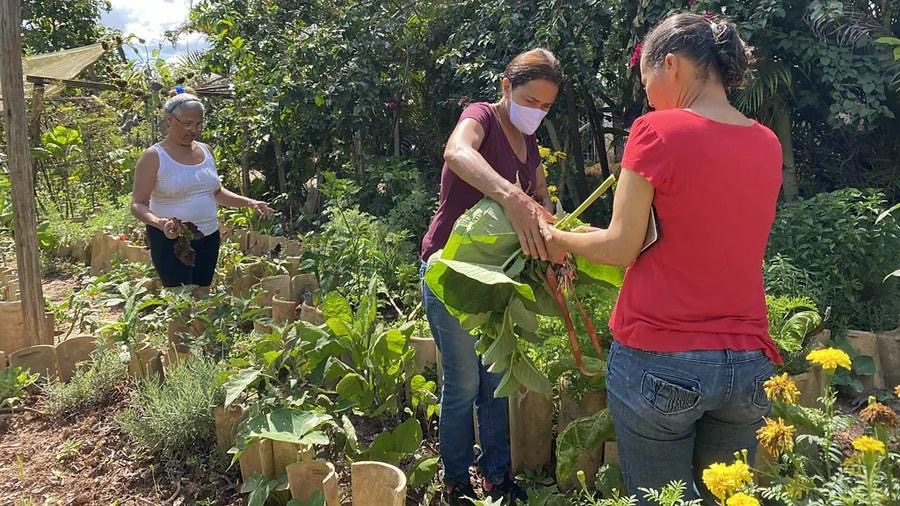
In Vila Nova Esperança, São Paulo, Brazil, residents developed an alternative to the municipality’s initial vision of extending a nearby park, which would have involved the removal of hundreds of families.
By transforming a former dumping ground into a community garden, residents created a space that generated both environmental and social value. Traditional knowledge enriched the initiative: The cultivation of non-conventional edible plants made the most of the favela’s limited space, combining urban greening with food production and improving access to nutritious ingredients.
Beyond its environmental benefits, the garden illustrates how bottom-up initiatives can challenge top-down visions of urban development. By recognizing the value of residents’ knowledge and involving them in shaping their surroundings, such initiatives also strengthen people’s sense of belonging, ownership and capacity to act collectively.
In India, art makes overlooked climate risks visible
Extreme heat is often discussed through outdoor temperatures, public infrastructure and emergency responses. Yet much of its impact unfolds inside homes, where exposure is shaped by housing conditions, domestic responsibilities and inequalities.
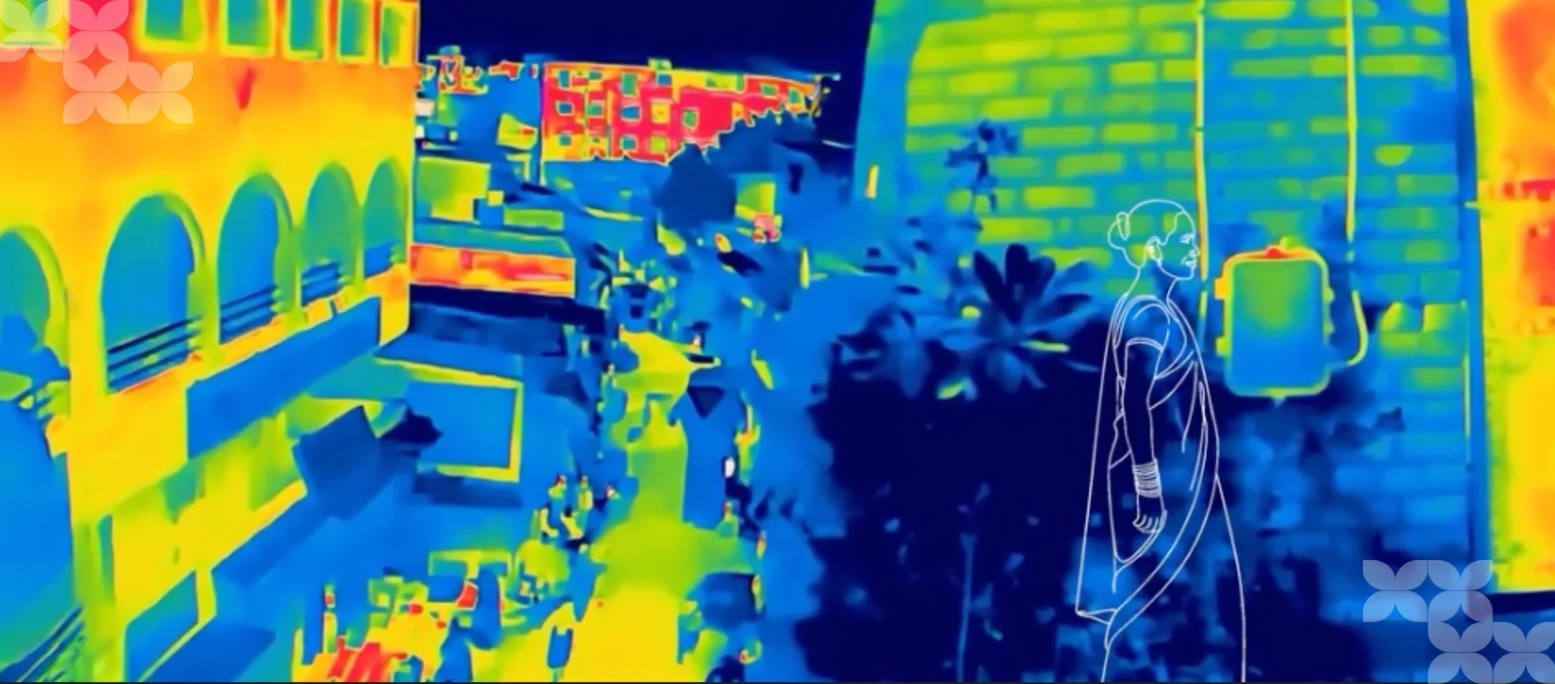
Making the Invisible Visible: Indoor Heat, Unpaid Domestic Work, and Women’s Resilience, an audiovisual exhibition developed by Sonali Verma of Sustainable Futures Collaborative and artist Pritish Bali, brings these experiences into focus.
Combining thermal footage from homes in New Delhi, Mumbai and Hyderabad with women’s testimonies, the exhibition reveals how heat-exposed, low-income communities cope with rising temperatures while managing domestic work and caring for their families.
Through artistic expression, experiences often overlooked in conventional climate planning become visible and tangible, opening new spaces for public engagement.
In Bologna, cultural participation becomes part of urban regeneration
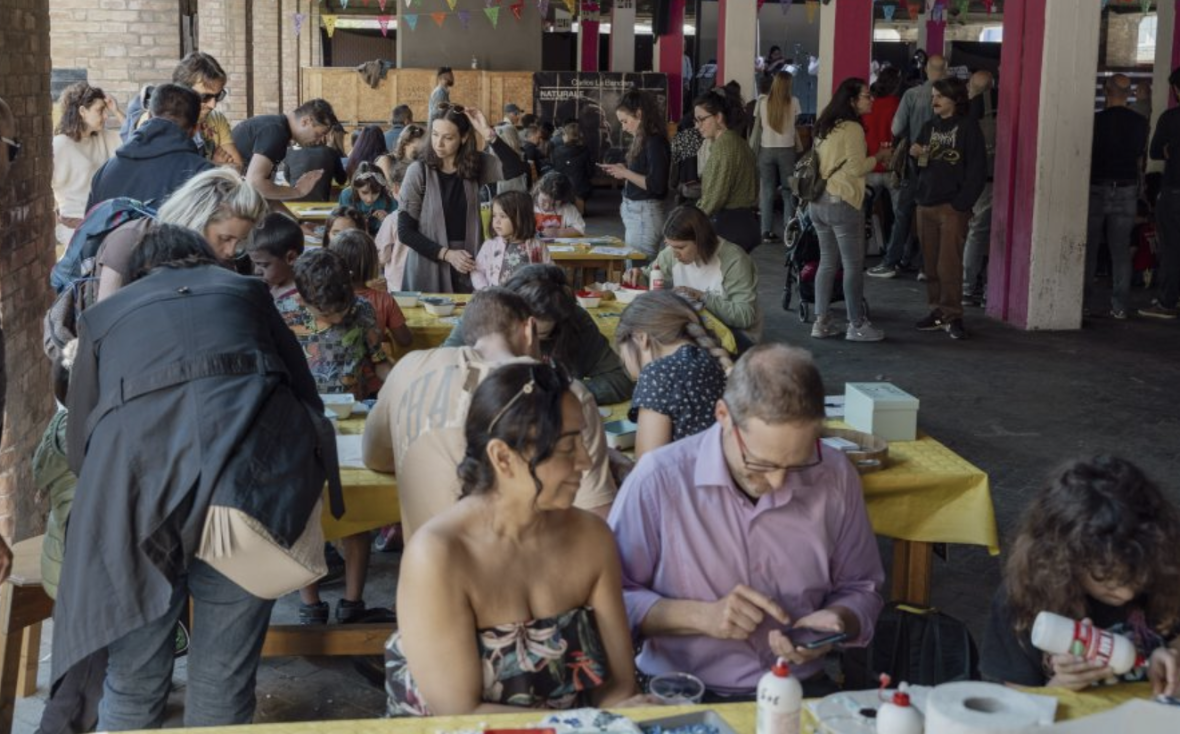
In Bologna, Italy, the former Scalo Ravone railway yard is being transformed into a public district combining green spaces, culture and community activities. Following its acquisition by the municipality in 2024, a participatory process engaged residents and local stakeholders in shaping its future.
Cultural and civic organizations have already brought the area back to life. DumBO (Distretto Urbano Multifunzionale di Bologna) has transformed part of the yard into a space for cultural events and creative initiatives, while Bologna Attiva promotes social innovation and collaboration between local communities and organizations. The new public district is expected to open in 2027.
The transformation also connects with CareFabric, a Horizon Europe project involving ICLEI Europe that explores how cultural participation, place-based care and social cohesion can contribute to climate adaptation.
In eThekwini, conservation draws on cultural relationships with nature
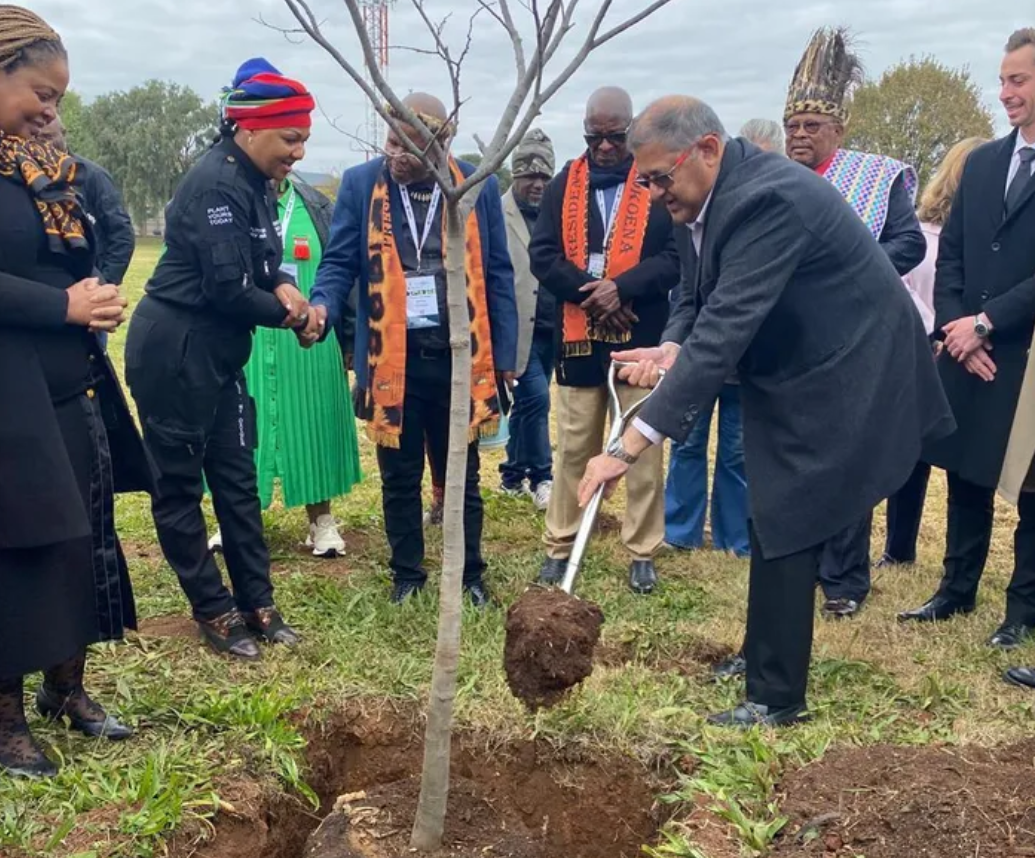
In South Africa, the eThekwini Biodiversity Stewardship Programme works with traditional authorities and communities to protect biodiversity on communal and privately managed land, including in KwaXimba, KwaCele, Amaphephethe and Thoyana.
Activities include training traditional healers in medicinal plant propagation to reduce pressure on wild plant populations, securing commitments from traditional authorities and organizing community workshops to identify environmental challenges and develop action plans.
The Race to Resilience Culture initiative further explored how nature-based solutions can benefit from local identity, Indigenous and traditional knowledge, community memory and collective ownership. The experience highlights the importance of involving community knowledge holders in conservation decision-making and recognizing their longstanding relationships with the land.
Climate action is also a cultural process
These experiences differ in geography, scale and purpose. Some focus on community-led environmental improvements, others on creative expression, urban regeneration or biodiversity conservation. What connects them is the role of cultural knowledge and participation in shaping how communities understand environmental change, organize collective responses and sustain their relationships with the places and ecosystems on which they depend.
They demonstrate that culture is not an additional consideration to be incorporated into climate action once technical priorities have been established. Rather, it is fundamental to how communities understand environmental change, organize collective responses and sustain their relationships with the places and ecosystems on which they depend.
Moving forward, the challenge is to ensure that cultural heritage, Indigenous and local knowledge, creative practices and community participation are meaningfully embedded in climate planning, adaptation strategies, investment decisions and resilience programs.
Ultimately, building climate-resilient cities requires recognizing, valuing and strengthening the cultural relationships, knowledge systems and collective identities that enable communities to adapt and thrive.