Five ingredients for sustainable and resilient city-region food systems
How can cities create food systems that support both people and planetary wellbeing? While there is no single recipe, cities across the world are responding to many of the same food system challenges, including rising inequalities, climate change and changing dietary patterns.
Through FoodCLIC‘s Broadening process, eight city-regions across Africa and Europe have been exploring these challenges by mapping their food systems, engaging local actors, developing shared visions and learning from one another.
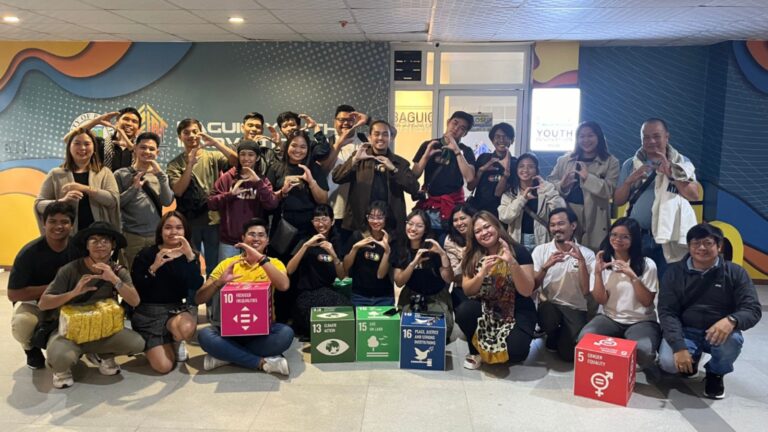
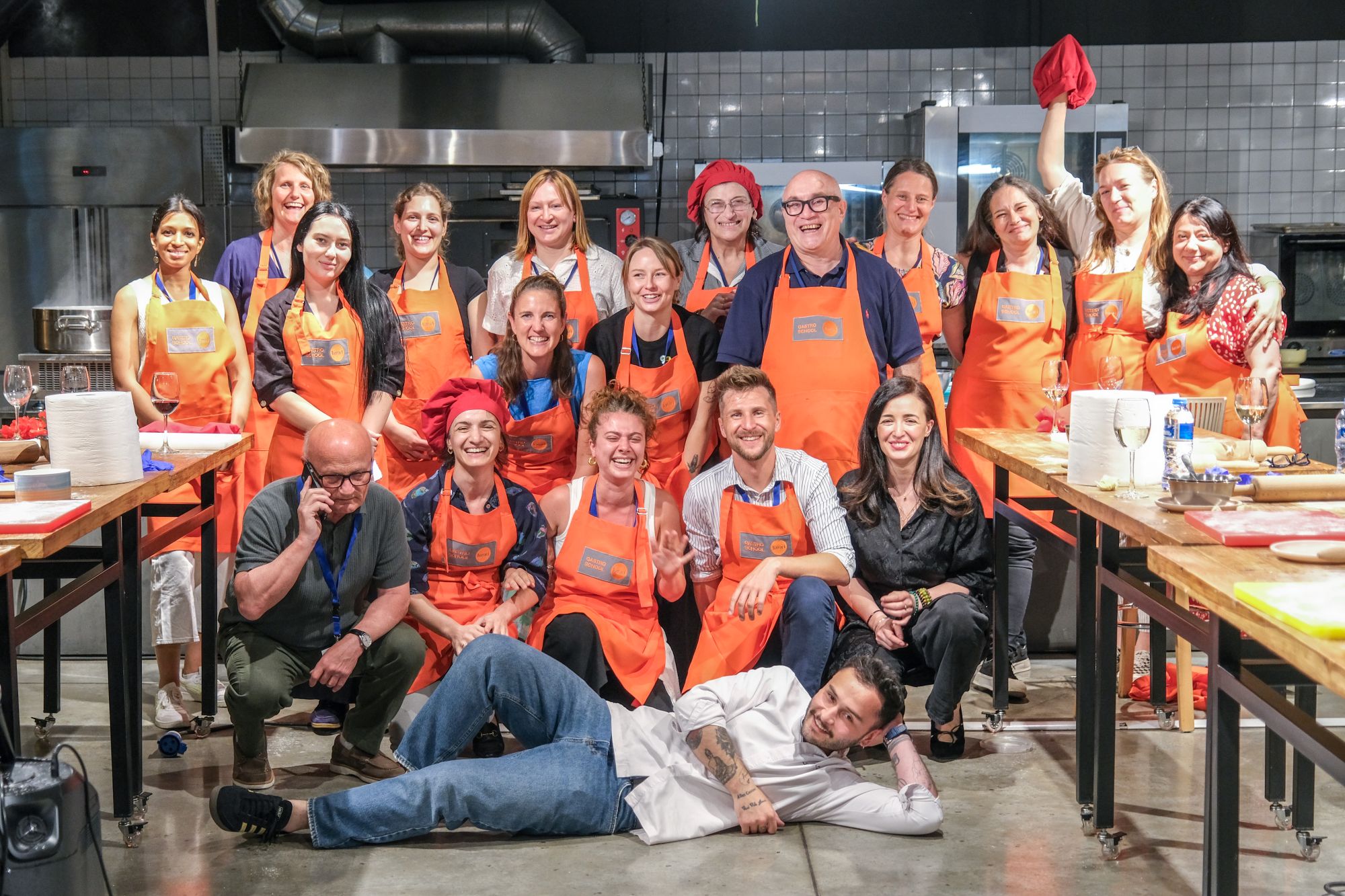
In June 2026, FoodCLIC’s five European Broadening city-regions came together in Tbilisi, Georgia for a series of workshops and peer learning. While each city-region has a different context, the exchange highlighted one shared ambition: Creating food systems that are healthier, fairer, sustainable and resilient. Here is a bite-sized overview of the key ingredients that emerged from the exchange.
Ingredient #1: Connecting food, people, and culture
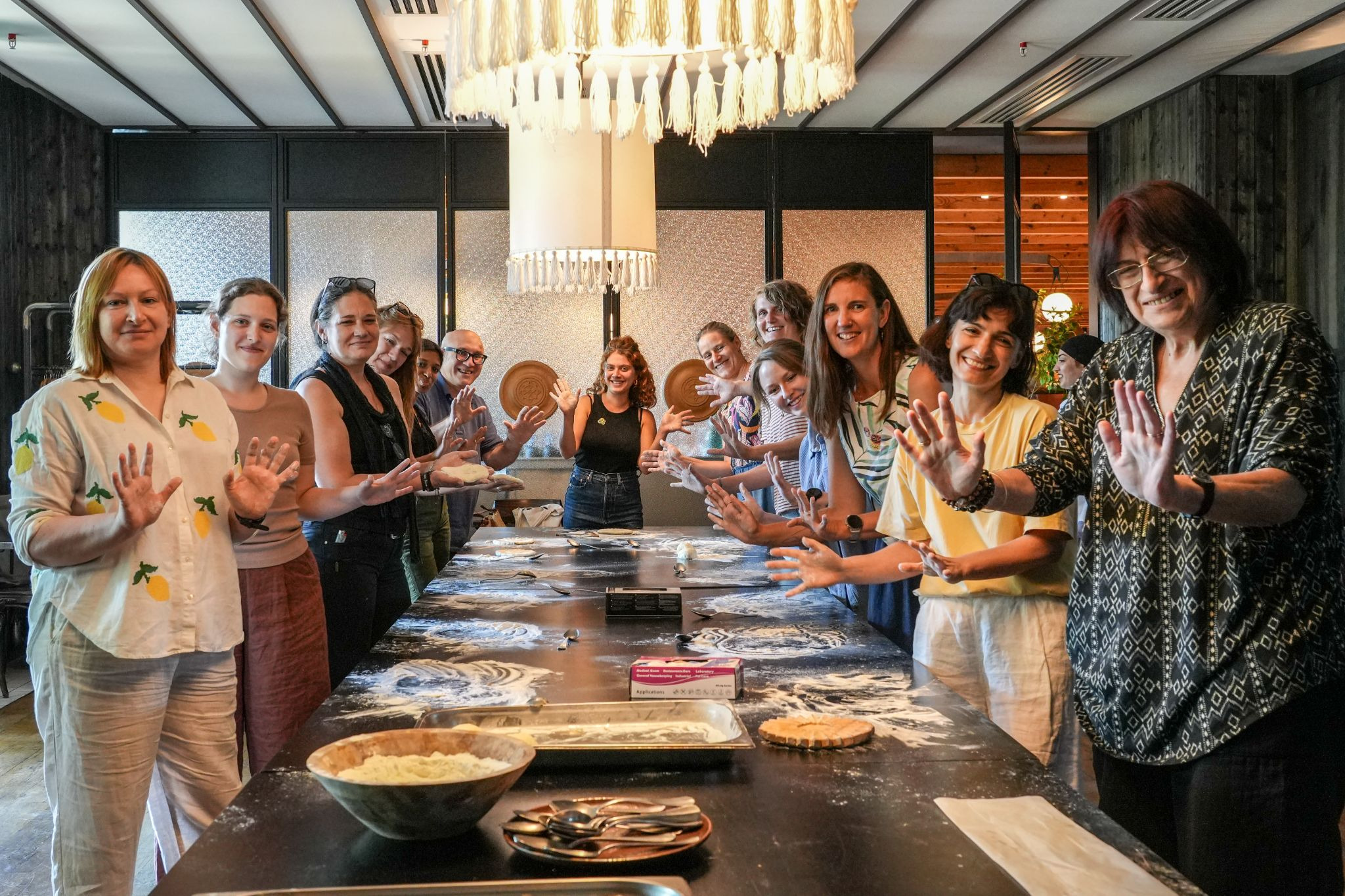
“Food is the language of welcome in Georgia,” said Mamuka Gvilava from Greens Movement of Georgia, who has been spearheading the Broadening process within the city of Tbilisi. And just like a khachapuri dough that requires kneading by hand, transforming food systems depends on people, collaboration and continuous engagement.
Tbilisi has been working on mapping and visioning to develop a draft concept for a Food Council, bringing together the city-region’s actors across the municipality and civil society. The municipality’s numerous culinary festivals, including Taste Tbilisi, which connect Georgian hospitality to free opportunities for small businesses and food producers, offer a good basis to expand its food systems work to other areas, including addressing food waste and revitalizing food markets in the city.
Ingredient #2: Promoting diets that support planetary health and wellbeing
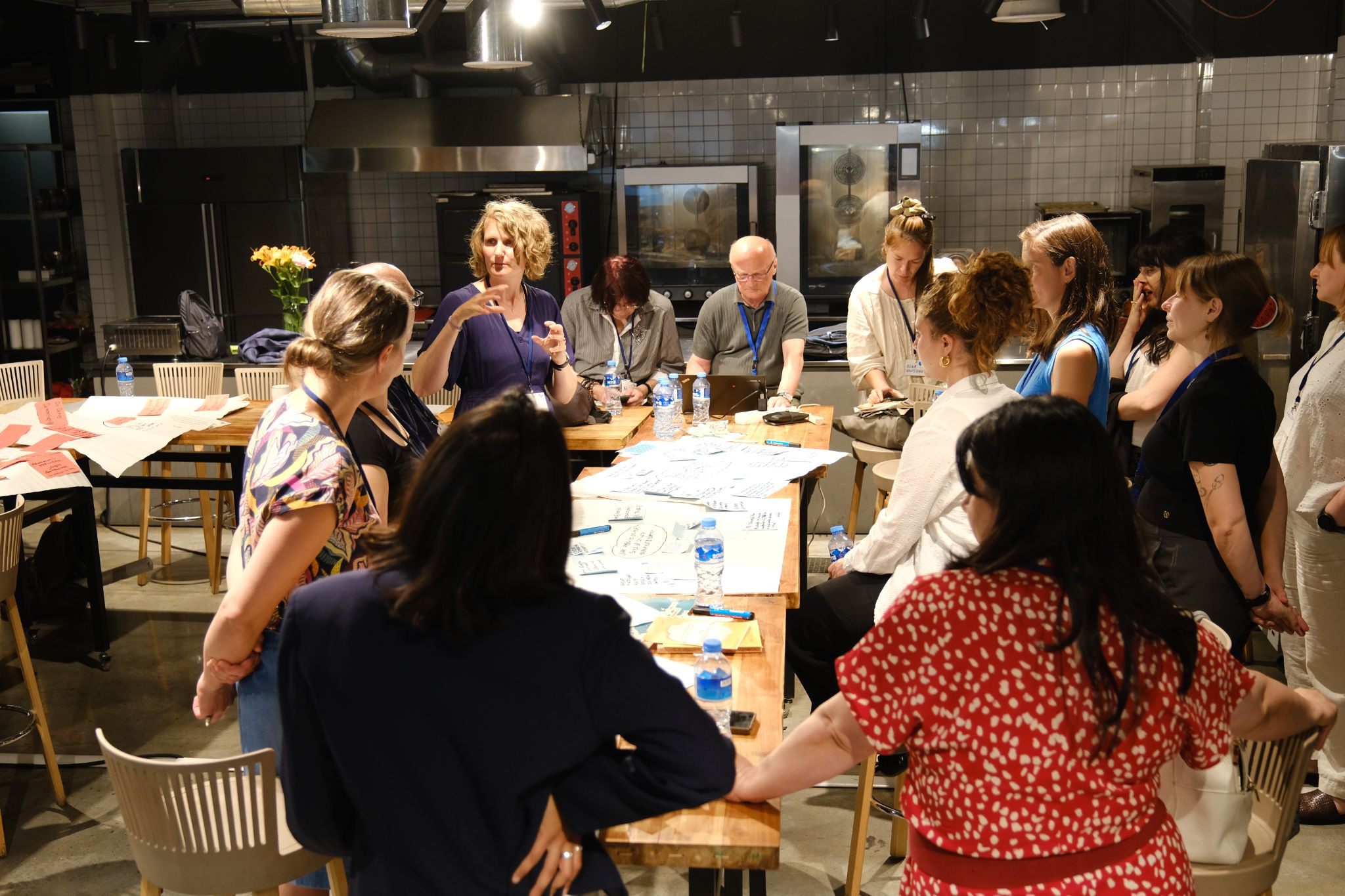
The workshop led by Freiburg looked at the impacts of food systems on planetary well-being, and how a city can collectively move to diets, such as the Planetary Health Diet, that are less resource intensive, more nutritious and favour plant-based proteins. Bringing along a city’s residents, together with food systems professionals remains key, and ideas explored included engaging with school food environments, supporting training programs for cooks, and working with restaurants to label and adapt their menus. As Lea Bartels from Ernährungsrat Freiburg put it, at present, “the consumption of legumes in Germany is 2 kg per person per year, and the target is 27 kg per person per year. So there’s a long way to go.”
Ingredient #3: Advocating for food policy and spaces to grow and learn about food
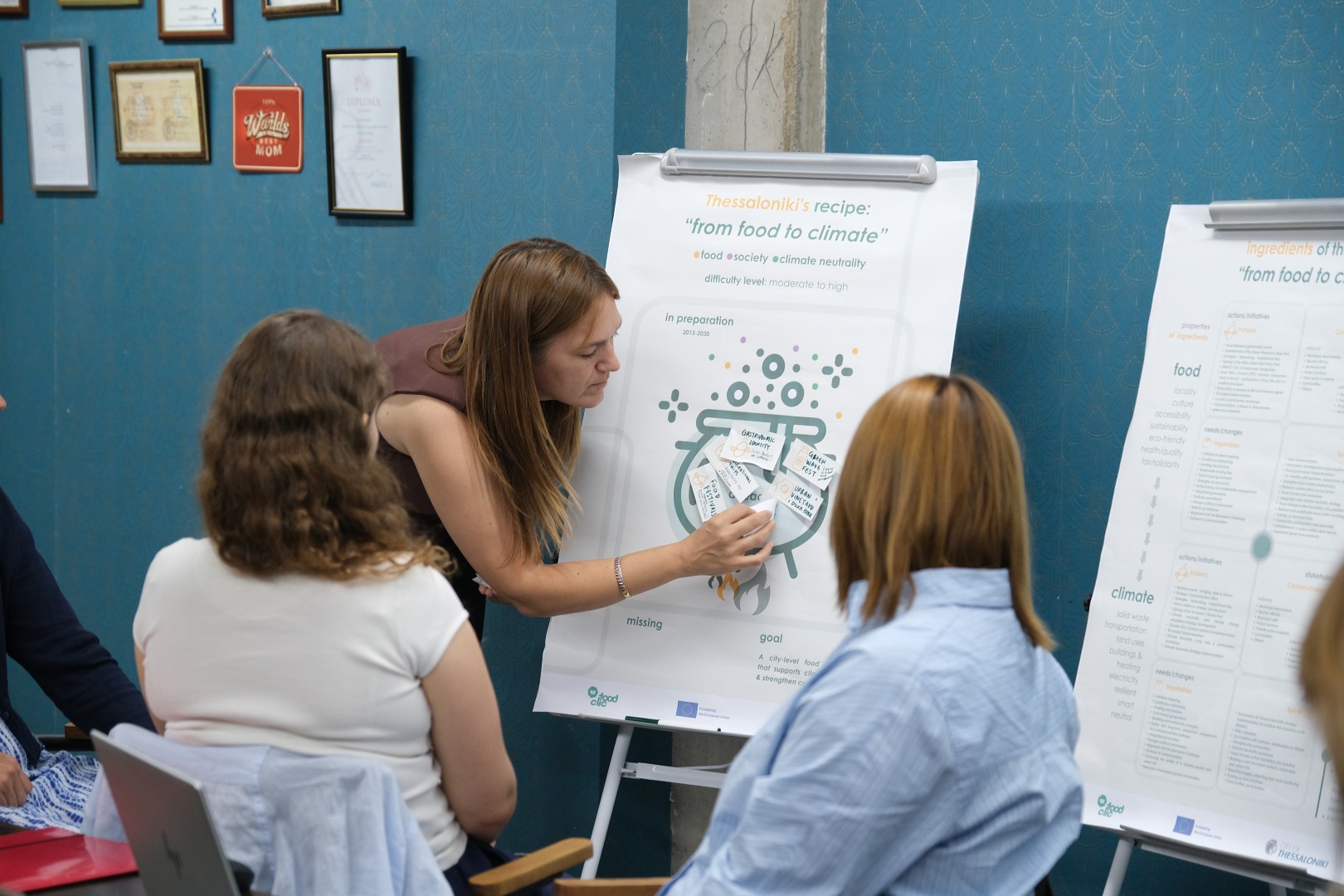
The idea for Thessaloniki’s Food Policy Council emerged in 2015 and was formally launched in 2022. Bringing together municipal departments, civil society, farmers and the private sector, the council developed a food policy centred on four priorities: Food production and distribution, food education, gastronomic identity, and preventing food waste. Through advocacy, the council also helped protect the city’s urban agriculture initiative, including a vegetable garden and a pioneering urban vineyard, from closure. The space is currently being used to support food education programs for schools and community engagement, bringing together municipal representatives, university researchers, project partners, and citizens.
Ingredient #4: Strengthening markets and short supply chains
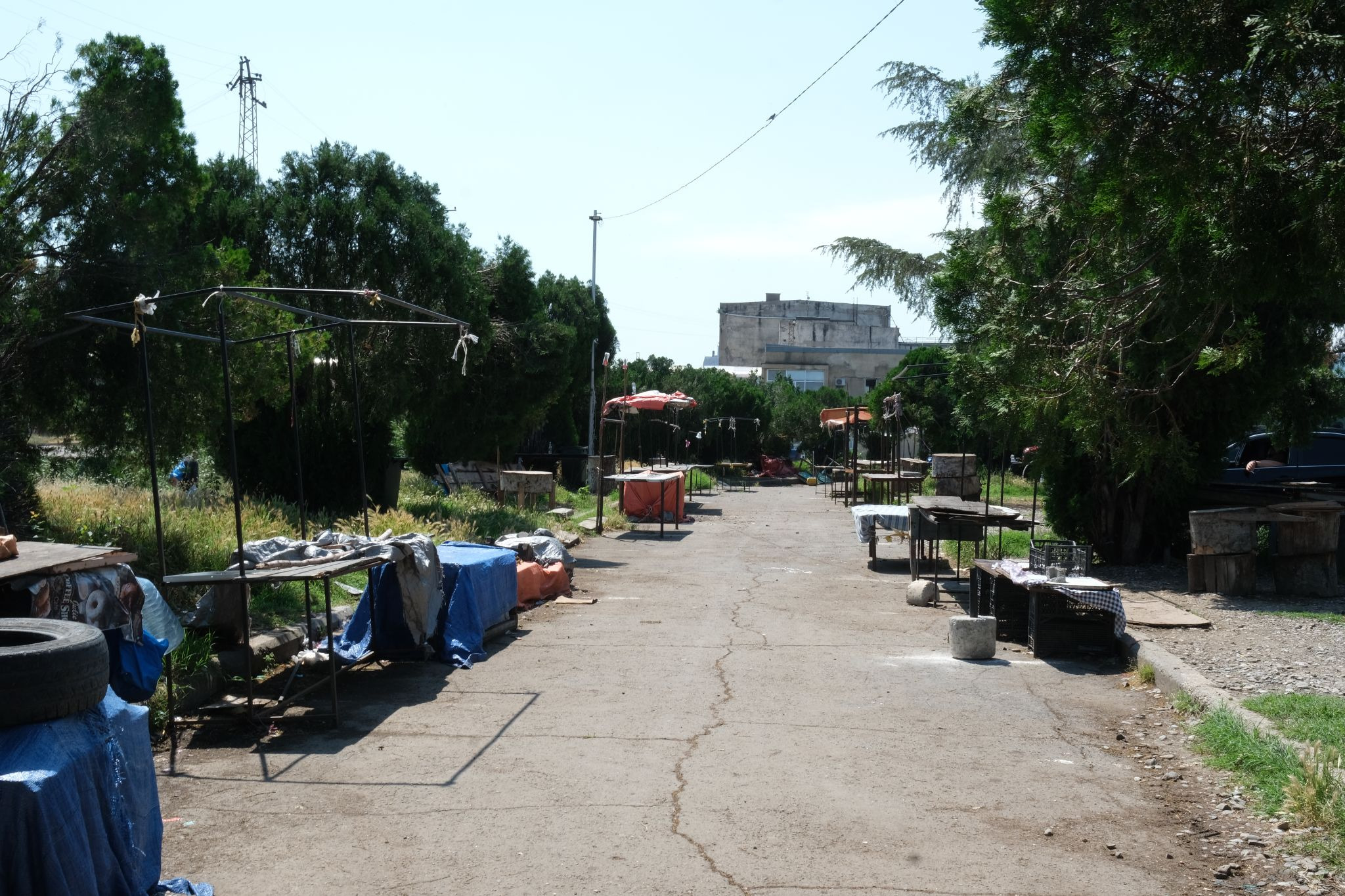
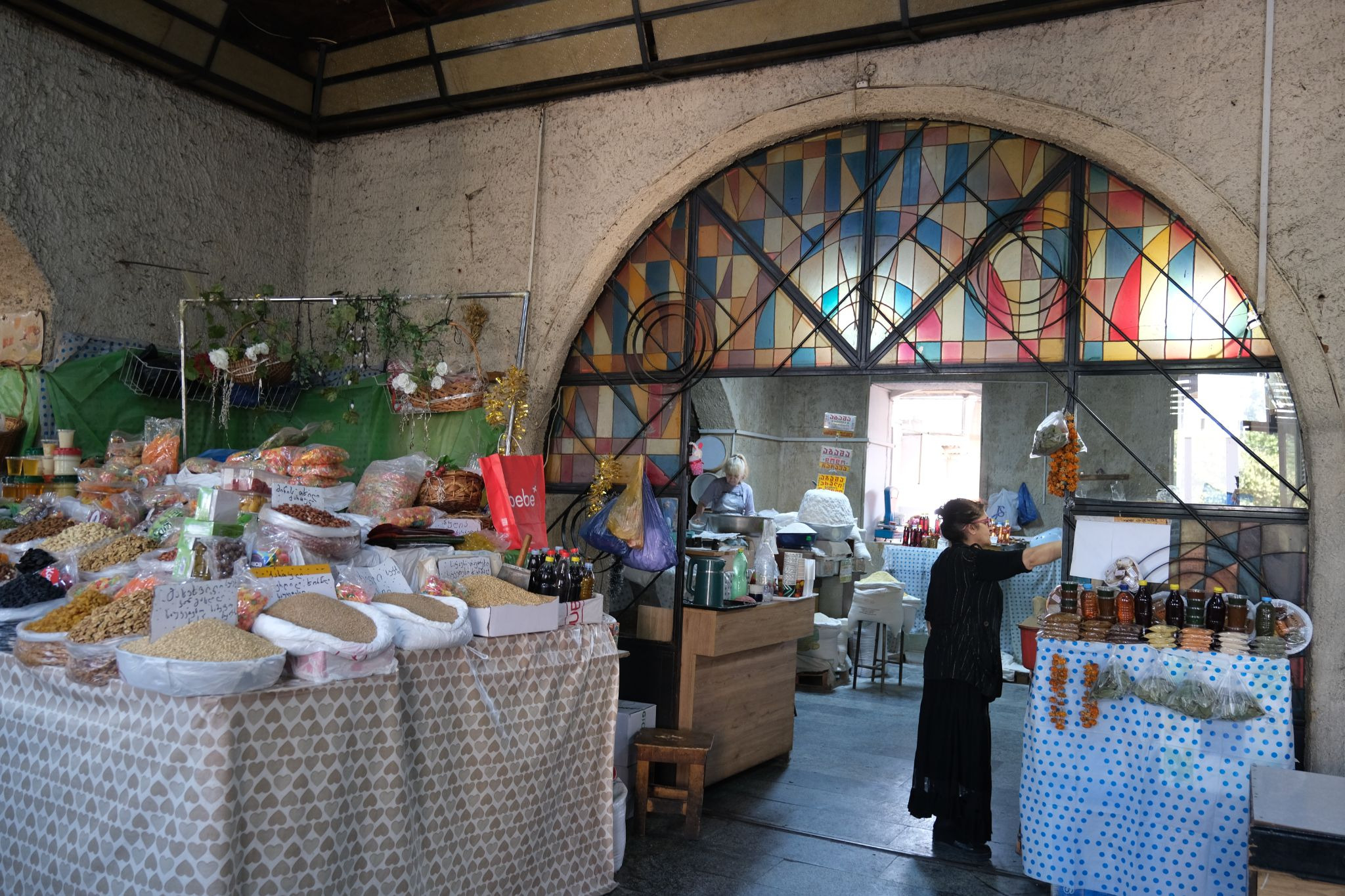
For Tirana, working on strengthening public markets and supporting local producers is a priority. Through FoodTrails, the city developed its first AgroPark, a space where farmers can sell their products, supporting them in gaining direct market access. The AgroPark has been operational for two years, and a vision for the future includes creating an exhibition space for the chefs’ association, with restaurants coming to buy products and cook on site, and a wider area of activities for families.
Reflecting both on Tirana’s growth and the wealth of discussion at the peer-to-peer exchange, Adela Laci, representative from Tirana comments: “Twenty-five years ago, we were talking about how to feed our families and how to bring food to the table. Now we are talking about food policy, about the quality of food, about food waste, about how to promote healthy eating. I think this shows how fast our society has progressed.”
Ingredient #5: Planning and building resilient food futures
Wroclaw invited participants to think about how city-regions can prepare for crisis scenarios. Due to the war in Ukraine, Wrocław welcomed around 200,000 refugees, prompting the city to examine how food aid had been distributed. It found that while NGOs had coordinated the response, no formal procedures for food distribution existed. The 2024 flooding reinforced the growing importance in Wrocław of developing a food crisis model to improve preparedness and ensure access to food in emergencies. These are challenges that resonated across cities in the peer-to-peer exchange, where questions of preparedness, coordination and resilience in food systems are increasingly shared concerns.
Hopeful words nevertheless come from Klaudia Marzec from the Municipality of Wroclaw: “Don’t be afraid to be creative and think outside the box, if something hasn’t been done yet in your system. It doesn’t mean it is impossible. You know, transforming the system is a long-term process.”
As part of FoodCLIC’s Broadening process, eight city-regions across Africa and Europe have been working to understand their food systems and key actors, create shared visions and develop strategies for action. Read about their learnings from the first Broadening Phase here.