Cultivate Marketplace for transforming African urban food systems: Building bridges between cities and global funders
This blog was written by Jinyu Chen, ICLEI World Secretariat and *Sara Baglioni, ACRA
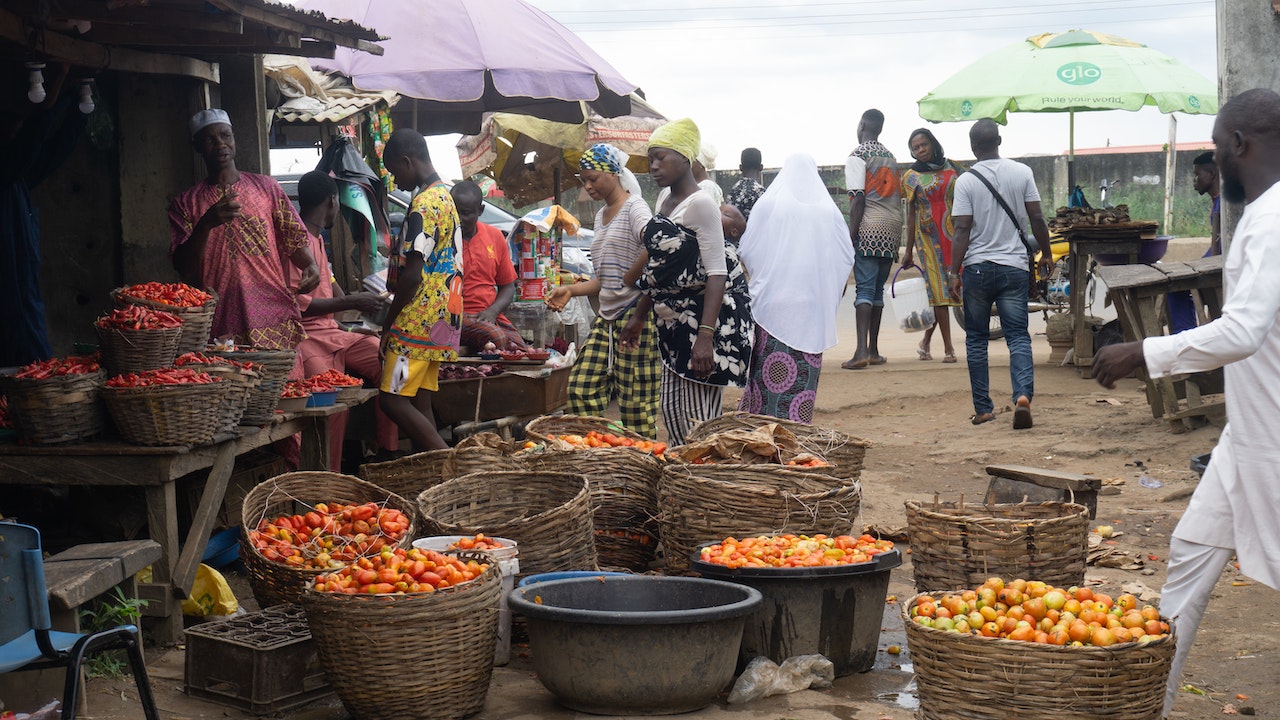
In the bustling markets of Arusha (Tanzania), Kisumu (Kenya), Ouagadougou (Burkina Faso) and other AfriFOODlinks cities, food vendors play a vital role in connecting farmers’ harvests to family dinner tables. Together with smallholder producers, traders, processors and transporters, they form the backbone of local food economies – their work generates income for thousands of households, keeps nutritious food flowing into cities, and sustains countless jobs along the value chain.
Behind their everyday work stand the municipalities striving to keep these food systems running. Cities act as builders, upgrading markets, storage facilities and cold chains; as enablers, strengthening governance, food safety and enterprise ecosystems; and as nurturers, investing in school meals and nutrition programs. Yet, these ambitions often outpace the resources and institutional pathways available to local governments. Most funding still flows through national channels, leaving city-led innovation undervalued, fragmented or underfunded.
The Cultivate Marketplace, developed by ICLEI and ACRA under the AfriFOODlinks project, is designed to help address this gap. Unlike a traditional pitch event, the Marketplace will create a structured, low-risk space where cities and funders can learn from one another, exchange insights, and explore alignment. It will support AfriFOODlink’s Braided Funding approach by gathering philanthropic actors, bilateral donors, development finance institutions and impact investors around city-led priorities in a way that effectively unlocks local action towards transforming urban food environments.
The first full series of Cultivate Marketplace sessions will take place in 2026, with thematic gatherings designed to deepen understanding, spark collaboration and support preparation for future investment conversations.
Redefining city-funder collaboration
The Cultivate Marketplace is a city-led initiative designed to transform how municipalities and funders meet, learn from one another, and jointly build investable pathways, catalysing African urban food systems that are resilient, inclusive and rooted in local leadership. Rather than presenting polished proposals in isolation, the Marketplace aims to create a curated, interactive space where cities will be able to share emerging ideas directly with those potentially interested in investing in their implementation.
This approach will shift the center of gravity. Cities will lead the conversation in the Marketplace, drawing on months of preparation shaping concise City Investment Briefs that capture each municipality’s priorities, evidence base, and anticipated impact. These briefs act not as final products, but as living entry points for dialogue, iteration, and co-creation with funders.
In the upcoming 2026 Marketplace, this co-creation will become tangible. Ouagadougou, for example, is building an integrated food ecosystem linking its Green Belt vegetable production to school canteens and market infrastructure – an idea strengthened through direct exchanges with nutrition experts and development finance institutions. Mbale (Uganda), similarly, is refining its vision for inclusive market upgrades and resident-led food governance, and it intends to use Marketplace discussions to sharpen how infrastructure, livelihoods and safety standards can converge into a coherent investment case.
These examples reflect the core purpose of the 2026 Cultivate Marketplace: Enabling cities to openly test ideas, receive targeted feedback, and craft braided financing strategies that combine philanthropic, bilateral and development finance in ways that match their ambitions.
Why dialogue matters
Designing the Cultivate Marketplace was never just about showcasing city projects, but about reshaping the conversation itself. During early consultations and at the 2025 Milan Urban Food Policy Pact Global Forum (MUFPP), many city representatives voiced the same frustration: “We meet funders, but rarely get to speak with them about what we actually need.”
This insight became the foundation for the Cultivate Marketplace initiative.
ACRA and ICLEI seek to create a process that allows two-way dialogues where both cities and funders can explore fit, feasibility, and shared value. Through past project experience, we learned how much additional impact we can yield when municipal teams articulate investment needs in their own language, and funders respond with curiosity rather than checklists. And when cities take the lead, they are able to move from isolated projects to coherent programs that serve their residents, developing integrated, long-term visions that align with territorial plans and make better use of resources.
With this in mind, the Marketplace will be, at its core, a space for co-creation and recognition that solutions to urban food challenges are most powerful when they are built with cities, not for them.
Shared value for cities and funders
The Cultivate Marketplace aspires to reimagine investment as a partnership, one where both cities and funders stand to gain.
For cities, it will open a pathway to practical engagement with donors who understand their realities. Cities will gain exposure to new financing models, technical expertise, and potential allies to scale their impact. It will also be a space to test their investment briefs, refine project design, and access support networks that extend far beyond a single grant cycle.
For funders, the Marketplace will offer curated, evidence-based entry points into local innovation ecosystems. Instead of abstract proposals, they will meet real implementers, equipped with data, partnerships, and political will. This transparency will reduce transaction costs and surface investment opportunities that are both impactful and feasible.
For both, the process builds trust – a foundation for blended finance, long-term partnerships, and shared accountability. By aligning public priorities with private and philanthropic capital, the Cultivate Marketplace aims to help translate the ambitions of transforming urban food systems into tangible, contextually-relevant and investable pathways for change in African cities.
A call for connection
We invite partners, development agencies, philanthropic foundations and impact investors to follow AfriFOODlinks updates across various digital channels and join us in the Cultivate Marketplace journey starting in 2026.
To express interest or request more information, please contact: Jinyu Chen ([email protected]) and Sara Baglioni ([email protected]).
Stay tuned for opportunities to connect, collaborate, and co-invest in the next phase of city-led food system solutions to turn a shared vision into shared value, cultivating not just projects, but long-term partnerships for more nourishing urban futures.
*About the author:
Sara Baglioni, ACRA: Sara holds a Master’s Degree in Cooperation for Sustainable Agrifood Development from the University of Milan. At ACRA, she works on project development and management, agroecological research, and coordinates the Secretariat of the Azione TerrAE Coalition, which promotes agroecological transition in West Africa. Her work focuses on project design, stakeholder engagement, and bridging grassroots initiatives with institutional actors.