
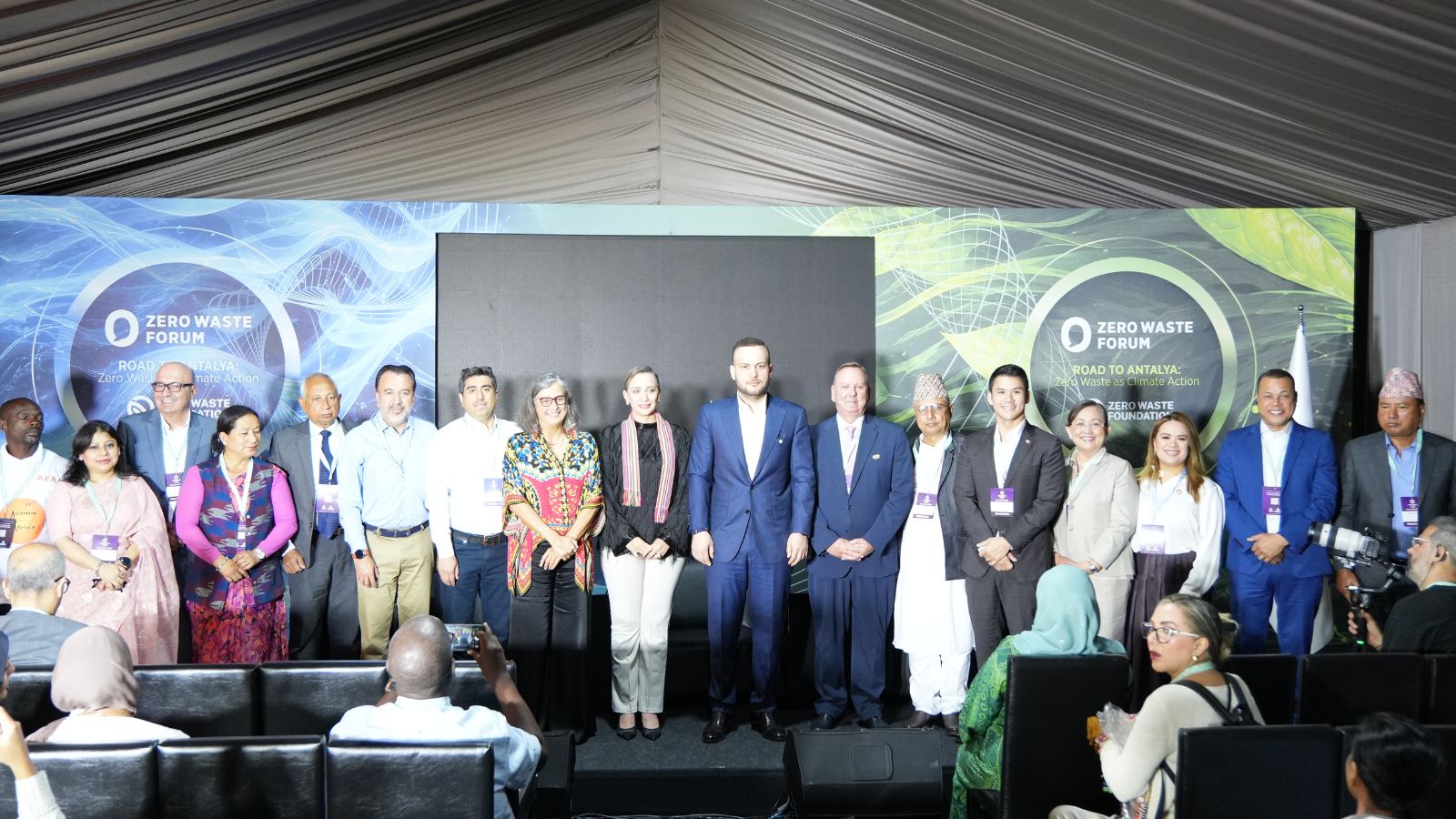
On the road to COP31, cities lead on zero waste and climate action at the Zero Waste Forum
This blog was written by Paola Castañeda Rodriguez and Sara Corda
From Yokohama’s community-led efforts to halve waste generation, to Campinas’ large-scale composting operations and Kaohsiung’s industrial symbiosis initiatives, cities are showing how zero waste solutions can help translate climate ambition into practical action on the ground.
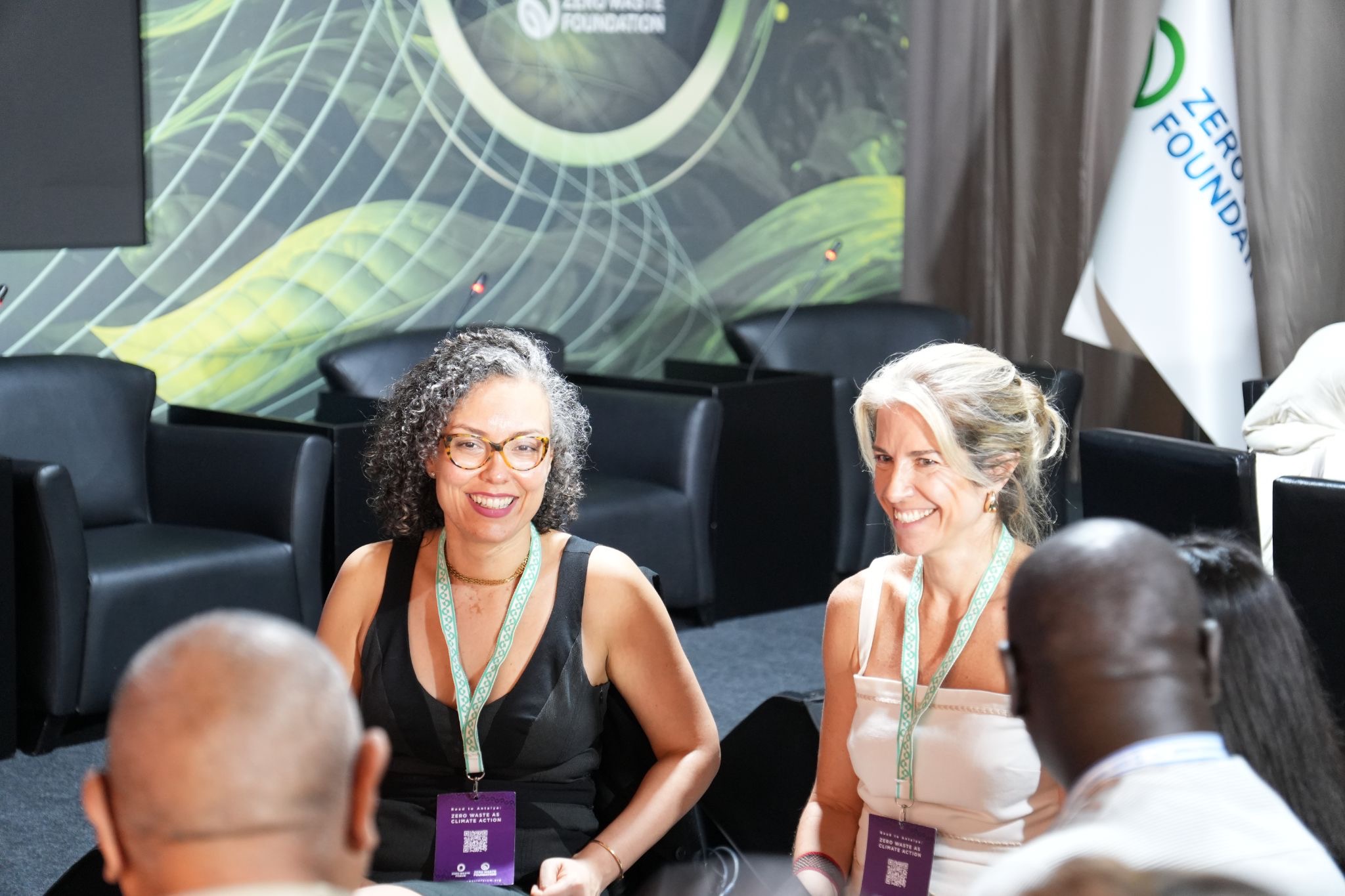
This became evident throughout the Zero Waste Forum 2026, held from 5–7 June in Istanbul, Türkiye. Organized by the Zero Waste Foundation, the Forum convened local and regional governments, national leaders, international organizations, and private sector representatives to explore how circular solutions can accelerate climate action and sustainable development.
Under the theme “Road to Antalya: Zero Waste as Climate Action,” the Forum provided a timely opportunity to reflect on how local action can help deliver global climate goals. For ICLEI, the conversations reinforced a message that has become increasingly visible in international climate discussions: As implementers of climate solutions, cities and regions are helping shape the pathways toward a more circular, resilient, and sustainable future.
As part of the Forum, ICLEI hosted an ICLEI Members Session and, together with UN-Habitat, co-organized the High-Level Mayors Roundtable and a series of City Action Studios during Cities Day. Across these exchanges, one idea consistently emerged: Beyond managing waste more effectively, zero waste is about building healthier communities, creating economic opportunities, reducing emissions, conserving resources, and strengthening resilience.
Cities at the center, partnerships at the core
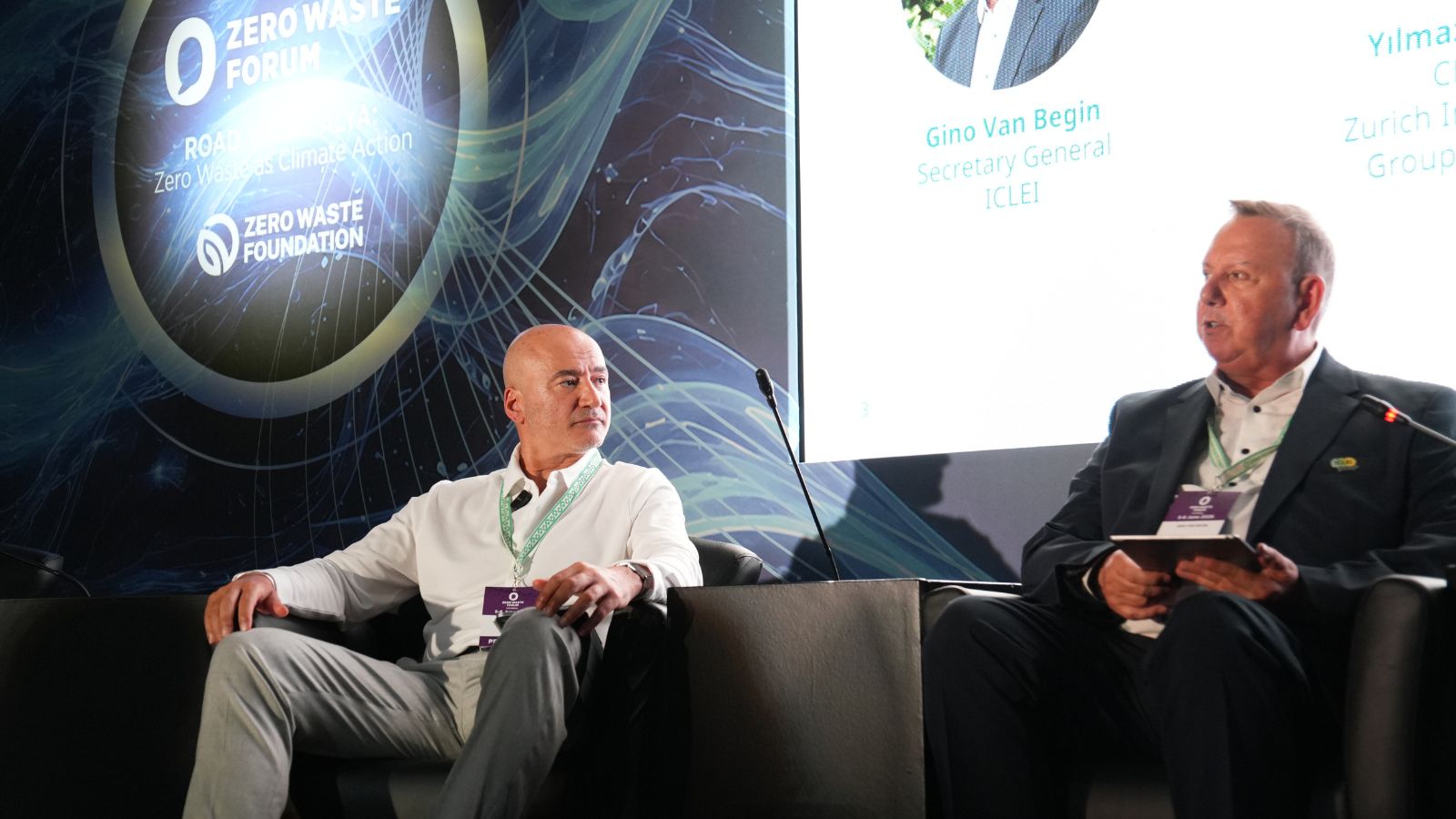
Opening the ICLEI Members Session, Gino Van Begin, Secretary General of ICLEI – Local Governments for Sustainability, reflected on the progress achieved since COP30 in Belém and the growing recognition of local and regional governments within international climate discussions. He emphasized that waste management sits at the intersection of climate action, biodiversity conservation, and land restoration, making cities key actors in advancing these agendas ahead of COP31.
The need for stronger partnerships was echoed by Yılmaz Yıldız, CEO of Zurich Insurance Group Türkiye and Member of the Board of Trustees of the Zurich Foundation. Drawing on the Foundation’s collaboration with ICLEI through the Climate Resilience for Communities project in İzmir, Türkiye, he highlighted the importance of designing climate solutions alongside communities and supporting local resilience efforts through long-term partnerships.
Cities cannot act alone. Delivering meaningful progress depends on stronger partnerships between local governments, communities, businesses, financial institutions, and national governments.
Translating circularity into results
While discussions at global climate forums often focus on targets and commitments, the experiences shared in Istanbul demonstrated that many cities are already translating circular economy principles into tangible outcomes.
Tomomi Yamashita, from the City of Yokohama, Japan, underscored how decades of resident engagement have helped reduce waste generation by 50 percent since 2001. Through workshops, volunteer networks, and community-led initiatives, residents have become active participants in the city’s transition toward a circular society.
Building on this experience, the city has also taken a leadership role in launching the Asian Circular Cities Declaration (ACCD) in November 2025 as a platform for collaboration and knowledge-sharing across the region, which now brings together 21 signatory cities across the region. As co-host of the Asia-Pacific Circular Cities Forum (3–4 September 2026), together with the ICLEI Japan Office, Yokohama will further expand this convening role, bringing city leaders and practitioners from Asia, the Pacific, and Europe together to exchange experiences and accelerate circular solutions.
Other cities demonstrated how circularity can take different forms depending on local priorities.
Carlos Cruz-Coke, Councilor of Vitacura, Chile, shared the municipality’s efforts to advance an ambitious circular waste management model focused on sustainability and quality of life. Meanwhile, Jui-Hun Chang, Director-General of the Environmental Protection Bureau of Kaohsiung City Government, showcased how industrial symbiosis, resource recovery, and strong collaboration between government and industry are helping transform one of East Asia’s major industrial centers into a circular economy leader.
The discussions also acknowledged that significant challenges remain. Financing gaps, infrastructure needs, and harmful practices such as open waste burning continue to affect communities worldwide and hinder progress toward a circular economy transition.
To help address these challenges, ICLEI Africa announced the Beyond Burning Alliance, an initiative that supports African cities to transform waste management systems through partnerships, advocacy, and knowledge-sharing to tackle open waste burning and advance healthier, more sustainable environments.
Taken together, these examples highlighted a common lesson: While cities face different realities, successful transitions toward circular and zero waste systems depend on long-term commitment, resident participation, and collaboration across sectors and levels of government.
How cities are turning waste into a resource
The momentum continued during Cities Day, where mayors, municipal leaders, and international organizations explored how zero waste strategies can deliver environmental, economic, and social benefits simultaneously.
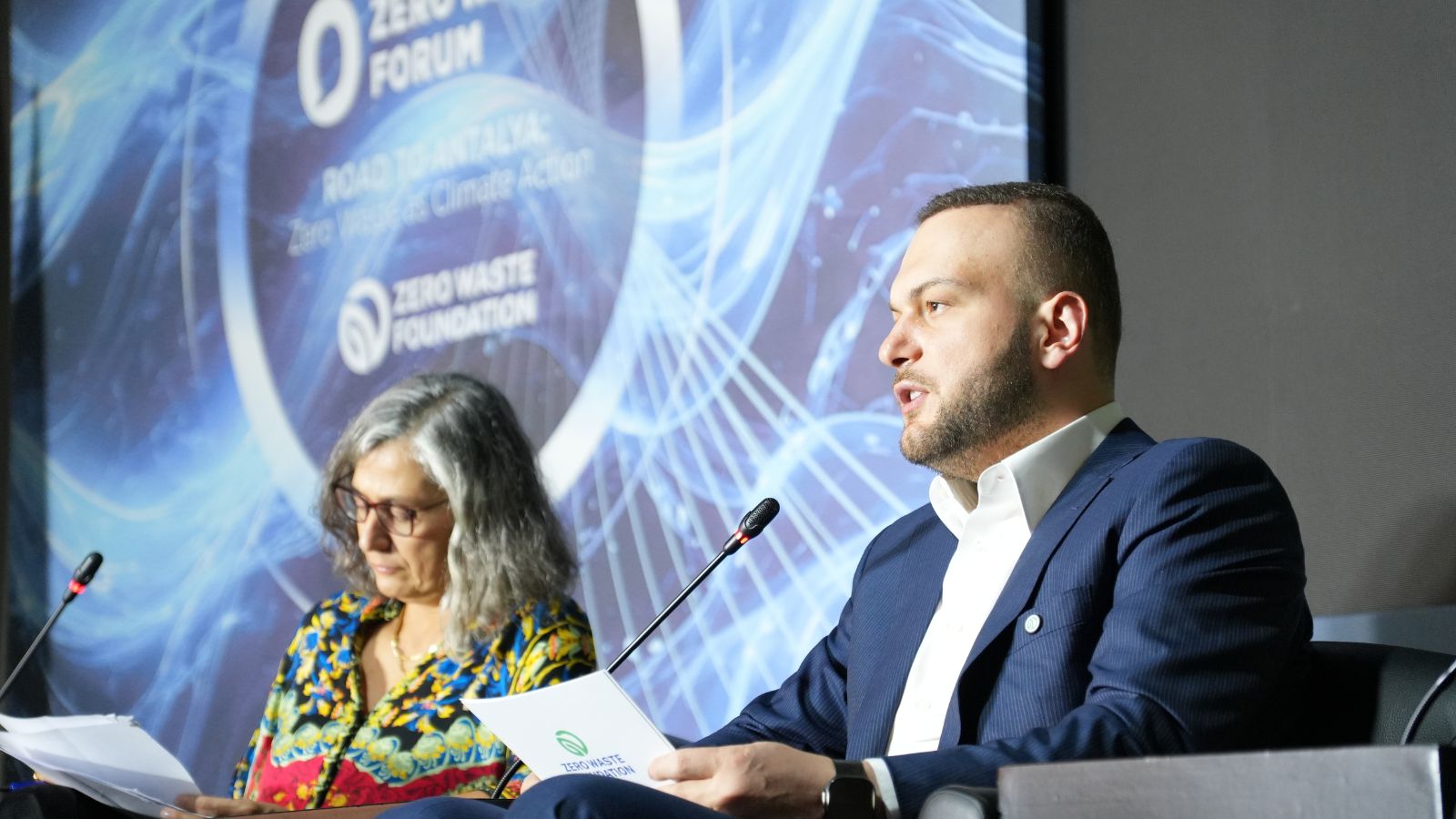
Opening the discussions, Samed Ağırbaş, President of the Zero Waste Foundation and COP31 Climate High-Level Champion, reflected on the legacy of the Habitat II Conference and the importance of local action in advancing climate and sustainability goals. Anacláudia Rossbach, Executive Director of UN-Habitat, emphasized that while cities are responsible for a significant share of global waste generation and emissions, they are also hubs of innovation and co-creation, making them indispensable actors in the transition toward circular and zero waste systems.
Throughout the Mayors Roundtable, local leaders demonstrated how zero waste initiatives can generate benefits that extend far beyond waste reduction.
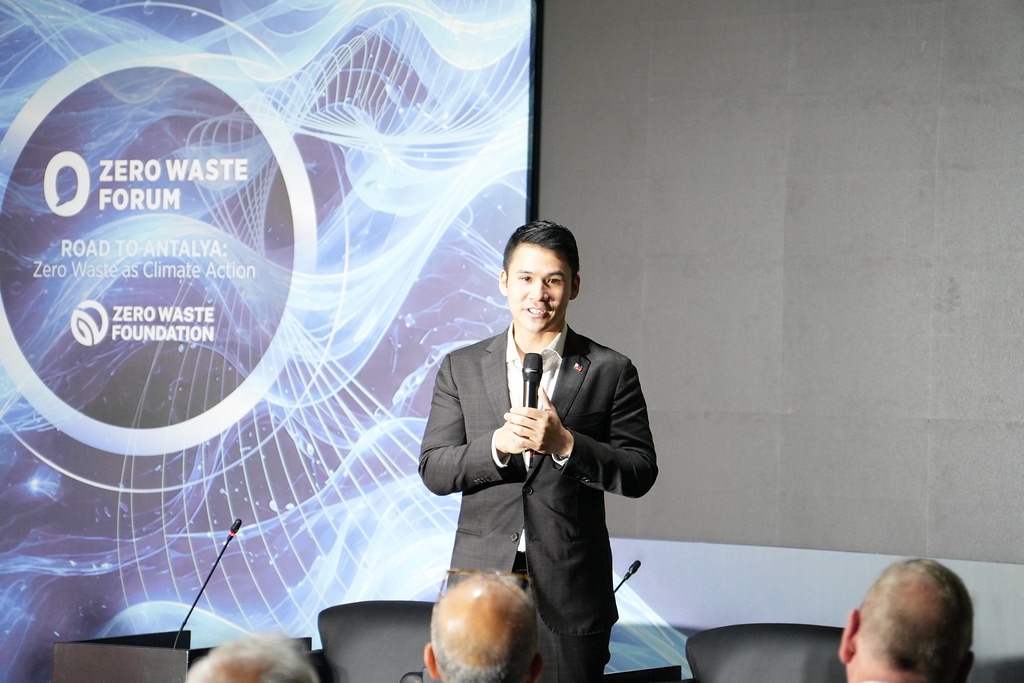
In the Philippines, Faustino Dy V, Mayor of Echague Municipality and National President of the League of Municipalities of the Philippines, presented the municipality’s “Rice-for-Trash” initiative, which allows residents to exchange recyclable materials for rice, linking environmental action with food security.
© ICLEI
Similarly, Annaliza Gonzales-Kwan, Mayor of Guiuan Municipality, shared how community-led recycling programs are transforming plastic waste into school furniture while generating local economic opportunities and strengthening environmental awareness.

Cities also showcased how innovation can help drive behavioral change.
Moonhee Park, Director for Climate and Ecology of Yeosu City, Republic of Korea, presented a digital incentive system that rewards residents for bringing clean recyclables to a mobile resource circular store through a points-based application, creating direct economic benefits while increasing recycling rates.
In Brazil, Dário Saadi, Mayor of Campinas, highlighted the city’s pioneering composting facility, which processes 100 tons of green waste daily and converts them into 30 tons of valuable compost, reducing pressure on landfills while creating new value from organic waste.
Meanwhile, local authorities in Cancún, Mexico, demonstrated how circular economy principles are being integrated into tourism management, recognizing that waste reduction is not only an environmental priority but also an essential component of economic resilience and sustainable destination management.
The challenge now is scaling solutions
The City Action Studios provided an opportunity to explore what is needed to accelerate and scale these efforts.
Participants examined how zero waste strategies intersect with energy systems, nature conservation, climate resilience, and the just transition, highlighting the cross-cutting nature of circular economy solutions.
Across these discussions, financing emerged as one of the most pressing challenges facing cities.
Representatives from Yeosu, Cubatão, Campinas, and other municipalities shared innovative approaches that connect waste reduction with economic incentives, municipal investment, and public-private partnerships. At the same time, cities highlighted persistent barriers, including limited access to climate finance, regulatory constraints, and funding mechanisms that often prioritize large infrastructure projects over circular economy initiatives.
Participants agreed: Scaling solutions require stronger partnerships, tailored financing mechanisms, and governance frameworks that enable local governments to implement and accelerate the transition to circular economies.
The road to Antalya and beyond
As the road to COP31 in Antalya, Türkiye, unfolds, discussions in Istanbul highlighted that across regions and contexts, local governments are already testing, refining, and implementing approaches that reduce waste, lower emissions, strengthen resilience, and improve quality of life.
Unlocking the full potential of zero waste will require stronger partnerships, more accessible financing, and policy frameworks that empower local governments to expand successful initiatives and replicate them across communities.
Local and regional governments will continue to demonstrate that climate action is not only negotiated in conference halls. It is implemented in neighborhoods, businesses, public services, and communities every day. The task ahead is ensuring that the support systems, investments, and governance structures evolve quickly enough to match the pace of local ambition.


