
When the heat rises, cities act
Extreme heat is the deadliest climate hazard on the planet. It kills more people each year than floods, storms, or wildfires, yet it remains among the least visible crises in public discourse. For cities, it is no longer a future risk to plan for. It is a present reality reshaping how local governments spend, build, and govern.
Heat Action Day, celebrated every year on 2 June, is a moment to recognize both the scale of the challenge and the growing range of responses cities are leading. Across ICLEI’s network, those responses take many forms. Below are five stories from around the world.
Laying the groundwork: Belém’s evidence base for climate action
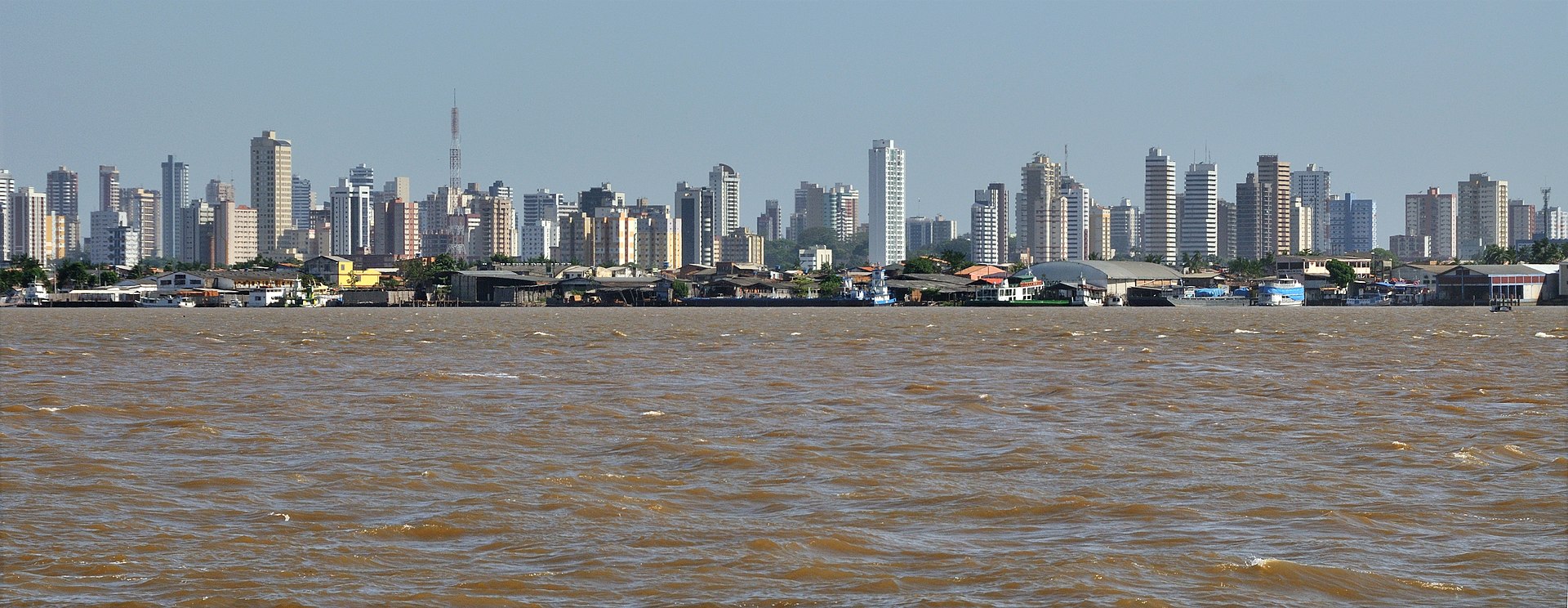
Before a city can act on heat, it has to understand it. In Belém, Brazil, the capital of the state of Pará, that understanding was not as straightforward as the city’s lush surroundings might suggest. Despite its proximity to the Amazon rainforest, Belém’s southern neighborhoods tell a different story. Dense informal settlements, expansive asphalt, limited tree cover, and humidity that rarely drops below 84 percent create urban heat islands felt most acutely by the city’s most vulnerable residents.
To map this gap, ICLEI South America developed a Climate Risk and Vulnerability Analysis (CRVA) for Belém as part of the Nature-Based Cities (NBCities) project. The analysis identified urban heat islands, flooding, and coastal erosion as the city’s three priority risks, and showed how they interact: the same impermeable surfaces that trap heat also worsen flooding. A solution designed for one risk can inadvertently deepen another.
The CRVA has fed into a Climate Action Plan now informing revisions to Belém’s Master Plan and a strategy to unlock national and international funding. Belém hosted COP30 in November 2025, and while the global spotlight has moved on, the city retains something more durable: an analytical foundation for decisions that will matter long after the conference is over.
Two approaches, one goal: European cities adapt to urban heat
In Marseille, France, the CARDIMED project is running demonstration sites at campuses of Aix-Marseille University that show what de-paving and re-greening can look like at neighborhood scale. At the Saint-Jérôme campus, impermeable asphalt and concrete have been removed from forecourts, access roads, and parking areas and replaced with porous asphalt, terracing, bioswales, and an urban micro-forest covering 4,500 square meters. Smart sensors monitor weather and soil health while geographic information system (GIS) mapping guides terracing work. The goal is twofold: reduce runoff that was overloading the sewer system and polluting the Mediterranean Sea, while lowering summer temperatures. Both campuses also serve as study grounds for students in hydrology, geology, and climatology.
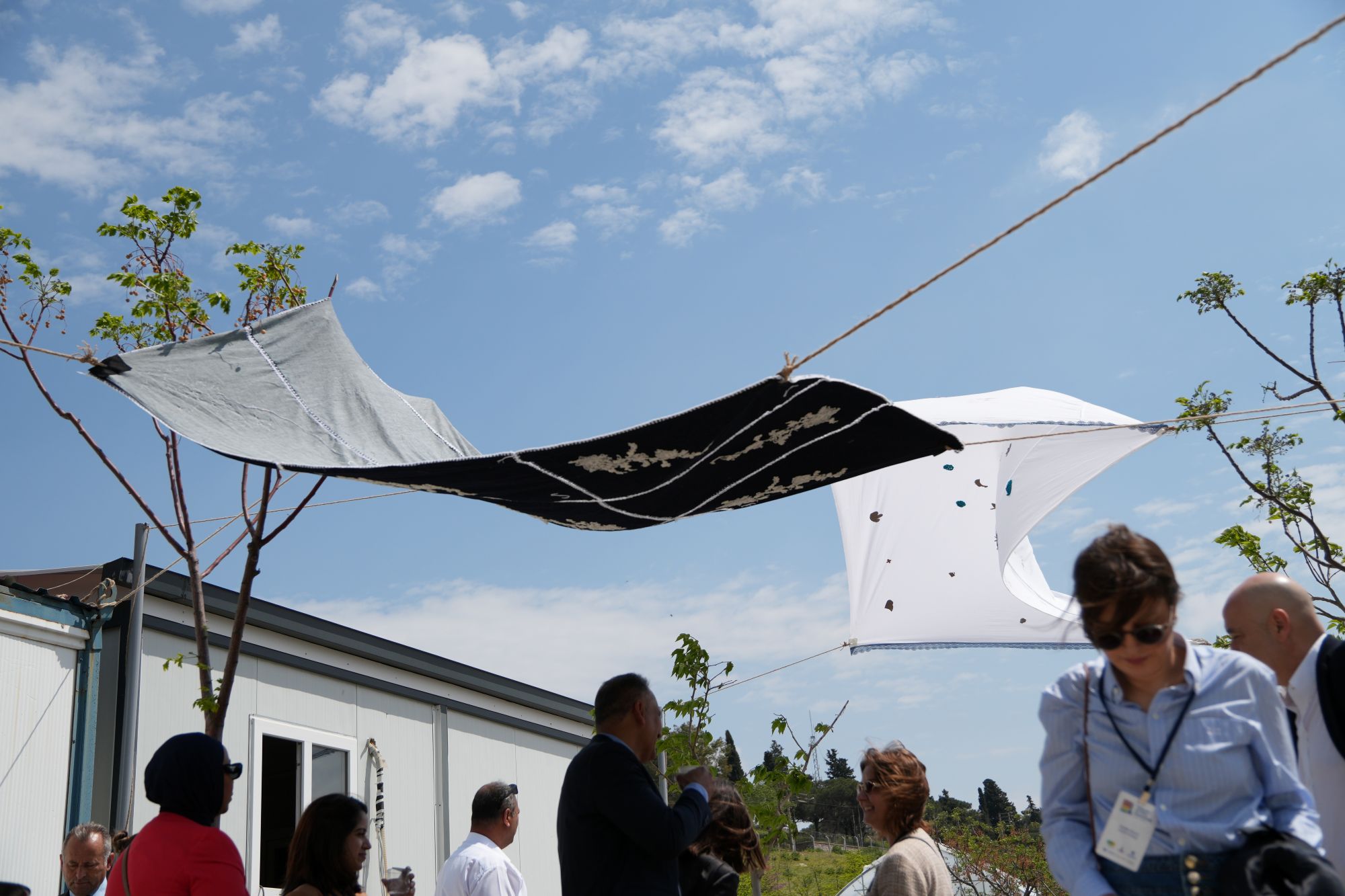
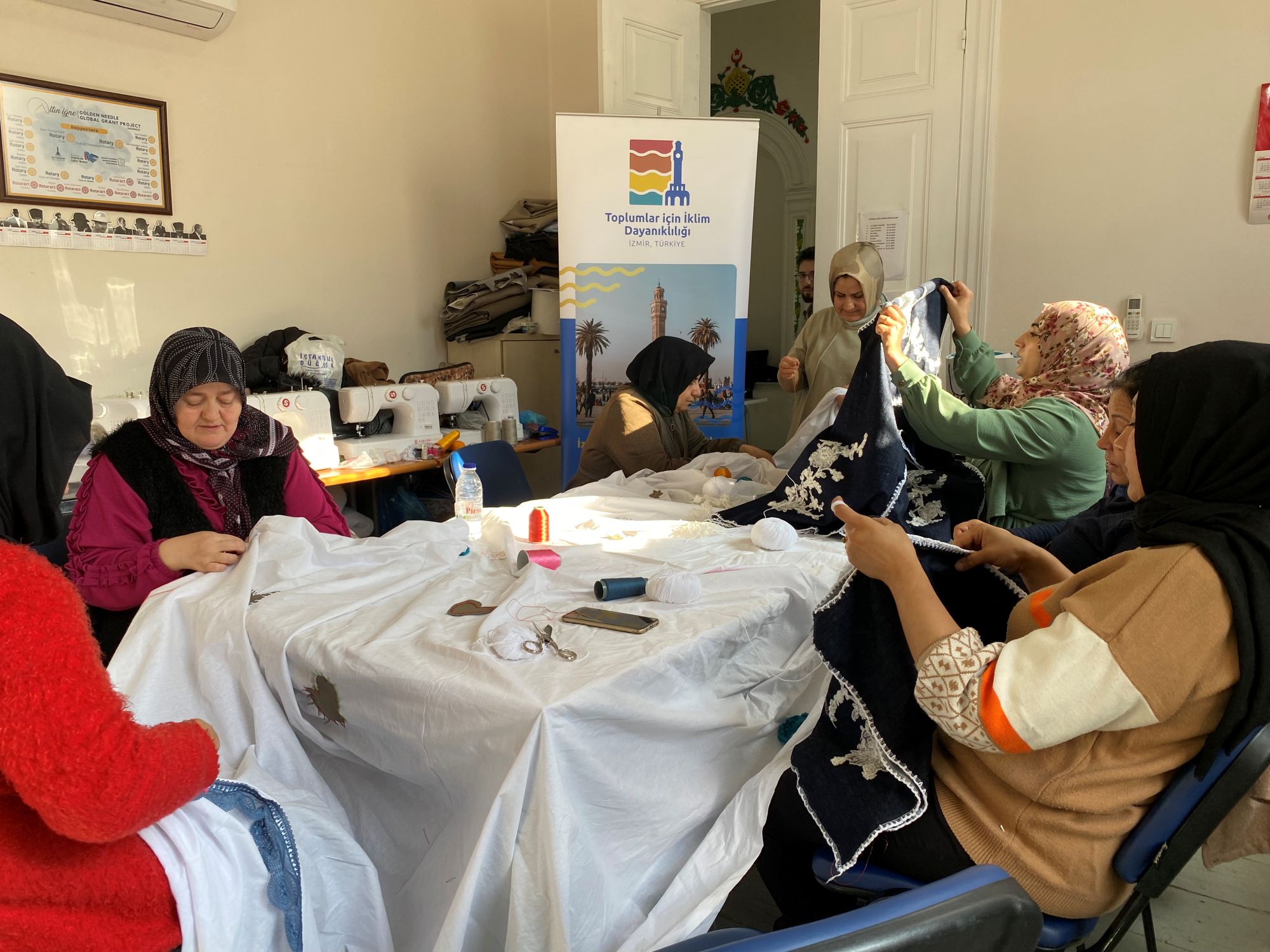
In Izmir, Turkey, a very different kind of solution is taking shape, one assembled by hand. In the Pazaryeri and Imariye neighborhoods, women have been leading the creation of canopy structures to provide shade in public spaces during periods of extreme heat. Through a participatory workshop process under the Climate Resilience for Communities project, residents identified where the canopies were most needed, contributed to the design, and sewed the structures themselves using waste and reusable materials.
The process strengthened women’s participation in neighborhood decision-making, built social cohesion, and produced a visible climate adaptation measure from within the community. Its simplicity and low cost give it strong replication potential. Not all heat resilience solutions require new infrastructure or public funds.
Building heat resilience across South Asia
South Asia is among the regions most exposed to extreme heat. In Bangladesh, India, and Nepal, heat events that historically occurred once in a century are now expected to happen roughly once every five years.
ICLEI South Asia has been working across the region to translate that urgency into action. In Rajshahi, Bangladesh, and Nepalgunj, Nepal, the work focused on identifying heat thresholds and hotspots, building institutional capacity, and developing Heat Action Plans tailored to local conditions. Nepalgunj, a business hub where temperatures regularly exceed 40°C, also benefited from multi-language informational materials and policy briefs.
In Rajkot, India, ICLEI South Asia collaborated with the United Nations Environment Programme (UNEP) and the UNEP-led Cool Coalition to support the city in becoming the first in India to pilot an Urban Cooling Action Plan, integrating active and passive cooling measures across municipal departments. A City Heat Resilience Toolkit, developed with Taru Leading Edge for Surat, India, offers other cities a structured path through the same challenge: Identifying root causes of heat stress, determining solutions, and prioritizing implementation.
From emergency response to long-term planning: Blacktown’s integrated approach
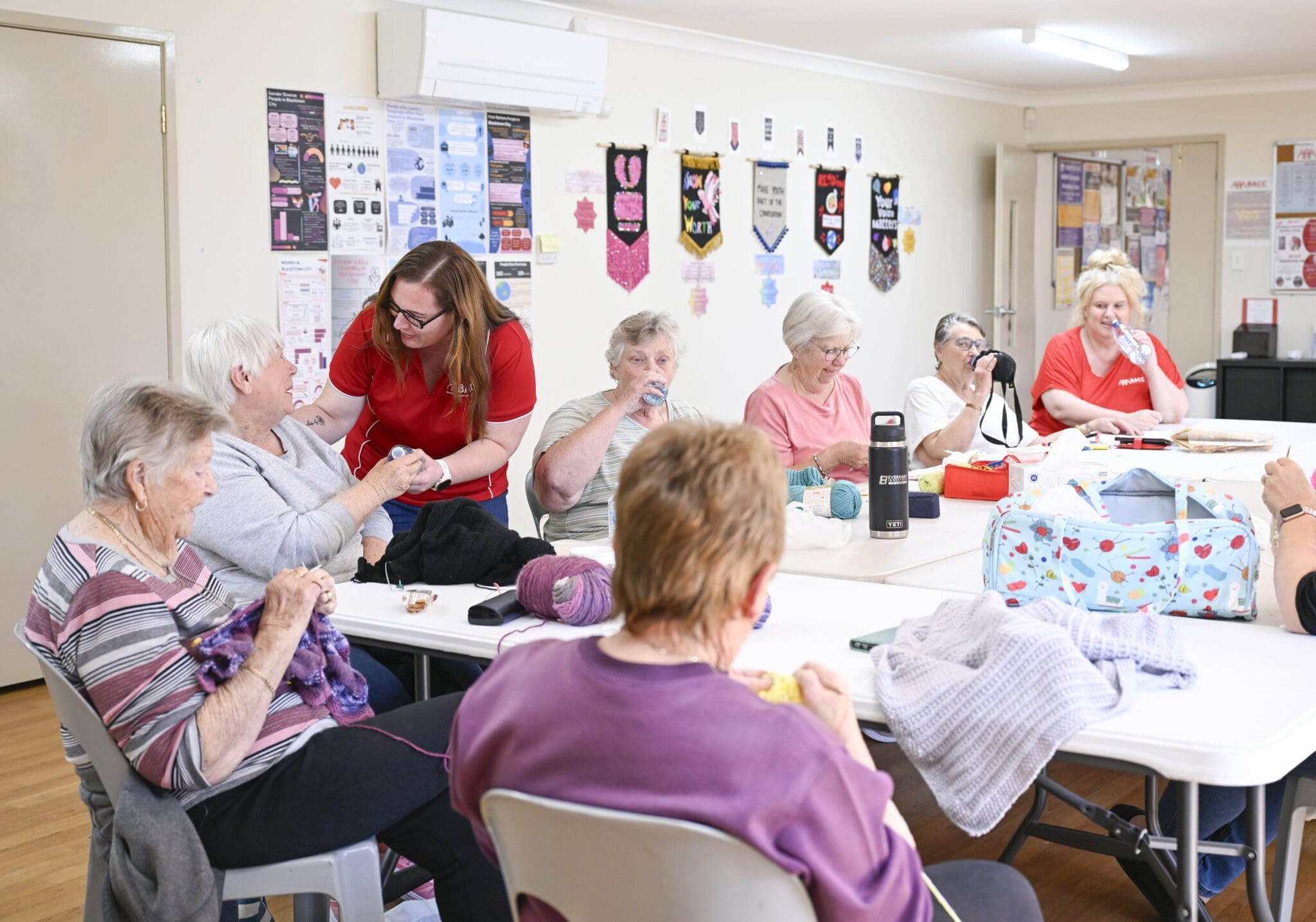
This past January, Australia recorded temperatures in the mid-40s Celsius, with urban centers bearing the brunt. Blacktown City Council in Western Sydney serves one of New South Wales’ largest and fastest-growing suburban areas, and one of the country’s most culturally diverse, with over 180 ethnic representations. Language barriers, lower rates of home air conditioning, and limited access to mainstream information channels mean a generic heat response leaves many residents behind. The council works through trusted local community networks to ensure cooling alerts reach those who need them most.
It has partnered with the Red Cross and local providers to establish Cool Centres, air-conditioned spaces open to anyone unable to stay cool at home. Recognizing their limits, Blacktown is now investing in existing facilities like the Max Webber Library, equipping them as heat refuges for sustained multi-day events. On the infrastructure side, the council has trialled reflective road surfaces and cool street interventions, and partnered with universities to benchmark heat across its urban landscapes.
Blacktown is also one of only a handful of councils voluntarily disclosing Nationally Determined Contributions (NDCs), and has developed the Turn Down the Heat and Heat Smart toolkits with the Western Sydney Regional Organisation of Councils (WSROC). This work aligns directly with the Beat the Heat Implementation Drive, launched at COP30 to accelerate sustainable cooling and heat resilience in cities worldwide.
A global framework for local action
The work of these cities does not happen in isolation. The Beat the Heat Implementation Drive, launched at COP30 as a joint initiative of the COP30 Presidency and the UNEP-led Cool Coalition with more than 80 partners, reflects a growing recognition that cities need not only political visibility, but also financing, technical capacity, and peer learning.
ICLEI is proud to be a partner in that effort, and equally proud of the Cooperation Agreement formalized with the International Federation of Red Cross and Red Crescent Societies (IFRC) at COP28 in December 2023. Focused on empowering communities and scaling climate action with particular attention to vulnerable groups, the partnership builds on years of joint work including Heat Action Plans across South Asia. It reflects a shared conviction that heat resilience requires both local government leadership and community-level reach.
As Gino van Begin, ICLEI Secretary General, has said: “Cities are often acting ahead of national policy, and ICLEI’s role is to ensure their efforts are connected, recognized, and resourced.”
Heat Action Day is an opportunity to recognize cities already rising to that challenge, and to renew the commitment to ensuring they do not do it alone.
Featured photo credit: ICLEI – Local Governments for Sustainability.


