How protecting migratory species built bridges between governments during COP15 in Brazil
So-called migratory species depend on a network of connected areas to survive – including breeding, feeding and resting sites. This mapping, a core part of the work carried out by biologists, scientists and biodiversity researchers around the world, takes on new meaning when something within this interconnected system starts to operate out of balance. Urban wetlands, mangroves, estuaries, municipal parks and coastal zones are all examples of habitats that are vital for migratory birds and marine species. But with the impacts of pollution, excessive artificial lighting and, as an added pressure, climate change, entire migratory routes can be disrupted.
It is in this context that Brazil hosted another COP (Conference of the Parties) not long after COP30 – this time under the umbrella of the CMS (Convention on the Conservation of Migratory Species of Wild Animals), and in Campo Grande, the capital of the state of Mato Grosso do Sul, which is home to a large part of one of the country’s most remarkable biomes: The Pantanal.
But that’s not all. The capital of Mato Grosso do Sul sits in a strategic transition zone between the Pantanal, the Cerrado and the Atlantic Forest. This highlights its ecological importance in conserving habitats for animals that rely on preserved and connected environments, and makes it a key location for a wide range of migratory species across South America.
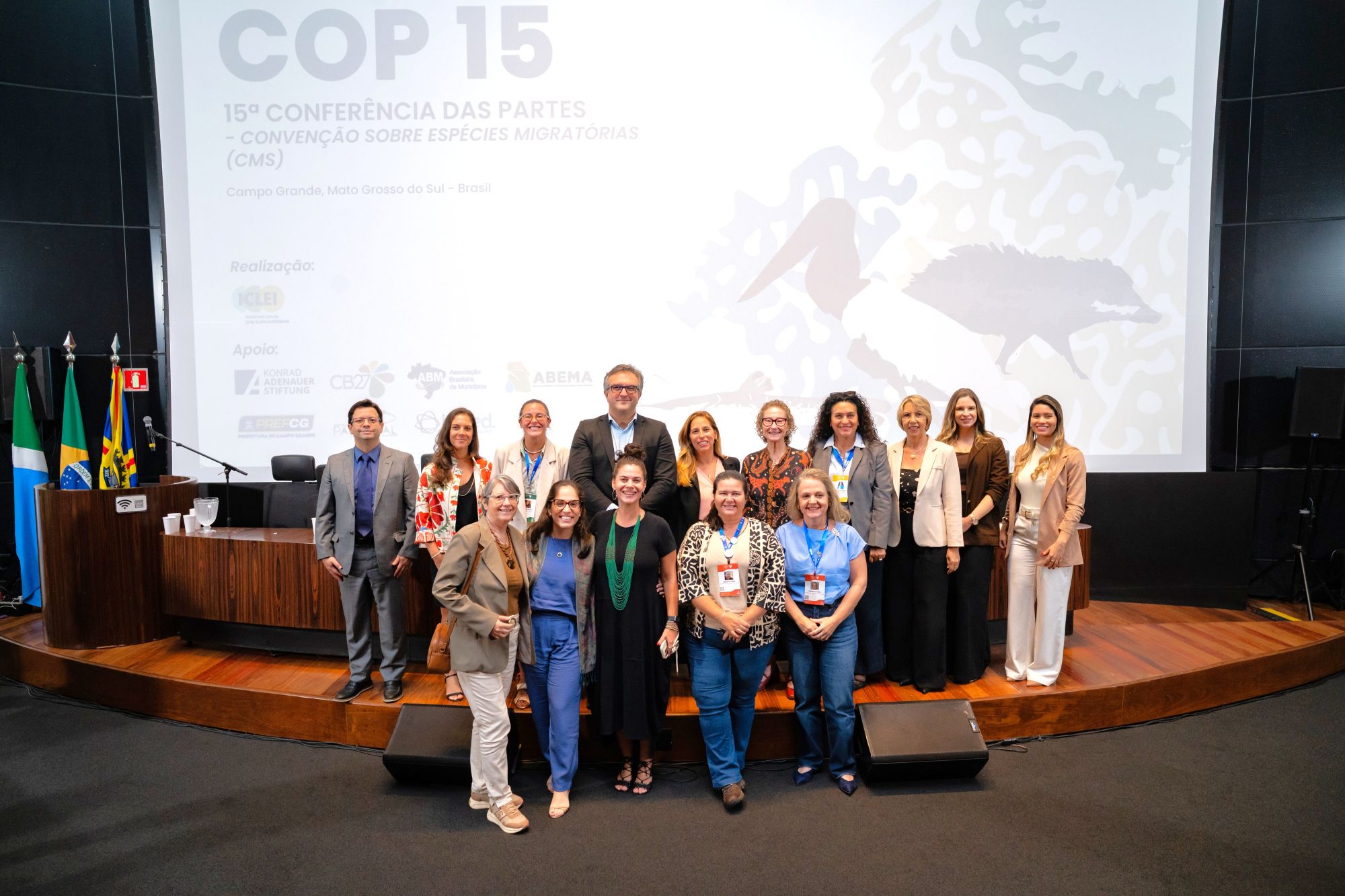
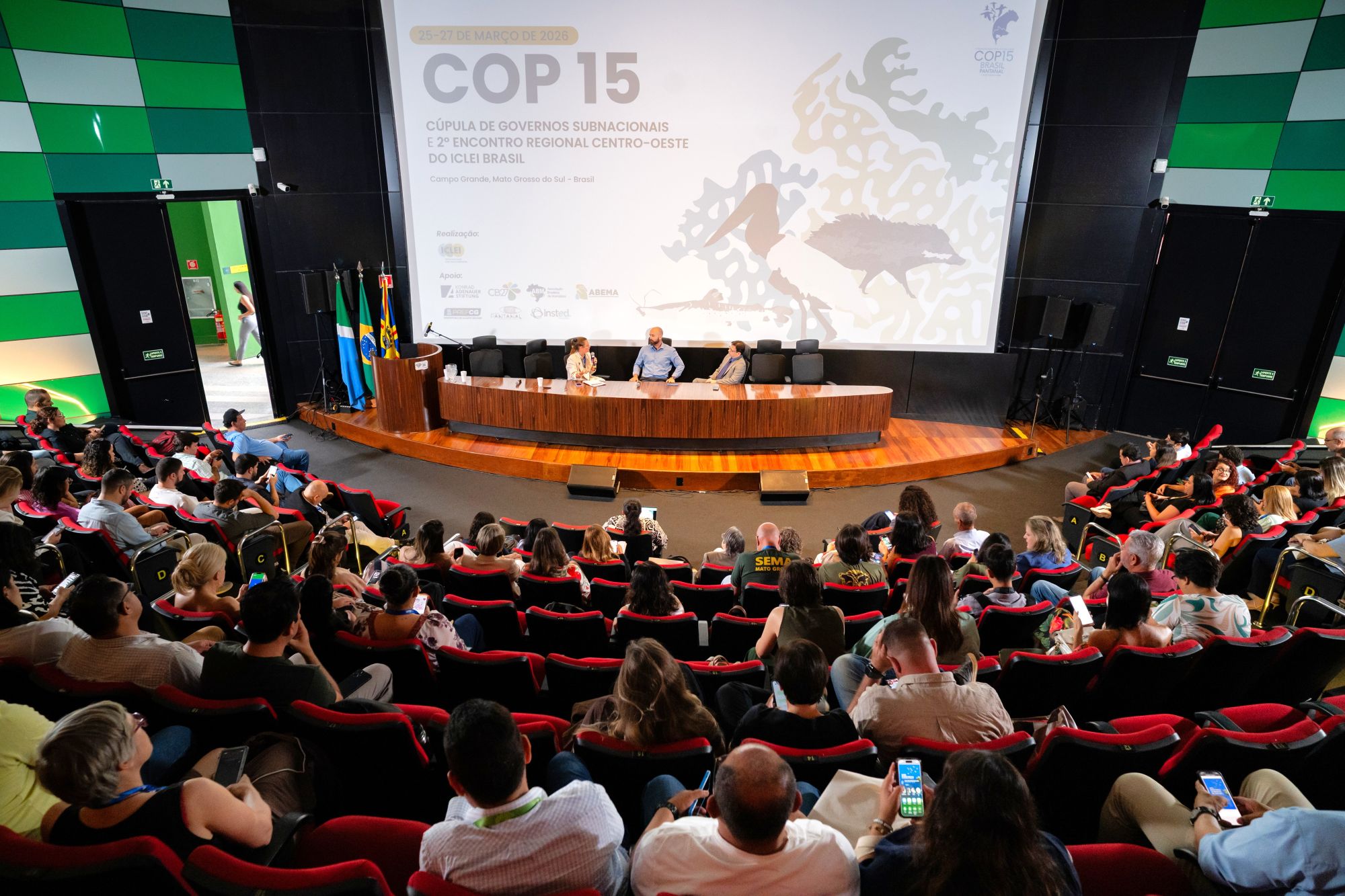
During COP15, ICLEI South America (SAMS) hosted three days of events on 25, 26 and 27 March, exploring the legacy of COP30 for the agenda and the road towards Biodiversity COP17, set to take place in Yerevan, Armenia, in the second half of the year. The discussions also spotlighted key challenges in advancing the biodiversity agenda at the local level – including access to funding information and the role of learning networks among local governments.
The program was supported by partners such as the Konrad Adenauer Foundation (KAS), the Forum of Environment Secretaries of Brazilian Capitals (CB27), the Municipality of Campo Grande, the Brazilian Association of State Environmental Entities (ABEMA), and the Brazilian Association of Municipalities (ABM). Together, they brought forward shared perspectives on the main challenges faced by municipalities and states in financing actions focused on migratory species, as well as how to design plans that fit diverse local operational contexts.
Protecting species happens on the ground
At first glance, COPs may seem like large international gatherings. However, representatives invited by ICLEI pointed out that while countries are responsible for negotiations, subnational governments play a crucial role in species conservation.
Cities, states and provinces are often responsible for managing protected areas, overseeing economic activities and implementing public policies that directly affect migratory species. In Brazil, local governments are seeking practical ways to turn biodiversity plans and maps into real action that benefits regional species.
On the financing front, there is a two-way dynamic. Cecília Guerra, principal executive for Climate Action and Biodiversity at the Development Bank of Latin America (CAF), highlighted the challenges the bank faces in financing smaller municipalities – both due to limited direct access to resources and the lack of sufficiently mature projects.
In this sense, the importance of facilitators was emphasised – especially in a country of continental scale like Brazil, where some municipalities are well-structured while others operate with lean teams still searching for collaborative conservation opportunities. Projects supported by ICLEI are key in this regard, Cecília noted, as even smaller cities, when given access to the right information, can tap into available resources and properly structure their initiatives.
Projects such as NBCities – Nature-Based Cities, implemented in Belém, and the training sessions under the Strengthening Capacities programme, carried out within the Amazon Cities Forum (FCA), implemented by ICLEI South America with technical and financial support from the Inter-American Development Bank (IDB), were highlighted as strategic ICLEI efforts that have real, on-the-ground impacts on how cities implement conservation projects.
Collaborative ties among local governments
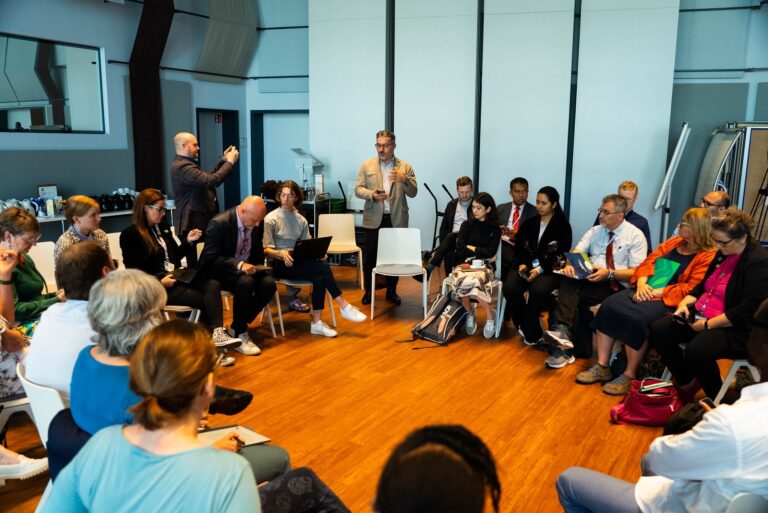
ICLEI’s work in spreading best practices that can reshape species conservation across Brazilian cities goes beyond project implementation. The 2nd Central-West Regional Meeting of ICLEI Brazil, held during COP15, showed how these spaces are key to identifying common ground even across Brazil’s diverse biomes.
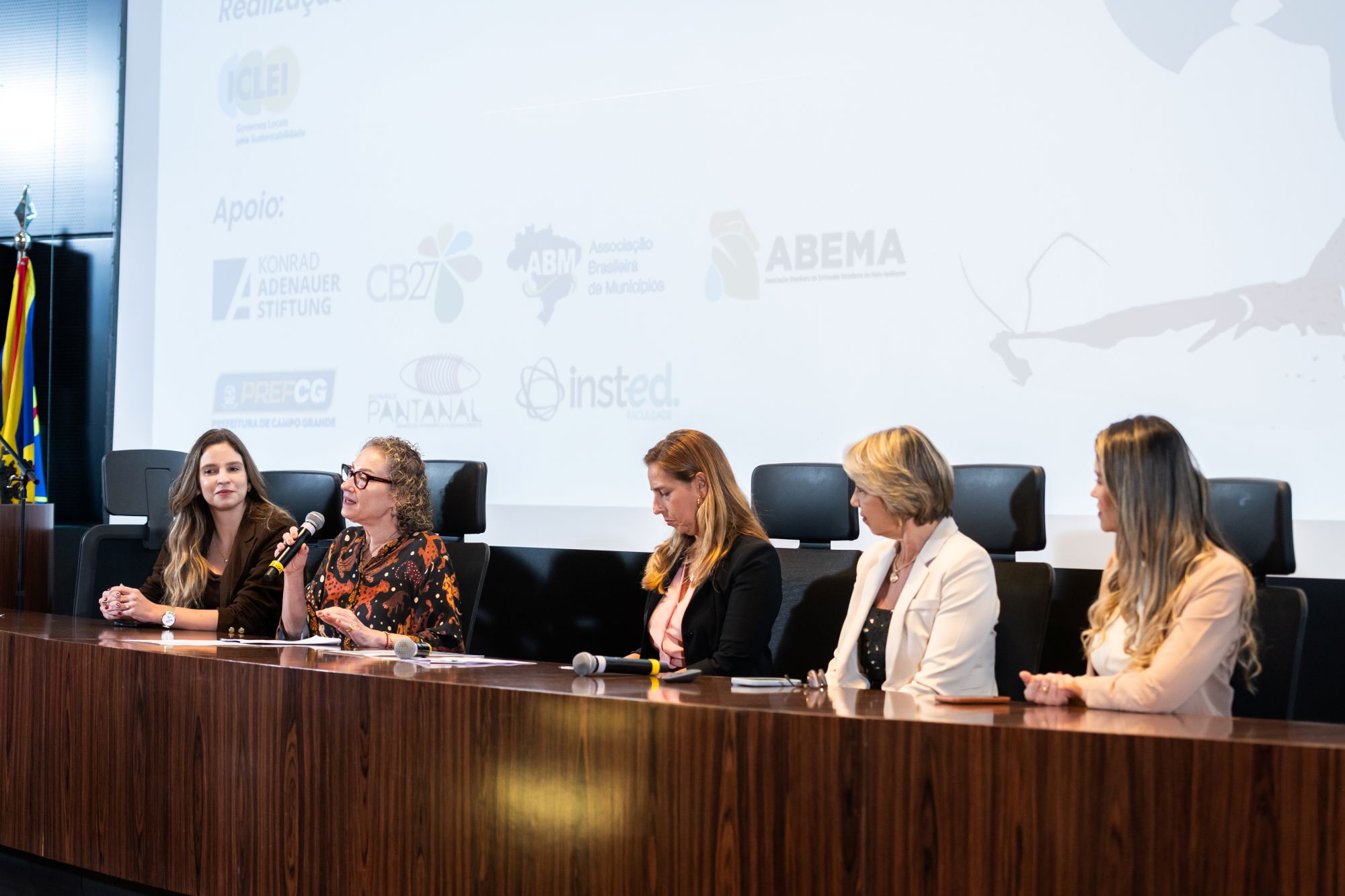
For Rodrigo Corradi, director of ICLEI Brazil, the country’s capital cities are not only sources of effective solutions but also of inspiration for one another. During the event, examples emerged from sessions such as the CB27 Forum, ranging from the creation of new protected areas in the Cerrado of Mato Grosso, which also includes parts of the Pantanal, to green ecological corridors in the parks of Belém, capital of Pará, which hosted COP30 just months earlier.
These collaborative links also expanded between ICLEI South America and ICLEI Africa through new signatories to Journeys for Life, a global initiative led by the ICLEI Cities Biodiversity Center that celebrates and showcases the vital role of cities and regions located along migratory routes, flyways and marine corridors. A number of Brazilian local governments have joined the initiative, including the cities of Porto Alegre (RS), Florianópolis (SC), São Lourenço do Sul (RS) and Campo Grande (MS), as well as the states of Paraná and Rio Grande do Sul. More information about the work of Journeys for Life can be found here, along with details on the participation of the ICLEI Cities Biodiversity Center at COP15 in this post.

Theory and practice side by side at COP15
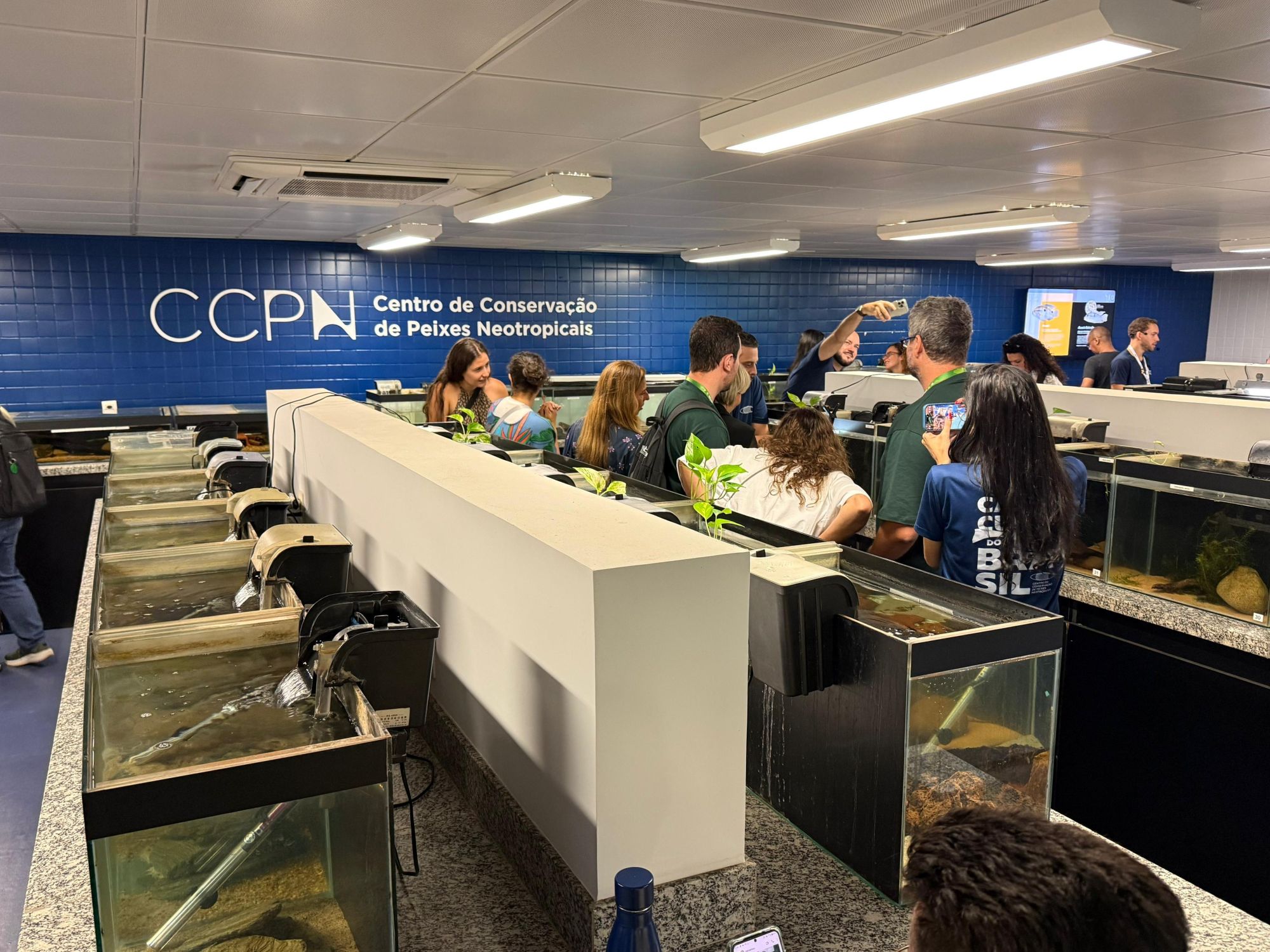
There was no shortage of examples across the COP pavilions showcasing the Pantanal’s rich biodiversity – but one stood out for being too close not to visit. Around 15 local representatives had the opportunity to explore the Bioparque Pantanal, whose auditorium had hosted the meeting the day before, through an exclusive behind-the-scenes tour of the largest freshwater aquarium circuit in the world.
Managed by the Government of Mato Grosso do Sul, the Bioparque employs over 100 staff, operates with 24-hour monitoring, features an energy-efficient system, and has a monthly cost of around R$1.3 million. Among its more than 45,000 animals from over 400 species – most of them fish – visitors were able to learn about the preparation of food for tortoises and caimans, guided by Bioparque’s director Maria Fernanda Balestieri.
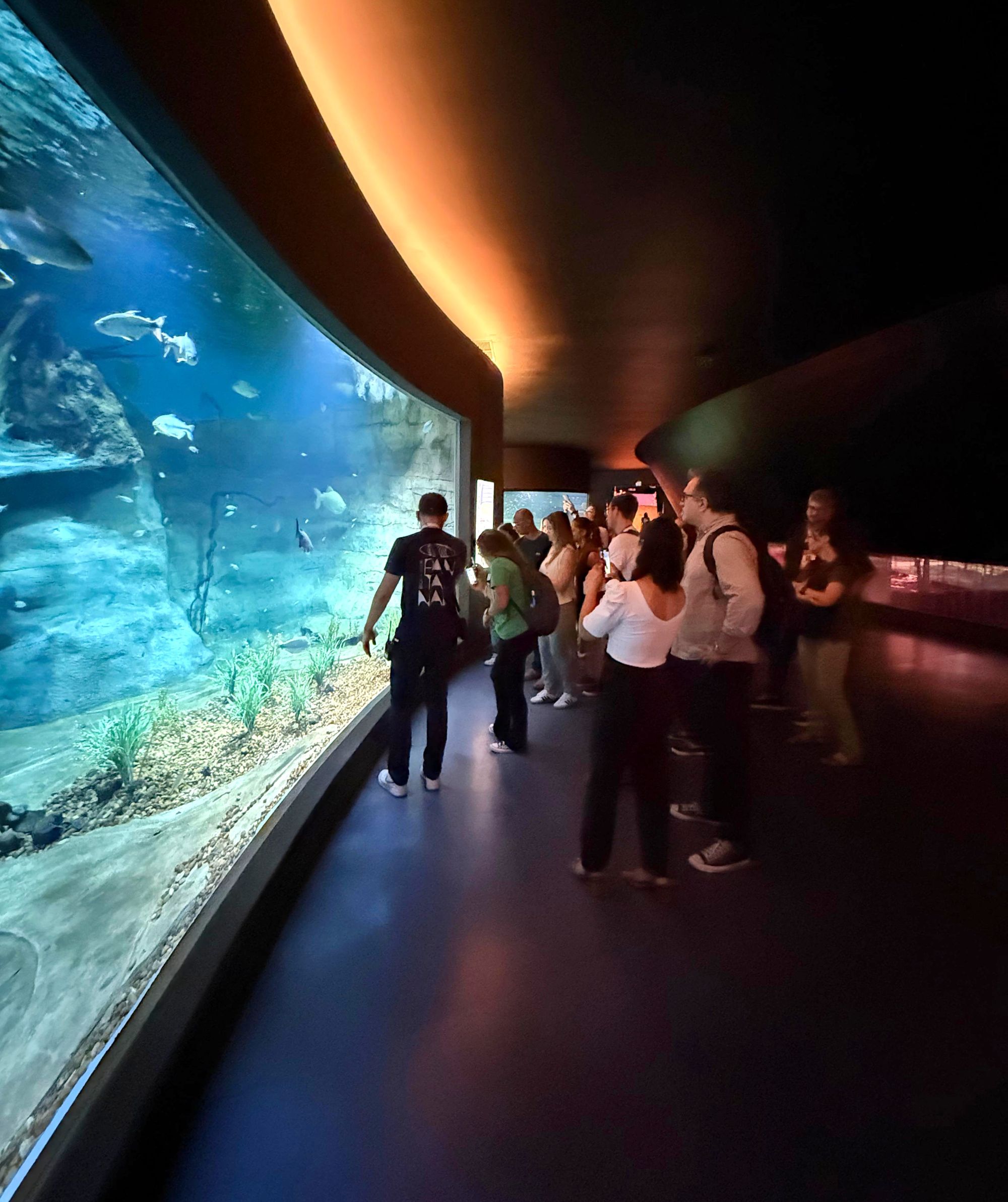
These figures reflect a daily commitment that often goes unnoticed, even within Brazil, and which is directly connected to the behind-the-scenes work carried out by municipalities and governments to ensure that COP commitments do not remain on paper. From ICLEI’s side, the numbers point to more than 100 participants over three days, listening to 20 panellists, representing seven Brazilian states and three capital cities, discuss how to turn COP commitments into immediate action for the protection of migratory species – including one of the country’s most iconic symbols, the jaguar.
By the end of this COP, the CMS had added 40 more protected species, 16 new international cooperation actions, and 39 resolutions to be adopted by its 132 member countries, along with the European Union. Ultimately, it is through on-the-ground implementation that these resolutions will have a real impact on biodiversity and the protection of migratory animals.