Before the next crisis hits: Why women’s leadership matters in climate risk management
While climate risks affect entire communities, their impacts are not felt equally. When a natural disaster hits, women are 14 times more likely to die in the aftermath. And when people are displaced by climate change impacts, women make up 80% of the share.
These grim realities are unfolding as cities worldwide make decisions on how to confront the effects of climate change through policy, investments and decision-making around building resilience.
“Women often bear disproportionate impacts due to structural inequalities, including unequal access to economic resources, education, and decision-making power, which hinder their ability to recover after-the-fact,” says Vitória Passos, Risk and Urban Resilience manager at the Municipality of Recife, Brazil.
She adds, “At the same time, women play a critical role in building community resilience, contributing to disaster preparedness, community response, and long-term recovery, often serving as first responders, caregivers, and informal leaders within their communities.”
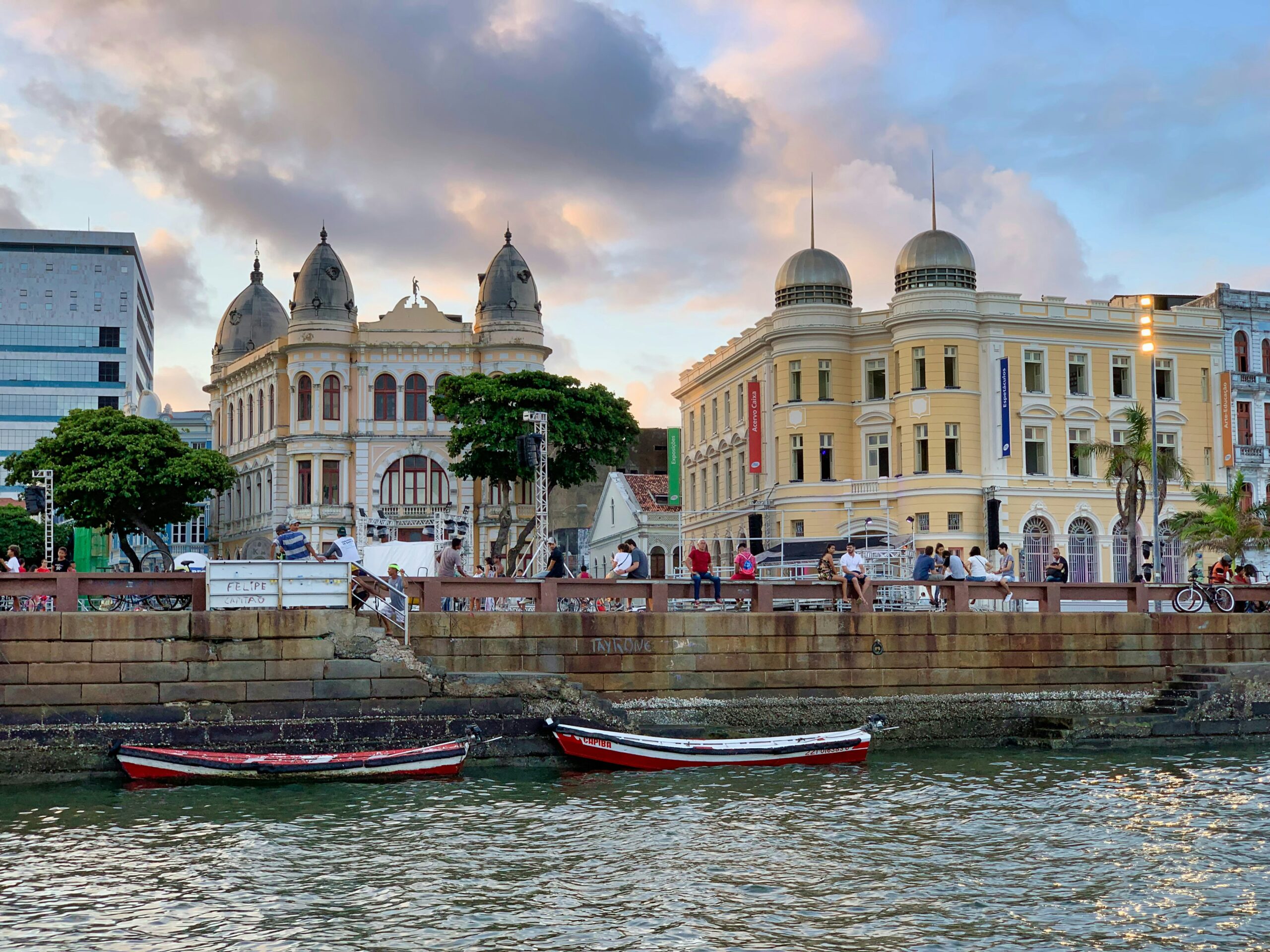
The effects of climate change are particularly visible in Brazil. Given its continental dimensions and complex ecosystems, it is one of the countries most vulnerable to climate-related disasters, from floods in the South to droughts in the Amazon region. Recife, the capital of the northeastern state of Pernambuco, ranks as the 16th most vulnerable city in the world to climate change, in both its formal and informal settlements.
Within this context, local leadership becomes critical. Through Passos’ leadership within NUPDEC Mulheres, Recife’s pioneering initiative which trains women community leaders in high-risk, flood-prone areas, and her engagement with ICLEI’s Urban Infrastructure Insurance Facility (UIIF) project, she has seen firsthand how gender-responsive approaches to climate risk management are not only necessary, but already emerging from within communities themselves.
She says, “Women are already there. They are already thinking about climate change and its impacts. They are already working on that. The question is: How can we support them to do it better, with more capacity, with more resilience?”
In Recife, women turn disaster into leadership
In May 2022, torrential rains battered Northeastern Brazil. Floodwaters surged through neighbourhoods in Recife, triggering landslides, damaging more than 50,000 properties and leaving 3,500 people homeless in Recife. Entire communities were displaced within hours.
As the waters receded, another pattern became visible to Vitória Passos: The gendered dimensions of the crisis, in both exposure and response, were unmistakable.
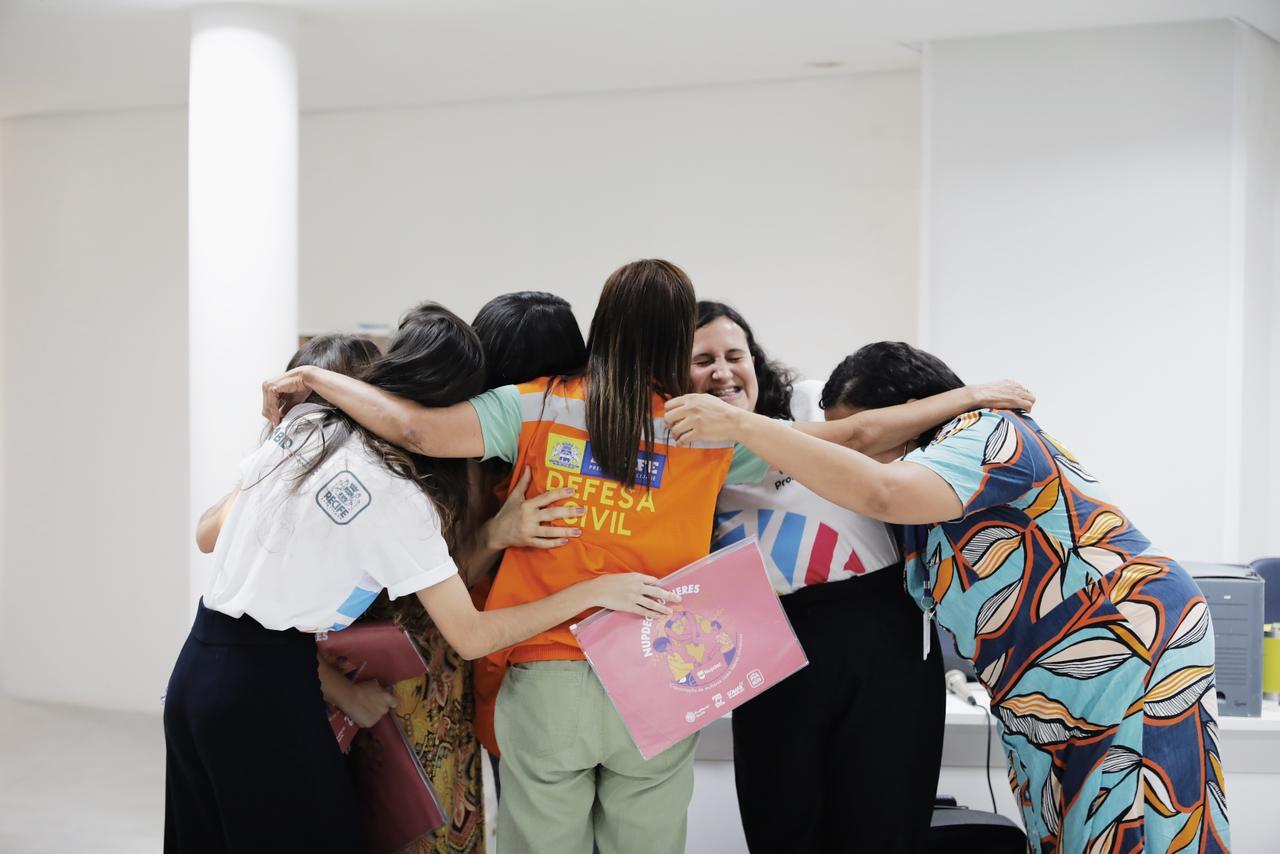
“We saw women being responsible for protecting their families,” she recalls. “They need to work, to organize, to leave the house. In shelters, the women are always there, taking care of the old people of the family and the children.” These responsibilities, that often go unrecognized, mean that women carry a disproportionate burden during climate emergencies. Bridging these inequalities, in 2023 Recife implemented NUPDEC Mulheres, a program designed by women for women, grounded in their lived experiences during climate emergencies.
NUPDEC Mulheres, part of ProMorar Recife, a municipal program focused on upgrading vulnerable communities, is a trail-blazing initiative in Brazil, as it is the first disaster response training to be directly aimed at women, with the objective of integrating them into the Civil Protection and Defense System of Recife. This means participants are formally recognized within Recife’s disaster preparedness and response system, not merely informal actors, but active contributors to planning and risk governance.
The initiative combines theory and hands-on practice, with training delivered directly in participants’ neighborhoods on first aid, climate change and resilience, safe housing, and social mapping. Women also lead emergency simulations, developing locally adapted evacuation routes and response strategies. To ensure broad participation, the program also provides logistical support such as transportation and child-friendly spaces.
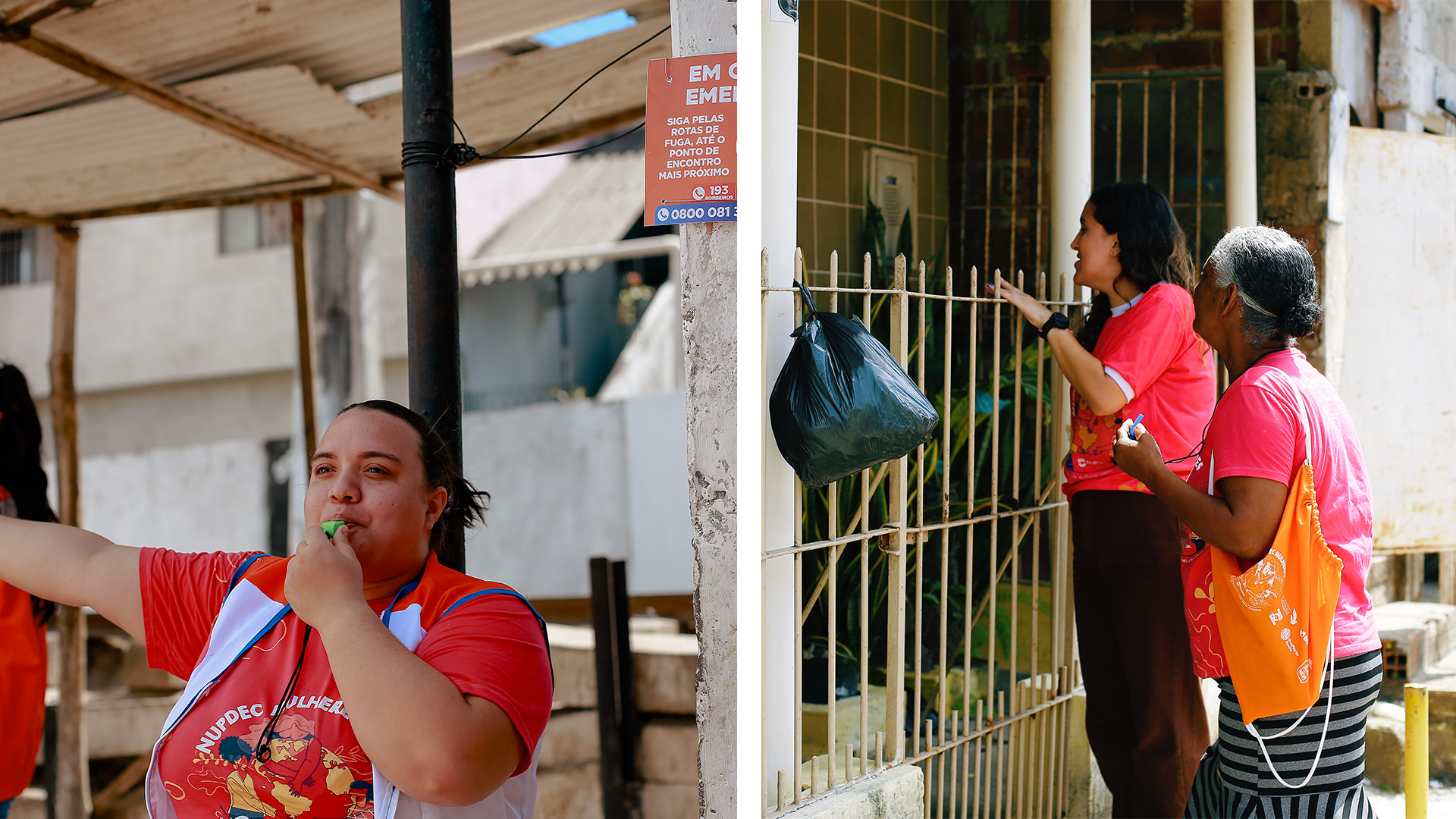
Its impact has gone beyond skills development. As Vitória notes, “After the trainings, we saw a real shift; they are now recognized within their communities. These women are leaders.”
Since 2023, more than 100 women have been trained through NUPDEC Mulheres, alongside broader gender and disaster trainings offered to all community members. The program has strengthened community support networks, expanded women’s participation in decision-making spaces, and increased institutional recognition of gender-responsive disaster risk management.
“It is not only about training women, but about raising awareness, fostering a collective recognition of women as climate leaders,” Vitória reflects.
Financing inclusive resilience beyond the emergency
“Especially in Latin America, when I think about climate resilience, I think about how much still needs to be done and the constraints we face,” says Vitória Passos. “In the public sector, we often have to focus on what is most urgent. And sometimes the urgent priority is simply saving lives during extreme events.”
This urgency, she explains, can crowd out longer-term, inclusive planning and policy-making. Women, children, and people with disabilities are too often considered only after disasters strike, rather than through preventive, risk-informed policies.
For Vitória, initiatives like ICLEI’s Urban Infrastructure Insurance Facility (UIIF) offer a way to change this pattern.
By enabling cities to assess risk preventively, and using financing instruments that enhance resilience by protecting cities’ critical infrastructure and residents, UIIF opens up space and financial capacity to integrate gender considerations into risk management and public investment decisions.
“When you’re thinking about financial matters, having a program like UIIF, I think that could be something that can change the way that we plan things, not anymore in this response way, but also by prevention. We can plan, not only for five years, but we can go further,” she explains.
Vitória also highlights the value of knowledge-exchange. Through UIIF, participating cities in Brazil, Argentina and across Latin America and the Caribbean can connect and strengthen collective learning. “We can meet, we can connect with other cities, and we can share what we are learning,” she adds.
Empowering youth in climate action
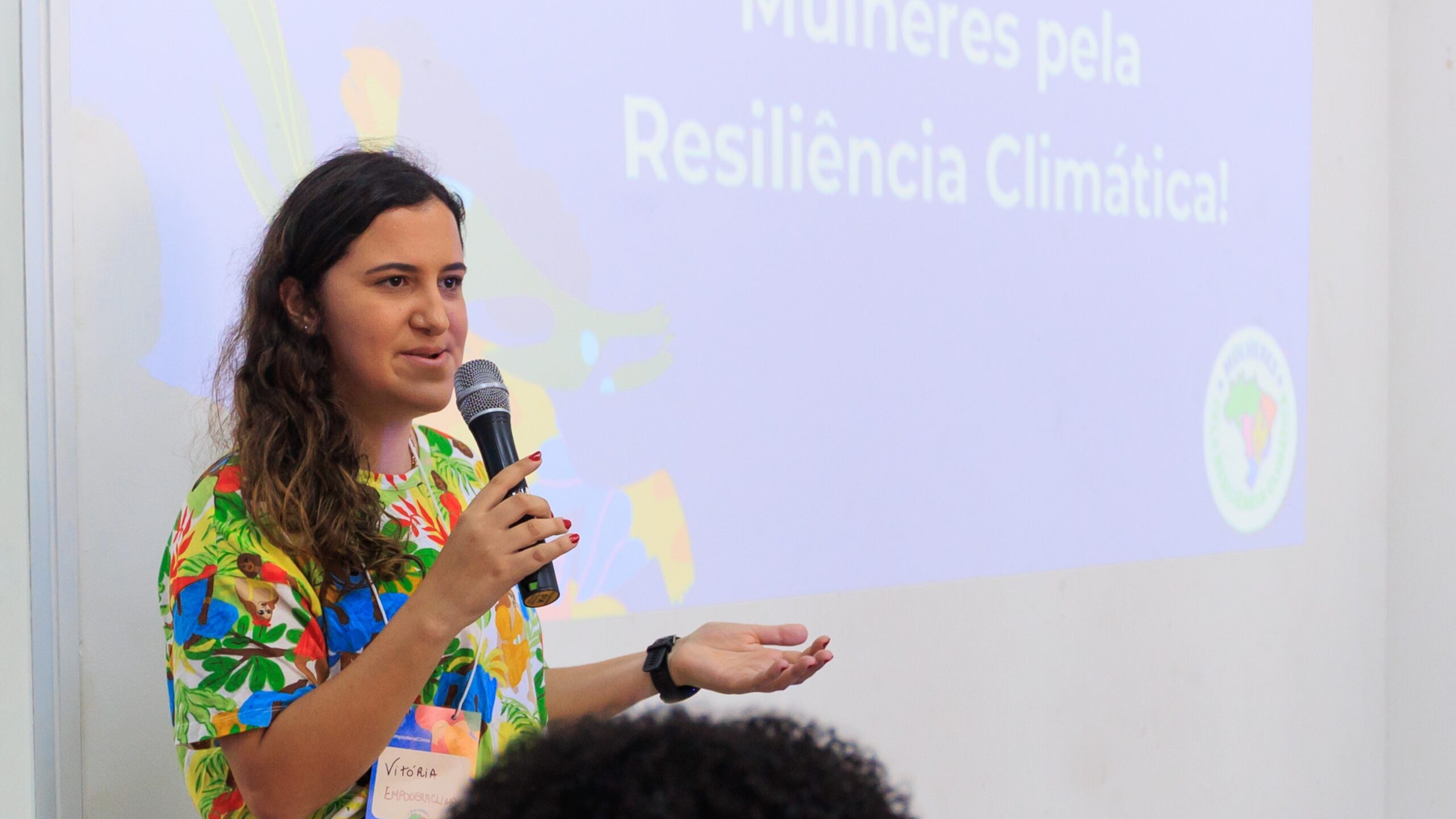
Vitória’s work on gender and climate resilience also extends beyond Recife’s municipality. Since 2024, she has been a volunteer project manager with EmpoderaClima, a Brazilian NGO focused on climate education for young people, and especially women. EmpoderaClima empowers girls in the Global South through climate education, advocacy, capacity-building and educational materials.
“The main goal was to train women who were already leaders in their communities, so they could improve the capacity of responding better to disasters,” she says, talking about Mulheres pela Resiliência Climática (Women for Climate Resilience), an initiative spanning several regions across Brazil.
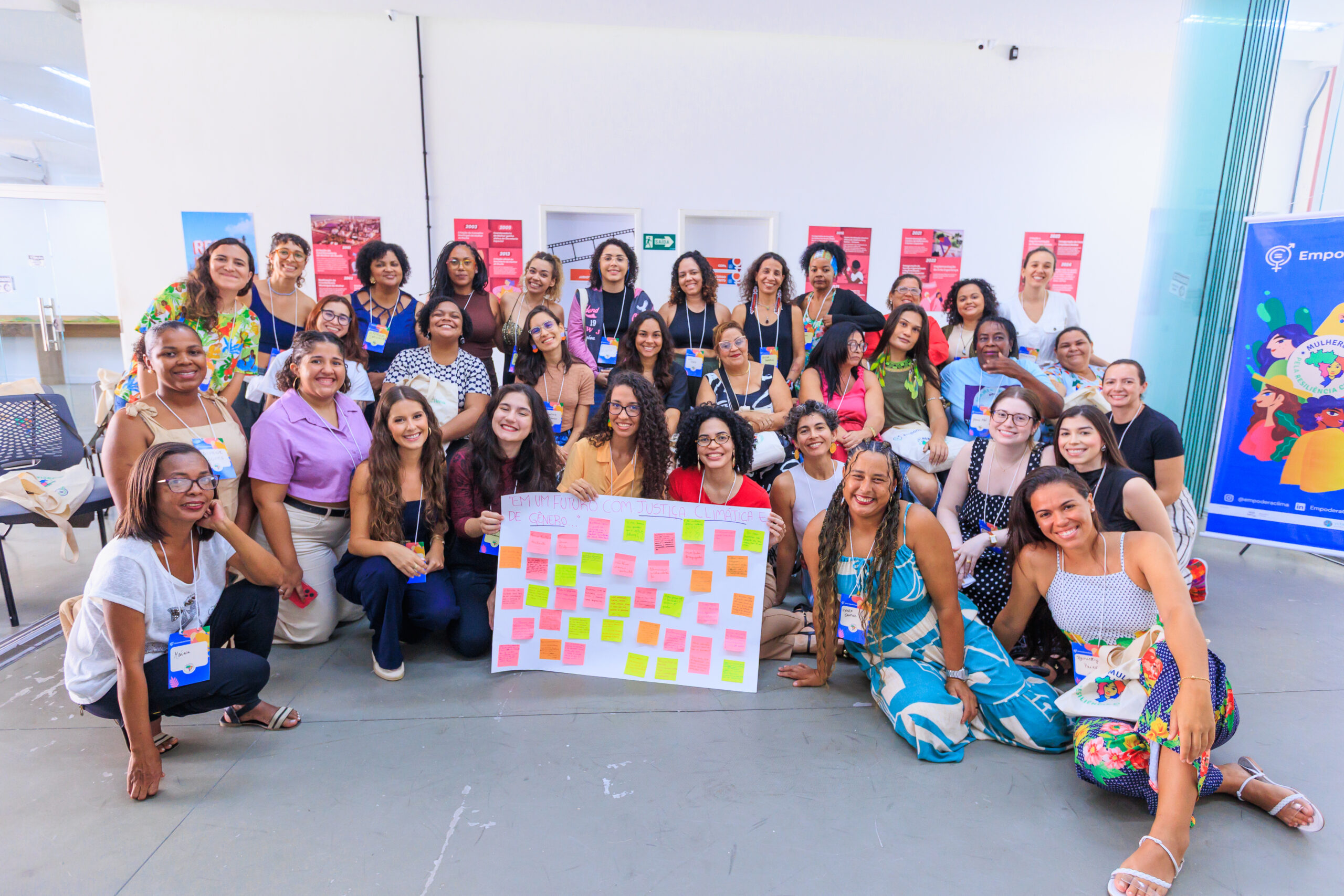
EmpoderaClima’s focus on young women is intentional. “We saw a lack of education, especially in Latin America,” she explains. “So, how can we face climate change and take action? We need to raise awareness about it, we need to work with education. Let’s train young women. Let’s do capacity-building work.”
Through education, empowerment, and participation in international spaces – such as at climate COP delegations – many participants have also expanded their ambitions and gained the confidence to work in international climate policy, or pursue studies abroad.
How can local governments take action locally?
Gender-responsive climate resilience is already in action, daily – yet the efforts of women worldwide have long gone unrecognized. From community-level disaster preparedness, to youth climate education and inclusive resilience planning, Vitória Passos’ work exemplifies how communities become stronger and more resilient when women are supported as leaders.
Asked what advice she would give to women who want to engage in climate resilience but don’t know where to start, her answer was: “Start believing in yourself. Look for information, look for NGOs, look for people in your community. You are not alone.”
And if no space exists yet? “Try to be the one who starts this movement. Just go.”
*Featured image © Brenda Alcântara