
African enterprises bet on circularity to reshape food systems
This blog was written by Paola Castañeda Rodriguez, with contributions from Selina Emmanuel and edited by Matteo Bizzotto, from ICLEI World Secretariat. It originally appeared on the AfriFOODlinks website.
Across many African cities, a quiet transformation is underway. From Cape Town (South Africa) to Kisumu (Kenya), from Tunis (Tunisia) to Mbale (Uganda), food entrepreneurs across the coffee, fisheries, poultry, and dairy sectors are reshaping how food is produced, packaged, reused, and valued.
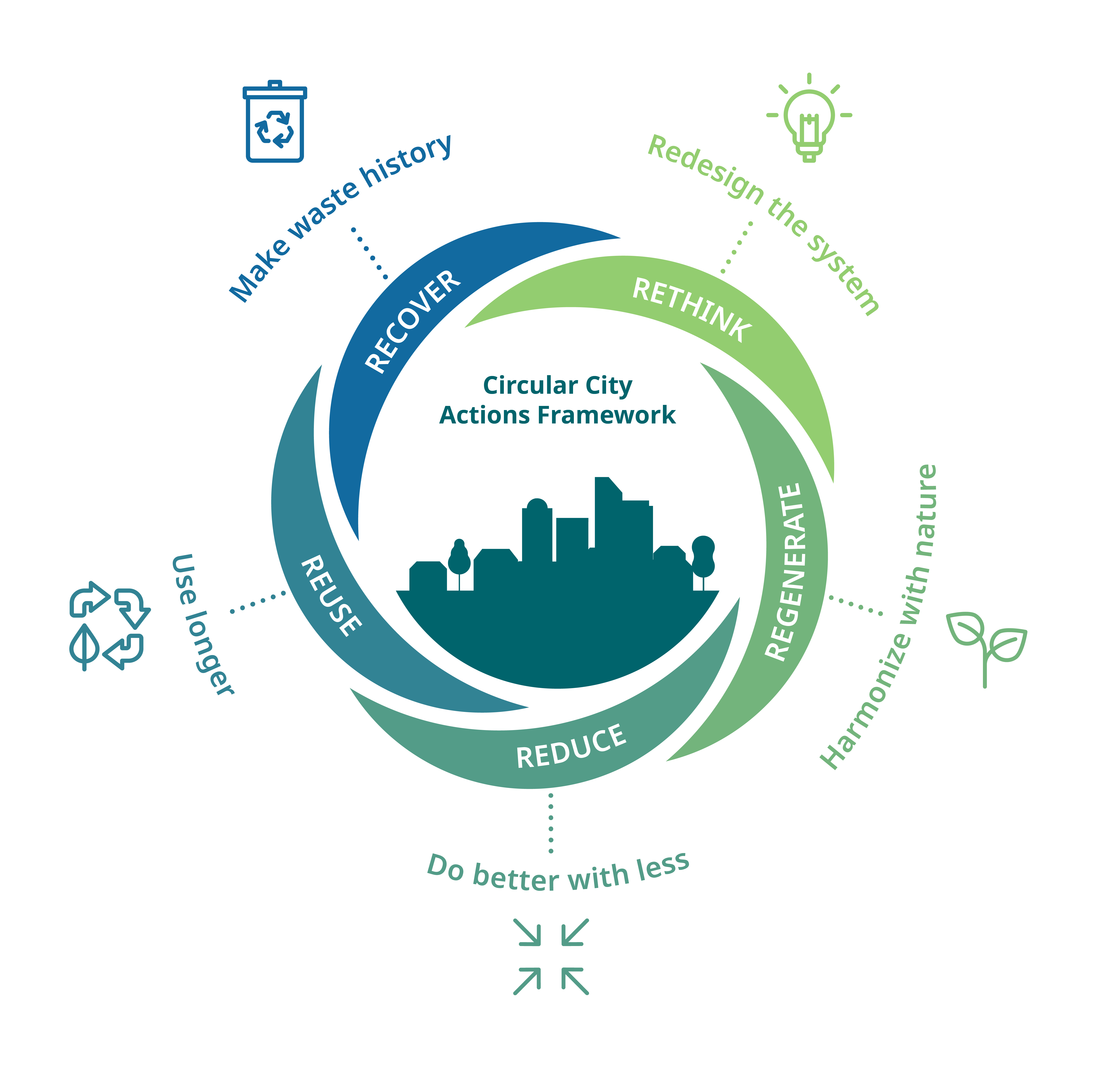
Throughout 2025, selected African small and medium enterprises (SMEs) active in the food sector have taken part in a six-session learning journey to help build more resilient urban food systems. Guided by the AfriFOODlinks Circularity & Inclusivity Business Coaching Program, the journey was anchored in ICLEI’s Circular City Actions Framework which was developed in collaboration with the Ellen MacArthur Foundation. This framework introduces practical strategies to advance circular development. Each session focused on one of the framework’s five “Rs”: Rethink, Regenerate, Reuse, Reduce, and Recover.
Beginning the journey: Naming the challenge, seeing the opportunities
Today’s food system is resource-intensive, wasteful, and vulnerable to shocks. As Henrietta Goddard, Project Manager from the Ellen MacArthur Foundation Food Initiative, puts it: “We take resources out of the ground, use them once, and waste the rest. That system is no longer viable.”
Most food businesses still operate within a linear “take–make–waste” model that relies on finite resources and degrades ecosystems. The circular economy offers an alternative approach that seeks to eliminate waste and pollution, keep materials circulating at their highest value, and regenerate natural systems.
In practice, circular food systems prioritize regenerative production, better use of diverse and underutilized ingredients, and the elimination or reuse of packaging. These principles are strengthened by systems that are distributed, diverse, and inclusive.
To support this transition, the ICLEI Circular City Actions Framework provides a clear pathway built around five complementary actions:
- “Regenerate” focuses on working with nature through practices such as regenerative agriculture.
- “Reduce” emphasizes minimizing material use and inefficiencies, including through optimized logistics and reduced packaging.
- “Reuse” promotes extending the lifespan of products and assets through reusable systems.
- “Recover” addresses waste by turning organic residues into valuable inputs, such as compost, animal feed, or energy.
- Finally, “Rethink” challenges actors to redesign value chains and business models through partnerships that close material loops.
Importantly, Africa is not starting from zero. Across the continent, food SMEs are already applying these approaches in practice, offering concrete entry points for learning, action, and scale-up.
Regenerate: Returning to the soil and restoring what sustains us
The Regenerate session brought SMEs back to the foundation of circular food systems: healthy soils, resilient ecosystems, and farming practices that work with nature rather than exploit it.
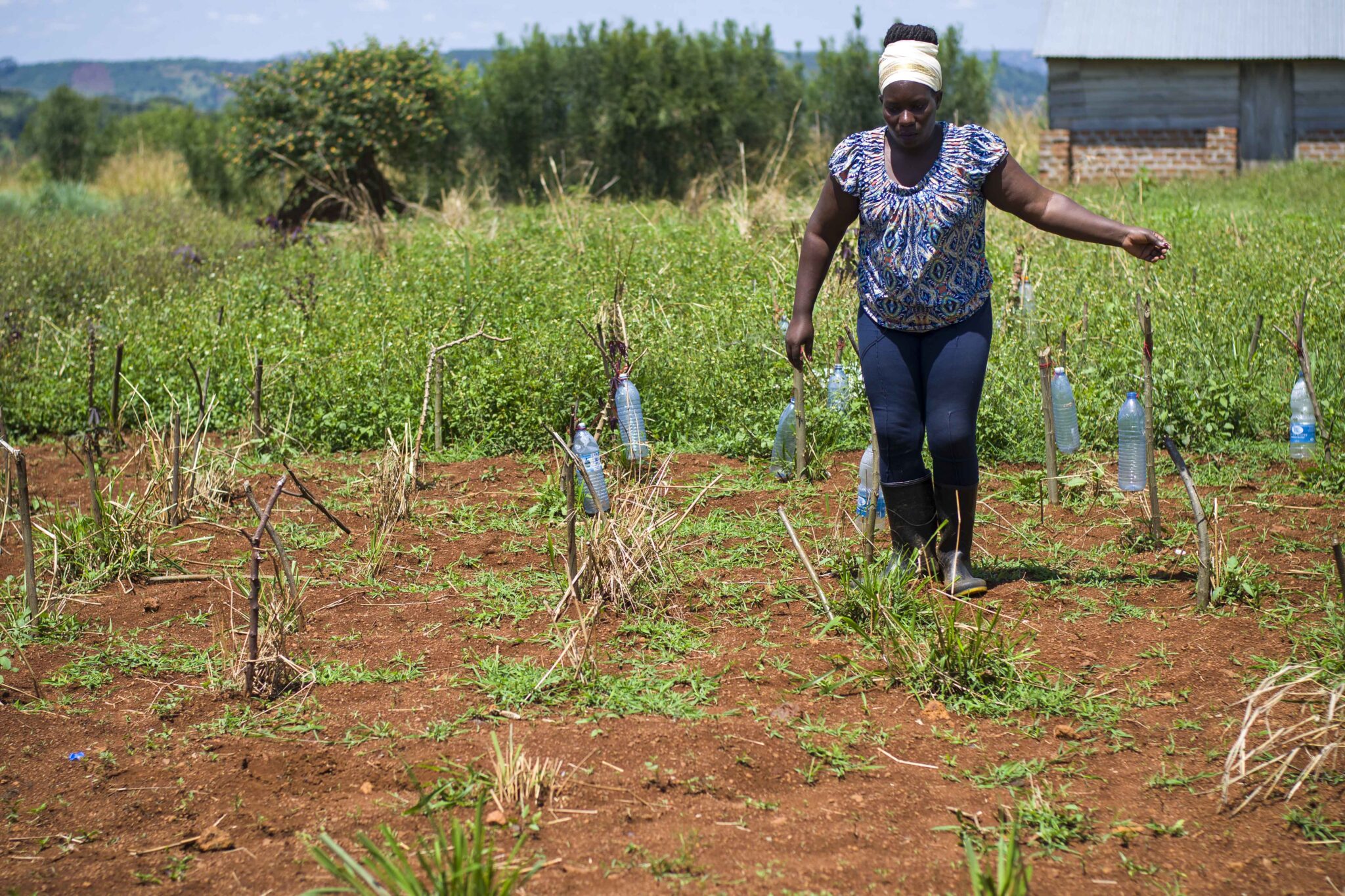
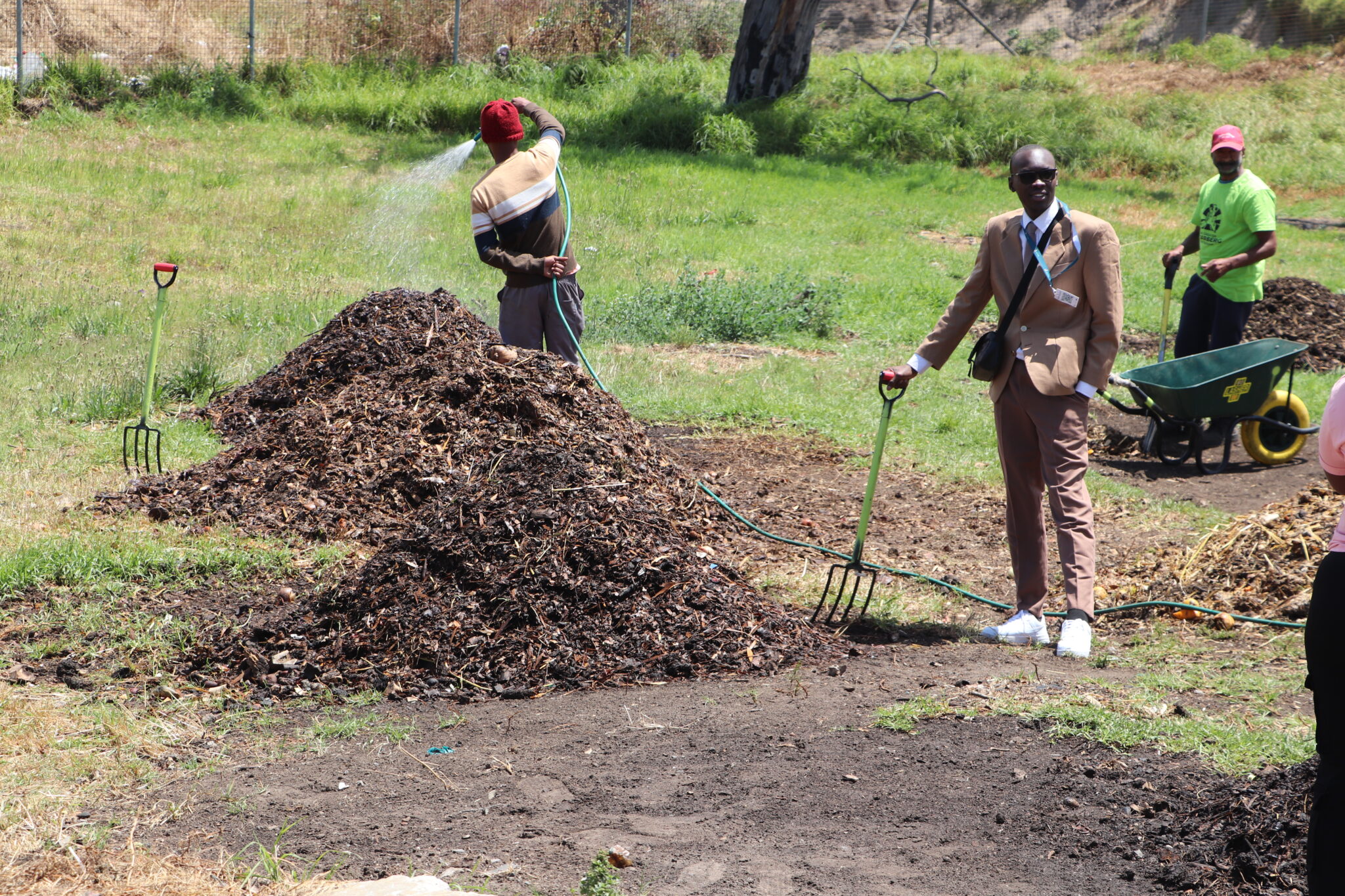
Participants explored how organic inputs, agricultural residues, and food by-products can be transformed into compost, natural fertilizers, biogas, animal feed, and oils instead of becoming waste. The session also highlighted regenerative farming techniques such as intercropping, mulching, and the use of nitrogen-fixing plants. These practices improve land productivity, reduce climate and pest risks, and restore soil fertility without requiring costly or high-tech solutions. In many cases, they reflect affordable approaches that African farmers have used for generations.
Reduce: Doing better with what we already have
The Reduce session encouraged SMEs to look inward and examine how resources flow within their operations, from raw materials to energy and water use, where even small changes can deliver significant savings.
Wekesa Zablon, Chapter Lead for Kenya at the African Circular Economy Network, shared examples from Kenya showing how organic waste is being converted into high-value regenerative products, including organic fertilizers and biomass briquettes. These cases reinforced the idea that waste can be a valuable resource.
Dr. Sarah White-Reynolds, Director of Utilities of Consulting Services (UCS), presented the case of a hotel that reduced its hot water energy load from 70% to 25% using heat pumps, while a poultry farm lowered costs through lighting retrofits and biodigesters. “Start with low-cost actions, fix procedures, train staff, and measure everything. Small steps add up,” she advised. SMEs also shared innovations such as using rice husk waste for biochar or exploring husk-powered dryers, showing how efficiency gains often open the door to new circular opportunities.
Reuse: Shifting from single-use to reusable systems
With packaging costs rising and waste management systems under strain, reusable models are gaining momentum globally, and Africa is no exception. As François Charlie, Co-founder of In-Off Plastic, noted, “Reusable packaging becomes cheaper than single-use in as little as three years.”
In South Africa’s Alexandra township, Gcwalisa has built refill-based retail models that enable households to purchase everyday essentials in durable, reusable containers for a small deposit. Through QR-coded bottles, cashback rewards, and community ambassadors, Gcwalisa has turned reuse into a practical and aspirational system that truly works for low-income residents. Josephine Katumba, Head of Operations at Gcwalisa, explained: “People want to do the right thing. Incentives make it possible”
In Cape Town, Nude Foods – Africa’s first fully plastic-free grocery store – has woven reuse into the heart of its operations. Suppliers deliver products, such as washing soap, detergent, and cooking oils, in sturdy 25L reusable buckets that last up to ten years, quietly eliminating vast amounts of single-use packaging. Founder Paul Rubin captured this invisible impact well: “Customers don’t always see the reuse system, but they see the results.”
Recover: Transforming “waste” into new value streams
The Recover session expanded the cohort’s understanding of circularity by exploring composting, insect farming, biochar, and biogas, highlighting how food waste can support entirely new value chains.
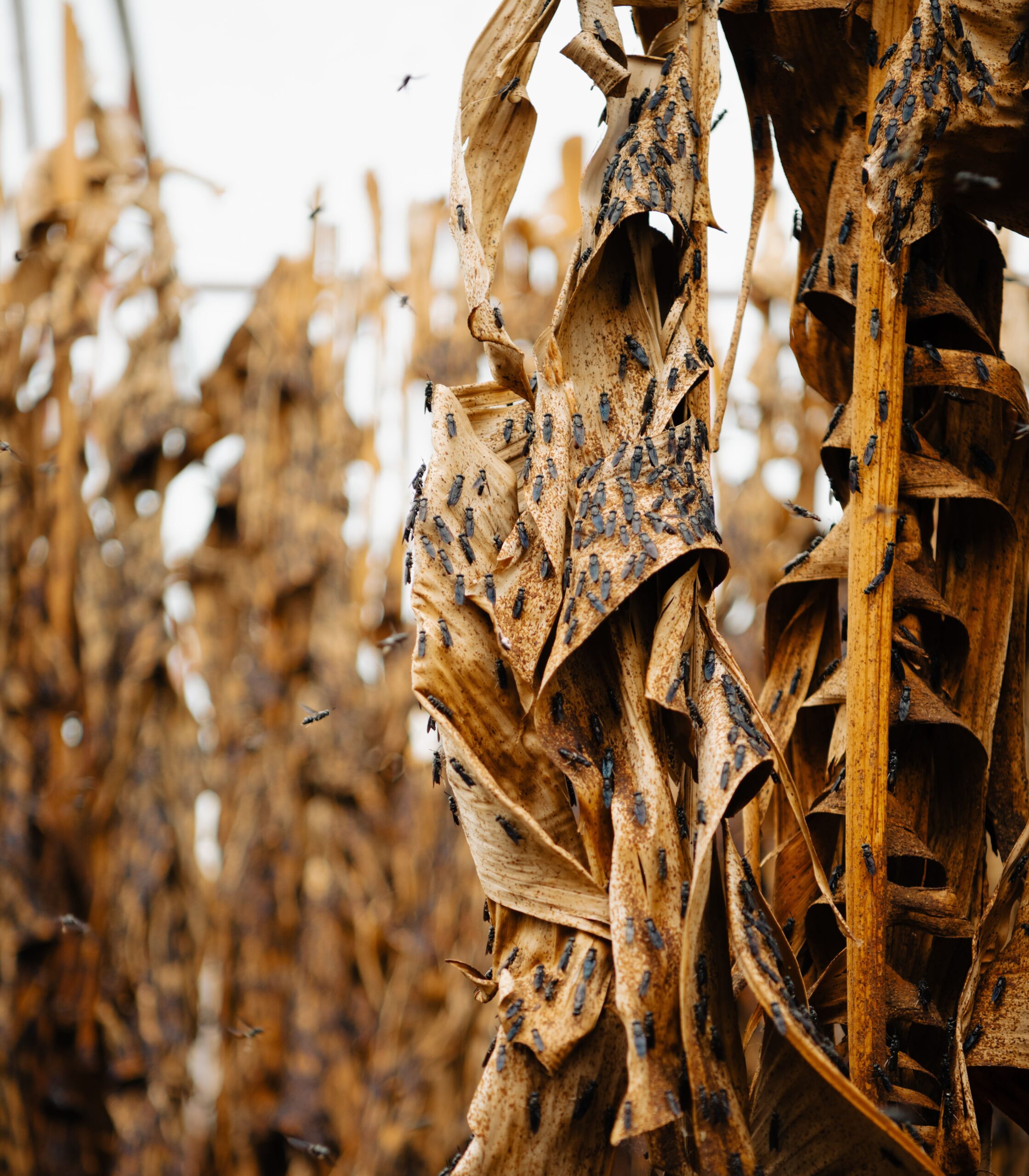
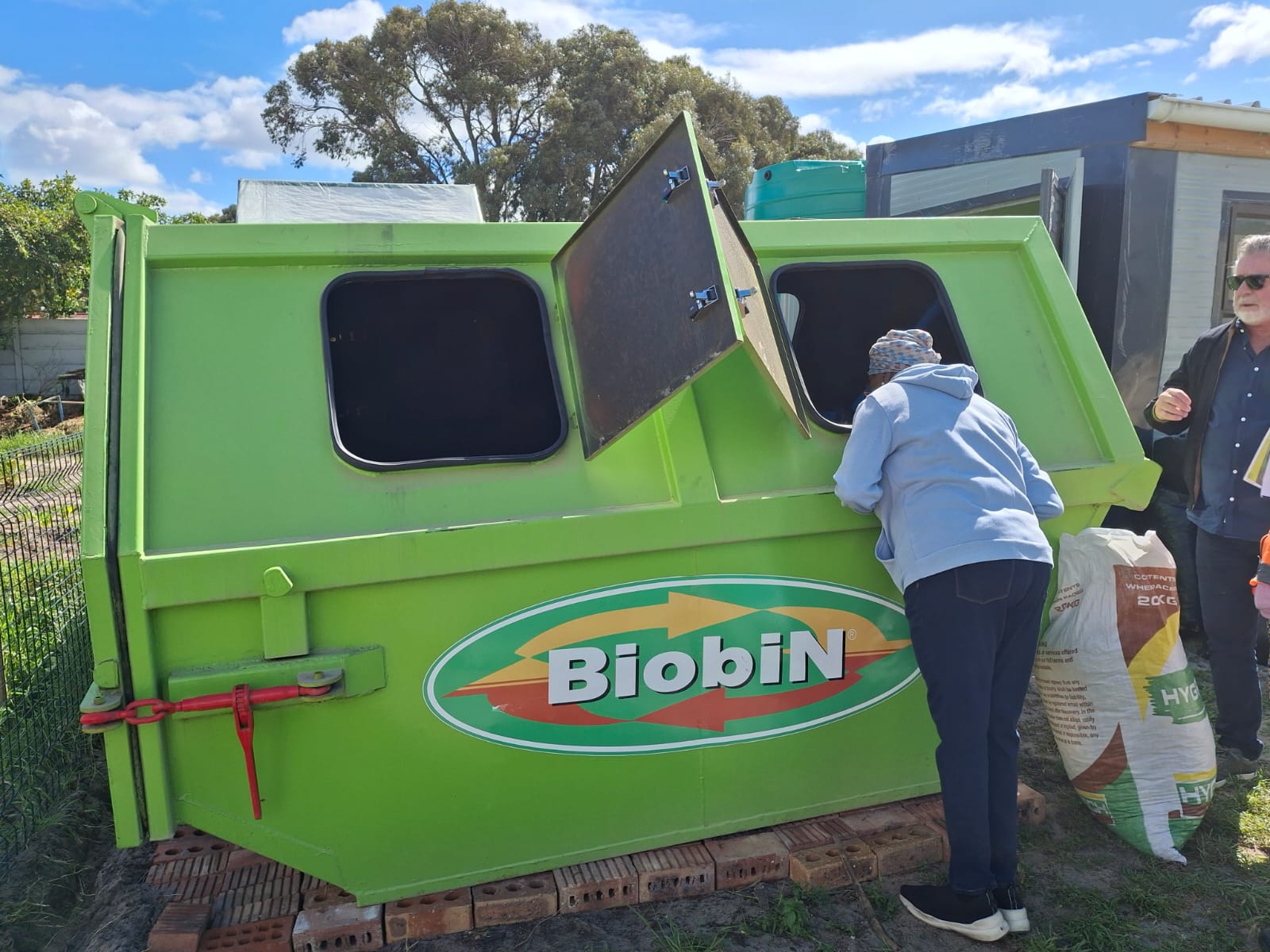
Particular interest focused on the black soldier fly, an insect capable of transforming organic waste into high-value products. Jokudu Guya from ICLEI Africa highlighted outputs from this process such as protein-rich animal feed, nutrient-dense grass fertilizer, and oils used in cosmetics and biofuels. In Rwanda, Golden Insect already applies this model to support 5,000 farmers, creating jobs, improving soils, and reducing dependence on imported feed.
Other Recover examples included farmers’ cooperatives and local associations in Cameroon using biochar to rehabilitate nutrient-poor soils while sequestering carbon, and urban biogas systems in Zimbabwe helping low-income neighborhoods manage waste and generate clean energy.
Rethink: The mindset shift that ties everything together
While earlier sessions focused on improving individual steps within the value chain, the Rethink session challenged SMEs to reconsider the system as a whole. As Grace Githiri, Urban and Territorial Development Specialist at UN-Habitat, put it: “Rethinking food systems means rethinking relationships between people, production, and place.”
This perspective resonated strongly with participants, who examined how rural and urban actors depend on one another, how the waste of one enterprise can become the input for another, and how partnerships with municipalities, NGOs, and academic institutions can strengthen food systems. Digital tools, data, and procurement practices also emerged as key enablers of shorter, smarter, and more circular value chains.
These ideas are embodied by Dunia Bora in Kenya, where founder Vincent Muhoro transforms invasive cacti into juice, jam, biopolymers, and insect feed, with residues returning to regenerate soil. “Circularity is a mindset. The challenge is helping people see resources where they once saw problems,” he noted.
A growing ecosystem of circular changemakers
Across Africa, food SMEs are already turning waste into opportunity, improving resource efficiency, restoring soils, rethinking packaging, and forming new partnerships. In doing so, they are actively reshaping urban food systems from the ground up.
As the AfriFOODlinks Circularity & Inclusivity Business Coaching Program moves into its next phases, these enterprises will continue refining models that regenerate ecosystems, strengthen local economies, and help nourish African cities for generations to come.


