In Kaohsiung, Asia-Pacific cities exchange on smart, sustainable mobility
*This blog was written by Liz Cormack and Ana María Cruz Ochoa, both from ICLEI World Secretariat.
What does it really take to move cities toward climate-neutral, people-centered mobility, beyond strategies, pilots, and policy frameworks?
As we enter the UN Decade of Sustainable Transport (2026–2035), this question is becoming increasingly urgent, as cities are under growing pressure to rethink mobility not only as a technical challenge, but as a matter of equity, resilience, health, and everyday quality of life.
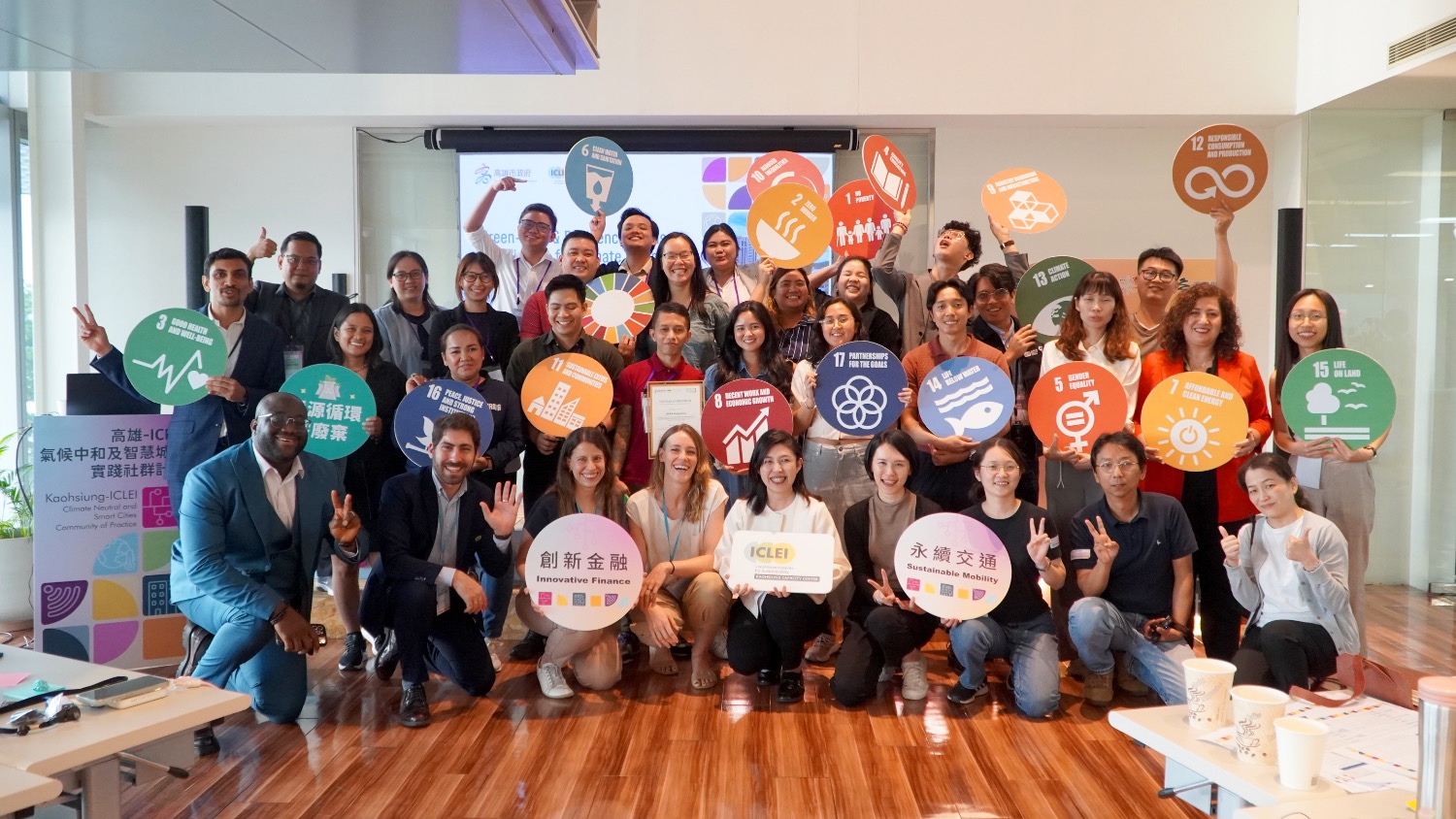
That question sat at the heart of the second in-person workshop series of the Kaohsiung–ICLEI Climate Neutral & Smart Cities Community of Practice, hosted in October 2025 at Kaohsiung’s pioneering Net Zero Institute. Chaired by Kaohsiung City, the Community of Practice brought together city practitioners from Kaohsiung, New Taipei City, Pasig City, and Quezon City for a critical knowledge-exchange on what is working, what remains difficult, and where cities see the biggest opportunities ahead.
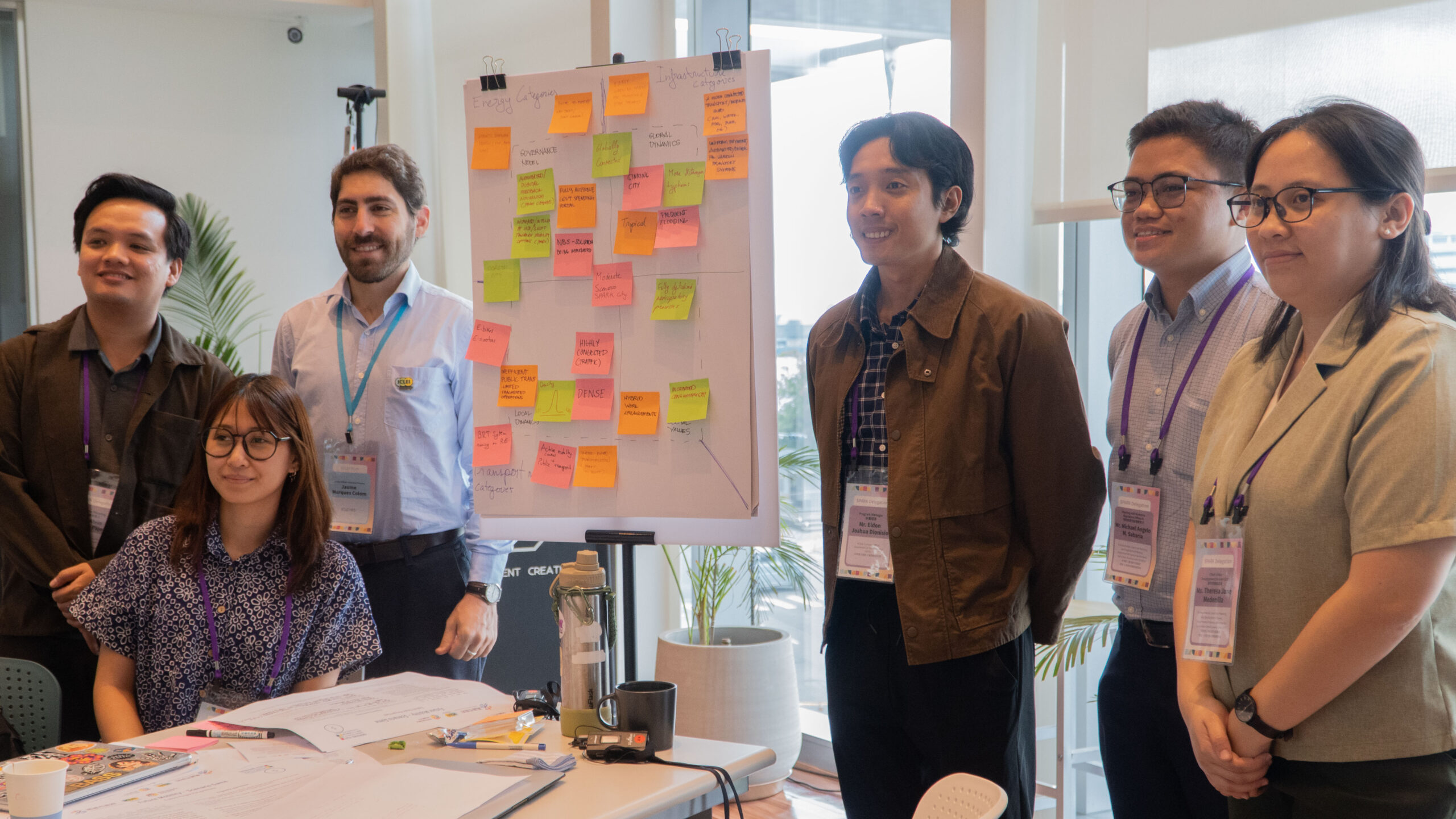
The workshop was held in close partnership with ICLEI’s SPARK Project – Sparking Active Mobility Actions for Climate-Friendly Cities, welcoming a delegation from Pasig City and Quezon City in the Philippines. Through SPARK, both cities have been building cooperation across departments and promoting community engagement around walking and cycling, contributing to greenhouse gas emissions reductions. The SPARK Project was cited during the workshop as a case study on active mobility, demonstrating how tactical urbanism and open data can support active, people-centered transport solutions. These on-the-ground experiences helped shape the discussions in Kaohsiung.
Representation from national government agencies further strengthened the multilevel exchange, including leadership from the Philippines’ Department of Transportation (DOTr) and Human Settlements and Urban Development (DHSUD).
Why sustainable mobility is central to Asia’s urban future
Across sessions, one message emerged clearly: Sustainable mobility is no longer just a transport issue; mobility shapes how cities move and grow. It requires system transformation that cuts across urban planning, digital infrastructure, finance, governance, and social inclusion.
Opening remarks from Kaohsiung City, the ICLEI Kaohsiung Capacity Center (KCC), and the ICLEI World Secretariat reflected a shared regional reality. Rapidly urbanizing cities across Asia face rising congestion, persistent safety concerns, infrastructure gaps, and growing demand for low-carbon transport. Cities need people-centered systems that are safe, resilient, accessible, and powered by innovation and technology.
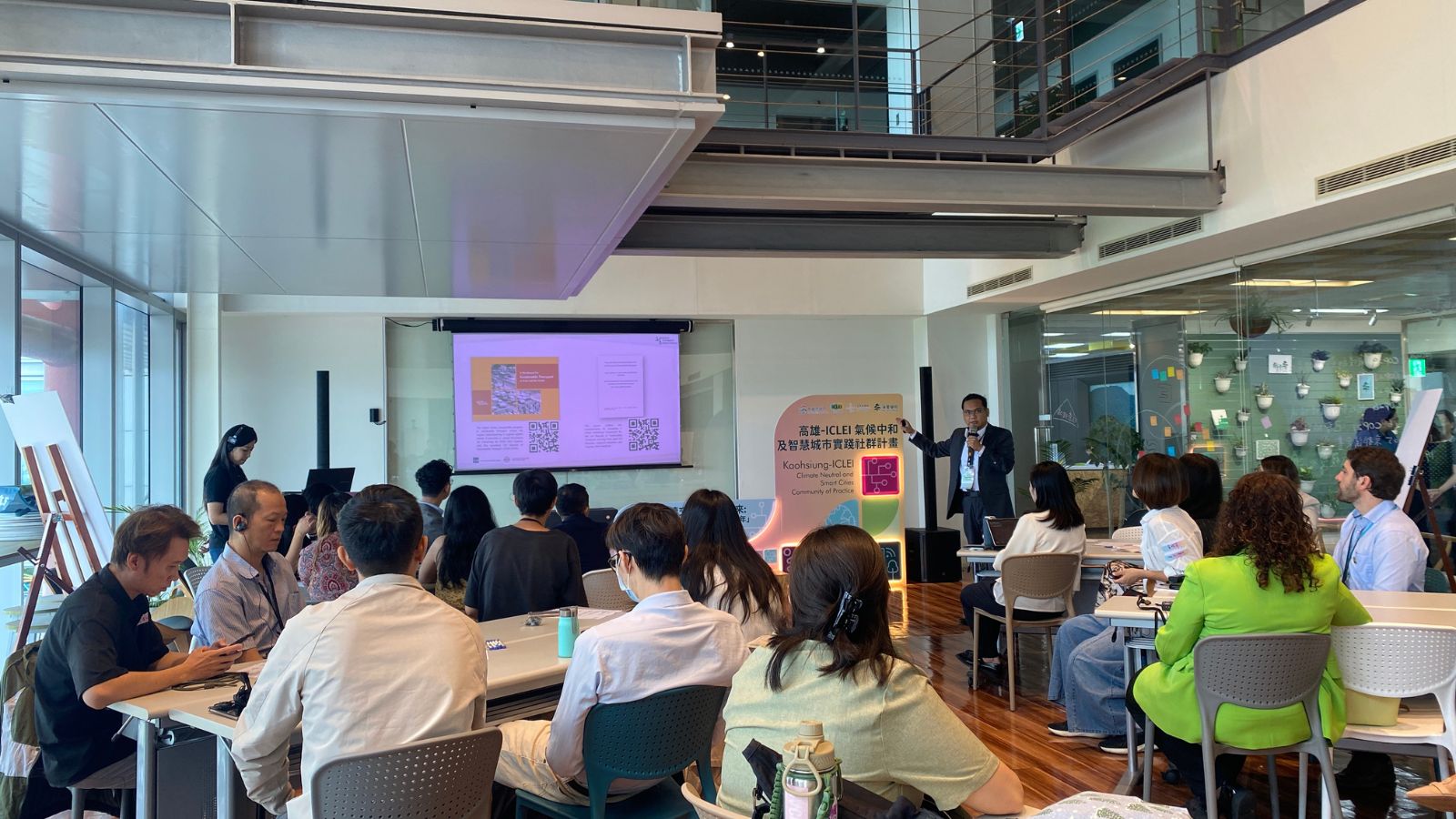
This framing was reinforced by Alvin Mejia, Co-Team Lead of the Asian Transport Observatory (ATO) by the Asian Development Bank, who shared a region-wide outlook on transport trends. Despite ongoing expansion, Asia still faces an estimated USD 43 trillion investment gap in transport infrastructure. He underscored the urgency of expanding access to sustainable, efficient, and low-carbon transport systems for all, and set the foundation for critical conversation on day two of the workshop series on Innovative Finance.
From global frameworks to local action
Global strategies and frameworks continue to play an important role, but cities emphasized the need to adapt them to local realities. ICLEI’s Sustainable Mobility team introduced the EcoMobility Strategies for the Future of Urban Mobility, originally launched in Kaohsiung in 2017. These strategies provide cities with adaptable tools for designing urban mobility systems that improve quality of life, promote active mobility, and enhance climate resilience.
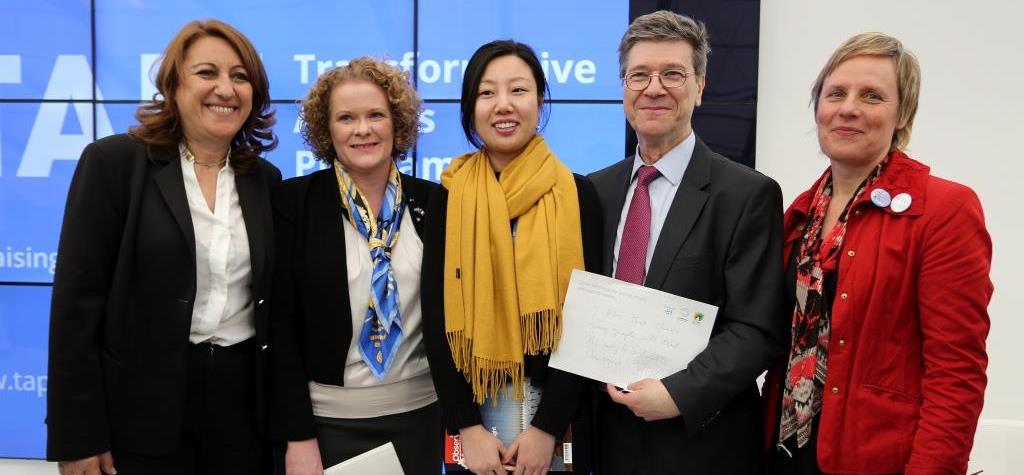
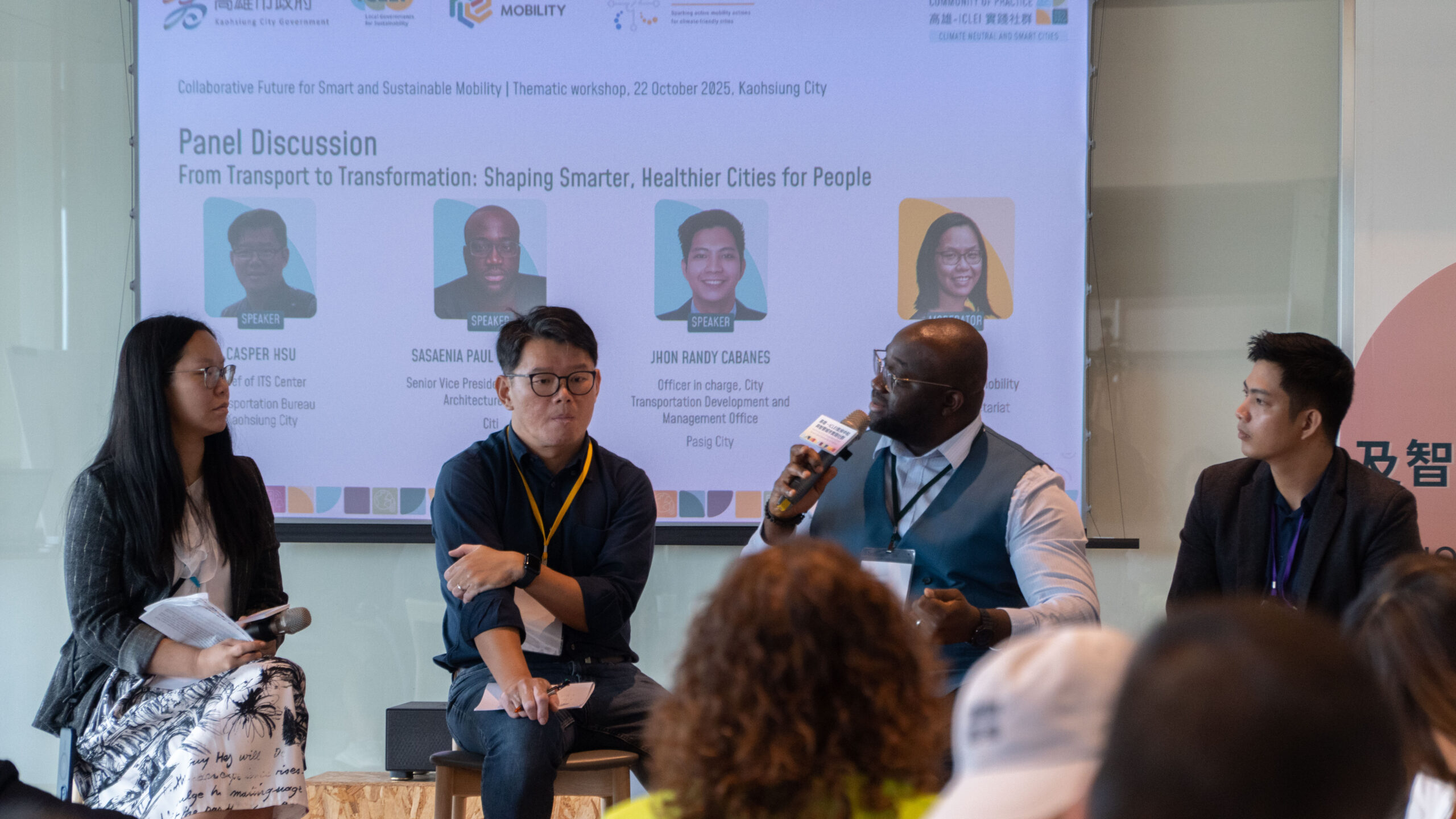
These ideas came to life during the panel “From Transport to Transformation: Shaping Smarter, Healthier Cities for People.”
From a global infrastructure perspective, Alice Yiu, Head of Advocacy and Outreach at the International Road Federation, reflected on the rise of automated transport systems, highlighting both their efficiency gains and the regulatory and governance challenges they pose for Asian cities.
Turning to what it takes to move projects from concept to implementation, Sasaenia Paul Oluwabunmi, Senior Vice President – Markets Tech Architecture & Data at Citi Group, outlined what makes transport projects investable, pointing to the importance of robust data, feasibility studies, risk guarantees, and instruments such as blended finance, public–private partnerships (PPPs), and sustainability-linked bonds.
At the city level, Jhon Randy Cabanes, Officer in Charge of the City Transport Development and Management Office in Pasig City, shared how Pasig City uses public consultations and AI-supported planning to understand mobility needs better and shape evidence-based policies.
Representing Quezon City, Allan Saleh De Vera, Acting Assistant Division Head of the Land Use and Infrastructure Division, presented efforts to overcome congestion, unsafe infrastructure, and complex coordination challenges through strategic planning and a three-way collaboration between government, civil society, and the private sector.
A three-fold approach to city transformation
Across sessions, participants consistently emphasized that achieving sustainable mobility requires a collaborative governance model in which the government sets the long-term vision, policy frameworks, and enabling conditions, the private sector contributes capital, innovation, and operational expertise, and civil society ensures solutions remain equitable, people-centered, and grounded in local needs.
Kaohsiung’s experience illustrates how clearly defined roles and coordination across these actors can create the conditions for more effective and inclusive mobility outcomes.
Technology as an enabler, not the goal
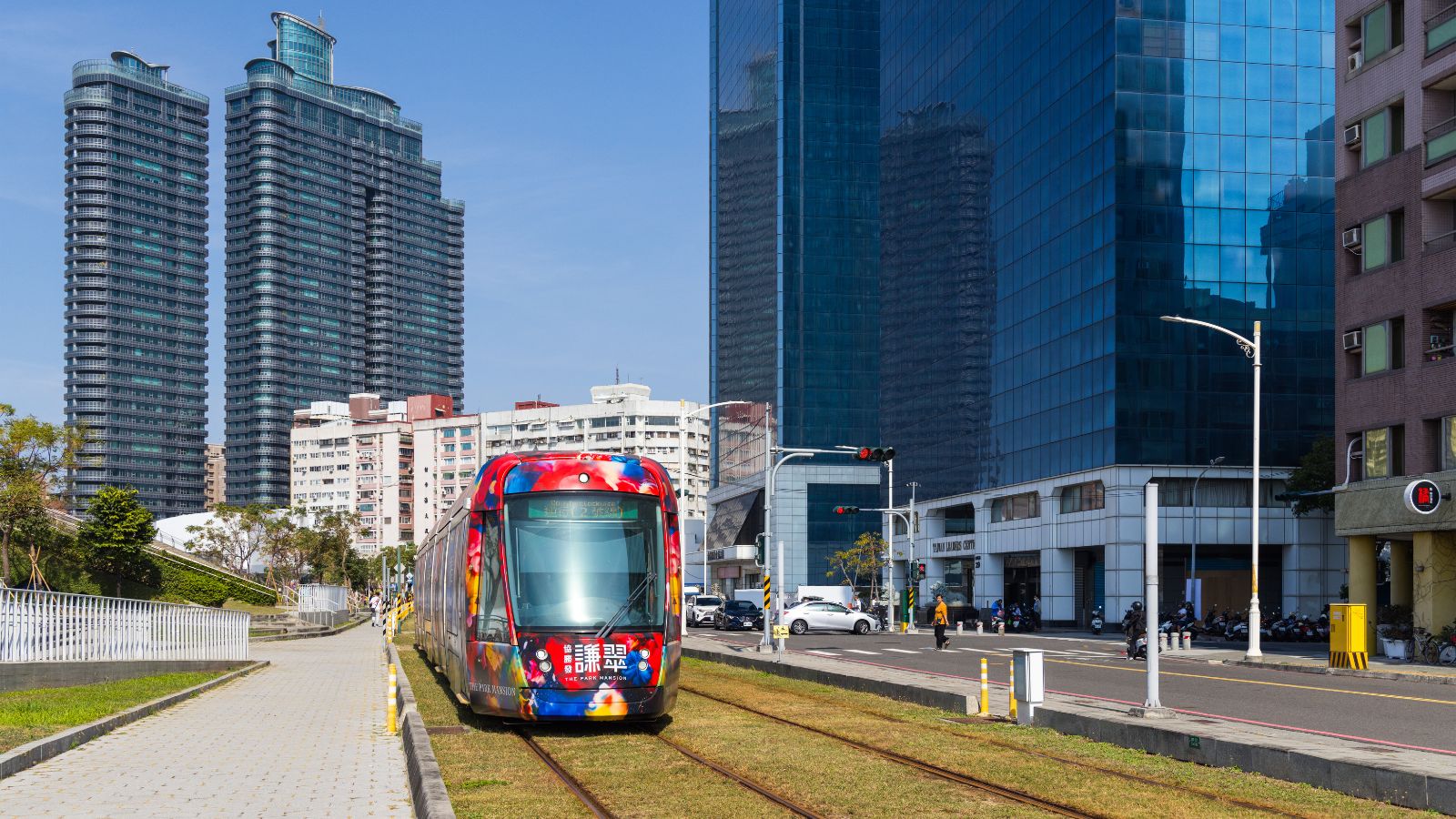
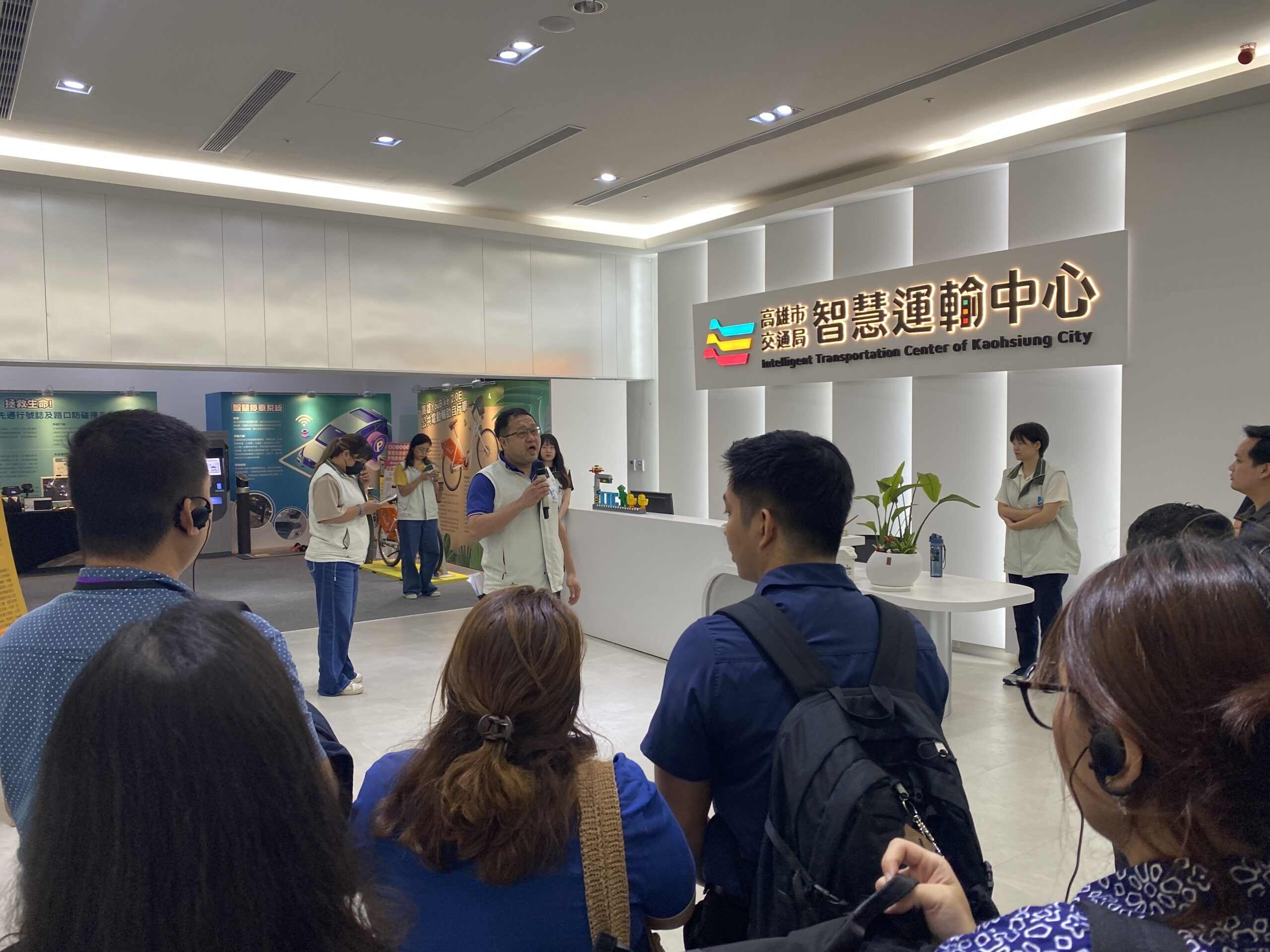
A site visit to Kaohsiung’s Intelligent Transportation Center offered a concrete look at how policy, technology, and governance can work together. The city is leading the way with an ambitious vision for sustainable transport and even more ambitious execution: Over the past decade, Kaohsiung has doubled its rail system, from 51 km to 112 km of rapid transit rail and 52 stations to over 104 stations since 2015.
Casper Hsu, Director of Kaohsiung’s Transportation Intelligence Center, showcased the city’s transformation through AI-powered traffic management, integrated real-time data, smart corridors, the MenGo app, YouBike, and smart parking systems, demonstrating how technology and policy can work together to enhance safety, reduce congestion, and improve the overall user experience.
Kaohsiung’s own approach, from outsourcing YouBike operations to strengthening public consultation mechanisms, to centralizing mobility data, exemplifies how responsibilities can be aligned with the strengths of each actor to achieve better outcomes.
At the same time, participants were clear that technology alone does not deliver sustainable mobility. Digital solutions are most effective when embedded in strong public governance, clear policy direction, and continuous engagement with communities, a lesson reflected in the people-centered approach of both Kaohsiung and SPARK partner cities.
Biking the mobility transformation
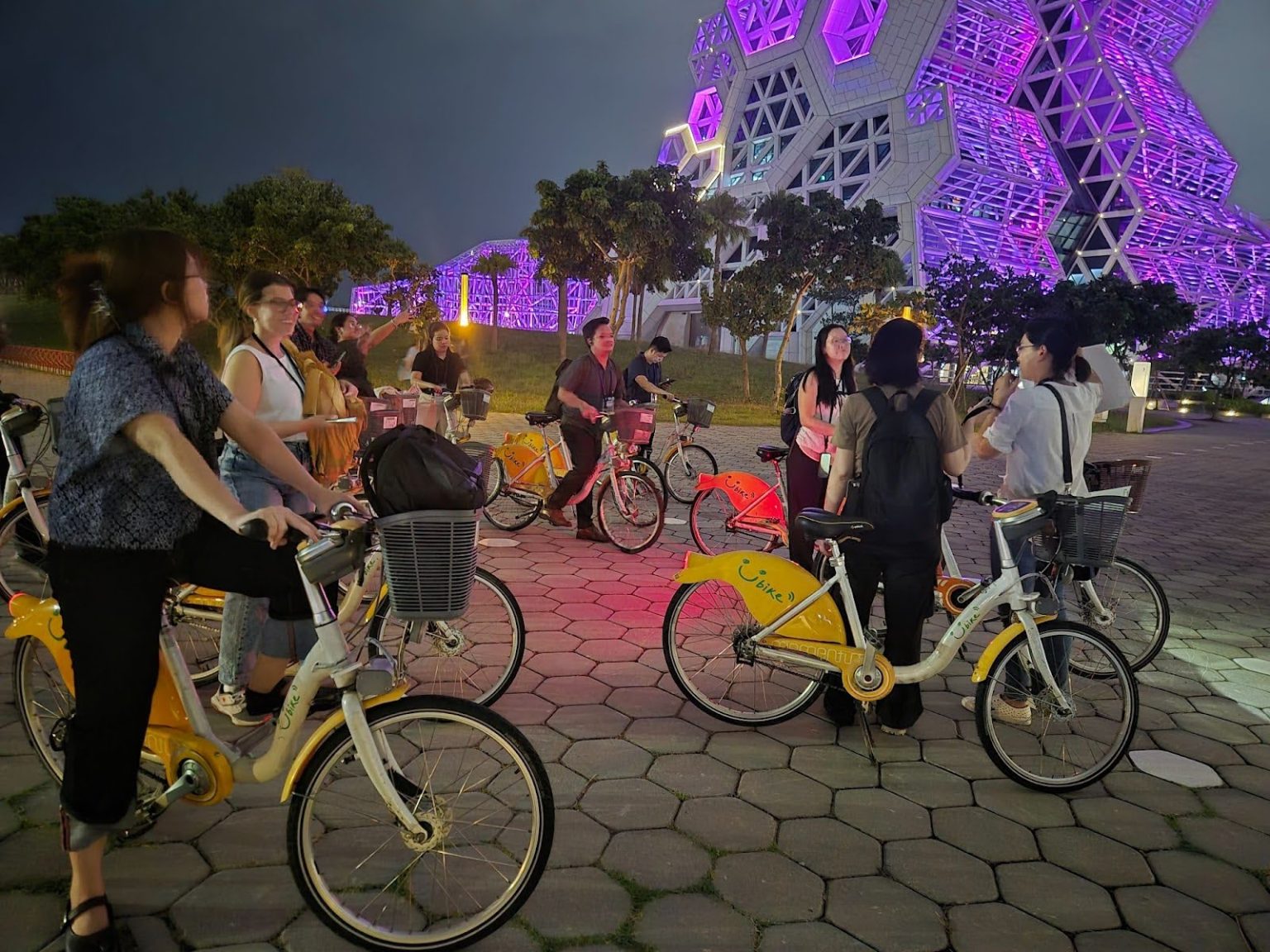
The workshop also featured guided tours of Kaohsiung’s railway system and its bicycle-sharing program, YouBike. Participants cycled along the Love River from the harbour district to the central city, experiencing firsthand how waterfront regeneration has expanded bike connectivity and created new public spaces.
The visit also highlighted how the redevelopment of Kaohsiung Main Station is responding to rising travel demand and helping ease congestion. The delegation learned that the project is a major, long-term restructuring effort and how Kaohsiung is striving to balance between increasing sustainable modes of transport, community engagement, and heritage preservation into a modern transport hub. As the city builds a larger station, it has taken steps to ensure that the community feels heard and supports the project, while also relocating the historic station to safeguard its cultural value.
Sustaining momentum beyond
Looking ahead, cities emphasized the value of continued peer exchange and practical capacity building. The two-day workshop also strengthened the nexus between mobility planning and project financing, with participants particularly interested in exploring innovative finance, PPPs structuring, digital mobility solutions, and scenario planning.
In addition, participants shared that experiencing Kaohsiung’s innovation and transformation firsthand was especially beneficial, leaving them inspired to further advance sustainable transport solutions at home.
While local contexts differ, the conversations in Kaohsiung underscored a shared conclusion: Sustainable mobility transitions are not linear. They require bold leadership, good plans, experimentation, trust-building, financing, and learning across cities facing similar constraints.
Through its leadership, innovation, and dedication to knowledge sharing, Kaohsiung continues to be a leading example, illustrating how cities can collaborate across sectors and borders, use digital tools effectively, and mobilize capital to create transport systems that serve both people and the environment.