How community partnerships in Kaohsiung and Bonn support a just transition
Written by Emily West, ICLEI Europe
The transition towards climate neutrality requires more than technological shifts, it is a social endeavour as well. The INCLU:DE project on just and inclusive climate action explores how climate initiatives can be designed more equitably and deliver tangible benefits for local communities. Throughout the project, it has become apparent how community collaboration plays a crucial role in aligning climate goals with local realities and ensuring that the benefits of climate action reach all, particularly communities that have historically been underserved.
In different ways, the cities of Kaohsiung on the island of Taiwan and Bonn in Germany are working closely with local organizations to implement climate initiatives that bring real social benefits. Their experiences show that climate action becomes fairer and more resilient when it is created directly with the people who will live with its outcomes.
Both cities, although facing very different geographic and demographic realities, demonstrate how placing social equity at the center of project design can reshape climate action. Co-creating climate measures with local communities, particularly those that are often overlooked, expands the impact beyond CO2 emission reduction alone. Such approaches strengthen social wellbeing, improve affordability and mobility, and enhance everyday living conditions.
Kaohsiung: Offering community transit that connects places and people
Kaohsiung is a city of striking contrasts. Its dense urban core is highly developed and well connected, while the eastern and northeastern districts are shaped by mountainous terrain, dispersed settlements, and far lower population densities. While central districts reach population densities of up to 20,000 people per km² and benefit from frequent, reliable public transport, surrounding rural areas such as Meinong with 43 percent transport coverage, Neimen with 72 percent, and Shanlin with 71 percent face severely limited services, leaving many older residents without safe and affordable mobility options.
To address this gap, in 2022 Kaohsiung introduced Shared Happiness Kaohsiung GO, an innovative demand-responsive transit (DRTS) system that offers flexible, shared rides directly to and from people’s homes. Users can request a vehicle through a hotline, a local requesting network, or via the official LINE account. Instead of walking long distances to a bus stop, residents receive a door-to-door service, often using Taxi-Bus fleets that efficiently pool rides across rural areas.
What makes Shared Happiness Kaohsiung GO remarkable is not only the technical solution behind it, but its deep community roots. Earlier attempts at demand-responsive transit failed because they were designed without engaging local residents. This time, the city reversed the approach: Through structured exchanges with communities and collaboration with civil society organizations, planners gathered detailed insights into what local seniors actually need. When private bus companies refused to run unprofitable rural routes, Kaohsiung enabled local NGOs to become licensed transport operators. Many of these organizations already ran elderly centers and community programs, allowing the city to directly link mobility services with social care and local governance in a practical and effective way.
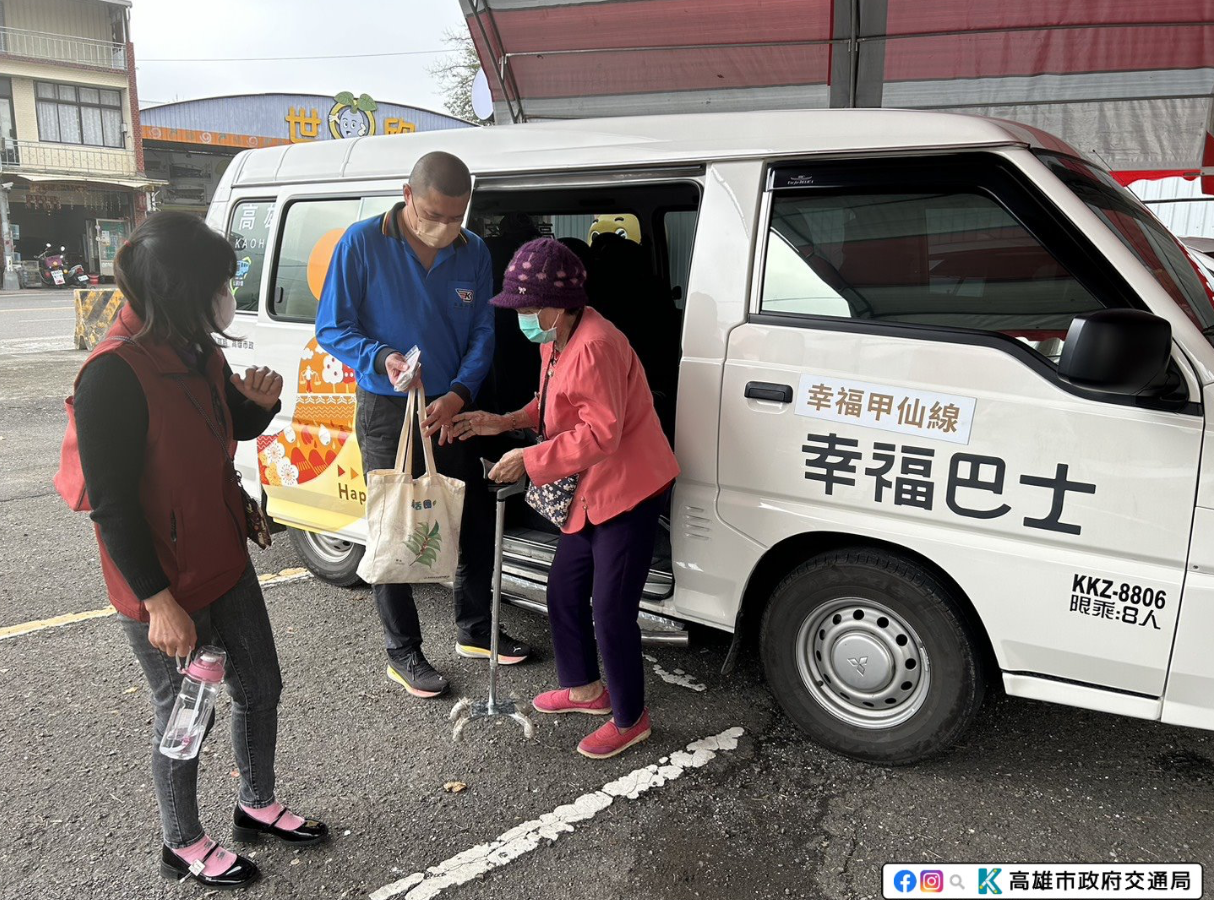
The result is an exceptionally impactful mobility service. From January 2022 to April 2025, Shared Happiness Kaohsiung GO has delivered a total of 244,049 service rides, completing 79,231 trips across six rural districts with an average ridership of more than three passengers per trip. Seniors account for 73 percent of all users, and 72 percent of trips are linked to home care visits, medical appointments, or other essential daily needs. This clearly shows the service’s critical role in enabling access to healthcare and age-related care in rural communities.
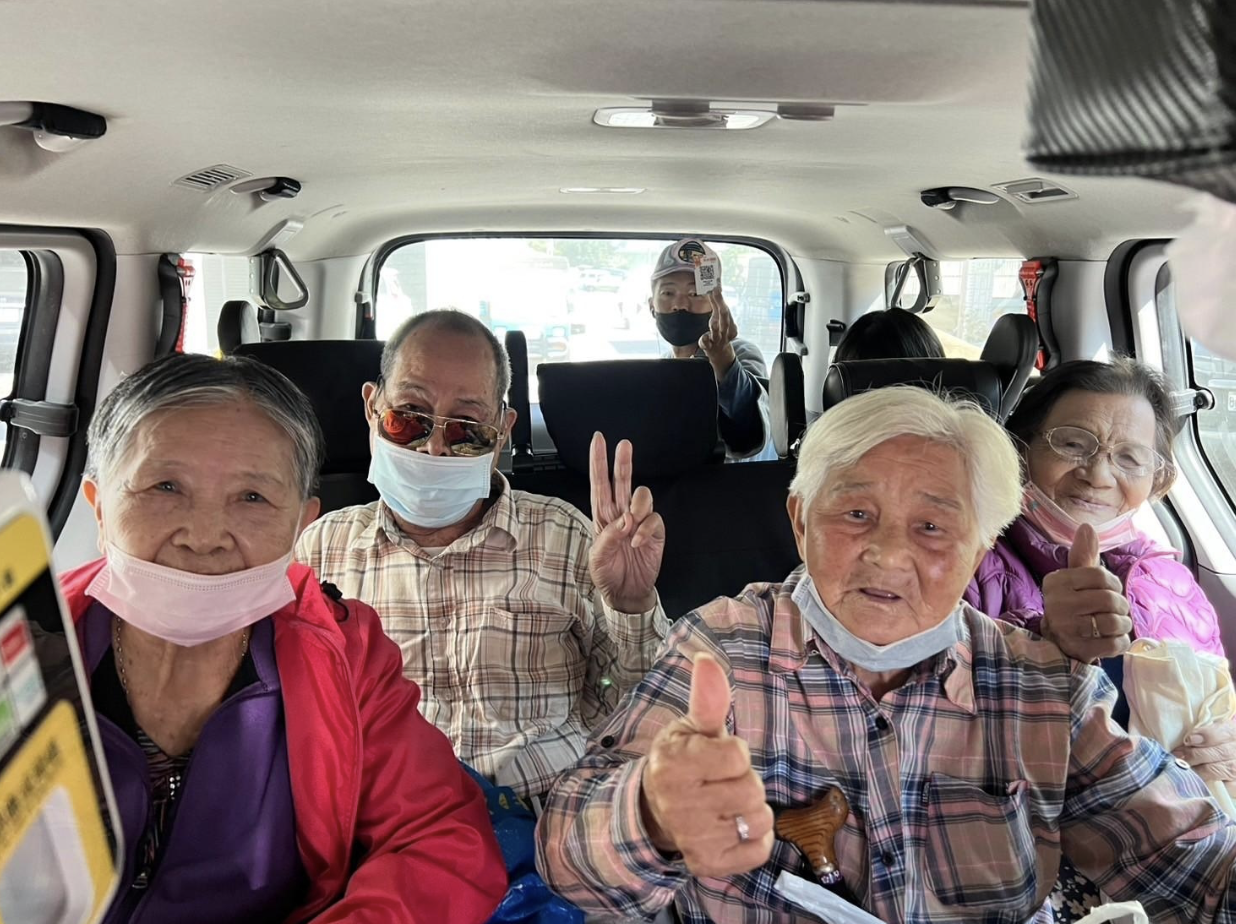
The benefits extend beyond filling a mobility gap. The system also fosters social connection, as many riders highlight the joy of chatting with fellow passengers and drivers, turning shared rides into small but meaningful moments of community. All together, the service not only improves accessibility and independence for elderly residents but also reduces isolation, strengthens wellbeing and enables preventive healthcare visits, ultimately contributing to lower public health expenditures.
Bonn Medinghoven: Building a culture of change to enable community climate action
Under its climate neutrality by 2035 goal, Bonn has introduced four Climate Districts as one of its most innovative tools to link climate action with social connectivity. These districts function as real-world laboratories, allowing the city to explore how climate initiatives can be embedded in local community work.
One such district is Medinghoven, whose concept stands out for its explicitly youth and participation oriented approach, shaped by a distinct socio-economic profile. Based on the Bonn Social Report 2025, the district has an exceptionally young population, with 51.3 children and youth under 20 years per 100 working-age residents, making it the youngest district in Bonn. Medinghoven also has a high share of children and youth living in benefit-dependent shared households (44.5 percent) and a social participation index of 38.88, far below that of the other climate districts. Strengthening community ties and equal opportunities therefore became the essential starting point for climate action in Medinghoven.
The overall project has clear targets like reducing emissions in the district and creating liveable and climate-resilient public spaces. But rather than beginning with climate messaging, Medinghoven focuses first on building a “culture of change” within the neighborhood. This approach recognizes that real transformation only happens when people feel safe, connected with each other, and included in decision-making. The central platform for this work is the Participation Center MEDING:HOME, run by the civil society organization Bonner Institut für Migrationsforschung und Interkulturelles Lernen (BIM) e.V., which has year-long experience in intercultural and neighborhood work in Bonn.
MEDING:HOME functions as an open and flexible meeting space where community life can take root and grow. It offers a wide range of low-threshold activities, from communal cooking and intercultural gatherings to youth-oriented programs and practical support with public services hosted by external partners. In these functions, the center strengthens neighborhood resilience and provides common ground for addressing a range of issues, including sustainability.
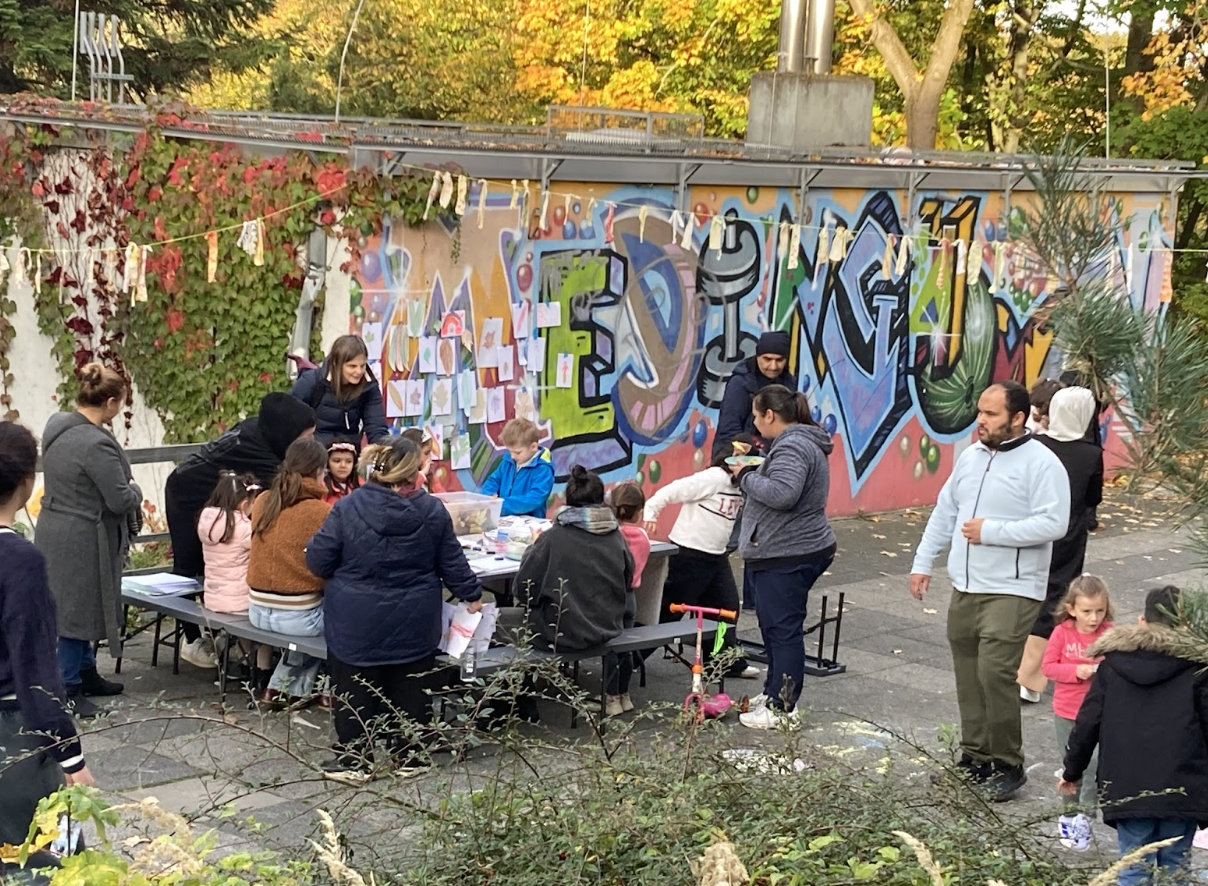
While the focus is firmly on community building, the team encourages residents to take climate-friendly actions in their own homes. Climate themes are introduced gently rather than through formal lessons or mandates. By creating everyday moments through recycling art projects, repair cafés, or shared meals, MEDING:HOME helps sustainable behaviors become intuitive. At the same time, it supports residents in accessing municipal programs, such as climate subsidies, ensuring more people can participate and benefit.
Since local families generally have a low carbon footprint, the emphasis is not on prescribing behavior change, but on opening up accessible ways to participate in climate action and experience its benefits in daily life. In doing so, climate-friendly practices are normalized without judgment, allowing residents to explore and adopt them at their own pace.
Climate action as a source for social good: Meaningful side effects
By putting communities first, both cities ensure that climate initiatives advance climate protection while delivering tangible benefits for local residents. Developed in close collaboration with communities, these measures go beyond emissions reductions to create positive social, economic, and health impacts that respond to everyday needs.
1. Health, wellbeing and belonging
Data from Kaohsiung highlights how Happy Kaohsiung Go generates powerful social and health-related benefits beyond its original scope. Seniors rely on the service for home-care visits, medical appointments, grocery shopping, and social activities. By offering reliable door-to-door mobility, the program significantly enhances independence, eases pressures on working family members, and supports seniors in maintaining dignity and autonomy. In Bonn, low-threshold activities and strong social networks help to build the trust and sense of belonging that make climate participation possible – especially for residents with limited resources or language skills. Taking a holistic view, the system recognizes that meaningful participation by children and youth depends on actively involving their families and wider social environments.
2. Empowerment through agency
Bonn demonstrates how expanding access to skills, information, and resources can strengthen residents’ individual agency. This support is particularly important for people who have historically faced disadvantages, such as residents with limited socioeconomic resources or migration experience. Community activities like repair cafés and swap markets provide low-threshold opportunities that combine practical benefits with meaningful participation. By creating welcoming spaces, reducing costs, and building skills, these initiatives enable residents, especially those with previously limited participation opportunities, to express their needs and engage in activities. They also help to connect sustainable consumption with greater self-empowerment, climate awareness, and action.
3. Economic opportunities and community employment
Last but not least, Kaohsiung provides tangible economic benefits through its mobility solution. The Kaohsiung GO initiative creates job opportunities for young people by offering part-time driving roles. Partnerships with local NGOs were key to this success. Because bus companies were initially reluctant to serve low-density rural areas, the city supported NGOs that already ran cultural centers and social activities for the elderly to legally operate as bus companies. This collaboration was crucial for ensuring community acceptance of the service. The initiative’s operational sustainability is further strengthened by funding partnerships with the Ministry of Medical Affairs, which help to maintain and expand the program while delivering both mobility and economic benefits to the community.
Shared lessons in/on just transitions
Bonn and Kaohsiung operate in very different contexts, but both place communities at the center of their strategies. In each city, local organizations deliver services, strengthen social networks, and create accessible spaces for participation. Both initiatives focus on supporting underserved groups such as the elderly, youth, and low-income residents, while generating tangible daily benefits: from mobility and social connection to skills development and empowerment.
These examples show that effective climate action relies not only on technological solutions but also on social engagement, cultural change, and strong community ties. By embedding sustainability initiatives in local structures and relationships, Bonn and Kaohsiung demonstrate that climate and social objectives can advance hand in hand, improving daily life, affordability, and social connectivity for those who need it most.
Featured image: © Transportation Bureau, Kaohsiung City